

When hantavirus makes the news — as it did in May 2026 with the MV Hondius cruise ship outbreak — the headlines tend to be alarming and the practical guidance thin. Three people died in that outbreak, British nationals were among those affected, and the UKHSA issued guidance for returning passengers. If you’ve landed here wondering what it actually means for your household, this is the practical answer.
The short version: the risk to most UK households is very low. But there are things worth knowing — particularly if you live rurally, work near rodents, or spend time clearing outbuildings. This guide covers what hantavirus actually is, why the MV Hondius situation was unusual, and what the picture looks like for households in the UK.
What Is Hantavirus?
Hantavirus is a family of viruses carried by rodents — primarily mice and rats — that can infect humans through contact with contaminated material. It doesn’t spread through the air like a cold or flu. It spreads when people come into contact with rodent droppings, urine, saliva, or nesting material — most often by inhaling dust that has been disturbed in contaminated spaces.
There are many different strains of hantavirus around the world, and they vary significantly in how dangerous they are. Some cause haemorrhagic fever with renal syndrome (HFRS) — a kidney-affecting illness that ranges from mild to severe. Others cause hantavirus pulmonary syndrome (HPS) — a lung condition that can be fatal. The strain involved in any given outbreak determines how serious the risk is. These are not interchangeable.
Person-to-person transmission is rare for most strains and essentially does not happen. The exception is Andes virus, found in parts of South America, confirmed by laboratories in South Africa and Switzerland as the strain responsible for the MV Hondius deaths.
The MV Hondius Outbreak — What Happened
The MV Hondius is a Dutch expedition cruise ship that departed southern Argentina in March 2026 carrying 149 passengers and crew from 23 countries, including British nationals. During the voyage, a hantavirus outbreak developed on board. By early May, three passengers had died — a Dutch couple and a German national — and the World Health Organization was investigating seven confirmed or suspected cases.
British nationals were directly affected. A 69-year-old UK passenger was evacuated to South Africa and confirmed as one of the first two cases. A British crew member required urgent medical evacuation. The ship eventually docked in the Canary Islands, and all former passengers were placed under a 42-day home isolation requirement by the UK Health Security Agency (UKHSA).
The route of exposure on the ship — whether through shore excursions in South America or via contaminated material brought aboard — remains under investigation. What made this outbreak unusual is the rare possibility of person-to-person transmission associated with the Andes strain, which does not apply to the hantavirus strains found in the UK.
If you or someone in your household was a passenger on the MV Hondius, follow all UKHSA guidance closely. If you develop fever, muscle aches, or breathing difficulties, contact NHS 111 immediately and mention your travel history.
Is Hantavirus a Risk in the UK?
The UKHSA has been clear: the risk to the general UK population from the strains that caused the MV Hondius deaths is negligible. No UK-based community transmission has been reported. The Andes virus that appears responsible for those deaths is a South American strain, not something circulating in UK rodent populations.
That said, the UK is not entirely without hantavirus. Seoul virus — a strain carried by the brown rat — is present in UK rat populations, and human cases do occur. It causes a mild-to-moderate form of HFRS, typically presenting as a flu-like illness with some kidney involvement. It is rarely life-threatening in otherwise healthy adults.
Puumala virus, carried by bank voles, is the other UK-relevant strain. More common across Scandinavia and parts of Northern Europe, it has occasionally been detected in the UK. Like Seoul virus, it causes HFRS — typically mild kidney involvement, fever, and muscle aches. Serious cases are uncommon in otherwise healthy adults.

🐔 Chicken Licken
Did You Know?
The UK has had its own hantavirus — Seoul virus — for years, carried by brown rats. Most people who catch it never get tested and assume they had a bad flu. It is nothing like the strain that killed people on MV Hondius
How Hantavirus Spreads
Understanding the transmission route is key to understanding the actual risk. Hantavirus does not spread like a respiratory illness. You cannot catch it on public transport, in a shopping centre, or from a colleague at work.
Infection occurs when people:
- Breathe in dust or aerosols contaminated with rodent droppings, urine, or nesting material
- Handle infected rodents — alive or dead — without protection
- Touch contaminated surfaces and then touch their face
- Eat food that has been contaminated by infected rodents
The most common scenario is disturbing a heavily contaminated space — a barn, loft, garden shed, or outbuilding — where rodents have been nesting, and breathing in the resulting dust.
Who Is Actually at Risk in the UK?
The vast majority of UK households have no meaningful exposure risk day-to-day. The people who face any real risk are those who:
- Clear out sheds, garages, lofts, or barns with signs of rodent activity
- Work in farming, forestry, or rural environments with regular rodent exposure
- Handle dead rodents — including pet owners whose cats bring them in
- Camp or spend extended time in areas with high rodent activity
For urban households with no particular exposure to rodent-contaminated spaces, the day-to-day risk is effectively zero.
ADESTE – FFP2 Masks – UKCA Certified
BSI-certified FFP2 protection at 28p a mask — 50 individually sealed, long-term storage ready, and exactly what disappeared from shelves in March 2020.
Our Full Review: ADESTE – FFP2 Masks →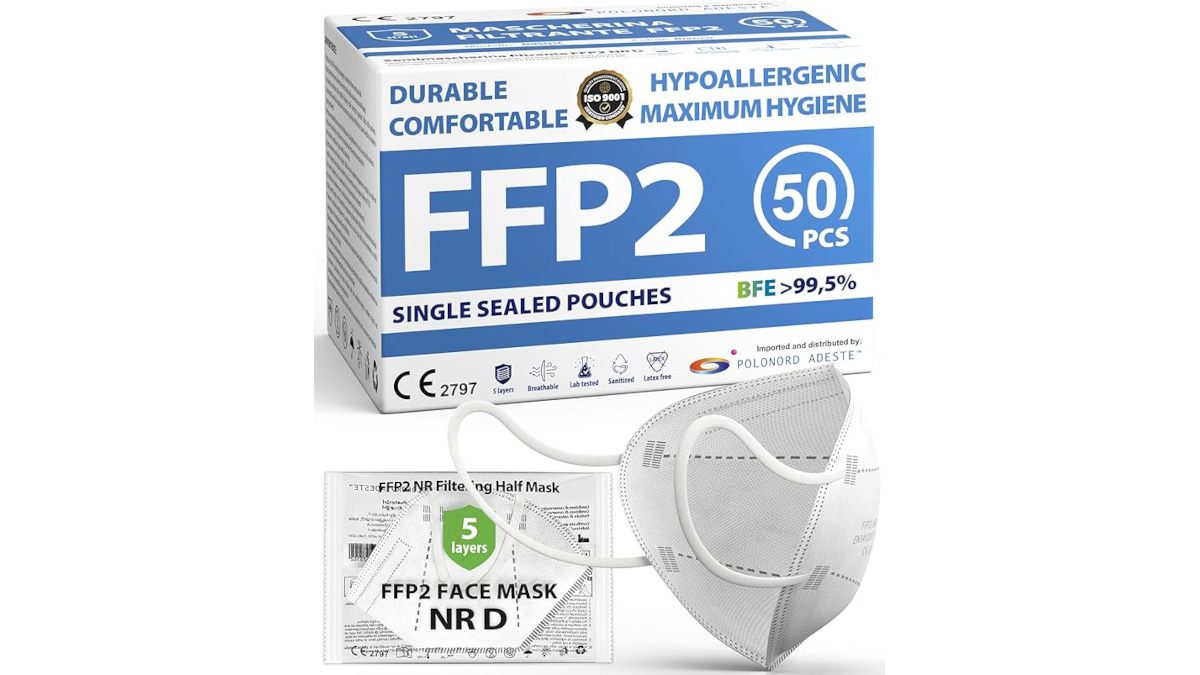
Prevention for UK Households
The primary protection against hantavirus is the same as against most rodent-borne disease: reduce rodents in and around your home, and take sensible precautions when working in spaces they may have occupied.
Rodent control
- Seal gaps around pipes, under doors, and in external walls — mice can squeeze through a 6mm gap
- Store food in sealed containers, not open bags or cardboard boxes in garages
- Keep outbuildings tidy and clear of the clutter that rodents nest in
- Use traps or call a pest controller if you have an active rodent problem
Clearing contaminated spaces safely
- Open doors and windows and ventilate for at least 30 minutes before entering a space with signs of rodent activity
- Wear rubber or latex gloves and a well-fitting dust mask — FFP2 standard for spaces with heavy rodent contamination
- Wet down droppings and nesting material with diluted bleach solution before disturbing them — this prevents dust becoming airborne
- Use damp cloths or paper towels to wipe up; do not sweep or vacuum dry droppings (both aerosolise the contaminated material)
- Double-bag waste and seal it before disposal
- Wash hands thoroughly after any contact with potentially contaminated material, even if gloved
Handling dead rodents
- Never handle a dead rodent bare-handed
- Use gloves and place in a sealed bag for disposal
- Wash hands afterwards
🦆 Keith
Don’t Be Keith
buying a full military-grade respirator to clear the garden shed when an FFP2 dust mask, rubber gloves, and opening the door for half an hour would do the job
Symptoms and When to Seek Help
For Seoul virus — the UK strain — symptoms typically include fever, headache, muscle aches, and occasionally lower back pain or kidney discomfort. Most people recover without specific treatment. It is uncommon and rarely requires hospitalisation in healthy adults.
For the more dangerous strains (the type involved in the MV Hondius outbreak), symptoms typically appear two to four weeks after exposure. The pattern is different and more serious: an initial flu-like phase — fever, fatigue, muscle aches, stomach pain, nausea and vomiting — followed within days by respiratory deterioration. This progression can move quickly and is the distinguishing feature of hantavirus pulmonary syndrome. It requires urgent medical attention.
Call NHS 111 if you develop fever and muscle aches within six weeks of:
- Clearing a space with significant rodent activity
- Handling dead rodents
- Travelling to South America, the Balkans, Scandinavia, or other regions where more dangerous hantavirus strains are known to circulate
- Having close contact with a confirmed or suspected hantavirus case
Mention the potential exposure when you call. Do not self-treat or wait to see if symptoms pass. Early presentation gives the best outcomes.
Complete Guide
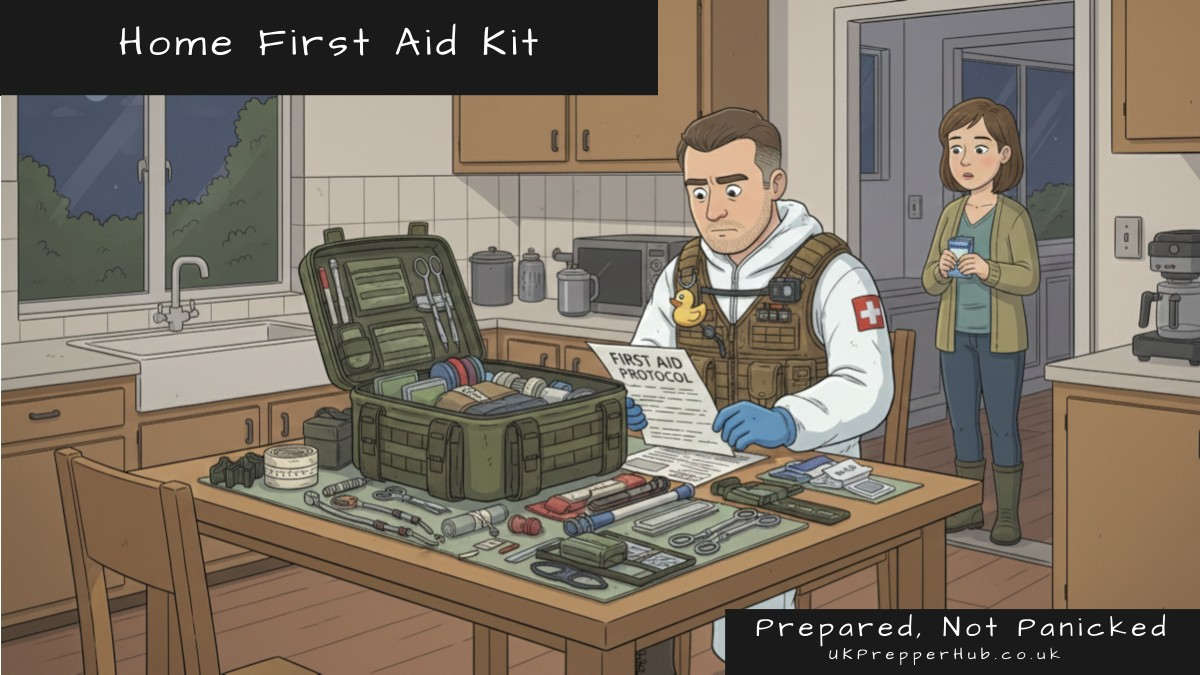
UK Home First Aid Kit
This guide covers comprehensive first aid supplies needed in the home to cover almost all emergencies.
The Bigger Preparedness Picture
The MV Hondius outbreak is a reminder of something UK preparedness gets wrong fairly often: we plan for dramatic scenarios and miss the practical everyday risks. Rodent control is one of those things that quietly protects against a wide range of hazards — hantavirus, leptospirosis (Weil’s disease), salmonella, property damage — and most households never think about it until there’s already a problem.
If you haven’t checked your loft, shed, or garage for signs of rodent activity recently, it’s worth a look. The risk of hantavirus in the UK is low — but the habit of keeping rodents out of your home pays dividends on multiple fronts.
Complete Guide
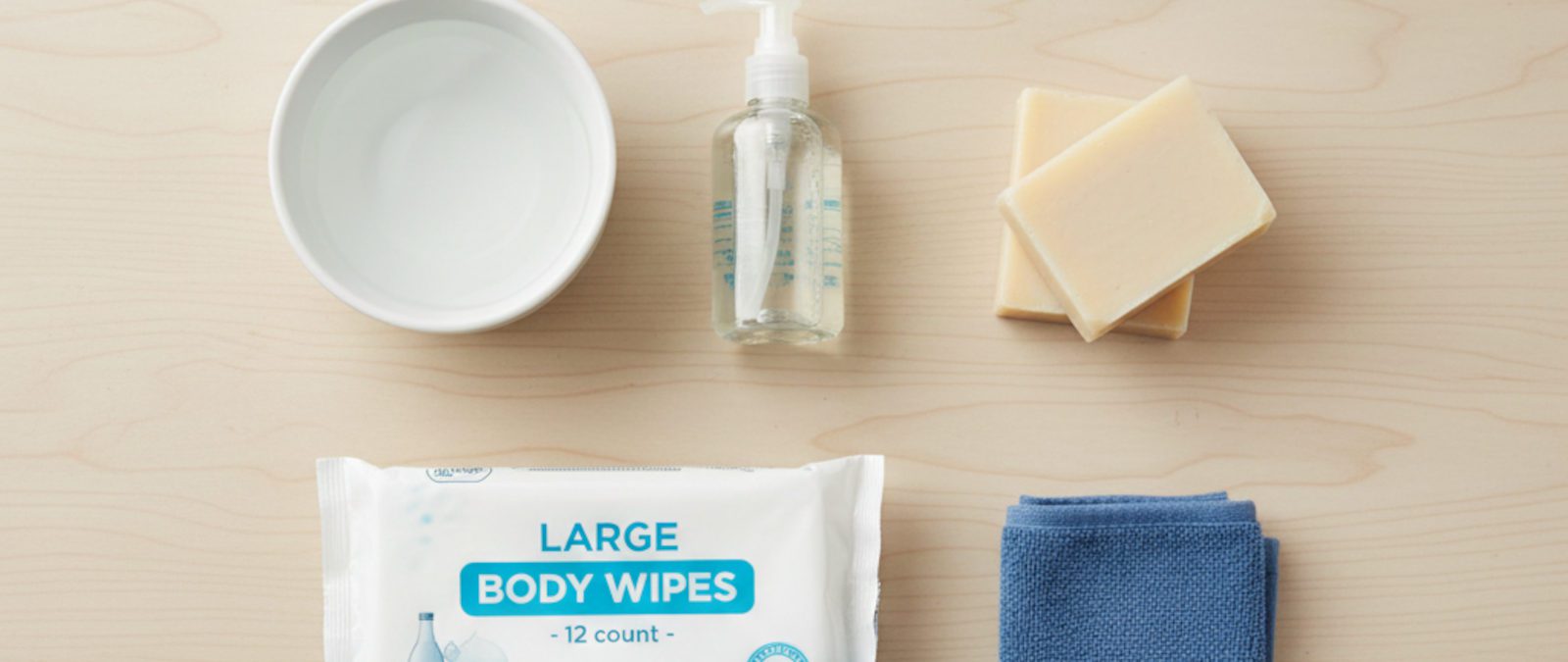
Emergency Hygiene Guide
This guide covers water-scarce washing techniques in detail, but for grab bags the focus is having enough supplies to maintain basic hygiene without relying on rest centre provisions.
Frequently Asked Questions
Can you catch hantavirus from rats in the UK?
Yes, but the risk is very low. Brown rats in the UK can carry Seoul virus, a mild strain of hantavirus. Human cases do occur but are uncommon, and the illness is rarely serious in otherwise healthy people. It is a very different situation from the strain responsible for the MV Hondius deaths.
Is the hantavirus on the MV Hondius in the UK?
No. Confirmed by laboratories in South Africa and Switzerland as the strain responsible for the MV Hondius deaths. The UKHSA has confirmed the general UK population risk is negligible. The UK monitoring relates to returning travellers and former passengers of the ship, not community spread.
Should I wear a mask when cleaning my shed?
If there are clear signs of rodent activity — droppings, nesting material, gnawing — yes, it’s sensible precaution. An FFP2 dust mask is appropriate. You don’t need a full respirator. Ventilate the space first, wet down contaminated material before disturbing it, and use gloves.
Can hantavirus spread between people?
For the strains present in the UK, no. Person-to-person transmission does not occur. The Andes virus — involved in the MV Hondius outbreak — is the rare exception, and it is not found in the UK.
When should I call NHS 111 about hantavirus?
If you develop fever, muscle aches, or difficulty breathing within six weeks of potential rodent exposure — or within six weeks of travel to South America or other high-risk regions — call NHS 111 and describe the exposure. Do not wait to see if symptoms resolve on their own.
Build Your Resilience
Further Reading: Related Guides
All our guides can be found listed on our resilience hub.
Gear We’ve Tested & Reviewed
All our reviews can be found on our reviews and resources page.