
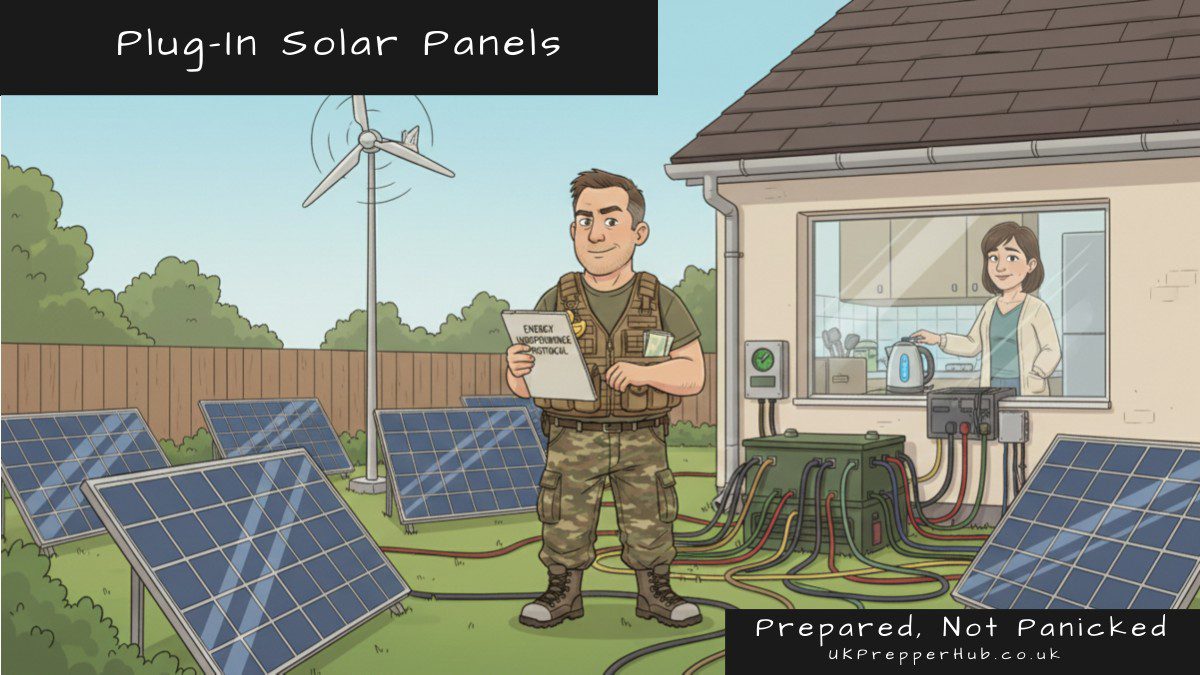
Plug-in solar panels are coming to UK shops within months — and if you’ve seen the headlines, you might be wondering whether they belong in your resilience setup. The short answer: probably, but not for the reason you think.
Here’s what’s actually happening, and what it means for UK households trying to reduce their dependence on the grid.
What are plug-in solar panels?
Also known as balcony solar panels or micro-solar, these are compact solar arrays designed to plug directly into a standard household socket — no electrician, no planning permission, no roof installation. You mount them on a balcony, garden wall, flat roof, or south-facing fence, plug them in, and they feed electricity directly into your home’s circuit.
They’re already huge across Europe — Germany alone has more than a million installations. Until now, UK regulations have prevented them being connected to the mains, but that’s changing. The Government has confirmed it’s updating the relevant wiring regulations (G98 distribution code and BS 7671) to allow sub-800W plug-in solar panels into domestic sockets. Major retailers including Amazon, Currys and Sainsbury’s (Argos) are already lining up to sell them.
Expected price: around £400. Expected annual saving: around £100. Rough payback: four years, with free electricity after that.
Will they work in a power cut?
No — and this is the bit that matters if you’re thinking about them as a prepping tool.
Plug-in solar panels work by synchronising with your mains supply. When the grid goes down, the panels shut off automatically. This is a deliberate safety feature — it prevents the panels feeding electricity back into dead lines while engineers are working on them.
So if you’re picturing yourself riding out a three-day blackout with the kettle on and the fridge running because you’ve got solar panels on the fence — that’s not how this works. Without battery storage as a buffer, plug-in solar is a grid-on-only technology.

🦆 Keith
Don’t Be Keith
Keith is planning to order four plug-in solar panels, confident they will power his entire house during the next national grid failure. He has not read the instructions.
Your blackout prep still matters
Because plug-in solar goes dark the moment the grid does, your actual blackout kit is as important as ever. A torch, a charged power bank, and a prepared blackout box are the things that keep you functional when the power goes out — solar panels on the fence won’t.
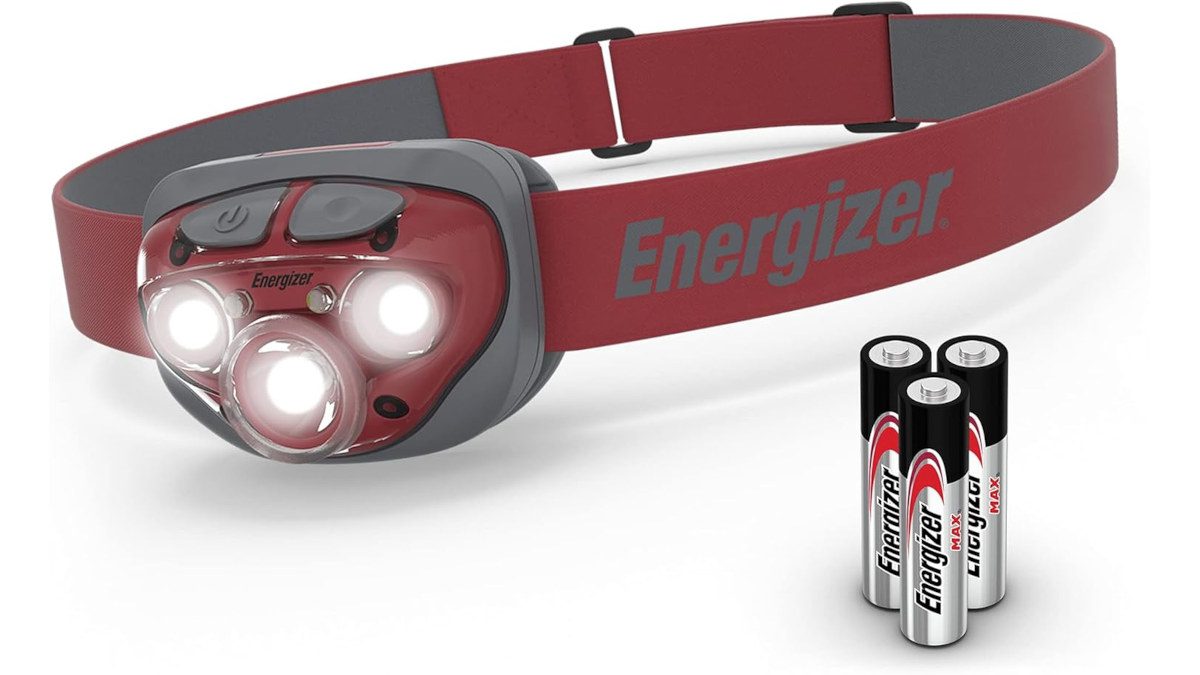
Energizer Vision HD+ Head Torch
Is this the most versatile head torch for your kit? Does it deliver what it promises? Does it have longevity?
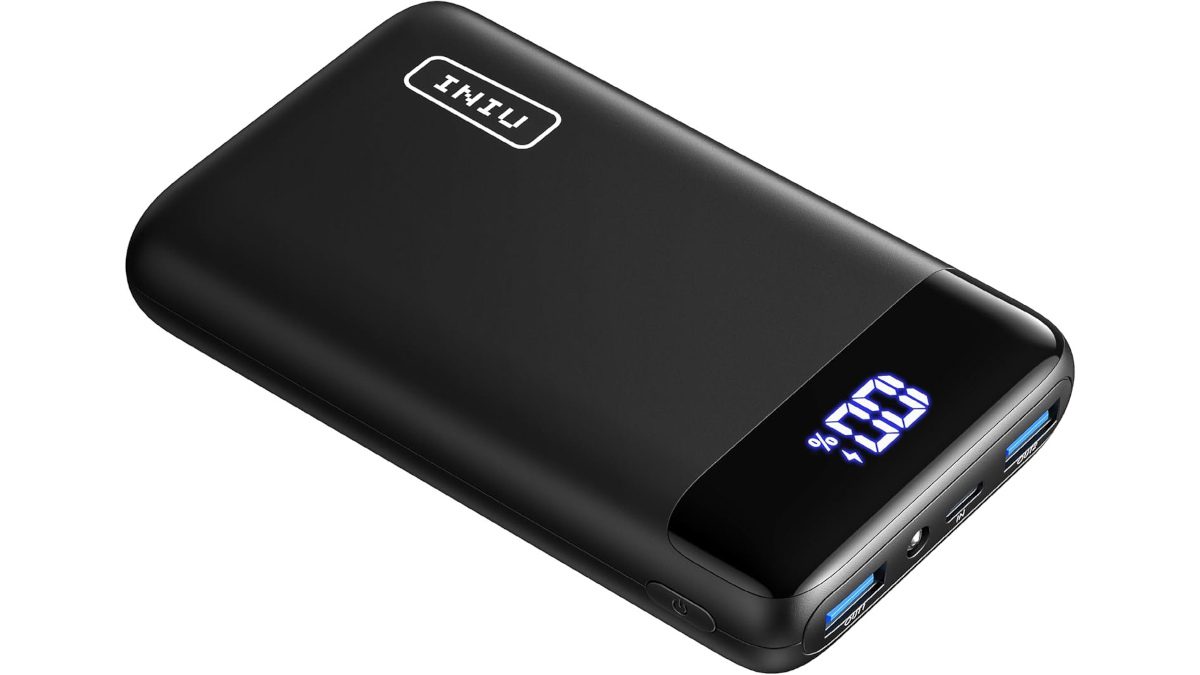
INIU 20,000mAh Power Bank
We tested it so you don’t have to — here’s the one thing most power banks get wrong, and why this one doesn’t.
Complete Guide
How to Make a Blackout Box
Most households aren’t prepared for even a short power cut, and the stress comes from small, avoidable problems like lack of light, heat, or a way to cook. This guide shows you exactly how to fix that with a simple, practical setup so a blackout becomes manageable rather than disruptive.
Read the Full Guide: How to Make a Blackout Box →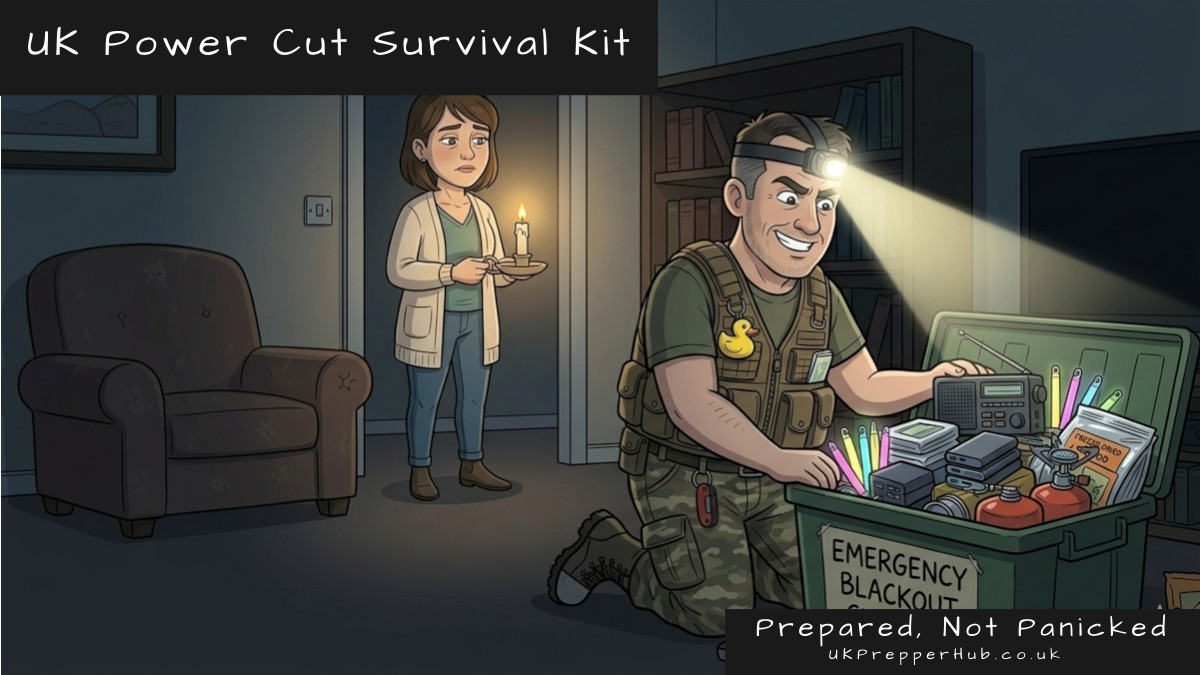
So should preppers bother with plug-in solar?
Yes — just for different reasons.
Resilience isn’t only about surviving a blackout. It’s also about reducing your exposure to rising energy costs and grid dependency during normal times. A plug-in solar panel won’t keep your lights on when the power goes out, but it will quietly chip away at your electricity bill every sunny day it’s running. That £100 a year is £100 that stays in your pocket — money you can put toward the kit that does work when the power goes down.
There’s also a longer-term angle. Pair a plug-in solar panel with a large portable battery station — the kind that can be charged from solar and used to run essentials during an outage — and you’ve got something genuinely useful for resilience. The solar panel tops up the battery during the day; the battery carries you through a power cut at night. That’s a more capable setup than either device alone, and it’s achievable without a full rooftop installation.
For now, the honest verdict: plug-in solar panels are worth watching. They’re not a prepping silver bullet, but they’re a cheap, simple, low-commitment way to start reducing grid dependency — and when prices drop as more retailers pile in, the case gets stronger.
When can you buy one?
The Government has said “within months” — and with Amazon, Currys, Argos, Lidl, and Iceland all reported to be preparing to stock them, that looks credible. EcoFlow, one of the leading manufacturers, has said it hopes UK customers will be using them this summer.
We’ll be reviewing one as soon as they’re available to buy in the UK.
A review for one of these products will be added here as soon as they are released and available for purchase. Check back.
📡 Find Us Everywhere
Daily briefings, prep guides, and real-time updates across every platform. Pick yours.
Free. No commitment. Stay anonymous on WhatsApp & Telegram.
Build Your Resilience
Further Reading: Related Guides
All our guides can be found listed on our resilience hub.
Gear We’ve Tested & Reviewed
All our reviews can be found on our reviews and resources page.
Stay Informed on UK Preparedness
Join our newsletter for UK-specific preparedness tips, product recommendations, and real-world advice for households.
Subscribe to Our Newsletter