
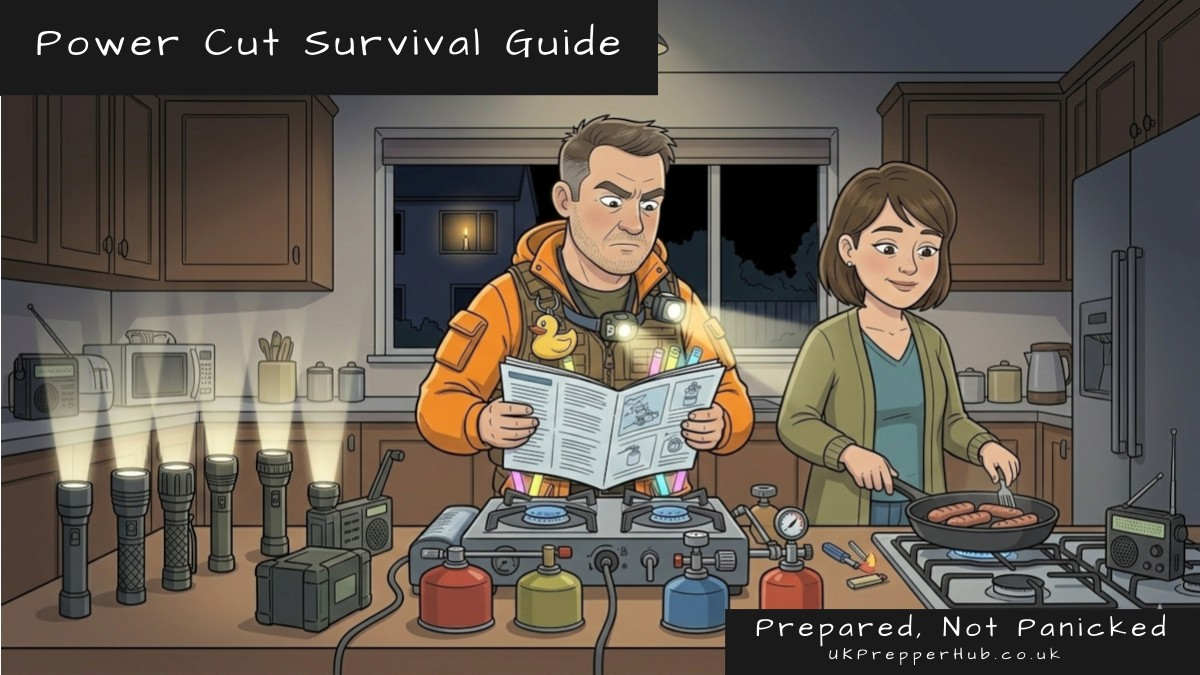
If you want to know how to prepare for a power cut, start with the boring truth: most UK power cuts are fixed within a few hours, and the households that cope best aren’t the ones with the most kit. They’re the ones who know where the torch is, have a charged power bank in the drawer, and already know which things in the house stop working when the electricity goes.
That last part catches people out. A power cut isn’t just the lights and the telly. The boiler stops, the electric shower stops, the electric gate stays shut, the cordless phone goes dead, and if your landline has moved over to digital, that goes too. So does any alarm pendant that runs through it.
This guide covers the lot: 12 steps to prepare for a power cut before it happens, what to do in a power cut in the first few minutes, keeping warm and fed, looking after vulnerable people and pets, and what to do when the power comes back on.
What a UK Power Cut Actually Looks Like
Most power cuts are local faults: a cable, a substation, a tree on an overhead line. They tend to be sorted within a few hours. The long ones come with storms. Storm Arwen in November 2021 cut power to around a million homes, and some rural households in the north of England and Scotland waited more than a week to be reconnected. If you live at the end of a long overhead line in the countryside, you are always near the back of the queue, so prepare for a power outage of days rather than hours.
There is also the national picture. The government has a plan for a full national blackout, and it assumes it would take days to bring the whole grid back. It’s unlikely, but it’s another reason to prepare for a power outage that lasts more than one night. See our Special Report “UK Government Blackout Plan: What Programme Yarrow Actually Says” first published on 28 August 2026.
You don’t need to plan for the end of the world. Good power cut preparation simply means an hour without power is a non-event, a night without power is uncomfortable but fine, and a week without power is hard work rather than a crisis.
How to Prepare for a Power Cut: 12 Essential Steps
None of this is expensive, and most of what it takes to prepare for a power cut can be done in an afternoon. Work through it once, then check it twice a year.
1. Put light where you can find it in the dark
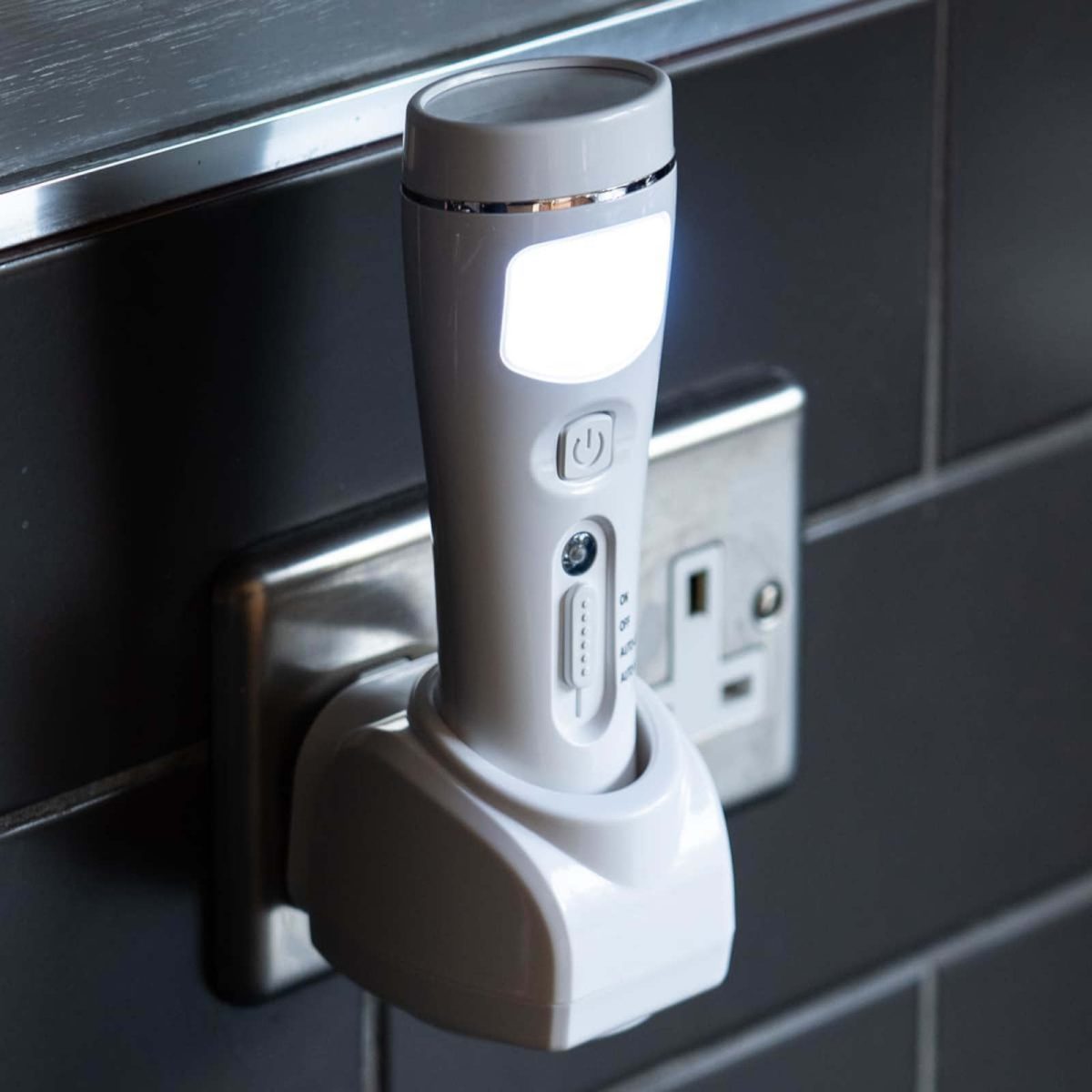
The first problem in any power cut is finding the torch, usually by feeling your way along a kitchen worktop. Keep a torch by the bed, one in the kitchen and one by the front door, always in the same place. A plug-in night light that switches itself on when the mains fails is even better: it turns the landing light on for you at the exact moment you need it.
XtraLite NiteSafe
The NiteSafe is a dual-function device that works as both a plug-in nightlight and an emergency torch. It sits in a standard UK plug socket, charges continuously, and the moment mains power fails, it automatically illuminates.
2. Keep your power banks charged
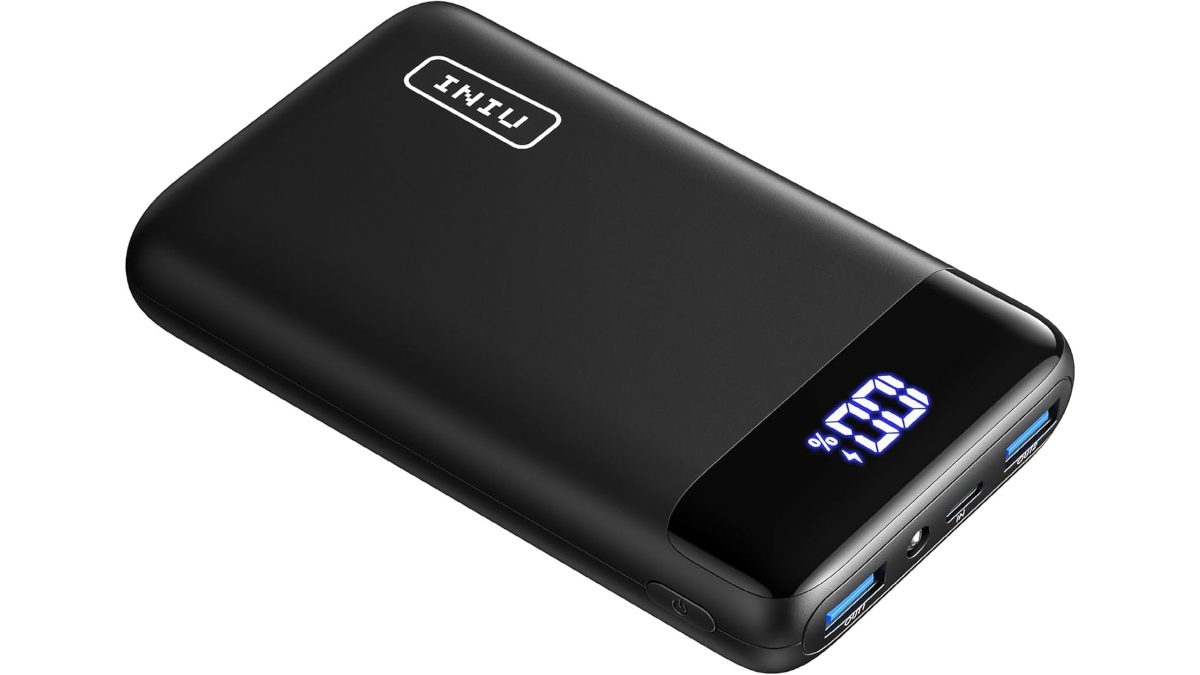
Your phone is your torch, your news source and your way of reporting the fault, and it will be on 30% when the lights go out. A charged power bank fixes that. Pick a day, the first of the month works, and top up every power bank in the house. A power bank that has sat in a drawer for six months is a paperweight.
INIU 20,000mAh Power Bank
We tested it so you don’t have to — here’s the one thing most power banks get wrong, and why this one doesn’t.
3. Have a radio that doesn’t need the mains
If the outage is big, local radio is where the updates come from, and it doesn’t care whether your phone has signal. A wind-up or rechargeable radio covers this, and most will charge a phone in a pinch.
FosPower Emergency Radio
Most emergency radios have one or two power options. The FosPower has four, and that redundancy is the single most important feature for preparedness use.

4. Check your home phone still works without power
This is the one most people haven’t thought about, and if anyone in your house relies on a landline it’s the most important way to prepare for a power cut on this list. The old copper landline carried its own power from the exchange, so a basic corded phone kept working in a power cut. That network is being switched off, with the move to digital landlines expected to finish by January 2027. A digital landline runs through your broadband router, and the government’s own guidance is blunt: digital phones and routers won’t work in a power cut without a backup battery, and telecare devices may not work either.
We saw what that means this month. In Great Broughton, North Yorkshire, seven homes lost their broadband after a cable was damaged, and for weeks some elderly residents’ internet-linked personal alarms stopped working, reported the Northern Echo. That was a cable fault, not a power cut, but the effect is identical: when the router goes off, so does anything that relies on it.
Mobile signal isn’t a guaranteed fallback either. Many mobile masts only have a short battery backup, so in a long power cut the signal can disappear too. What to do:
- If you or a relative rely on the landline, tell your phone provider. Ofcom’s guidance says providers should offer at least one way of reaching the emergency services for a minimum of one hour in a power cut, free for people who depend on their landline. That is usually a battery backup unit for the router.
- If you have a telecare alarm or pendant, ask the alarm provider what happens in a power cut. Does the base unit have its own battery, and does it fall back to a mobile SIM?
- Keep a charged mobile phone as your second way to call 999, even if you rarely use it.
- Remember cordless phones need mains power at the base station, even on an old copper line.
If you want to keep the broadband running for hours rather than an hour, a small portable power station will run a router, charge the phones and power a lamp.
Anker SOLIX C300X
Two proper plug sockets, 288Wh of long-life LiFePO4 and 80% recharged in 50 minutes: the essentials kept running through a power cut.
Our Full Review: Anker SOLIX C300X →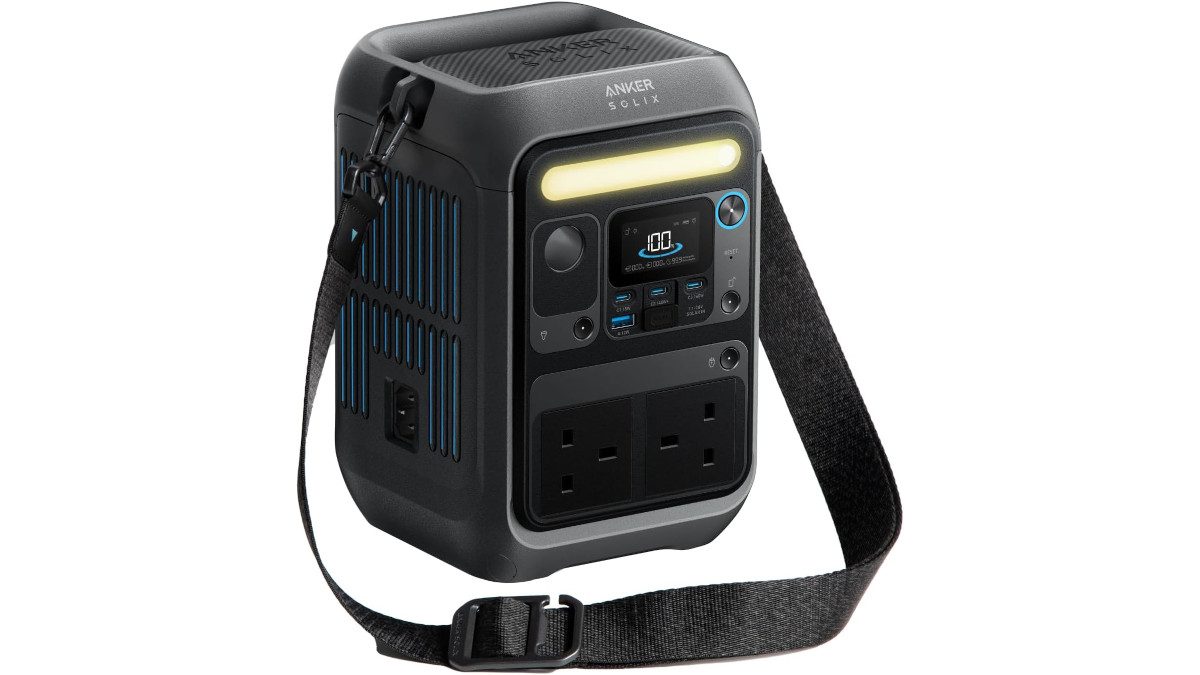
5. Join the Priority Services Register
The Priority Services Register is free and run by every energy supplier and network operator. If anyone in your house is elderly, disabled, has a long-term health condition, uses powered medical equipment or has a young baby, sign up. You get advance warning of planned power cuts and priority support during long ones. You can register through your electricity supplier or your network operator, and it takes five minutes. For a vulnerable household it’s the most useful bit of power cut preparation there is.
6. Save 105 and your network operator’s outage map
You don’t need to know who your network operator is. Ring 105 from any phone in England, Scotland or Wales and you’ll be put through to the right one. In Northern Ireland, contact NIE Networks. Save the number in your phone now, along with your network operator’s outage map: UK Power Networks, National Grid Electricity Distribution, Northern Powergrid, SSEN, SP Energy Networks or Electricity North West.
7. Find out what else in your home stops working
This is the part of power cut preparation most guides skip. Walk round the house and ask one question of everything: does this need the mains? The usual surprises:
- The gas boiler. The gas is fine, but the pump, controls and ignition all need electricity. No power, no heating, no hot water.
- The electric shower. Obvious once you think about it, less obvious at 7am.
- Garage doors and electric gates. Find out where the manual release is now, in daylight.
- Stairlifts, riser chairs, electric beds and pressure mattresses. Most have a battery that will finish the journey, but check how long it lasts.
- Private water supplies. If your water comes from a borehole or well, the pump stops. So does a septic tank pumping station.
- Sump pumps in cellars, which tend to fail during the same storm that’s flooding them.
- Medical equipment such as oxygen concentrators, CPAP machines and home dialysis.
- Fish tanks, incubators and reptile heat lamps.
- Card machines, cash points and petrol pumps in the area affected, which brings us to step 8.

🦆 Keith
Don’t Be Keith
Keith bought a petrol generator so he would never miss the telly in a power cut. First outage: he can’t get the Defender onto the drive because the electric gate won’t open, has no idea where the manual release key is, and spends the evening parked on the verge listening to the generator he can’t get to.
8. Keep some cash and fuel in reserve
In a wide outage, local card machines and cash points stop, and so do the pumps at the petrol station. Keep a small amount of cash at home in small notes, and get into the habit of filling up when the tank hits half rather than running it to the warning light. A car with fuel is also a phone charger, a warm place to sit and a way to get to family.
9. Fill the gaps in your freezer
A full freezer stays cold far longer than a half-empty one. Fill the gaps with plastic bottles of water about three-quarters full (they expand as they freeze). In a power cut they act as ice blocks, and if the water supply fails you have drinking water too.
While you’re at it, try the penny in a cup trick. Freeze a cup of water, put a 1p coin on top of the ice and leave it at the back of the freezer. If you come back after a storm and the coin is at the bottom of the cup, the freezer thawed out and refroze while you weren’t looking, however normal the food looks.
10. Have a way to cook without mains power
A gas hob usually still works in a power cut, but you may need to light it with a match or long lighter if the ignition is electric. Many gas ovens won’t work, because their controls need power. If your hob is electric, a camping gas stove is the backup. More on this in the food section below.
11. Plan how you’ll keep warm
Work out now which room you’d all retreat to: the smallest one with the fewest outside walls, ideally with curtains you can close. Know where the blankets, sleeping bags and thick socks are. The heating section below covers the detail.
12. Build a blackout box and check it twice a year
Put the essentials in one box, on one shelf, where everyone in the house knows to look: torches, a lantern, spare batteries, a charged power bank, a radio, a lighter, some snacks and a copy of your network operator’s number. Check it when the clocks change, in spring and autumn, so the batteries are fresh and the power banks are charged. The power cut checklist at the bottom of this page covers what goes in it.
Complete Guide
How to Make a Blackout Box
Most households aren’t prepared for even a short power cut, and the stress comes from small, avoidable problems like lack of light, heat, or a way to cook. This guide shows you exactly how to fix that with a simple, practical setup so a blackout becomes manageable rather than disruptive.
Read the Full Guide: How to Make a Blackout Box →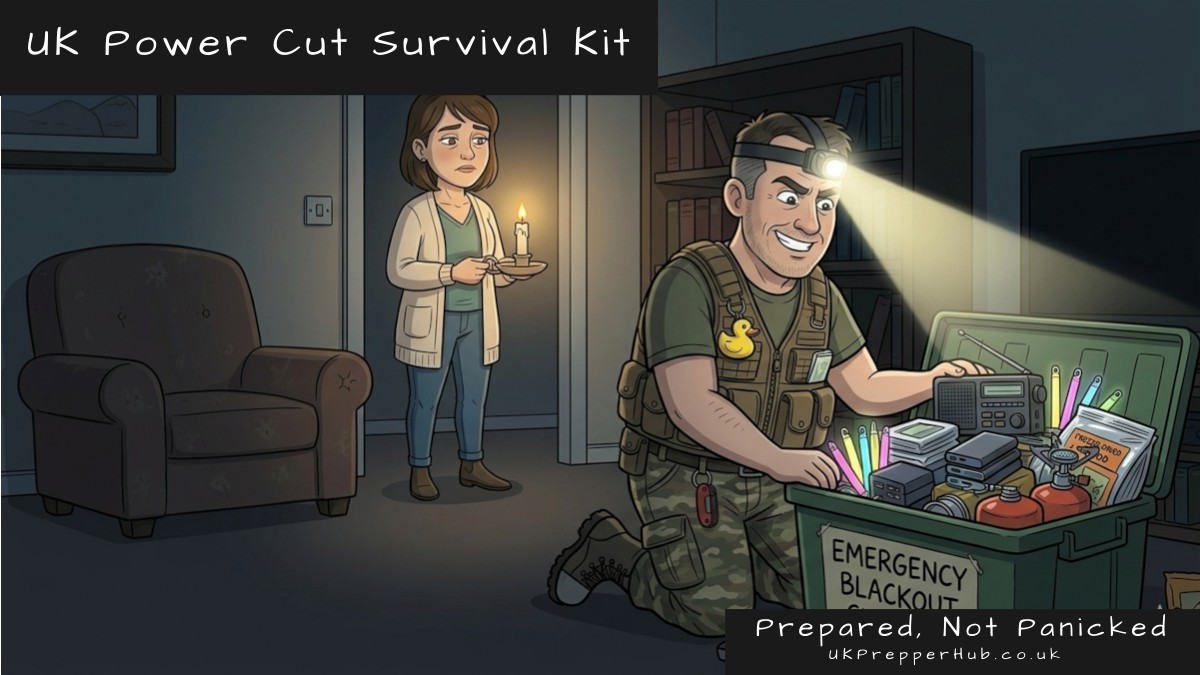
What to Do in a Power Cut: The First Few Minutes
When the power goes, most people’s instinct is to start opening fridges and flicking switches. Knowing what to do in a power cut before it happens stops that. Here’s the order:
- Check whether it’s just you. Look outside. If the street lights and the neighbours are on, the fault is in your house: check the fuse box (consumer unit) for a tripped switch. If the whole street is dark, it’s a network fault.
- Report it on 105. Even if you assume they know. It puts your address on the map and gets you updates on when the power should be back.
- Switch off anything that could start up on its own when the power returns: the hob, the oven, heaters, irons, hair straighteners. Leave one light switched on so you know when the power’s back.
- Keep the fridge and freezer shut. Every time the door opens, cold air you can’t replace falls out onto the floor.
- Check on anyone vulnerable, whether that’s someone in your house or the elderly neighbour across the road. Early, not after 12 hours.
If you’re out when it happens and your phone battery is low, put it into low power mode and save it for calls and checking the outage map rather than scrolling.
Lighting Without Candles
Getting light sorted comes first. Everything else, from finding the blankets to cooking tea, is easier when you can see what you’re doing.
Why candles are the wrong answer
Candles are the first thing most people think of when they prepare for a power cut, and fire services up and down the country spend every storm season asking them not to. Leaving the fire risk aside for a second, candles are simply poor light. A candle gives off roughly 12 lumens. A modest LED lantern gives 200 to 300, and a good one gives far more. You’d need dozens of candles to light a kitchen as well as one lantern does, and dozens of naked flames is exactly what the fire service is worried about.
Candle light is also low, flickering and full of shadows. Reading the fuse box labels, checking a child’s medicine dose or finding the stopcock all become guesswork. Cooking is worse: you need both hands and a steady light over the pan, and a candle beside a gas hob or camping stove is a second flame next to the first. You also can’t carry a candle up the stairs with a toddler on your hip, but you can wear a head torch.

🐔 Chicken Licken
Did You Know?
Nearly half of us (41% in an Energizer survey) say we’d reach for candles in a blackout, and candles started 940 house fires in England in a single year, the highest figure since at least 2010 (Home Office data, year to March 2022, via Zurich: https://www.zurich.co.uk/news-and-insight/safety-warning-over-winter-blackouts-as-energy-crisis-ignites-decade-long-high-in-candle-blazes). He’s been telling people torches not candles for years.
After Storm Eunice in 2022, Devon & Somerset Fire and Rescue reported a rise in dangerous near-misses in areas without power, including a resident asleep upstairs while candles burned unattended downstairs next to a gas fire. Their advice is the same as ours: torches and battery lights first. If you do end up using a candle, put it in a proper heat-proof holder, away from curtains and anything else that can catch, and blow it out before you leave the room.
What actually works
- A head torch is the most useful single light you can own for a power cut, because almost every job needs two hands.
- An LED lantern lights a whole room from a table or hung from a hook, which is what you want for cooking and sitting together.
- A clip-on reading light is an underrated extra for the bedside and close-up jobs, and much easier on the eyes than a head torch through a long evening.
- Battery puck or strip lights stuck inside cupboards and on the stairs give you semi-permanent light where you need it.
- Daylight is free. Open the curtains and do the fiddly jobs while it’s light.
Have a mix of rechargeable lights and some that take AA or AAA batteries, so you’re not stuck if the outage outlasts your charge.
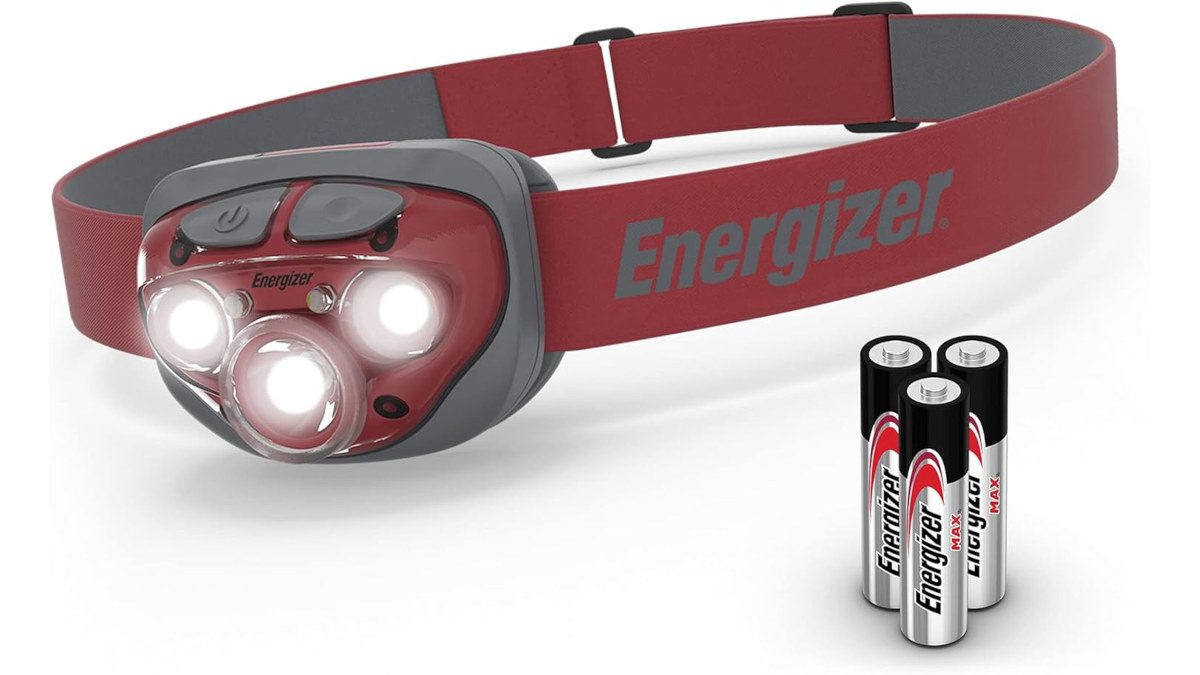
Energizer Vision HD+ Head Torch
Is this the most versatile head torch for your kit? Does it deliver what it promises? Does it have longevity?
Lepro 2000lm Rechargeable Camping Lantern
Charges by USB, then runs on AA batteries when the power’s been off too long. Up to 2,000 lumens, warm white and red modes, IPX4.
Our Full Review: Lepro 2000lm Rechargeable Camping Lantern →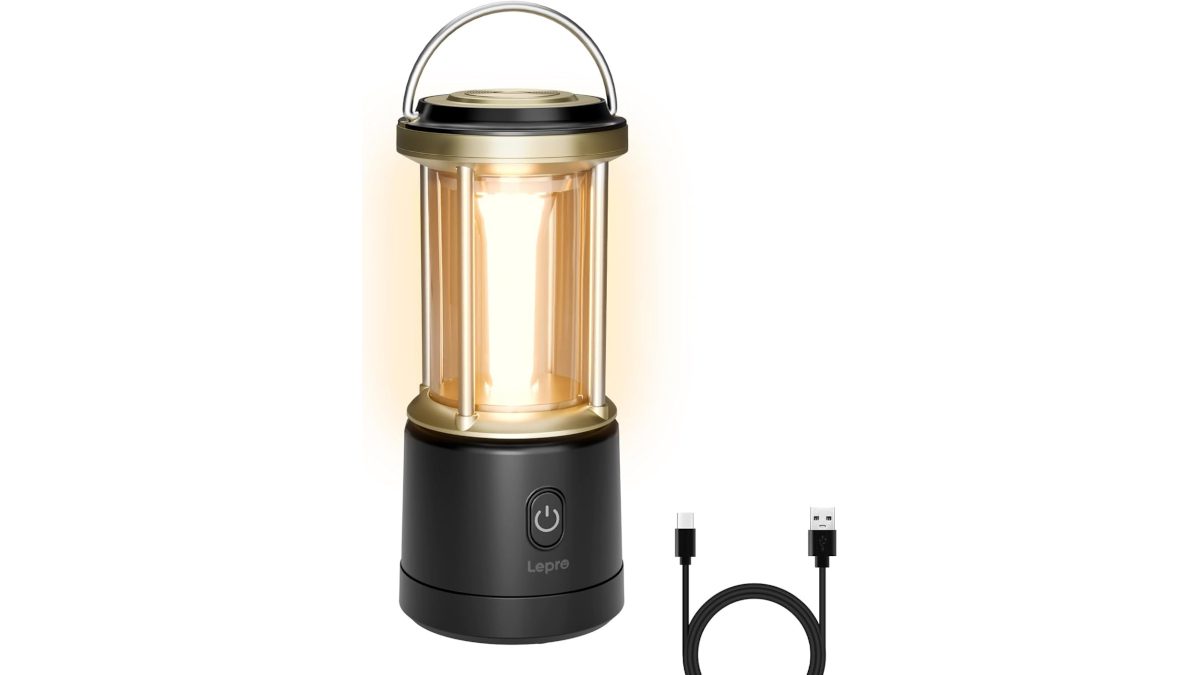
Gritin Book Light
A clip-on reading light with soft, dial-in brightness and colour, up to 160 hours on low and a torch in the base: the power cut light hiding in plain sight.
Our Full Review: Gritin Book Light →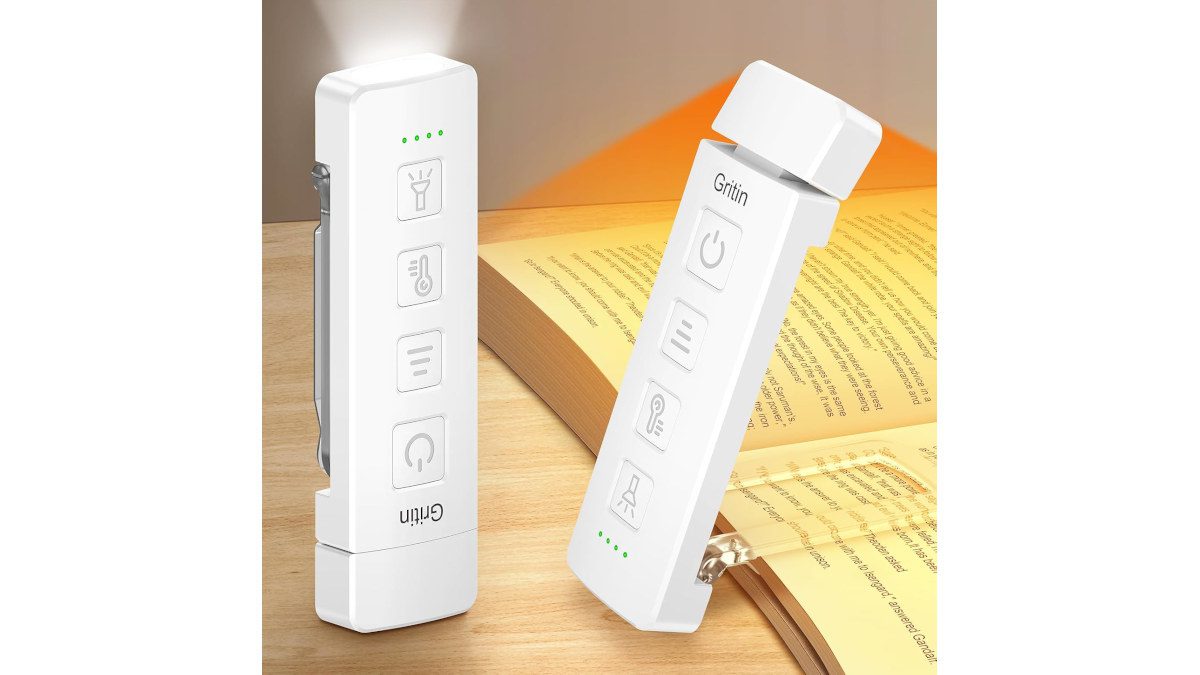
Keeping Warm When the Heating Goes Off
In winter, warmth becomes the priority within a few hours. Most houses lose heat slowly at first, then faster once the walls have cooled.
Heat the person, not the room
Trying to keep a whole house warm without power is a losing battle. Put the effort into the people instead. Layer up before you feel cold: a thermal base layer, a jumper, thick socks and a hat indoors. Get everyone into one room, shut the door, close the curtains and use blankets, sleeping bags or a self-heating throw.
Silentnight Heat Genie Self Heating Giant Blanket
If you’re looking for a simple way to stay warm without turning the heating up, this is a low-cost option with zero running costs. It’s especially worth considering for cold homes, power cuts, or anyone wanting extra warmth without relying on electricity.
Our Full Review: Silentnight Heat Genie Self Heating Giant Blanket →
Disposable hand warmers do the same job on a smaller scale: nothing to charge, and hours of warmth inside a pocket or glove.
HotHands Hand Warmers
No batteries, no charging, nothing to go flat: open the packet and get up to 10 hours of heat, wherever the power cut or breakdown catches you.
Our Full Review: HotHands Hand Warmers →
What to avoid
- Gas barbecues, camping stoves or patio heaters used indoors for warmth. They produce carbon monoxide. After Storm Eunice, firefighters were called to a home where someone had used a gas barbecue indoors for heat and hot food. A CO alarm got them out.
- Leaving the gas oven door open to heat the kitchen. It doesn’t work well and it isn’t safe.
- Sleeping in a room with a gas or paraffin heater running. Ever.
If you rely on a portable gas heater, keep it at least a metre from people and furniture, keep a window open a crack and make sure it has an oxygen depletion sensor. Every home should have a carbon monoxide alarm, and in a power cut you want one that runs on its own sealed battery rather than the mains.
FireAngel Combination Smoke and Carbon Monoxide Alarm
One sealed unit covering smoke and CO detection — with a 10-year battery that keeps it running during a power cut, when emergency stoves and heaters are out and a mains-wired alarm would already have gone dark.
Our Full Review: FireAngel Combination Smoke and Carbon Monoxide Alarm →
Food, Fridges and Freezers in a Power Cut
The Food Standards Agency’s power cut advice is the figure to remember: a closed fridge stays cold for up to 4 hours, a full freezer stays frozen for up to 48 hours, and a half-full one for around 24 hours. A power cut under 4 hours is unlikely to affect your food at all, as long as the doors stay shut.
Fridge rules
- Decide what you need before you open the door, then get it all out in one go.
- Chilled food is fine below 8°C. Once the fridge reaches 8°C or above, eat the chilled food within 4 hours or throw it away. A cheap fridge thermometer stops the guessing.
- Eat in order: chilled food first, then defrosted food that doesn’t need cooking, then anything else perishable, and save the tins and dried food until last.
- If you have more chilled food than you can eat in time, share it with the neighbours while it’s still safe.
Freezer rules
- Keep it shut until the power comes back.
- Food that still has ice crystals in it can generally go back in the freezer.
- Food that has fully thawed should be cooked and eaten straight away, or thrown away. Don’t refreeze it raw.
- Check the penny in the cup (step 9). If it has sunk to the bottom, don’t trust anything in there.
Cooking
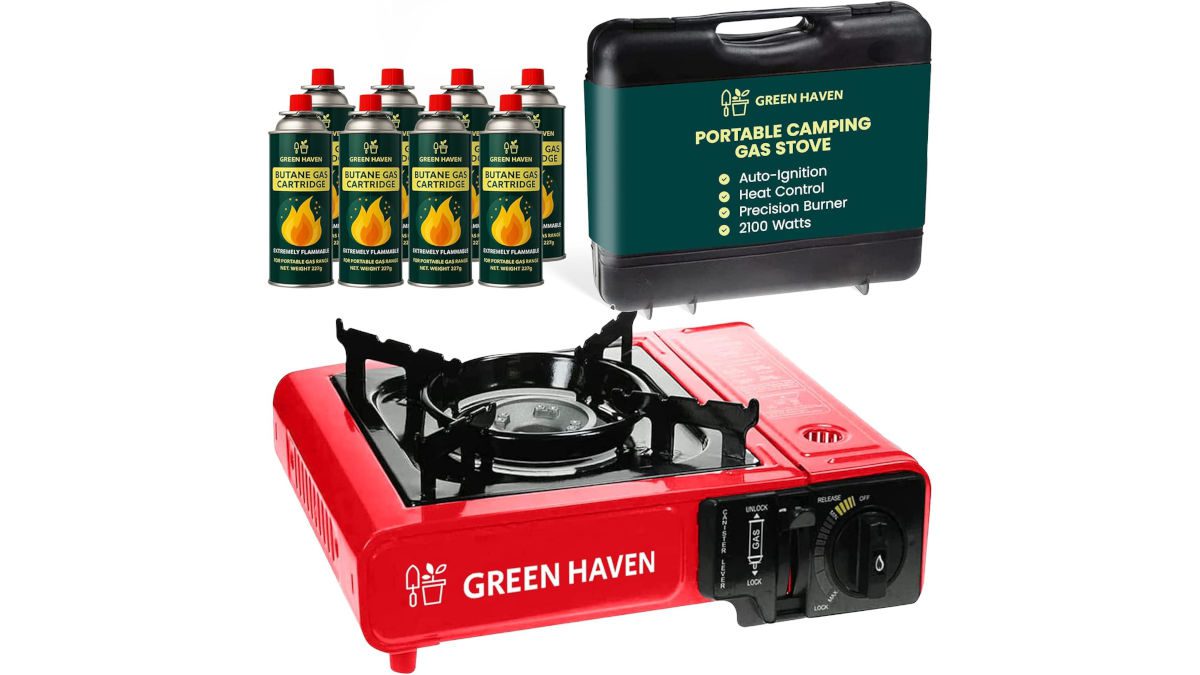
A gas hob is the easiest option if you have one. If yours is electric, a single-burner camping gas stove is the standard backup, used outdoors or right by an open window, never in a closed room. Shelf-stable food that needs little or no cooking, such as tins, oats, crackers and peanut butter, takes the pressure off. If you have a baby on formula, you need a way to boil water, or keep some ready-to-use formula in the cupboard.
Portable Gas Stove with Carry Case & 8 Butane Cartridges
Boils the kettle and cooks a proper meal on top of your hob when the power goes, with no electricity at all.
Water, Toilets and Hygiene
Most mains water keeps flowing in a power cut, because it doesn’t rely on your electricity. In a long or widespread outage, pumping stations can struggle and pressure can drop, and if your water comes from a private supply with an electric pump, it stops as soon as the power does. If that’s you, prepare for a power outage by storing more water than most.
- Keep some bottled water at home: around 3 litres per person per day, for at least three days. Our emergency water storage guide covers how.
- If your water company issues a boil notice, boil all water for drinking, brushing teeth and preparing food. A camping stove will do it.
- No pressure? A bucket of water poured quickly into the bowl will flush the toilet. Our emergency sanitation guide covers what to do if there’s no water at all.
- Wet wipes, hand sanitiser and dry shampoo get you a long way when there’s no hot water.
Thetford Porta Potti
One of the most-reviewed portable toilets on Amazon UK: self-contained sanitation that needs no mains, no electricity and no plumber when the flood hits.
Our Full Review: Thetford Porta Potti →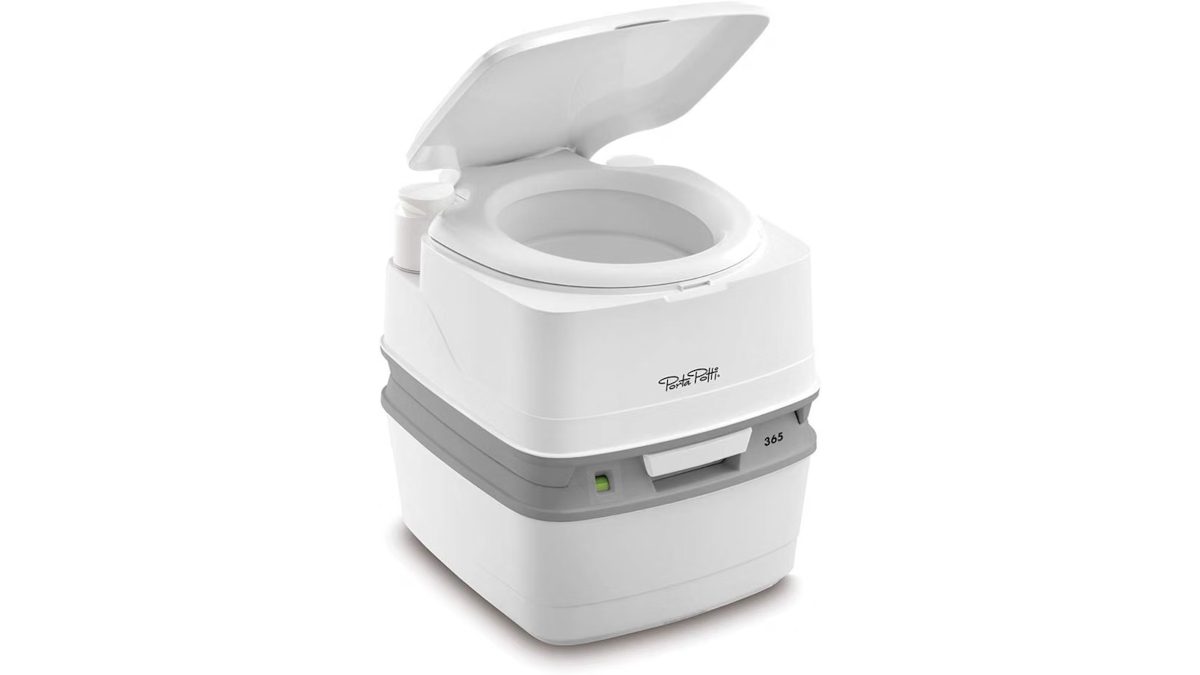
Medication, Vulnerable People and Pets
Medication
If anyone in the house takes medicine that lives in the fridge, insulin being the obvious one, plan for it when you prepare for a power cut, not during one. Unopened insulin is stored in the fridge at 2 to 8°C. The pen or vial you’re currently using is usually fine at room temperature for around four weeks, but check the leaflet for your specific medicine and ask your pharmacist if you’re unsure. A cooling wallet keeps medicine cool without power or ice.
More generally, try not to run your prescriptions down to the last few days. A week’s spare supply turns a long outage from a worry into a non-issue.
FRIO Insulin Cooling Wallet
Keeps insulin at safe temperature for 45 hours using only water — no electricity, no ice, no power required. Tested by the British Medication Devices Evaluation Unit and recommended by UK hospitals.
Our Full Review: FRIO Insulin Cooling Wallet →
Elderly and vulnerable people
Cold is the real danger in a winter power cut, and older people feel it later and suffer from it sooner. Check on elderly neighbours and relatives early. Helping an older relative prepare for a power cut is mostly three things: make sure they’re on the Priority Services Register, have a torch they can reach from bed, and have a phone that will still work when the power is off (see step 4).
Babies and young children
Babies lose heat quickly. The Lullaby Trust recommends a room temperature of 16 to 20°C for a sleeping baby. Dress them in layers and use a baby sleeping bag. If the house drops well below that and the power isn’t coming back soon, go somewhere warm: family, friends or a council warm space.
Pets
When you prepare for a power cut, include the animals.

🐾 Weekend Warrior
Pet Tip
When the power cuts and the temperature drops, Pickle gets cold fast — small dogs lose heat quicker than big ones, so she has her own emergency layering protocol and a fleece-lined crate set up before the weather turns
- Small and short-haired animals feel the cold before you do. A blanket or dog coat does the same job as your extra jumper. Our animals in extreme weather guide has more.
- Fish tanks lose heat and oxygen within hours. A battery-powered air pump and a blanket wrapped round the tank buy you time.
- Keep some pet food with your emergency supplies. The shop may be shut, or dark.
When the Power Comes Back On
It’s tempting to switch everything back on at once. Don’t.
- The one light rule. Leave that one light on. When it comes back and stays steady, give it 10 minutes before switching other things back on, a few at a time.
- The boiler. Many boilers need a reset after a power cut. Check the manual, or the manufacturer’s website, before you call anyone out.
- The freezer. Check the penny in the cup, then go through the freezer rules above. If in doubt, throw it out.
- The pipes. If the heating was off for hours in freezing weather, open the cupboards under the sinks and check for bulges or leaks before the ice thaws. Our how to unfreeze pipes guide covers what to do if you find a frozen one.
- Recharge everything. Power banks, torches, radios, the lot, while you can. The next cut won’t wait for you.
- Reset the clocks, the alarms and anything with a timer, including the heating programme.
If the power was off for a long time, you may be owed money. Under Ofgem’s rules, households get £100 if a power cut in normal weather lasts more than 12 hours, plus £45 for every extra 12 hours (2026 figures, which go up with inflation). Different amounts apply in severe storms. Some network operators pay automatically; otherwise claim from your network operator, not your energy supplier.
Finally, write down what you missed. Every power cut is a free test of your power cut preparation, and whatever you were scrabbling around for in the dark is the next thing to add to your power cut checklist.
Your Power Cut Checklist
If you’d rather have it on paper, here is the short version of how to prepare for a power cut:
- A torch by the bed, in the kitchen and by the front door, plus a head torch and a lantern
- Power banks charged on the first of every month
- A wind-up or rechargeable radio
- A phone that works without mains power, and a battery backup for the router if you rely on the landline
- Everyone vulnerable on the Priority Services Register
- 105 and your network operator’s outage map saved in your phone
- Know how to open the garage and the gate by hand
- Some cash at home and at least half a tank of fuel
- Freezer gaps filled with water bottles, and a penny in a cup
- A way to cook without mains power, and fuel for it
- Blankets, sleeping bags and a warm room picked out
- A carbon monoxide alarm with its own battery
- Everything in a blackout box, checked when the clocks change
📋 Calm Clarissa
I’ve turned this guide into a printable power cut checklist: lighting, power, warmth, food, water and safety, the people and pets who need looking after, and what to do when the power goes and when it comes back. Free to download, obviously.
Download the Free Checklist →Frequently Asked Questions
How do I prepare for a power cut?
Keep torches where you can find them in the dark, keep a power bank charged, have a radio that doesn’t need the mains and make sure your home phone works without power. Join the Priority Services Register if anyone in the house is vulnerable, save 105 in your phone, and keep it all in one blackout box that you check twice a year.
What should I do in a power cut?
Here’s what to do in a power cut: check whether it’s just your house by looking at the street lights and neighbours. If it’s only you, check the fuse box. If it’s the whole street, report it on 105. Switch off anything that could come back on by itself, keep the fridge and freezer shut and check on anyone vulnerable.
How long do UK power cuts usually last?
Most are fixed within a few hours. Long outages of a day or more are usually caused by storms, and rural homes on overhead lines tend to wait longest.
Will my landline work in a power cut?
An old copper landline with a corded phone usually will. A digital landline will not, because it runs through your broadband router, unless you have a battery backup. If you rely on your landline, ask your provider about a battery backup unit.
Will my gas boiler work in a power cut?
Almost certainly not. The gas still flows, but the boiler’s pump, controls and ignition need electricity. You may need to reset the boiler when the power returns.
How long will food stay safe in the freezer during a power cut?
Up to 48 hours in a full freezer and around 24 hours in a half-full one, as long as you keep the door shut. A fridge stays cold for up to 4 hours.
Can I use a gas camping stove indoors in a power cut?
Only for cooking, and only next to an open window. Never use one, or a barbecue or patio heater, to heat a room, because they produce carbon monoxide.
How do I prepare for a power outage that lasts several days?
Everything in a normal blackout box, plus more of it: enough water for three days or more, food that needs little or no cooking, fuel for a camping stove, a way to keep warm in one room and a way to recharge phones, such as a portable power station or the car. Rural homes on overhead lines should plan for this as standard.
Is there a printable power cut checklist?
Yes. Clarissa’s free power cut checklist covers lighting, power, warmth, food, water and safety, the people and pets who need looking after, and what to do when the power goes and when it comes back. Download it from the box above.
Do I get compensation for a power cut?
Often, yes. In normal weather, households get £100 if a power cut lasts more than 12 hours, plus £45 for every extra 12 hours (2026 figures). Claim from your network operator.
Build Your Resilience
Further Reading: Related Guides
- Make a Blackout Box
- Emergency Lighting Guide
- Power Bank for Power Cuts
- Portable Power Stations for Power Cuts
- Heating Without Electricity
- Keep Warm Without Heating
- Cooking Without Electricity
- Emergency Radio Guide
- Managing Essential Medication
- Emergency Preparedness with a Baby
- Home Emergency Kit
All our guides can be found listed on our resilience hub.
Gear We've Tested & Reviewed
- Energizer Vision HD+ Head Torch Review
- Lepro 2000lm Rechargeable Camping Lantern Review
- Gritin Book Light Review
- XtraLite NiteSafe Review
- Lepro Power Cut Torch Review
- INIU Power Bank Review
- Anker SOLIX C300X Review
- FosPower Emergency Radio Review
- Silentnight Heat Genie Review
- HotHands Hand Warmers Review
- Portable Camping Gas Stove Review
- FireAngel SCB10-R Smoke and CO Alarm Review
- FRIO Insulin Cooling Wallet Review
- Thetford Porta Potti 365 Review
All our reviews can be found on our reviews and resources page.