
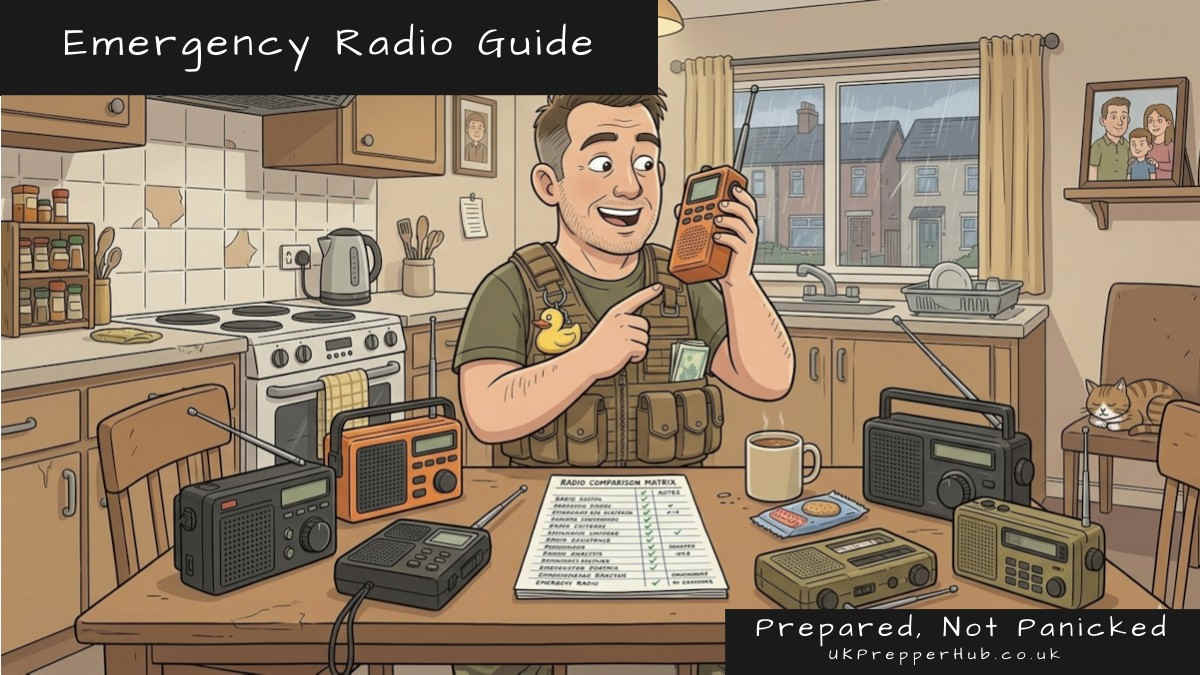
Your phone can do almost everything — until it can’t. In a serious power cut, your mobile signal may fail along with the grid. Even if the signal holds, the battery will eventually die. And when it does, you lose your connection to emergency information at exactly the moment you need it most.
A battery-powered emergency radio doesn’t care whether the internet is working. It doesn’t need a signal tower that’s also on the same failing grid. It picks up BBC broadcasts transmitted from sites with generator backup — and it keeps working as long as you have batteries.
This guide covers what to look for, which frequencies actually matter in a UK emergency, and how to make sure yours works when you need it.
Why a Dedicated Radio — Not Just Your Phone
The UK Emergency Alert system sends messages directly to your mobile phone — which sounds ideal until you realise it relies on the mobile network, which relies on masts, which rely on power. During a widespread power cut, mobile coverage degrades within hours as backup batteries at masts drain down. Networks prioritise emergency services; civilian calls and data are deprioritised or drop entirely.
Radio transmitters — particularly the BBC’s major transmission sites — are equipped with substantial backup power. For decades BBC Radio 4 Long Wave 198kHz was treated as the UK’s broadcast continuity backbone, broadcast from a single high-powered transmitter at Droitwich, Worcestershire. The BBC switched it off permanently at 01:00 BST on 27 June 2026, ending nearly 102 years of long wave broadcasting. BBC Radio 4 on FM, backed by the BBC’s own transmitter network, is now the frequency to rely on.
A dedicated radio also means your phone battery is preserved for communication and torch use — not burned down listening to broadcasts.
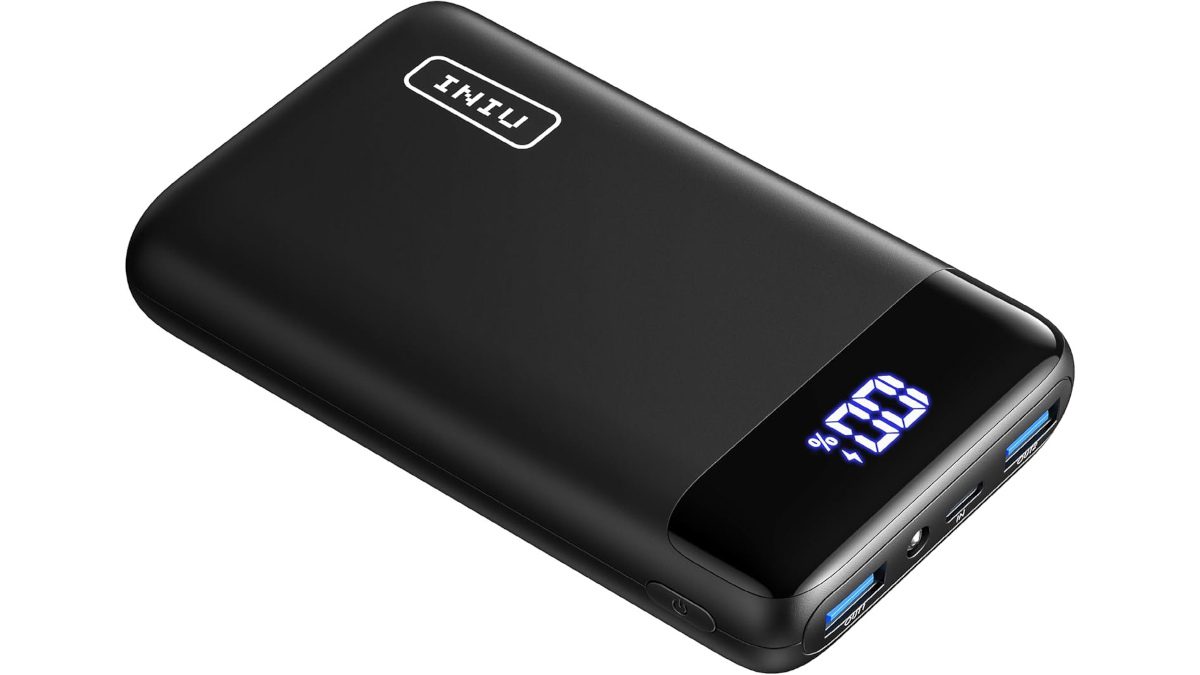
INIU 20,000mAh Power Bank
We tested it so you don’t have to — here’s the one thing most power banks get wrong, and why this one doesn’t.
The UK Emergency Broadcast System
Unlike the US, the UK does not have a single unified emergency alert radio system. Instead, emergency information reaches households through a combination of channels — and understanding which ones actually work in a crisis matters.
BBC Radio 4 Long Wave — Switched Off June 2026
For years this was the fallback of last resort for UK households. The BBC permanently switched off Radio 4 Long Wave at 01:00 BST on 27 June 2026, so 198kHz now carries nothing, even if it is still saved as a preset on an older radio. Use BBC Radio 4 on FM and your local BBC radio station instead.
BBC Radio 4 FM — 92–95MHz
BBC Radio 4 FM transmitters also have backup power, making this a reliable option during most power cuts. This is the frequency most people know and the one most radios receive without any adjustment.
BBC Local Radio
For regional incidents — flooding, severe weather, local evacuations — BBC local radio stations broadcast area-specific information that national stations will not cover in detail. Find your local BBC station frequency and note it down. During a major incident, this is often more immediately useful than national broadcasts.
The UK Emergency Alert System — Its Limitations
The UK Emergency Alert system, introduced in 2023, broadcasts directly to mobile phones via cell towers — no app or data connection required. It is a useful tool, but it has a critical vulnerability: it depends on the same mobile network infrastructure that a major power cut or disaster can take down. It is a supplement to radio, not a replacement for it.
What to Look for in an Emergency Radio
Not all radios are suitable for emergency use. A mains-only kitchen radio is useless the moment the power fails. Here is what actually matters.

🤡 Camping Clown
He Has The £4,000 Version
He already owns a short-wave Grundig with a seven-foot aerial but can’t find a signal when needed, while a £30 wind-up does exactly the same job
Multiple Power Sources — Non-Negotiable
The single most important feature. An emergency radio should be able to run on at least three independent power sources:
- USB charging — primary method under normal conditions; charge from a power bank or mains
- Replaceable batteries — AA or AAA batteries are available everywhere, last years in storage, and can be swapped instantly. This is your most reliable emergency fallback.
- Hand crank — generates power manually; slow but genuinely useful when everything else is exhausted
- Solar panel — useful supplementary charging in daylight; not a primary source
Why Replaceable Batteries Matter
Rechargeable internal batteries degrade over time — a radio that sat unused for two years may have a dead internal battery when you need it. Replaceable AA or AAA batteries have a shelf life of 5–10 years in storage. Keep a fresh set alongside your radio and you have a guaranteed power source regardless of how long the device has been sitting in your Blackout Box.
For a full rundown on battery types, storage, shelf life, and the accessories worth having alongside them — including AA-to-AAA converters and multi-format organisers — see our Power Bank & Battery Guide.
Complete Guide
Rechargeable vs Alkaline Batteries
Rechargeable batteries seem like the sensible choice — until you can’t charge them. This guide makes the case for alkaline AA and AAA as the backbone of any emergency kit.
Read the Full Guide: Rechargeable vs Alkaline Batteries →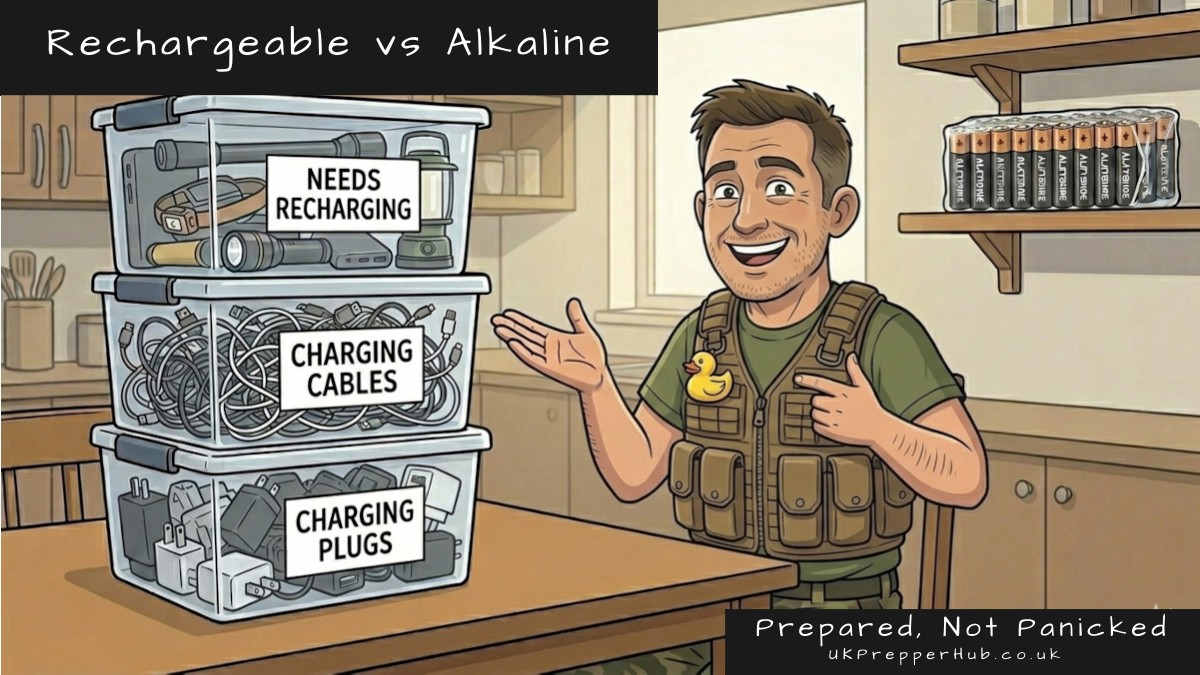
Frequency Coverage
- AM and FM — the minimum. Every emergency radio should cover both.
- Long Wave — no longer needed. BBC Radio 4 Long Wave was switched off in June 2026, so don’t pay extra for it.
- DAB — nice-to-have, not a necessity for emergency use. See the section below on why.
Built-in Torch
During a power cut you will want both a radio and a light source. A radio with a built-in LED torch means one fewer device to locate in the dark. A dedicated head torch remains worth having for hands-free use — but the radio torch is a useful backup.
USB Charging Output
Some emergency radios include a USB output to charge other devices — useful for topping up a phone when your power bank is depleted. Not essential, but worth having if the option is available at the price point you are considering.
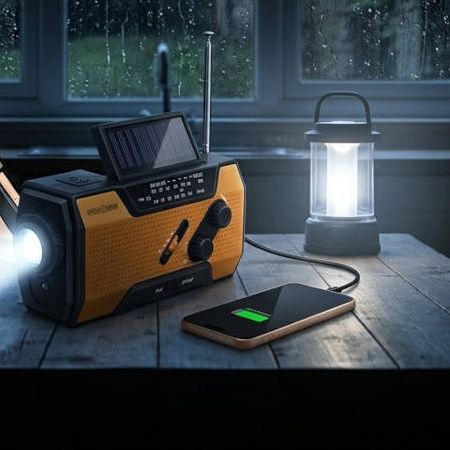
FosPower Emergency Radio
Most emergency radios have one or two power options. The FosPower has four, and that redundancy is the single most important feature for preparedness use.
AM vs FM vs DAB vs Long Wave — What Actually Matters
FM — 87.5 to 108MHz
The standard for most UK radio listening. Good audio quality, wide coverage, and your BBC local station will be here. FM transmitters have backup power, making this a solid emergency option. Most radios receive FM well without an extended aerial.
AM — Medium Wave, 531 to 1602kHz
Longer range than FM, particularly at night when AM signals can travel hundreds of miles. Less commonly used in everyday life, but a useful backup for picking up broadcasts when local FM transmitters are offline or you are outside the normal coverage area.
Long Wave — No Longer Used by the BBC
BBC Radio 4 used to broadcast on Long Wave 198kHz from a single high-power transmitter at Droitwich, with a range that covered the whole UK and much of Europe. The BBC switched it off permanently on 27 June 2026, after nearly 102 years. FM is now the band that matters for Radio 4 in an emergency.
DAB — Digital Audio Broadcasting
Better sound quality than FM and home to many stations not available on analogue. However, DAB has two significant disadvantages for emergency use:
- Higher power consumption — DAB processing uses considerably more power than AM or FM reception. In battery mode you will get through your batteries significantly faster on DAB than on FM. In an emergency, battery life matters more than audio quality.
- More points of failure — DAB relies on a denser network of lower-power transmitters than FM or AM. More transmitters means more potential points of failure in a widespread emergency.
DAB is fine for everyday use. In an emergency, switch to FM and preserve your battery.
Storing and Maintaining Your Emergency Radio
An emergency radio you cannot find — or that has a flat battery — is no use at all. Four simple habits make all the difference:
- Keep it in your Blackout Box — alongside your torch, power bank, and spare batteries. One location, everything together.
- Test it monthly — switch it on, confirm it receives BBC Radio 4, confirm the torch works. Two minutes.
- Remove batteries for long-term storage — batteries left inside devices can corrode and damage contacts. Keep a fresh set alongside the radio and insert them when needed.
- Know your frequencies — write BBC Radio 4 FM (92–95MHz depending on region) and your local BBC station frequency on a small card stored with the radio. You should not be hunting for frequencies in the dark.
Complete Guide
How to Make a Blackout Box
Most households aren’t prepared for even a short power cut, and the stress comes from small, avoidable problems like lack of light, heat, or a way to cook. This guide shows you exactly how to fix that with a simple, practical setup so a blackout becomes manageable rather than disruptive.
Read the Full Guide: How to Make a Blackout Box →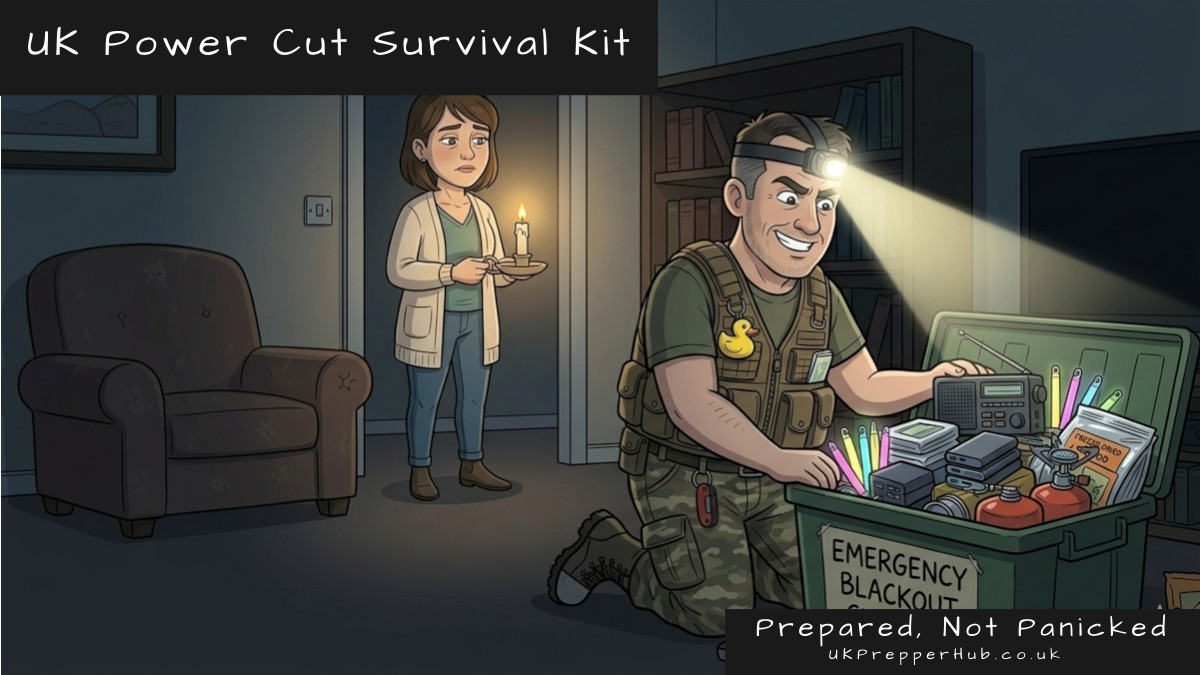
Frequently Asked Questions
Do FM radio stations stay on air during a power cut?
Yes, in most cases. BBC FM transmitters are equipped with backup generator power. In a typical power cut, BBC Radio 4 FM will remain on air. Local commercial stations may go off air sooner depending on their own backup arrangements, which is why BBC stations are the reliable choice.
Do I need DAB for emergency use?
No. FM covers everything you need, with BBC Radio 4 on 92 to 95MHz depending on your region. DAB sounds better but uses more battery power. In an emergency, switch to FM.
What frequency is BBC Radio 4 in an emergency?
BBC Radio 4 broadcasts on FM between 92 and 95MHz depending on your region. It used to be on Long Wave 198kHz as well, but the BBC switched that off permanently on 27 June 2026. Write down your local Radio 4 FM frequency and your local BBC radio station frequency before you need them.
Can’t I just use my phone for emergency information?
Your phone depends on the mobile network, which depends on power. During a widespread power cut, mobile coverage degrades as mast backup batteries drain — typically within a few hours. A battery radio works independently of the mobile network and the internet entirely.
How long will batteries last in an emergency radio?
It depends on the radio and the frequency selected. On FM or AM, a good emergency radio will run for 8–15 hours on a fresh set of AA batteries. On DAB, expect significantly less — sometimes half that. Use FM in an emergency to maximise battery life.
Should I keep batteries inside the radio when storing it?
No. Remove batteries for long-term storage. Batteries left inside devices can corrode and damage the contacts over time. Keep a fresh set alongside the radio in your Blackout Box and insert them when you need the radio.
Build Your Resilience
Further Reading: Related Guides
- How to Prepare for a Power Cut
- Blackout Box Guide
- 72-Hour Grab Bag Checklist
- Rechargeable vs Alkaline Batteries
- Power Bank for Power Cuts
All our guides can be found listed on our resilience hub.
Gear We’ve Tested & Reviewed
All our reviews can be found on our reviews and resources page.