
In early October 2026 a laboratory worker at a plague research institute in Siberia died of pneumonia, and within days “pneumonic plague” was doing the rounds on social media. Some of what’s being shared is accurate. A fair bit of it isn’t.
This report covers what pneumonic plague actually is, how it spreads, how it’s treated, and where it still turns up in the world. Further down there’s a section on the Siberia case containing only what has been confirmed by more than one reliable source, and we’ll keep it updated as more comes out.
What is pneumonic plague?
Plague is caused by a bacterium called Yersinia pestis. It comes in three main forms, depending on where in the body the infection takes hold:
- Bubonic plague is the most common. It’s usually caught from the bite of an infected flea and causes painful, swollen lymph nodes (the “buboes” the name comes from).
- Septicaemic plague is when the infection gets into the bloodstream.
- Pneumonic plague is when the infection is in the lungs. It can be caught directly by breathing in infected droplets, or it can develop when bubonic or septicaemic plague spreads to the lungs.
Pneumonic plague is the least common form but the most serious, and the only one that passes from person to person.
How is plague spread?
- Bubonic and septicaemic plague spread mainly through bites from fleas that have fed on infected rodents, or through handling an infected animal. They don’t normally pass between people.
- Pneumonic plague spreads through droplets from the lungs when an infected person coughs, usually during close, face-to-face contact. It doesn’t travel the way flu or COVID does. Transmission generally needs close contact with someone who is already ill, which is why most cases in an outbreak are family members, carers and health workers.
Pneumonic plague symptoms
According to the World Health Organization, plague symptoms usually appear between one and seven days after infection, and for pneumonic plague it can be as short as 24 hours. They come on suddenly:
- high fever and chills
- headache, weakness and body aches
- then signs of pneumonia: cough, chest pain, shortness of breath, sometimes bloody or watery mucus
It moves fast. Left untreated, pneumonic plague can kill within 18 to 24 hours of the illness starting.
Pneumonic plague treatment
Plague is a bacterial infection, and common antibiotics work against it. The key is speed: the WHO says recovery rates for pneumonic plague are high if it’s treated within 24 hours of symptoms starting. Close contacts of a case are given a seven-day course of antibiotics as a precaution, which is the main way outbreaks are stopped.
The WHO doesn’t recommend plague vaccination except for high-risk groups such as laboratory staff and health workers. Research continues: on 8 October 2026 the government announced £33.2 million of vaccine funding covering plague, Ebola, Marburg and other diseases, and the announcement specifically mentioned the Irkutsk case.

🐔 Chicken Licken
Did You Know?
I’ve been saying for years that plague never went away. It’s still out there in the wild, and ordinary antibiotics treat it if you’re quick
Is plague still around?
Yes. Plague never went away, it just retreated to places where it lives naturally in wild rodents. Between 2019 and 2025 most reported cases worldwide were in the Democratic Republic of the Congo and Madagascar, where bubonic cases turn up almost every year. There are also natural pockets in Central Asia, Mongolia, China, parts of Russia including Siberia, South America and the western United States, which typically sees a handful of cases a year.
The largest recent pneumonic outbreak was in Madagascar in 2017, with more than 2,000 cases and over 200 deaths. It was brought under control with antibiotics and contact tracing.
In the UK there hasn’t been an outbreak in about a century. Plague is a notifiable disease here, meaning any suspected case must be reported to the UK Health Security Agency (UKHSA) straight away.
The Irkutsk case: what we know (updated 9 October 2026)
Confirmed by multiple reliable sources:
- A 28-year-old woman who worked at the Irkutsk Anti-Plague Research Institute in Siberia died in hospital in the nearby town of Shelekhov. Local state television gave the date as 2 October (AP).
- The institute is part of Russia’s network of anti-plague research centres, which exist because plague occurs naturally in parts of Siberia.
- Russia’s health regulator says she had “pneumonia of unknown etiology”, meaning the cause has not been identified.
- Around 200 contacts were placed under medical observation. Russian authorities say no dangerous pathogens were found among them.
- Russia has told the World Health Organization that no plague case has been registered in the Irkutsk region.
- The WHO says the cause of death has not been officially confirmed and is still asking Russia for more information. Its initial risk assessment: moderate to low for Irkutsk, low for Russia, very low for the WHO European region (Open).
- UKHSA says the risk to people in the UK is very low (Manchester Evening News).
Reported but NOT confirmed:
- That she caught plague from a broken test tube in the laboratory. This came from Russian media reports. Russian authorities deny there was a lab accident.
- A possible second pneumonia death in Irkutsk. The WHO has reportedly asked Russia about it (AAP), but we haven’t been able to confirm the details.
We’ll update this section as soon as anything is confirmed either way.
Should the UK be worried?
On what’s known today, no. Both the WHO and UKHSA put the risk to the UK as very low, and even confirmed pneumonic plague is spread by close contact with someone who is already ill, not by passing someone in Tesco. It’s also treatable.
The honest reason to keep an eye on it is that the cause still hasn’t been explained. If that changes, this page will say so.
For the bigger picture on how the UK spots and handles outbreaks, see our Special Report The Government Has a Pandemic Plan. You’re Not In It. first published on 14 May 2026, and The Early Warning System for the Next Pandemic Has Been Switched Off first published on 9 June 2026.
What you can sensibly do
Pneumonic plague spreads the same basic way as most of the respiratory illnesses that do the rounds: droplets from an infected person’s lungs during close contact. So the sensible preparation is the same standard kit and habits that cover all of them, not something plague-specific.
- Keep a supply of face masks in the house. A properly fitted FFP2 mask cuts the droplets you breathe in and the ones you breathe out. The WHO says masks on pneumonic plague patients reduce spread, and health workers caring for them wear protective equipment. The same box covers flu season, the next COVID-style wave, or looking after a poorly family member at home. Buy them now, while they’re in stock and cheap. When they’re actually needed, the shelves empty fast and prices climb to extortionate levels. Anyone who tried to buy masks or hand gel in spring 2020 will remember.
ADESTE – FFP2 Masks – UKCA Certified
BSI-certified FFP2 protection at 28p a mask — 50 individually sealed, long-term storage ready, and exactly what disappeared from shelves in March 2020.
Our Full Review: ADESTE – FFP2 Masks →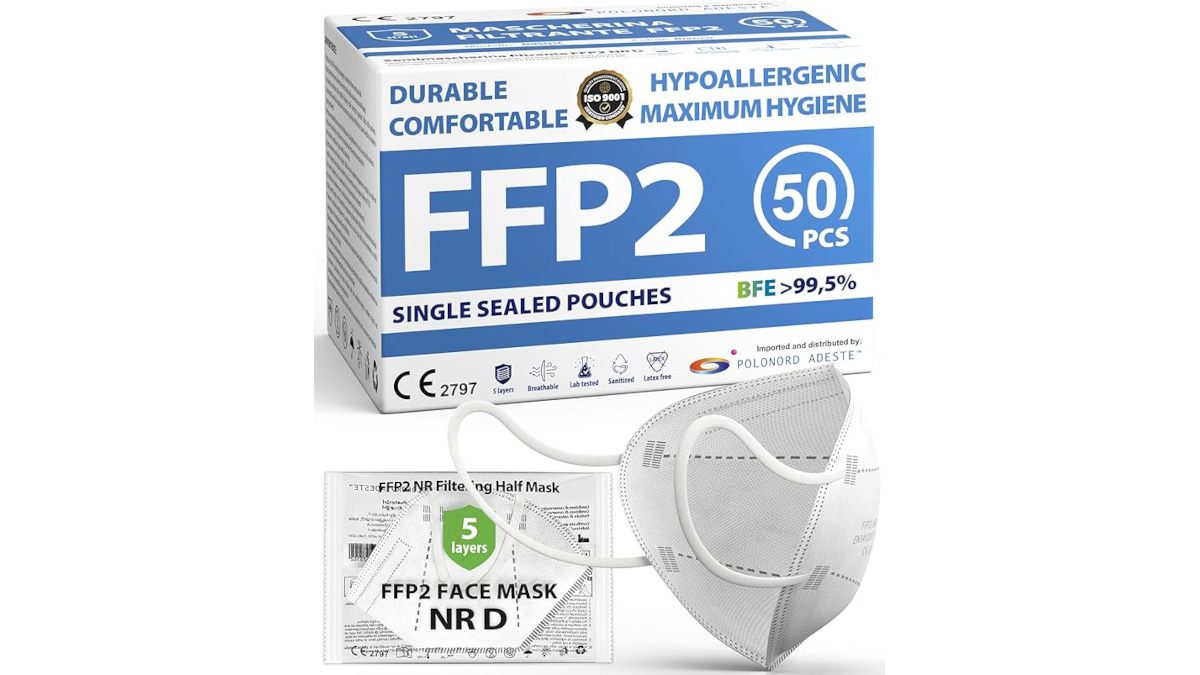
- Have a digital thermometer you can actually find. A sudden high fever is the first sign of pneumonic plague, and of most infections worth worrying about. “I feel hot” isn’t a reading. A proper number tells you whether you’re dealing with a temperature or just a bad night’s sleep, and NHS 111 will ask for it. It’s the most-used thing in any family first aid kit, from children’s fevers to flu season, so it earns its place whether plague is in the news or not.
Braun PRT2000 – Age Precision Digital Thermometer
Brief description of why this product is worth considering. ‘teaste’tpyetext like “is this the best?”.
Our Full Review: Braun PRT2000 – Age Precision Digital Thermometer →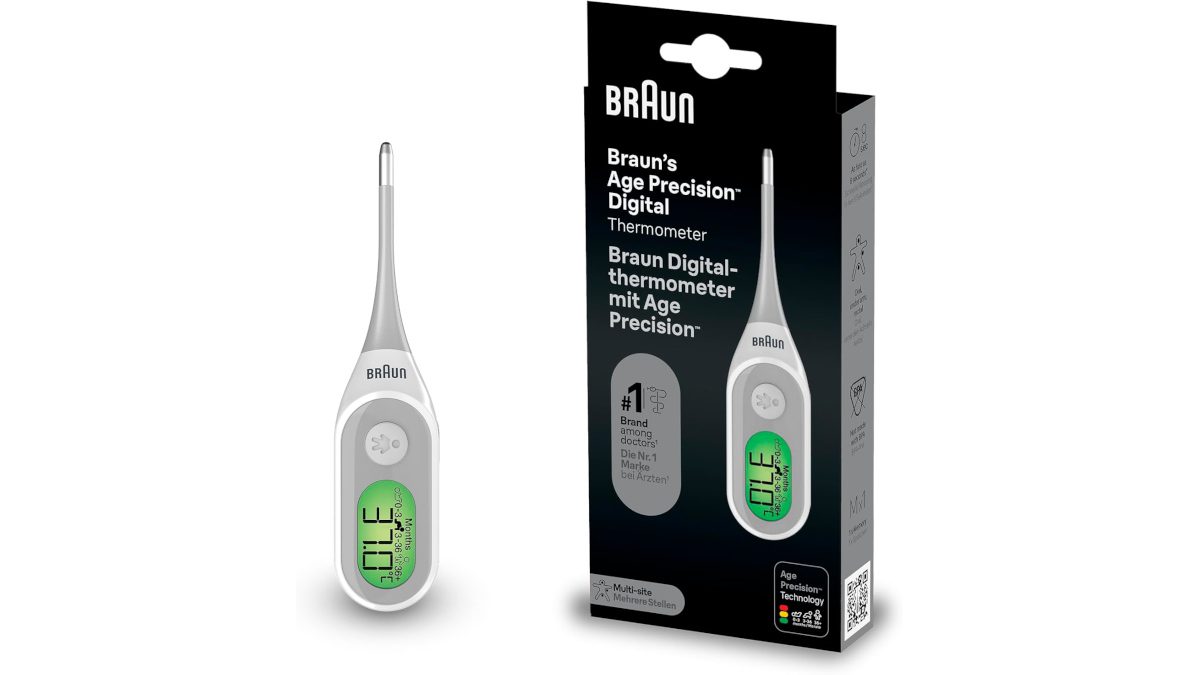
- Add a pulse oximeter. Pneumonic plague is a lung infection, and the danger sign with any chest infection is your blood oxygen dropping, which can happen before you feel properly breathless. A clip-on oximeter gives you the figure in seconds. A healthy reading is usually 95% or above, and NHS advice is to get urgent help if it falls to 92% or below. Readings can be less accurate on darker skin, so go by how someone actually is as well as the number. For a few pounds, it’s the difference between guessing and knowing whether it’s time for A&E, and it’s just as useful for pneumonia, COVID or an elderly parent with a bad chest.
OxiPro OX2 Pulse Oximeter
Clips to a fingertip and tells you blood oxygen and pulse rate in seconds. Useful during any illness where breathing is a concern — and the reading that matters is below 92%..
Our Full Review: OxiPro OX2 Pulse Oximeter →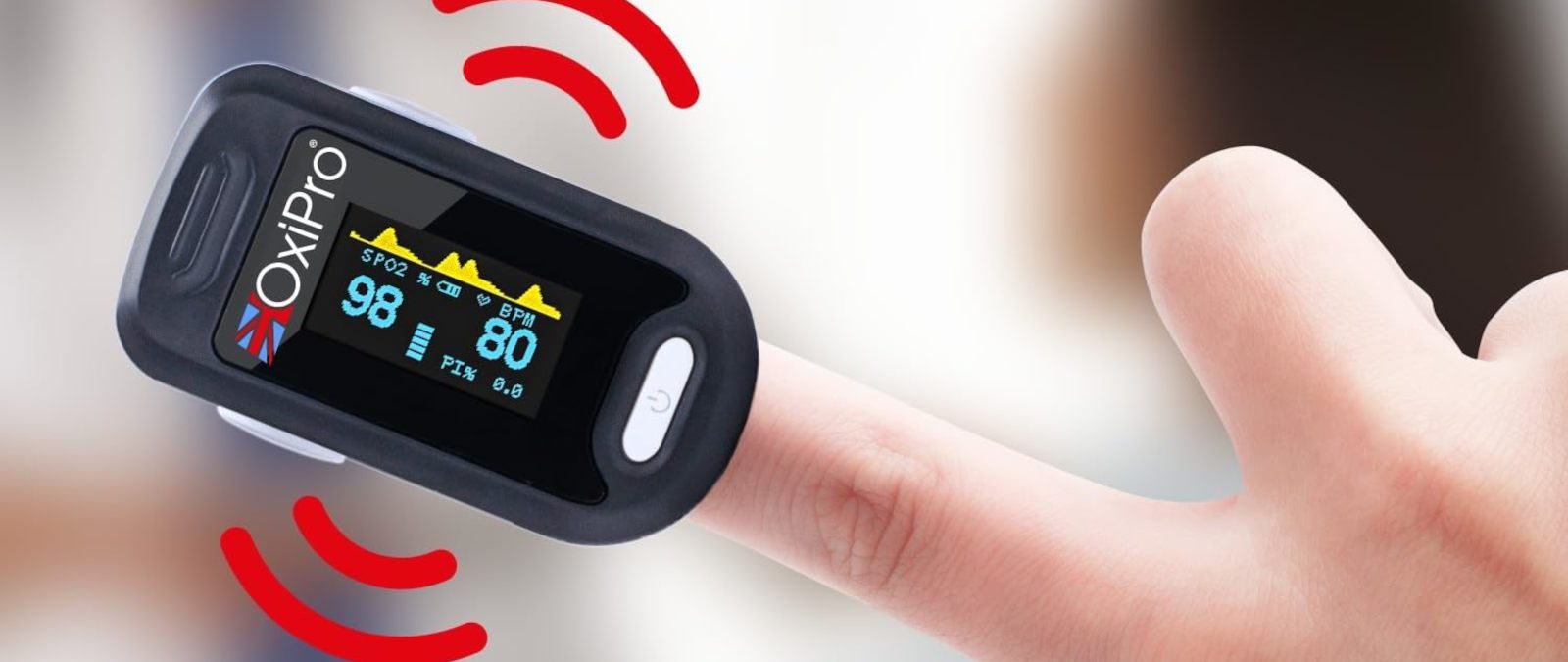
- Know the pattern. Sudden high fever plus a fast-developing chest infection, after travel to an area where plague occurs or contact with a confirmed case, needs urgent medical attention. Call 111, or 999 if breathing is difficult, and mention the travel.
- Travelling to an affected area? Avoid handling sick or dead animals, especially rodents, use insect repellent, and keep pets’ flea treatment up to date.
- Don’t buy antibiotics online “just in case”. Plague is treated with specific antibiotics in the right dose under medical supervision. Self-medicating with a random course can mask symptoms and delay proper treatment.
- Check where you’re getting your news. Stick to UKHSA, the NHS and the WHO rather than screenshots of headlines nobody can find the source for and posted to social media.
Frequently Asked Questions
Is pneumonic plague contagious?
Yes. It’s the only form of plague that spreads from person to person, through droplets from the lungs during close, face-to-face contact. Bubonic plague does not normally spread between people.
Can pneumonic plague be cured?
Yes, with antibiotics, provided treatment starts early. The WHO says recovery rates are high if it’s treated within 24 hours of symptoms starting. Left untreated, it can kill within 18 to 24 hours.
Is plague still around today?
Yes. It still occurs naturally in wild rodents in parts of Africa, Asia, South America and the western United States. Most recent cases have been in the Democratic Republic of the Congo and Madagascar. There hasn’t been an outbreak in the UK for around a century.
Did the Russian lab worker die of plague?
Not confirmed. Russian authorities say she died of pneumonia of unknown cause and that no plague case has been registered. The WHO is still asking Russia for more information. This page is updated as facts are confirmed.
What is the risk of plague in the UK?
Very low, according to both UKHSA and the WHO.
Do face masks protect against pneumonic plague?
Pneumonic plague spreads through droplets during close contact. The WHO says masks on patients reduce spread, and health workers caring for them wear protective equipment. A well-fitted FFP2 mask is a sensible standard item to keep at home for any illness spread this way.
Build Your Resilience
Further Reading: Related Guides
- Pandemic Preparedness: How to Get Your Household Ready Before the Next One
- Emergency Hygiene Guide
- Hantavirus and the UK: What Households Actually Need to Know
All our guides can be found listed on our resilience hub.
Gear We've Tested & Reviewed
All our reviews can be found on our reviews and resources page.
📡 Find Us Everywhere
Daily briefings, prep guides, and real-time updates across every platform. Pick yours.
Free. No commitment. Stay anonymous on WhatsApp & Telegram.
Stay Informed on UK Preparedness
Join our newsletter for UK-specific preparedness tips, product recommendations, and real-world advice for households.
Subscribe to Our Newsletter