
When the toilets stop working, most households panic within hours. Whether it’s frozen pipes cutting off your water supply, flooding backing up sewers, or a prolonged power cut affecting pumping stations, losing sanitation is one of the fastest routes to a health crisis in your own home.
This isn’t theoretical. During Storm Ciarán in 2023, thousands of UK homes lost sewerage services for days. The Beast from the East in 2018 saw frozen pipes knock out toilets across the country. And every winter, Thames Water alone responds to thousands of sewer flooding incidents affecting homes from Slough to Sittingbourne.
The difference between managing the situation safely and creating a genuine health hazard in your own home often comes down to one thing: having a plan before the toilets stop flushing.
This guide covers what actually works when UK sanitation systems fail—not wilderness camping advice, but practical solutions for flats, terraced houses, and council properties where you can’t just dig a hole in the garden.
Why UK Toilets Fail: Understanding the Risks
Your toilet depends on more systems than you probably realise. When any one of them fails, you lose sanitation fast.
Water supply failures are the most common cause. Frozen pipes, burst mains, or supply interruptions mean no water to flush. Even if you have water stored for drinking, using it to flush creates a different problem—you’re burning through emergency drinking water to dispose of waste.
Complete Guide
Emergency Water Storage
How much to store, how to store it in small spaces, and the reality of UK water rotation.
Sewerage blockages and backups happen more often than water companies admit. Tree roots, fatbergs, collapsed Victorian pipes, or flooding can all cause sewage to back up into your home. When this happens, using your toilet makes things worse—you’re adding more waste to a system that’s already overflowing.
Power cuts affect toilets more than people expect. If you’re on a sewage pumping station (common in flats and new housing developments), no power means no sewage movement. Your toilet might flush, but the waste has nowhere to go. Within hours, the system backs up.

🦆 Keith
Don’t Be Keith
Keith assumed the sewage would still work with no power, found out it doesn’t when the pump station went down, and started his sanitation preparations at exactly the wrong moment.
Flooding creates the worst sanitation crisis. Floodwater mixes with sewage. Your drains back up. Your toilet becomes unusable and potentially dangerous. Using it risks contaminating your entire home with sewage-laden floodwater.
Complete Guide
UK Home Flood Defense
Even small floods can damage flooring, walls, furniture, and utilities. Knowing how to act fast and prepare your home makes recovery faster and safer.

The common thread? Once sanitation fails, you need an alternative system immediately. Waiting until the toilets are already blocked is too late.
The Bucket Toilet System: Your Primary Emergency Option
The bucket toilet isn’t glamorous, but it works. It’s what aid agencies use in disaster zones, and it’s what you’ll need if your toilet stops working for more than a few hours.
Here’s what you need:
A sturdy 10-15 litre bucket with a tight-fitting lid. The bucket needs to be dedicated to this purpose—once it’s your emergency toilet, it stays your emergency toilet. Mark it clearly to avoid accidents.
Heavy-duty plastic bags designed for waste. Standard bin liners rip. You need something stronger—compostable toilet waste bags or clinical waste bags are ideal. Double-bagging is mandatory for safety.
Absorbent material to control liquid and smell. Cat litter works (you can store 10kg for under £5 at any UK supermarket). Sawdust or wood shavings work if you have access. Even shredded newspaper is better than nothing, though it’s the least effective option.
Hand sanitiser and disinfectant. You’ll need both. Hand sanitiser for after every use. Disinfectant for cleaning the bucket between uses.
How to set it up:
Line the bucket with two bags. The outer bag prevents leaks if the inner bag fails. The inner bag is what you’ll seal and remove.
Add a 2-3cm layer of cat litter to the bottom of the inner bag before first use. This gives you immediate absorbency.
After each use, add more cat litter to cover the waste completely. This controls smell and absorbs liquid. Don’t skimp—a thin sprinkle doesn’t work.
Keep the lid on the bucket between uses. This is non-negotiable. An open bucket of human waste in your home is a health hazard and attracts pests.
Practical considerations for UK homes:
In flats and maisonettes, you probably don’t have garden access for waste disposal. This means you need secure storage for sealed waste bags until collection is possible. A second bucket with a lid works for this. Keep it outside if you can—balcony, shared yard area, anywhere that’s not inside your living space.
In terraced houses, outdoor space is limited. If you have a small yard, you can use it for temporary waste storage, but you still need bags and buckets. You can’t just dig a pit in a 3-metre patio.
For families, you need multiple buckets. One bucket shared between four people fills fast. Having two buckets in rotation gives you time to empty and clean one while the other is in use.
Privacy matters, especially in shared living spaces. Setting up the bucket toilet in your bathroom maintains some dignity. If your bathroom is unusable (flooding, contamination), use the smallest room you can close off—bedroom, box room, even a large cupboard in an emergency.
Chemical Toilets: When to Consider Them
Portable chemical toilets are what caravanners and festival-goers use. They’re more expensive than bucket systems but offer two advantages: better smell control and easier use for elderly or disabled household members who struggle with bucket toilets.
A basic portable chemical toilet costs £40-80. You’re buying a self-contained unit with a fresh water tank for flushing and a waste holding tank with chemical treatment. Popular UK models include the Thetford Porta Potti and Kampa Khazi—both widely available and proven reliable.
The chemical treatment breaks down waste and controls smell. You need specific chemicals designed for portable toilets. These cost £8-15 per litre and last for multiple uses. Don’t substitute with household bleach or disinfectant—these damage the seals and don’t control smell effectively.
Advantages over bucket toilets:
Proper flushing gives you something that feels like a normal toilet experience. This matters for children, elderly family members, or anyone struggling with the psychological impact of a sanitation crisis.
Better smell control. The chemicals work. A properly maintained chemical toilet doesn’t smell the way a bucket toilet can, even with cat litter.
Easier for limited mobility users. Sitting height is similar to a standard toilet. No squatting over buckets, no balance issues for elderly users.
The major disadvantage is disposal. Chemical toilet waste can’t go in standard bins. You need specific disposal points—caravan sites, some motorway services, dedicated chemical toilet disposal facilities. During a widespread crisis, these might not be accessible. The chemical waste also can’t be composted or buried safely.
For most UK households, chemical toilets make sense as a supplement to bucket systems, not a replacement. If you have elderly parents or disabled family members living with you, the chemical toilet serves them while able-bodied household members use buckets. This extends your chemical toilet capacity significantly.
Thetford Porta Potti
One of the most-reviewed portable toilets on Amazon UK: self-contained sanitation that needs no mains, no electricity and no plumber when the flood hits.
Our Full Review: Thetford Porta Potti →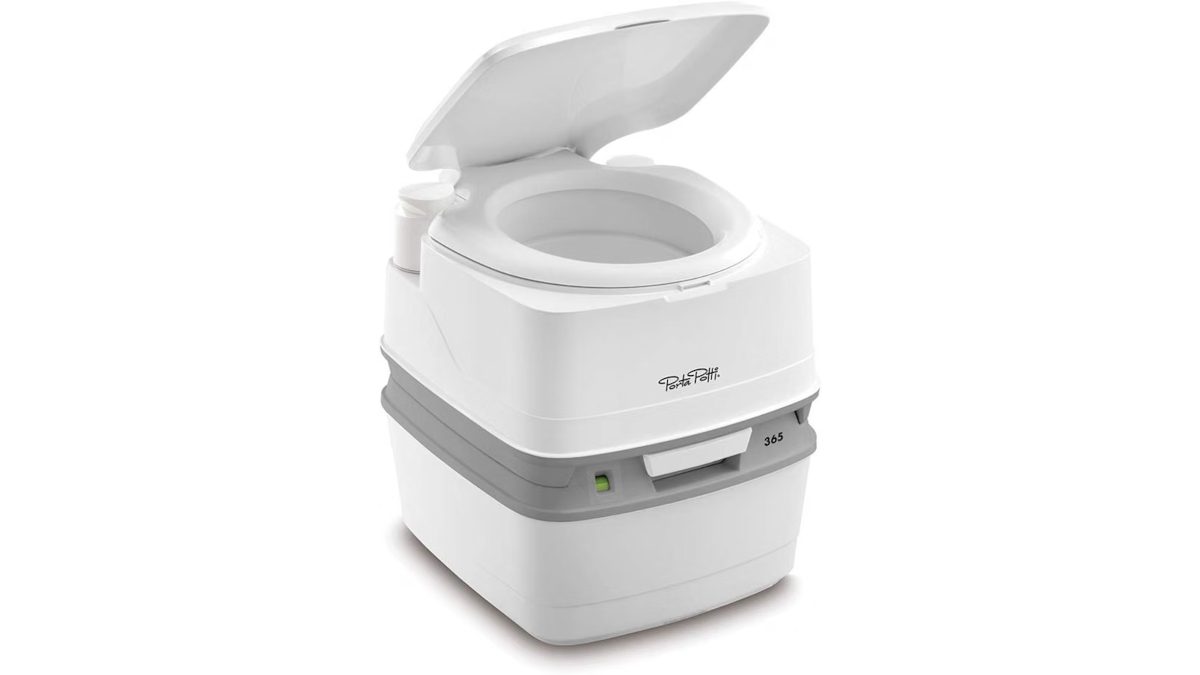
Safe Waste Disposal: What Works in UK Homes
Once you’ve collected waste, you need to dispose of it safely. The method depends on your living situation and the duration of the crisis.
For short-term emergencies (1-3 days):
Sealed bags can be stored temporarily in a designated container outside your living space. Use a large plastic storage box with a lid, kept on a balcony, in a shed, or in an outdoor storage area. This is holding waste until normal sanitation services resume.
Never store waste bags inside your living space for more than a few hours. Even sealed bags off-gas. The smell becomes overwhelming and the health risk increases.
If bin collections are still operating, sealed waste bags can go in your general waste bin. This isn’t ideal, but it’s acceptable for small amounts during short emergencies. Wrap the sealed inner bag in the outer bag, tie tightly, and place it in your bin immediately before collection day.
For extended emergencies (3+ days):
If you have garden access and the soil isn’t frozen or waterlogged, burial becomes an option. You need to do this properly to avoid groundwater contamination.
Dig a trench at least 60cm deep and at least 15 metres from any water source, building, or boundary. The depth is critical—too shallow and you risk attracting animals or causing smell issues.
Empty the waste from bags into the trench. Don’t bury the plastic bags themselves. Cover immediately with at least 30cm of soil. Mark the location clearly so you don’t disturb it later or contaminate the area.
This is a last resort. If you’re in a flat, maisonette, or terraced house with a tiny yard, burial isn’t practical. You’re back to storage until services resume.
Council guidance during crises:
Contact your local authority’s environmental health team as soon as sanitation fails. They can provide specific guidance for your area and arrange emergency waste collection if the situation is widespread.
During the 2018 freeze, many councils suspended normal collection rules and allowed additional waste. During flooding incidents, emergency waste collection protocols kick in. Don’t assume the normal rules still apply during a genuine crisis.
Dealing with Sewage Backups and Flooding
When sewage backs up into your home, you’re facing an immediate health hazard. Every surface the sewage touches is contaminated. Every item that can’t be disinfected needs to go.
First action: stop using all drains immediately. This means toilets, sinks, showers, washing machines, dishwashers. Every drop you put down any drain makes the backup worse. Your entire drainage system is connected—using the kitchen sink can force more sewage up through the toilet.
Evacuate the contaminated area if possible. Sewage contains bacteria, viruses, and parasites that cause serious illness. Children, elderly family members, and anyone with compromised immune systems should not be in contact with sewage-contaminated areas.
Ventilate heavily. Open windows, even in winter. Sewage off-gases toxic compounds including hydrogen sulphide and methane. In enclosed spaces, these can build to dangerous concentrations.
For cleanup, you need full PPE: rubber gloves rated for chemical exposure (not just washing-up gloves), rubber boots, face covering, and protective clothing you can throw away afterwards. Sewage cleanup in your own home is one of the few situations where full barrier protection is genuinely necessary.
Remove all contaminated items that can’t be disinfected. Soft furnishings, carpets, curtains, books, cardboard packaging—these all need to go. Sewage contamination isn’t something you can wash out of fabric safely at home.
Hard surfaces can be cleaned if they’re non-porous. Use strong household bleach (minimum 5% sodium hypochlorite) diluted according to instructions. Everything gets bleached, left for 10 minutes, then bleached again. Floors, walls, skirting boards, anything the sewage touched.
Document everything with photos. Your insurance claim depends on it. Most UK home insurance policies cover sewage backup, but you need proof of what was damaged and what you did to mitigate it.
Call your water company and your local council’s environmental health team. Water companies are legally obligated to respond to sewage flooding. If they’re at fault (which is common with Victorian sewers), they may cover cleanup costs. The council monitors public health risk and can require the water company to act faster.
Hand Hygiene and Disease Prevention
When sanitation fails, hand hygiene becomes your main defence against disease. Without it, you’re gambling with cholera, typhoid, hepatitis A, and a dozen other faecal-oral diseases that UK households haven’t worried about since Victorian times.
The handwashing routine needs to be rigorous. Minimum 20 seconds with soap and clean water, paying attention to thumbs, between fingers, under nails, and wrists. Do this after every toilet use, before preparing or eating food, and after handling waste bags or cleaning.
If water is scarce, use hand sanitiser with at least 60% alcohol content. It’s not as effective as soap and water against some pathogens, but it’s infinitely better than nothing.
Keep dedicated handwashing water separate from drinking water. If your water supply is cut but you have stored water, reserve some specifically for hand hygiene. A 5-litre bottle can provide hand washing for a family of four for a day if you’re conservative.
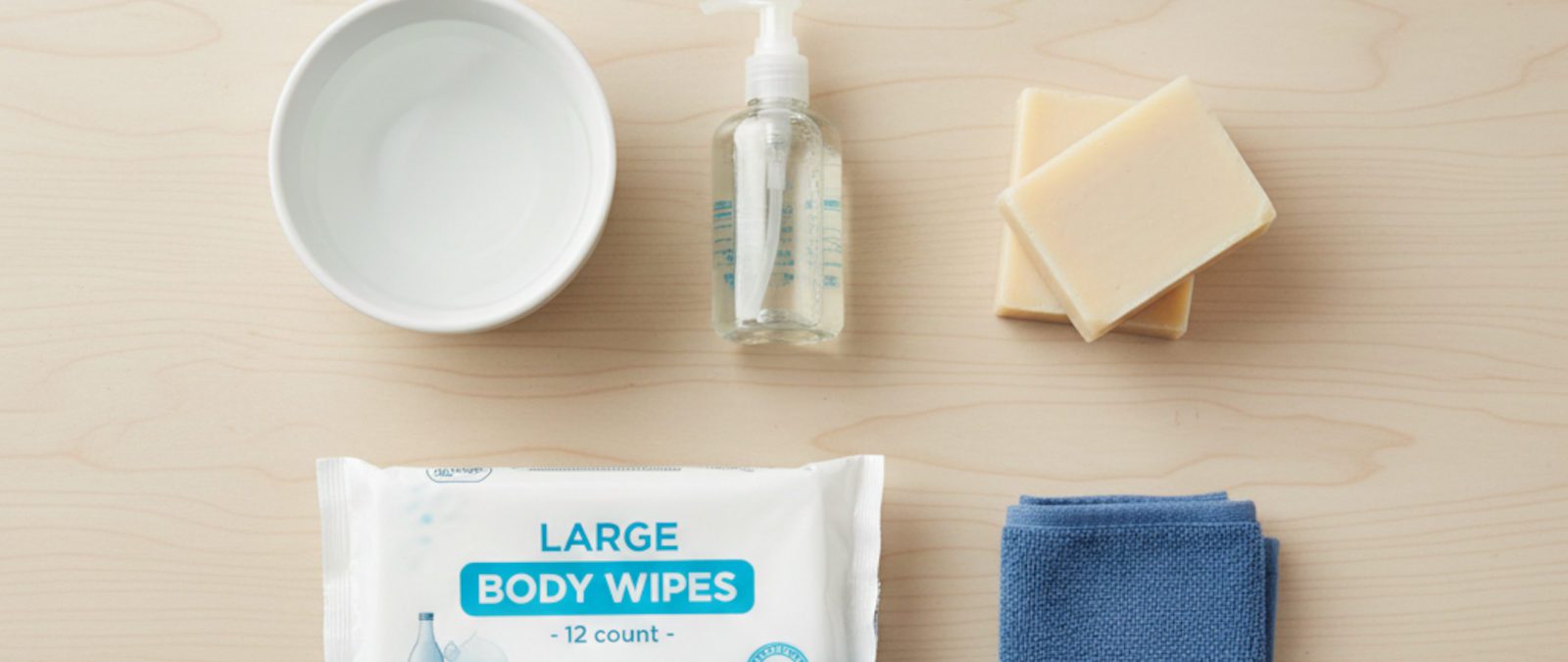
Set up a handwashing station near your emergency toilet. You need: a water container with a tap or tilt-to-pour function, soap, clean towel or paper towels, and hand sanitiser backup. Don’t make people walk through your home with contaminated hands to reach a sink.
Prevent cross-contamination between clean and contaminated areas. Designate clean zones (kitchen, sleeping areas) and contaminated zones (emergency toilet area, waste storage area). Have strict rules about washing hands when moving between zones.
For children, the risk is higher. They’re less careful with hand hygiene and more likely to put hands near their mouths. Supervision is mandatory. Make hand sanitiser accessible but also supervise its use—kids can get ill from ingesting hand sanitiser.
Complete Guide
Emergency Hygiene Guide
This guide covers water-scarce washing techniques in detail, but for grab bags the focus is having enough supplies to maintain basic hygiene without relying on rest centre provisions.
Special Considerations: Flats, High-Rises, and Shared Facilities
Living in a flat or maisonette creates specific sanitation challenges that houses don’t face.
Communal sewerage systems mean your sanitation depends on your neighbours. If the building’s sewage pumps fail, everyone is affected. If someone on an upper floor continues using their toilet during a backup, it affects everyone below.
No garden access means no burial option. You’re entirely dependent on temporary storage and resumption of waste collection services. This means you need more storage capacity than a house would.
Shared bin areas can become overwhelmed quickly during a crisis. If every flat is producing emergency waste simultaneously, the bins fill fast. You may need to store sealed waste in your own flat for longer than you’d like.
Limited ventilation in some flats makes smell control even more critical. A bucket toilet in a one-bedroom flat with poor airflow becomes intolerable quickly. Chemical toilets or very aggressive use of absorbent materials becomes essential.
Building managers should be your first contact during sanitation failures. They coordinate with the water company, arrange emergency pumping if needed, and can organise emergency waste collection for the building.
For high-rise living, disposal is even more complex. Carrying sealed waste bags down multiple flights of stairs to reach bins isn’t just unpleasant—it’s a contamination risk if bags leak on communal stairs or in lifts.
Some practical workarounds: double or triple bagging becomes mandatory. Using smaller bags more frequently reduces the risk of overloading and bursting. Keeping bags sealed and stored on balconies (if you have one) reduces indoor smell.
Medical Waste and Incontinence Supplies
If household members use incontinence pads, stoma bags, or other medical waste products, sanitation failures create additional challenges.
Incontinence pads generate significant waste volume. During normal times, these go in general waste. During sanitation failures, they still go in general waste, but you need more storage capacity because you can’t risk bins overflowing.
Stoma bags are already designed for sealed disposal. The disposal routine doesn’t change—seal, bag, bin. The challenge is ensuring you have enough disposal bags if supply chains are disrupted.
Catheter bags need emptying. If you can’t use the toilet to empty them, you need a dedicated waste container. This should be a bucket with lid that’s clearly marked and kept separate from general waste.
Dialysis waste is more complex. If someone in your household does home dialysis, work with their renal team to develop a waste management plan for emergencies. This is not something to improvise.
For all medical waste, NHS guidance recommends double-bagging and disposing in general waste for home care situations. This doesn’t change during emergencies. What does change is your ability to get that waste to bins or collection points, so storage becomes critical.
What to Stock for Sanitation Emergencies
Having supplies stored before you need them makes the difference between managing and failing when sanitation systems collapse.
Minimum stock for a household of four, 72-hour capability:
Two sturdy buckets (10-15 litres each) with tight-fitting lids. One in use, one as backup or for rotation. Don’t use your normal cleaning buckets—cross-contamination risk is too high.
50-100 heavy-duty waste bags. This sounds excessive but accounts for double-bagging and multiple uses. A pack of 50 clinical waste bags costs £8-12 and stores indefinitely.
10kg cat litter. A large bag costs £5-8 at supermarkets and has a shelf life of years. Store it somewhere dry.
Two 500ml bottles of hand sanitiser (60%+ alcohol). One for the toilet area, one for the kitchen. Check expiry dates annually.
One litre household bleach (5%+ sodium hypochlorite) for disinfection. Replace annually as it degrades.
Rubber gloves rated for chemical exposure. A box of 50 pairs costs £10-15. These aren’t optional for waste handling.
Toilet paper (obvious, but often forgotten in emergency kits). Store a month’s supply as baseline.
Optional but valuable:
A portable chemical toilet if you have elderly or disabled household members. Costs £40-80 but significantly improves quality of life during extended outages.
Chemical toilet treatment fluid if you choose the chemical toilet option. One litre costs £8-15 and lasts multiple uses.
Disposable face masks for waste handling. A box of 50 costs £5-10 and protects against airborne pathogens during sewage cleanup.
Large plastic storage container with lid for outdoor waste storage. Costs £10-20, essential if you have no shed or dedicated storage.
None of this is expensive. The entire basic kit costs under £40 and provides 72-hour sanitation capability for a family. That’s cheaper than one takeaway meal and infinitely more valuable when the toilets stop working.
Action Checklists
Immediate Actions When Toilets Stop Working
- Stop using all drains and toilets immediately to prevent worsening any backup
- Identify the cause: water supply failure, sewage backup, power cut, or flooding
- Contact your water company if it’s a supply or sewerage issue
- Set up your bucket toilet system in the bathroom or most private available space
- Establish a handwashing station with soap, water, and hand sanitiser
- Brief all household members on the emergency toilet procedure and hand hygiene requirements
- Mark clean zones and contaminated zones clearly, especially if children are present
Building Your Sanitation Emergency Kit
- Purchase two dedicated 10-15 litre buckets with tight-fitting lids
- Stock 50-100 heavy-duty waste bags (clinical waste bags or compostable toilet bags)
- Buy 10kg cat litter or other absorbent material for smell and liquid control
- Store 1 litre household bleach (minimum 5% sodium hypochlorite) for disinfection
- Keep two 500ml bottles of hand sanitiser (60%+ alcohol content)
- Obtain rubber gloves rated for chemical exposure (not just washing-up gloves)
- Store one month’s supply of toilet paper as baseline emergency stock
- Consider a portable chemical toilet if caring for elderly or disabled household members
- Purchase a large plastic storage container with lid for sealed waste bag storage
- Review and update kit contents annually, replacing expired items
Managing Extended Sanitation Failures (3+ Days)
- Ration water usage strictly, keeping separate supplies for drinking and hand washing
- Rotate buckets daily: empty, disinfect, dry one while using the other
- If you have garden access and soil conditions allow, prepare burial trenches (60cm deep, 15m from buildings/water)
- Contact your local council’s environmental health team for emergency waste collection guidance
- Monitor household members for signs of illness: diarrhoea, vomiting, fever, or stomach cramps
- Increase ventilation in living spaces, even in cold weather, to prevent toxic gas buildup
- Document everything with photos for insurance purposes if dealing with sewage backup
- Maintain strict hand hygiene discipline—this is when fatigue leads to contamination
- Check on vulnerable neighbours in flats/shared buildings who may be struggling
- Keep sealed waste storage secured against pests, especially as duration extends

📋 Clarissa
I’ve Made A Checklist
My hygiene checklist has a whole section for when the toilet won’t flush, plus the handwashing station that goes next to it. Print it before you need it, not when the cistern stops filling. Obviously.
Download: Hygiene Checklist →Build Your Resilience
Further Reading: Related Guides
- Emergency Water Storage
- Emergency Hygiene Guide
- Emergency Utility Shutdown
- How to Prepare for a Power Cut
- UK Home Flood Defence
- Water Purification and Safety Guide
All our guides can be found listed on our resilience hub.
Gear We’ve Tested & Reviewed
All our reviews can be found on our reviews and resources page.