
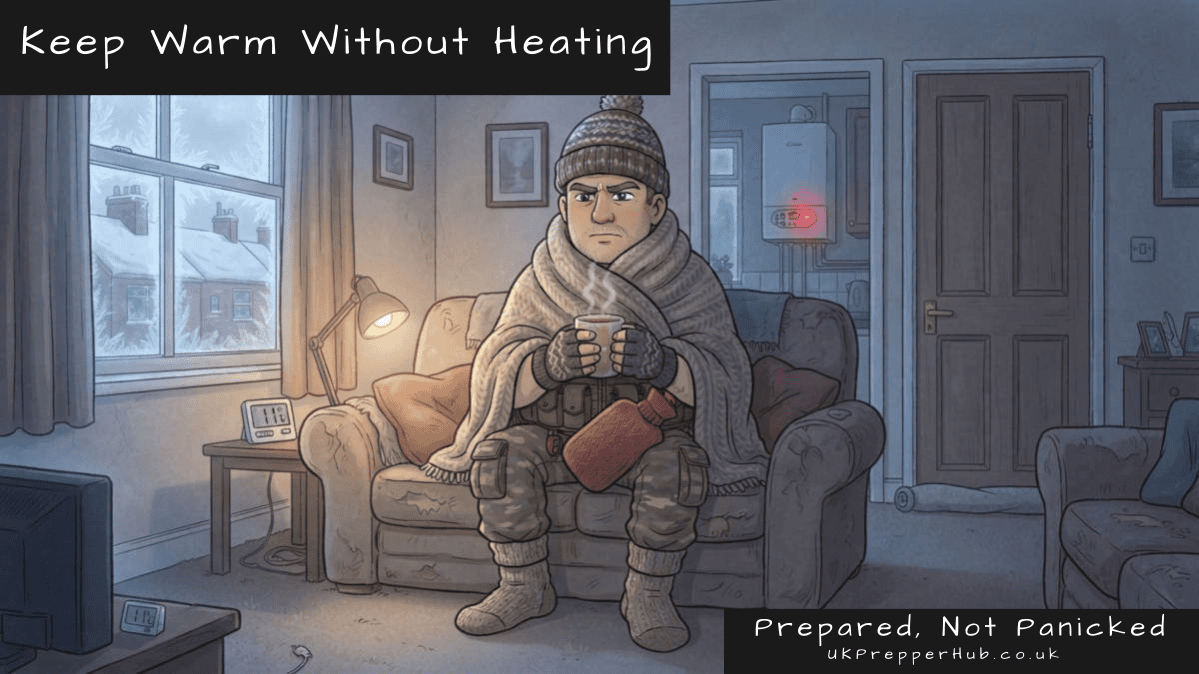
Britain does not do proper cold well. Our houses, our plumbing and, frankly, our wardrobes are built for eight degrees and drizzle. So when a cold snap pushes the thermometer to minus eight and holds it there for a week, the things that cope perfectly well in a normal January start to give up, usually the boiler first.
This guide covers what to do when that happens: how to keep warm without heating when the boiler has stopped, how to stop your pipes and condensate pipe freezing in the first place, and how to spot hypothermia symptoms in someone who might not realise how cold they’ve got. If the problem is a power cut rather than a broken boiler, the two overlap, and there’s a section on that too.
What a Cold Weather Alert Means
In England, the UK Health Security Agency and the Met Office issue cold-health alerts between 1 November and 31 March (and outside those dates if a cold spell turns up early or late). They are colour-coded yellow, amber and red, based on how big the impact on health could be and how likely it is. They are about the effect of cold on people rather than the weather itself.
A yellow alert is mostly about the people most at risk, such as older people and those with heart or lung conditions. Amber means the effects are likely to be felt across the whole health service, with the potential for anyone to be at risk. Red is the top level, for severe cold that is dangerous even for fit and healthy people.
Snow and ice warnings are separate. Those come from the Met Office as weather warnings and are about travel and disruption. A cold weather alert can arrive with no snow at all, and a dry, still, bitterly cold week is often the more dangerous one for an older person in a draughty house, because nobody thinks to check on them.
Anyone can sign up to get the alerts by email through the registration form on GOV.UK. A cold weather alert is your cue to do the checks in the next section, while the shops are quiet and you can still feel your fingers.
Before a Cold Snap: Pipes, Stopcock and Background Heat
Burst pipes are the most expensive thing a cold snap does to a British home, and most of them are preventable. Water expands as it freezes, the pipe splits, and nothing happens until it thaws, at which point it all happens at once, usually through the kitchen ceiling.
- Find your stopcock now. It’s usually under the kitchen sink, in the airing cupboard or under the stairs. Turn it a quarter-turn to check it moves. A seized stopcock found at 2am with water coming through a light fitting is a bad discovery.
- Lag anything in the cold. Foam pipe lagging is cheap from any DIY shop. Loft pipes, pipes on outside walls, under-floor pipes in older houses and anything in a garage come first.
- Isolate and drain the outside tap before the first hard frost, and fit a cover.
- Keep some heat on. A low background setting keeps pipe temperatures above freezing in most homes. Going away? Leave the heating on its frost setting.
- Open the loft hatch on the coldest nights so some of the house’s warmth reaches the pipes and tank up there, and open the cupboard under the kitchen sink so warm air gets round the pipes.
- If a pipe does freeze, our step-by-step guide on how to unfreeze pipes covers thawing safely, and emergency utility shutdown covers what to do if one bursts.
If your stopcock is in the pavement or front garden, or it’s the internal one that hasn’t moved since decimalisation, a long stopcock key is the tool that gets the water off when your hand won’t.
1-Meter Universal Outdoor Stopcock Key Tool
Brief description of why this product is worth considering. ‘teaste’tpyetext like “is this the best?”.
Our Full Review: Universal Outdoor Stopcock Key →
🦆 Keith
Don’t Be Keith
Keith turned the heating off completely during a January cold snap to save money, then spent four days putting on more jumpers rather than admit it was a bad idea, until his wife pointed out the loft pipes had frozen and the hall thermostat was reading 11°C. The plumber’s call-out cost more than a month of heating.
When the Heating Fails in a Cold Snap
Boilers break down more in cold snaps, and usually for one boring reason. Modern condensing boilers drain their waste water through a thin plastic pipe that runs outside. In a hard frost that water freezes, the pipe blocks, and the boiler shuts itself down. A frozen condensate pipe is the most common reason a boiler stops in a cold snap. It looks like a disaster and is often a ten-minute fix.
How to Fix a Frozen Condensate Pipe
- Check the boiler display. Many show a fault code for a blocked condensate pipe, and some make a gurgling noise before they stop.
- Find the pipe. It’s the plastic pipe, usually white or grey and about 2cm across, running from the boiler through the wall to a drain outside.
- Thaw it with warm water. Boil the kettle, leave it 10 to 15 minutes to cool, then pour the warm water along the pipe, or hold a hot water bottle against it, working along the pipe, especially at bends and the open end. Never use boiling water: it can crack the pipe.
- Reset the boiler using its reset button once the pipe is clear.
- Stop it happening again. Lagging the outside section or getting a larger-bore pipe fitted is a small job that saves you doing this every January.
If the boiler still won’t restart, check the pressure gauge. Most combi boilers want somewhere between 1 and 1.5 bar when cold, and the manual will show how to top it up. Beyond that it’s a job for a Gas Safe registered engineer, and in a proper cold snap every engineer in the county is booked solid. Have a plan for keeping warm that doesn’t depend on someone turning up by morning.
Complete Guide
Heating Without Electricity
Maintaining core body temperature is your absolute priority. However, desperation often leads to dangerous choices. This guide outlines how to heat your home—and yourself—safely when the radiators go cold.

How to Keep Warm Without Heating
Once the heating’s off, a house loses its warmth faster than most people expect. You can’t keep the whole place warm, so don’t try. The aim is to keep warm without heating by keeping the heat in one small space and in the people, not the building.
Pick one room and live in it
The single biggest thing you can do to keep warm without heating is shrink the space you’re heating. Choose the smallest room with the fewest outside walls, ideally one that gets some sun. Move everyone in, close the door and keep it closed. A living room for the day and the same room for sleeping if it comes to it. Close the curtains at dusk, and block the gap under the door with a draught excluder or a rolled towel. In an older house, that gap does more damage than you’d think.
Layer properly
Layering is the cheapest way to keep warm without heating. Several thin layers trap more warm air than one thick jumper. Start with a base layer that isn’t cotton (cotton holds damp and goes cold), add wool or fleece over it, and keep a thicker layer for when you sit still. Wool stays warm even when it’s slightly damp, which is why every grandparent in Britain owned a cardigan.
Hats, thick socks and fingerless gloves indoors are not admitting defeat. Your hands and feet go cold first because your body is protecting your core, and a hat helps because your head and neck are usually the bits left uncovered.
Keep yourself fuelled
Eat regular hot meals and have plenty of hot drinks. Digesting food generates heat, and a hot drink gets warmth straight into your core. Skip the whisky: alcohol feels warming but opens up the blood vessels in your skin and makes you lose heat faster.
Heat the person, not the room
If you want to keep warm without heating for hours at a time, a self-heating throw changes the sums completely. Instead of trying to warm a whole room you warm the person sitting under it, with no plug, no fuel and no running cost. Add a hot water bottle filled with hot (not boiling) water, and a well-wrapped person can sit comfortably in a room that would otherwise have them shivering.
Silentnight Heat Genie Self Heating Giant Blanket
If you’re looking for a simple way to stay warm without turning the heating up, this is a low-cost option with zero running costs. It’s especially worth considering for cold homes, power cuts, or anyone wanting extra warmth without relying on electricity.
Our Full Review: Silentnight Heat Genie Self Heating Giant Blanket →
🤡 Camping Clown
He Has The £4,000 Version
I own a £340 four-season expedition sleeping bag rated to -20°C, bought specifically for “a British cold snap at home”, when a self-heating throw, a hot water bottle and a pair of thermal socks do the same job for about £45 and don’t involve explaining to visitors why there’s a bivouac on the sofa.
Sleeping
Nights are when it’s hardest to keep warm without heating. Put the hot water bottle in the bed half an hour before you get in, rather than taking it in with you. Add blankets on top and underneath you, because a cold mattress pulls heat out of you all night. Keep the bedroom window shut on winter nights. Wearing a hat to bed may look odd, but nobody’s watching.
Cold Snap Plus a Power Cut
This is the combination that catches people out. Heavy snow, ice and gales bring lines down, and a gas boiler won’t run without electricity to drive its pump and controls. So a power cut in a cold snap means no heating, even though the gas is still on, and everything above about how to keep warm without heating applies straight away.
When I first moved into my current rural home, the power went off almost every week, and I learned quickly what I actually needed to get by: heat, light and a way to cook. Everything else could wait. That order still holds. Stay warm first, because cold is what hurts people. Light second, because stumbling round a dark house in three layers is how ankles get broken. Then cooking, because a hot meal and a hot drink do more for morale than anything else in the cupboard. Our power cut survival guide covers all three in detail.
📋 Calm Clarissa
When a cold snap takes the power with it, you need warmth, light and a way to cook, all sorted before the house goes dark. It’s all on my printable power and lighting checklist. Free to download, obviously.
Download the Free Checklist →The one rule that matters most: never bring a camping stove, barbecue, patio heater or generator indoors to keep warm. They produce carbon monoxide, which you can’t see or smell, and in a sealed-up room with the curtains drawn and towels under the doors it builds up fast. Cook on a camping stove only somewhere properly ventilated, and keep a battery-powered carbon monoxide alarm in any room where something burns.
FireAngel Combination Smoke and Carbon Monoxide Alarm
One sealed unit covering smoke and CO detection — with a 10-year battery that keeps it running during a power cut, when emergency stoves and heaters are out and a mains-wired alarm would already have gone dark.
Our Full Review: FireAngel Combination Smoke and Carbon Monoxide Alarm →
Food is the least of your worries. The Food Standards Agency says a full freezer kept shut should stay frozen for up to 48 hours, and a half-full one for about 24. A cut of under four hours is unlikely to affect frozen or chilled food at all. Fill the gaps with bottles of water before winter and it holds better.
Hypothermia Symptoms: What to Look For
Hypothermia is when the body’s core temperature drops below 35°C. Normal is about 37°C, so the margin is smaller than it sounds. It rarely happens dramatically in a British home. It happens slowly, to someone sitting still in a cold room who has stopped noticing how cold it is.
The early hypothermia symptoms in adults are:
- Shivering, often hard and uncontrollable
- Pale, cold, dry skin, sometimes with a blue-grey tinge on the lips
- Slurred speech and clumsy hands (struggling with buttons or a phone)
- Slow, shallow breathing
- Tiredness, confusion or being unusually quiet
As it gets worse, the shivering stops. That is a danger sign, not an improvement: the body has run out of the energy it needs to shiver. Drowsiness and confusion deepen, and the person may stop making sense or stop caring that they’re cold.
Babies don’t shiver in the same way and can’t tell you. A baby with hypothermia feels cold to the touch and may be floppy, unusually quiet and sleepy, and not want to feed.
🐔 Chicken Licken
Did You Know?
People in late-stage hypothermia often feel intensely hot and begin removing their clothing — known as paradoxical undressing — which is one reason hypothermia victims are sometimes found partially undressed in cold conditions
What to do if you suspect hypothermia
The NHS advice is to call 999 or go to A&E if you think someone has hypothermia. While you wait for help:
- Move them indoors or somewhere sheltered as quickly as you can
- Take off any wet clothing and wrap them in a blanket, sleeping bag or dry towel, with something underneath them as well as on top
- Give them a warm, non-alcoholic drink and something sugary, like chocolate, if they’re awake and can swallow safely
- Keep them awake by talking to them until help arrives
- Don’t give them alcohol
- Don’t put them in a hot bath, use a hot water bottle or a heat lamp, or rub their arms, legs, hands or feet. Warming someone too quickly can make things worse, so warm them gently and let the paramedics do the rest
Who Is Most at Risk in a Cold Snap
Hypothermia isn’t the main thing that kills people in winter. Most of the extra deaths every British winter are heart attacks, strokes and chest infections. Cold narrows the blood vessels and raises blood pressure, so the heart works harder, and cold air irritates the lungs. The people who come off worst are:
- Older people, especially over 75 and living alone. They feel the cold less sharply, shiver less and can let the house get dangerously cold without noticing.
- Babies and young children, who lose heat quickly and can’t tell you they’re cold.
- Anyone with heart or lung conditions, including asthma and COPD. Keep inhalers somewhere warm and prescriptions topped up before winter.
- People on certain medicines, including some heart, blood pressure and mental health medications, which can affect how the body copes with cold. A pharmacist can tell you if one applies. Our guide on managing essential medication covers keeping supplies going when things get disrupted.
- Anyone shovelling snow or pushing a car. Sudden hard effort in the cold is a well-known trigger for heart attacks. Warm up first, take breaks, and if someone younger offers, let them.
The NHS advice is to heat the rooms you use to at least 18°C if you can, especially if you’re older or have a health condition. If the house is well below that and can’t be warmed, staying with family or friends for a few days is a sensible decision, not a failure.
Check on your neighbours. During a cold snap, a knock on an older neighbour’s door is worth more than any piece of kit in this guide. It takes two minutes to see whether the house is warm, whether they’re eating and whether they need anything picking up. Do it more than once.
Two things worth knowing about if you or someone you care for is vulnerable: the free Priority Services Register, which you join through your energy supplier or electricity network operator. It’s open to anyone over state pension age, with a young baby, a disability, or a medical condition (especially one that depends on electricity), and gets you priority updates and welfare checks during a power cut. And Cold Weather Payments: in England, Wales and Northern Ireland, people on certain benefits get a payment automatically for each seven-day spell when the average temperature in their area is zero or below, between 1 November and 31 March. Scotland has an annual Winter Heating Payment instead.
Pets in a Cold Snap
Animals feel it too, especially small pets in outdoor hutches, older dogs and anything short-haired. Bring hutches into a shed or garage, out of the wind, add extra bedding, and check water bowls haven’t frozen. For small animals, a microwavable heat pad gives hours of safe warmth without a cable. There’s more on keeping animals safe in our guide to animals in extreme weather.
SnuggleSafe Microwave Heat Pad
Ten hours of gentle warmth from a two-minute microwave blast — no electricity, no wires, and nothing that stops working the moment the power does. Essential kit for rabbits, guinea pigs, cats, and small dogs through a British winter power cut.
Our Full Review: SnuggleSafe Microwave Heat Pad →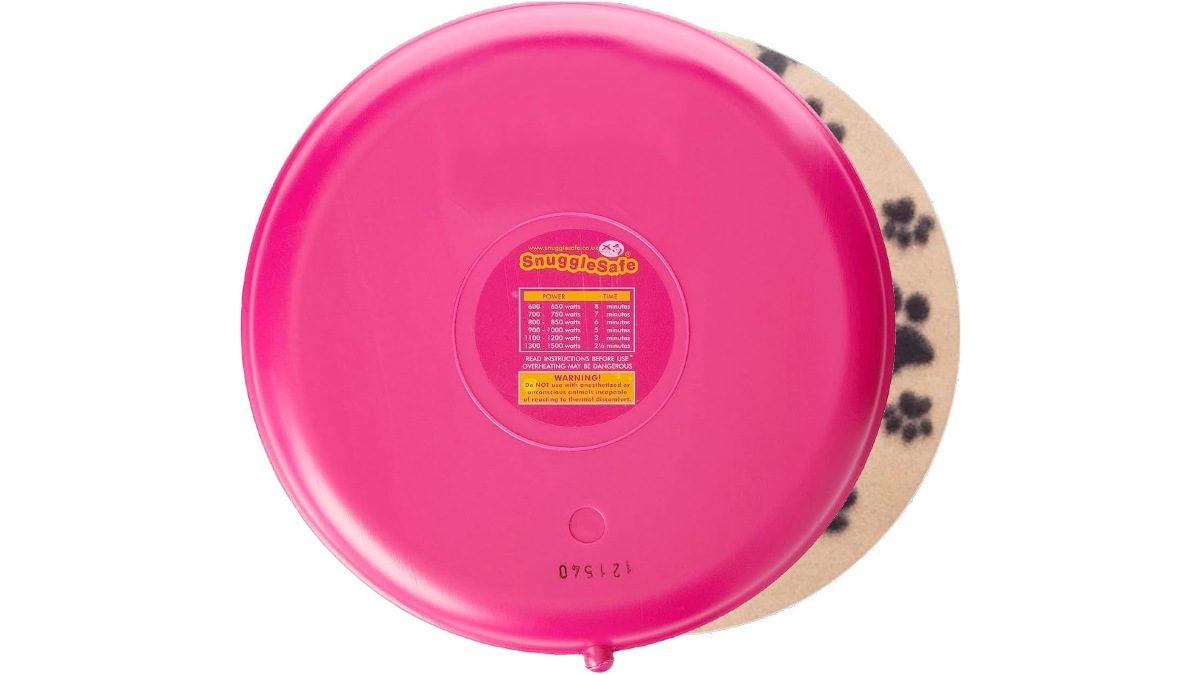
What to Have Ready Before a Cold Snap
All of this is cheap and takes minutes to sort before the cold arrives. Doing it during a cold snap, in a queue, in the dark, is less fun.
- A room thermometer, because you can’t tell by feel how cold the house has got, particularly if you’re older or unwell
- Extra blankets and a hot water bottle you know doesn’t leak
- A few days of easy food and plenty of tea, coffee and soup
- A torch or lantern with spare batteries, and a charged power bank
- Disposable hand warmers: nothing to charge and they keep for years
- Prescriptions topped up before the cold sets in
- Draught excluders and foam tape for the windows
- The number of a Gas Safe engineer and a plan B if they can’t come
- Your stopcock found, tested and labelled
HotHands Hand Warmers
No batteries, no charging, nothing to go flat: open the packet and get up to 10 hours of heat, wherever the power cut or breakdown catches you.
Our Full Review: HotHands Hand Warmers →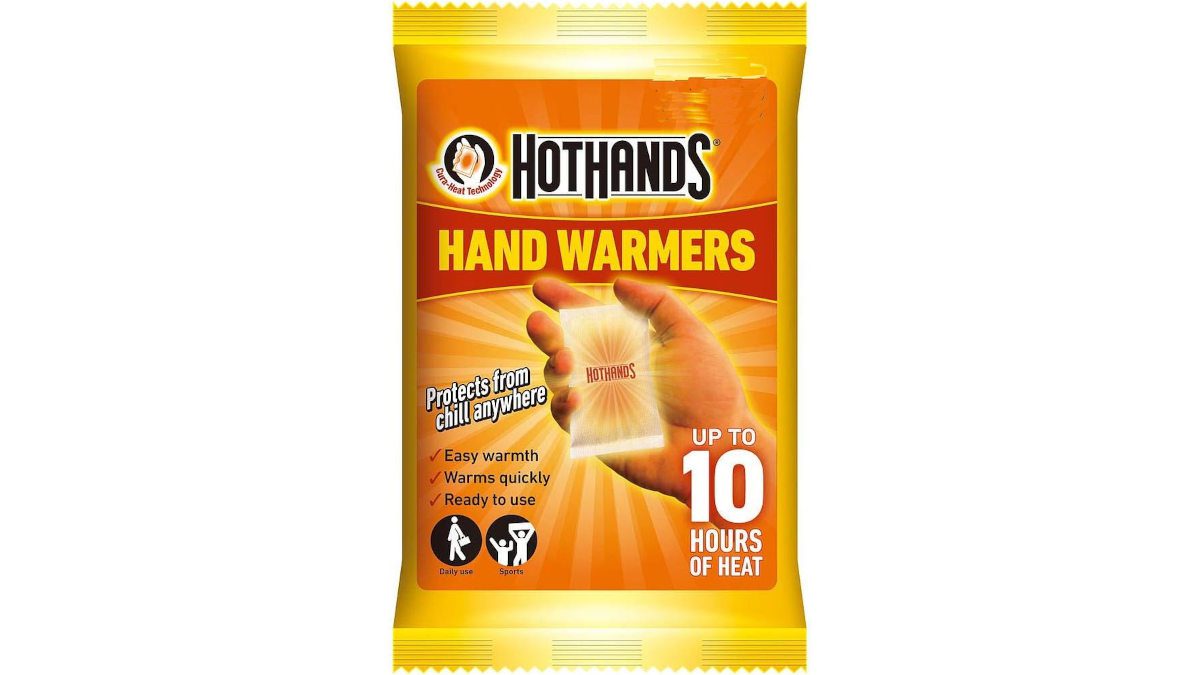
Frequently Asked Questions
What are the first symptoms of hypothermia?
Early hypothermia symptoms in adults include shivering, pale, cold and dry skin (the skin and lips may turn blue or grey), slurred speech, slow breathing, and tiredness or confusion. If the shivering stops, that’s a danger sign, not an improvement. Babies feel cold to the touch and may be floppy, unusually quiet and sleepy, and refuse to feed. Call 999 or go to A&E if you think someone has hypothermia.
What is a cold weather alert?
In England, the UK Health Security Agency and the Met Office issue cold-health alerts between 1 November and 31 March. They’re colour-coded yellow, amber and red, based on how serious the impact on health could be and how likely it is. They warn about the effect of cold on people rather than the weather itself, and are separate from Met Office snow and ice warnings. Anyone can sign up to get them by email on GOV.UK.
How long will a freezer stay frozen in a power cut?
The Food Standards Agency says a full freezer should stay frozen for up to 48 hours if you keep the door shut, and a half-full one for about 24 hours. A power cut of under four hours is unlikely to affect frozen or chilled food at all. Filling empty space with bottles of water before winter helps the freezer hold its temperature for longer.
What temperature is too cold for a house?
The NHS advises heating the rooms you use to at least 18°C if you can, especially if you’re older or have a health condition. Below that, the risk of heart and chest problems rises for vulnerable people, even if it doesn’t feel dangerously cold. If your home stays well below 18°C and can’t be warmed, keep everyone in one small room, wear layers and a hat, and consider staying with family or friends until the heating is fixed.
How can I keep warm without heating?
Pick the smallest room with the fewest outside walls, move everyone into it and keep the door shut. Close the curtains at dusk and block draughts under the door. Wear several thin layers rather than one thick one, with wool or fleece over a non-cotton base layer, plus a hat and thick socks. Eat hot meals, have plenty of hot drinks and avoid alcohol. A self-heating throw and a hot water bottle let you keep warm without heating the room at all.
How do I fix a frozen condensate pipe?
A frozen condensate pipe is the most common reason a modern boiler stops in a cold snap. Find the plastic pipe that runs from the boiler through the wall to a drain outside. Boil the kettle, let it cool for 10 to 15 minutes, then pour the warm water along the pipe, especially at bends and the open end, or hold a hot water bottle against it. Never use boiling water, as it can crack the pipe. Once it’s clear, press the reset button on the boiler. If it still won’t start, call a Gas Safe registered engineer.
Is it safe to use a camping stove or barbecue indoors to keep warm?
No. Camping stoves, barbecues, patio heaters and generators all produce carbon monoxide, which you can’t see or smell. In a closed room it builds up quickly and can kill. Only cook on a camping stove somewhere properly ventilated, never use one for heat, and keep a battery-powered carbon monoxide alarm in any room where something burns.
Build Your Resilience
Further Reading: Related Guides
- Heating Without Electricity
- How to Unfreeze Frozen Pipes
- Power Cut Survival Guide
- Emergency Utility Shutdown
- Managing Essential Medication
- Animals in Extreme Weather
- Winter Driving Tips
All our guides can be found listed on our resilience hub.
Gear We've Tested & Reviewed
- Silentnight Heat Genie Self Heating Throw
- HotHands Hand Warmers
- FireAngel SCB10-R Smoke & CO Alarm
- Unibos Universal Stopcock Key
- SnuggleSafe Microwave Heat Pad
- ThermoPro TP50 Digital Thermometer & Hygrometer
All our reviews can be found on our reviews and resources page.