
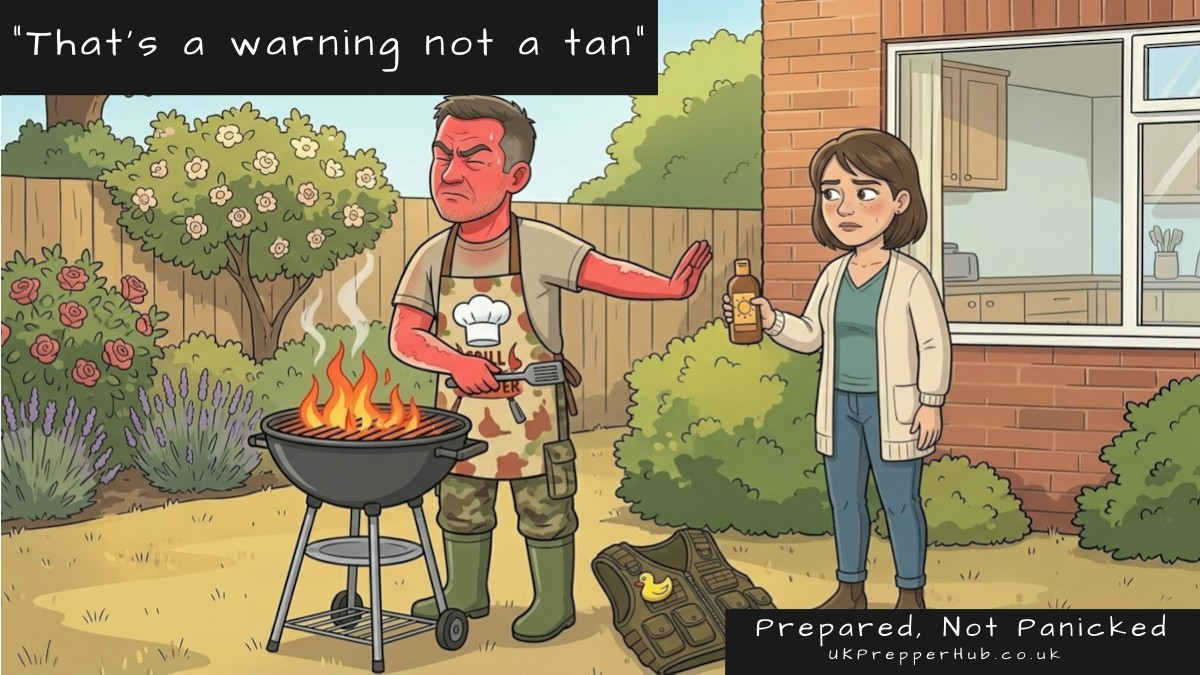
Skin Cancer Prevention UK: Cancer Research UK chose this bank holiday weekend to sound the alarm. More than 20,000 melanoma diagnoses in a single year. Nine in ten of them preventable. And somewhere in your bathroom cabinet there’s probably a half-empty bottle of Piz Buin from 2019 — bought for a week in the sun, used twice, and quietly forgotten. That’s the problem in one half empty, slightly crusty, bottle.
This is not a piece about scaring you. It’s about a clear gap between what the statistics show about skin cancer prevention in the UK and what most households actually do — and closing that gap costs almost nothing.
Skin Cancer Prevention UK: The Numbers
In 2022, more than 20,000 people in the UK were diagnosed with melanoma — the most serious form of skin cancer. That is a record high, and Cancer Research UK is not confident the trend is about to reverse. By 2040, they project 26,500 cases a year.
Nearly nine in ten of those cases are caused by one thing: too much UV radiation from the sun and sunbeds.
Read that again. Not genetics. Not bad luck. UV radiation — from a source you can protect yourself against, with products that cost less than a takeaway.
The UK’s population is growing and ageing, and better detection tools are catching cases that would previously have gone undiagnosed. But the underlying driver remains unchanged: cumulative lifetime exposure to UV, and a culture that has never taken it seriously enough.
The Gender Gap — Why Men Are Losing This One
The data has a pattern, and it is uncomfortable reading if you are male.
Among adults under 55, women have higher rates of melanoma — largely attributed to sunbed use and deliberate sunbathing. But men overtake in later life, and by a significant margin. The reason is simpler than most men would like to admit: decades of cumulative neglect.
Women, on the whole, are more likely to have incorporated sun protection into a daily routine — moisturisers with SPF, applying sunscreen before outdoor events, thinking about it before stepping outside. Men, on the whole, are not doing this. They are mowing the lawn, watching cricket, fishing, cycling, working outdoors, attending barbecues and school sports days and summer afternoons in the garden — year after year, decade after decade — without a thought for what the UV is doing to their skin.
The damage accumulates silently. There is no pain. No immediate sign. Just exposure, layering up, year on year.
The damage you are doing in your 40s is the cancer you will be dealing with in your 60s. By then, the window to prevent it has already closed.
This is not about skincare routines or looking after your complexion. This is a calculable, preventable risk — the kind this community prepares for methodically in every other area of life. You have a first aid kit. You have a torch and spare batteries. You have thought about what happens if the power goes out. You prep for things that might never happen.
This one is happening. Slowly, quietly, every time you step outside without protection. And the statistics are telling you exactly who is most at risk.
Complete Guide
Protect Your Skin From the Sun
Everything UV does to your skin happens before you feel it. Here’s how to actually stop it.
Read the Full Guide: Protect Your Skin From the Sun →
The Mistake Most UK Households Make
The fundamental error is framing. Sun cream is marketed, sold, and thought of as holiday kit. You buy it for Tenerife. You pack it with the passports. When you get home, it goes in the bathroom cabinet and stays there until the next trip — where it gets used twice and comes back again.
The problem is that UV radiation does not check your travel plans.
Over 90% of UV rays penetrate cloud cover. A cool, overcast Tuesday in June carries real UV risk. You do not feel it — there is no heat, no harsh brightness, nothing that signals danger — but the exposure is happening. This is precisely why people get burned on days they thought were safe.
The WHERE does not matter. Your garden in Birmingham carries the same UV risk as a terrace in Malaga, adjusted only for the UV index on that specific day. The WHAT does not matter either. Mowing the lawn, walking the dog, watching your child’s football match, working on the roof — the sun does not know or care what you are doing. The only thing that matters is how much UV is reaching your skin, and for how long.
Seven Months, Not Three
Ask most people when they need to think about sun protection in the UK and they will say July and August. Maybe June. Perhaps the odd sunny May bank holiday.
The actual answer, according to both Cancer Research UK and the NHS, is mid-March to mid-October. That is seven months of the year. During that window, the UV index regularly reaches 3 or above — the threshold at which skin damage can occur — regardless of temperature or cloud cover.
Peak danger hours are 11am to 3pm. But meaningful UV exposure happens outside those hours too, particularly in June and July when the days are long and the sun is high for more of the day.
Most of those seven months feel like ordinary British weather. Mild. Often grey. Nothing that would make you think twice. But the UV index does not care how British the weather looks. The risk is there, and it is real, from the first daffodils in March through to the end of October.
Skin Cancer Prevention: What a Prepared UK Household Actually Does
The shift is simple: stop treating sunscreen as holiday kit and start treating it as household kit.
That means it lives in more than one place.
- Bathroom cabinet — daily use, SPF 30 minimum, within reach rather than buried at the back
- First aid kit — alongside the plasters and antiseptic wipes, because sun exposure is a health risk, not a cosmetic concern
- Go bag — if you are carrying kit for 72-hour resilience, UV protection belongs in it. Extended outdoor exposure during a disruption is far more likely than on a normal day
- Car — heat degrades sunscreen faster, so keep it in the glovebox and check it regularly. A car kit without sun protection is an incomplete kit
- Rucksack — if you walk, cycle, run, or spend regular time outdoors, it should be in your bag as a matter of course
It also means buying it with this framing in mind. Not one large bottle that sits in the bathroom until it expires. Smaller formats and sachets that can live across multiple kits, stay compact, and get used regularly rather than forgotten.
Complete Guide
Protect Your Skin From the Sun
Everything UV does to your skin happens before you feel it. Here’s how to actually stop it.
Read the Full Guide: Protect Your Skin From the Sun →What to Use
The basics are straightforward and the NHS guidance is clear.
SPF 30 as a minimum. SPF 30 blocks approximately 97% of UVB rays. SPF 50 blocks around 98%. The difference between them is smaller than most people assume — the bigger issue is applying enough, and reapplying regularly throughout the day.
Check the star rating, not just the SPF. The star rating on UK sunscreens measures UVA protection — the longer-wave radiation that penetrates deeper and causes the kind of damage that accumulates over years rather than showing up as a sunburn. Look for 4 or 5 stars alongside your SPF 30 or 50. A high SPF with a low star rating is not adequate protection.
Reapply every two hours. Sunscreen wears off — through sweating, wiping your face, and absorption. If you are outdoors for more than a couple of hours, you need to reapply. This is where most people fall short, including those who did remember to apply it in the first place.
Sachet formats for kits. For go bags, first aid kits, and car kits, sachets are the practical solution — compact, single-use, no expiry drift from a half-open bottle sitting in a bag for two years. UK first aid suppliers stock them widely, and they are the sensible format for any kit-based application.
Lifesystems Sun Cream Sachets
SPF50 with 5-star UVA in a sealed single-use sachet — the sun cream that actually belongs in your first aid kit, not in a crusty bottle at the back of a drawer.
Our Full Review: Lifesystems Sun Cream Sachets →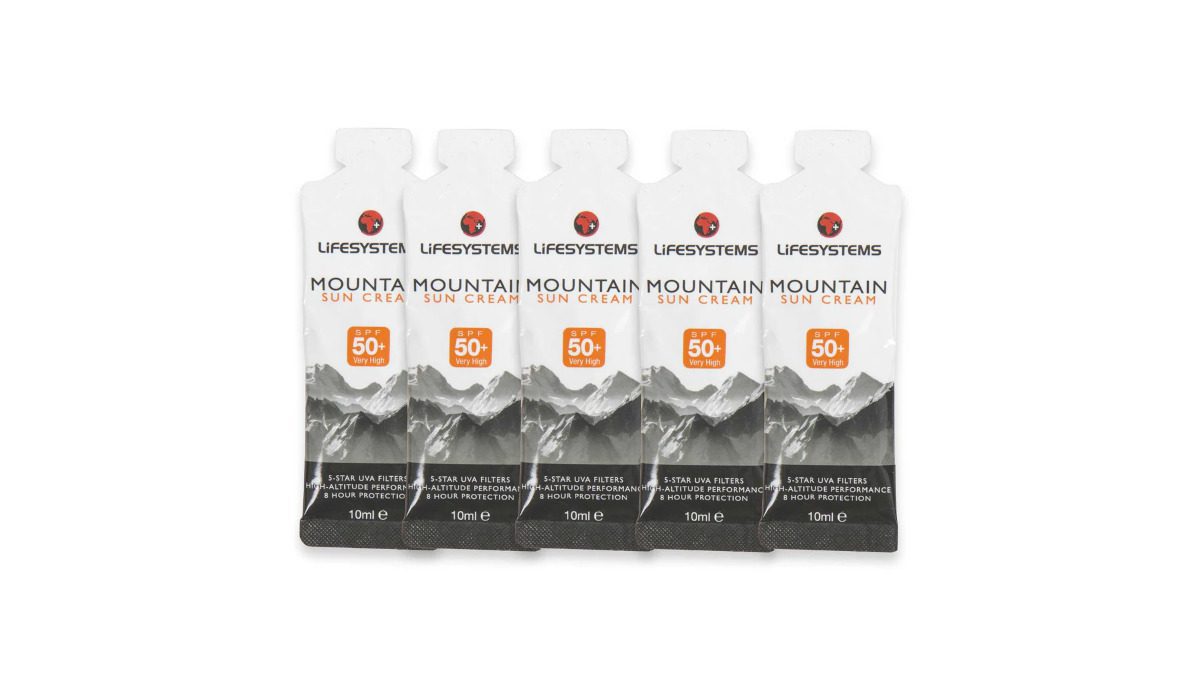
For extended outdoor use — outdoor workers, walkers, cyclists, or anyone likely to be outside for a full day — long-duration formulas designed to last 8–10 hours with a single application are worth knowing about. Apply before you go out, and the protection lasts the day even with moderate sweating or activity.
Riemann P20 Sensitive SPF50+ Sun Protection Lotion 200ml
One application in the morning, protected all day — Riemann P20 Sensitive SPF50+ is the once-a-day sunscreen built for people who won’t stop to reapply.
Our Full Review: Riemann P20 Sensitive SPF50+ Sun Protection →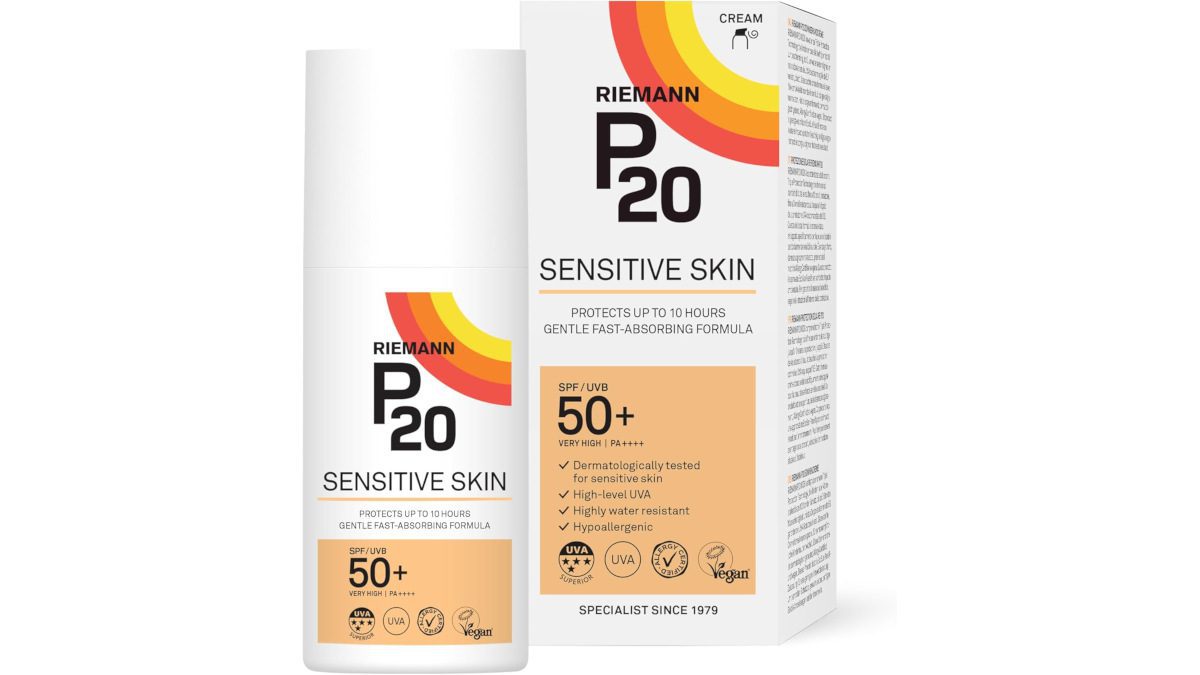
Other Things That Will Help In The Fight Against Skin Cancer
Sunday Afternoons Ultra Adventure Hat
UPF 50+ rated through every panel and every ventilation hole — a wide-brim sun hat with a built-in 6-inch neck cape that covers the exposure zone most hats miss completely.
Our Full Review: Sunday Afternoons Ultra Adventure Hat →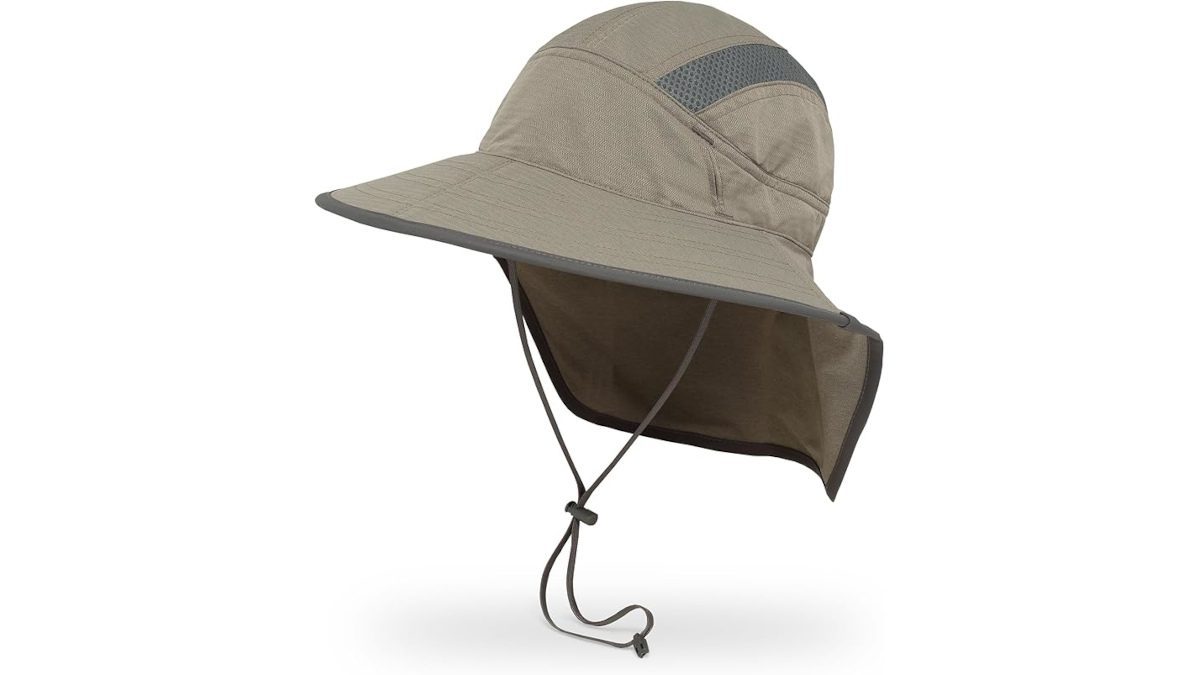
Craghoppers Kiwi II Long sleeved UV and anti-bite shirt
UPF 50+ sun protection and physical insect resistance built into one shirt — no reapplying, no bottles, no stopping mid-walk. Craghoppers Kiwi II, S to 4XL Plus.
Our Full Review: Craghoppers Kiwi II Long sleeved UV and anti-bite shirt →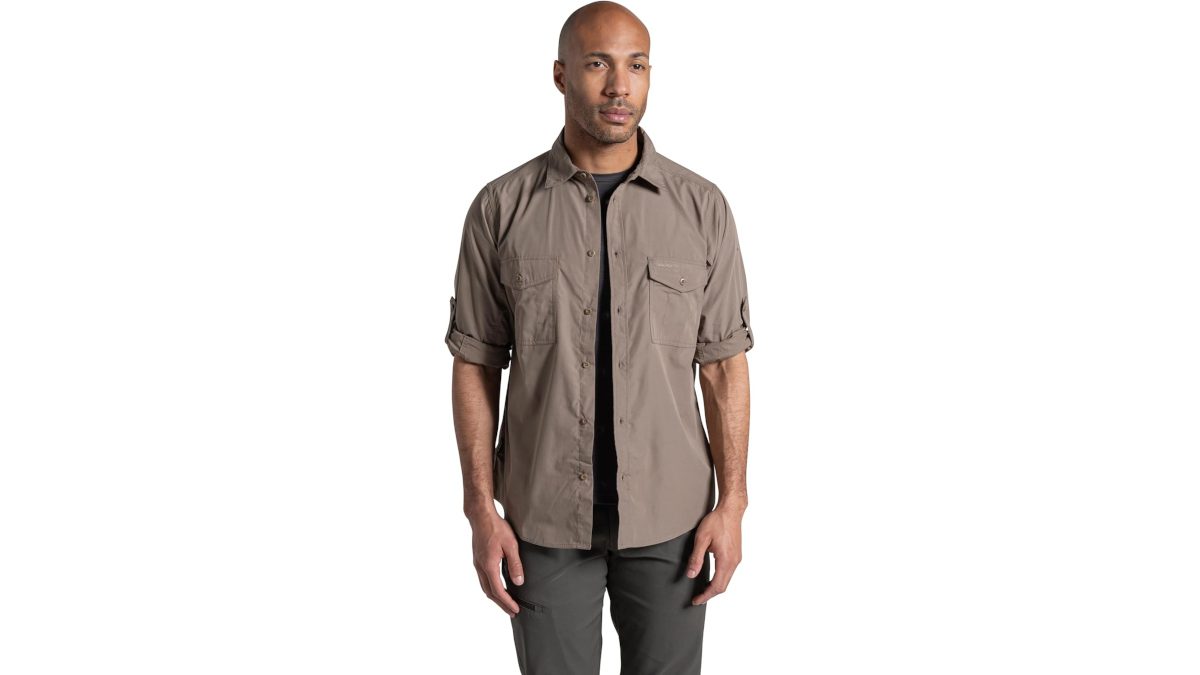
Tifosi Optics Navar Sunglasses
Tifosi’s new Navar — UV400 certified, polycarbonate, wrap-around, six sizes, ten colour ways including clear. A trusted UK brand at a sensible price, proven before the review count catches up.
Our Full Review: Tifosi Optics Navar Sunglasses →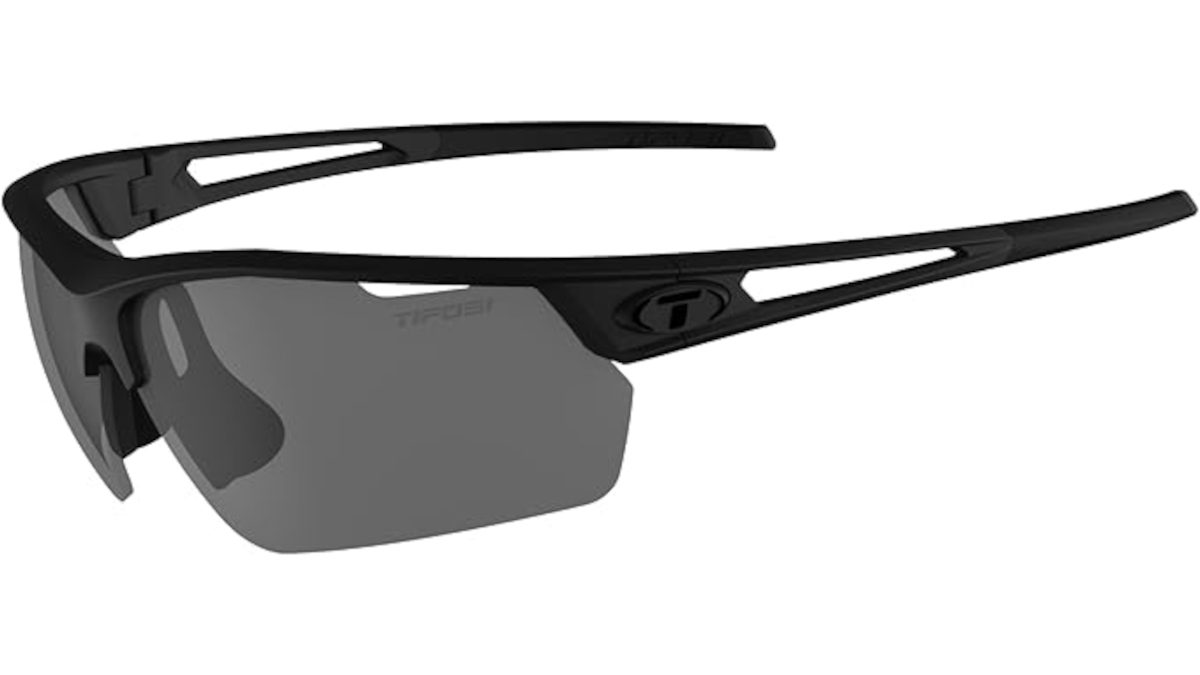
Freshskin Aloe Vera Gel 100ml Tube
99% pure aloe vera in a 100ml kit-ready tube — cools sunburn, soothes insect bites, treats minor burns. An ancient remedy
Our Full Review: Freshskin Aloe Vera Gel 100ml Tube →
Riemann P20 Sensitive SPF50+ Sun Protection Lotion 200ml
One application in the morning, protected all day — Riemann P20 Sensitive SPF50+ is the once-a-day sunscreen built for people who won’t stop to reapply.
Our Full Review: Riemann P20 Sensitive SPF50+ Sun Protection →Complete Guide
Protect Your Skin From the Sun
Everything UV does to your skin happens before you feel it. Here’s how to actually stop it.
Read the Full Guide: Protect Your Skin From the Sun →Frequently Asked Questions
Do I need sunscreen in the UK if it is not hot?
Yes. Temperature has nothing to do with UV. In the UK, UV levels are high enough to cause skin damage from mid-March to mid-October regardless of how warm or cold it feels. Over 90% of UV rays penetrate cloud cover, so an overcast day is not a safe day.
Does sunscreen expire?
Yes. Most sunscreens have a shelf life of 12 months once opened, indicated by the open-jar symbol on the packaging. An expired sunscreen may not provide the protection level stated on the label. That bottle from 2019 — get rid of it.
What SPF should I use in the UK?
The NHS and Cancer Research UK both recommend SPF 30 as a minimum, combined with 4 or 5-star UVA protection. SPF 50 is the better choice for prolonged outdoor exposure, fair or sensitive skin, or anyone with a family history of skin cancer.
Can you get sunburnt through a car window?
Partially. Standard car glass blocks most UVB rays but allows UVA through. UVA is the longer-wave radiation linked to deeper skin damage over time. If you regularly drive with direct sun on your arm or face for extended periods, it is worth applying SPF to those areas before a long journey.
Build Your Resilience
Further Reading: Related Guides
All our guides can be found listed on our resilience hub.
Gear We’ve Tested & Reviewed
- Sunday Afternoons Ultra Adventure Hat
- Craghoppers Kiwi II Long Sleeve Hiking Shirt
- Riemann P20 Sensitive SPF50+
- Lifesystems Sun Cream Sachets SPF50
- Tifosi Navar UV400 Sports Sunglasses
- Freshskin Aloe Vera Gel
All our reviews can be found on our reviews and resources page.
📡 Find Us Everywhere
Daily briefings, prep guides, and real-time updates across every platform. Pick yours.
Free. No commitment. Stay anonymous on WhatsApp & Telegram.
Stay Informed on UK Preparedness
Join our newsletter for UK-specific preparedness tips, product recommendations, and real-world advice for households.
Subscribe to Our Newsletter