
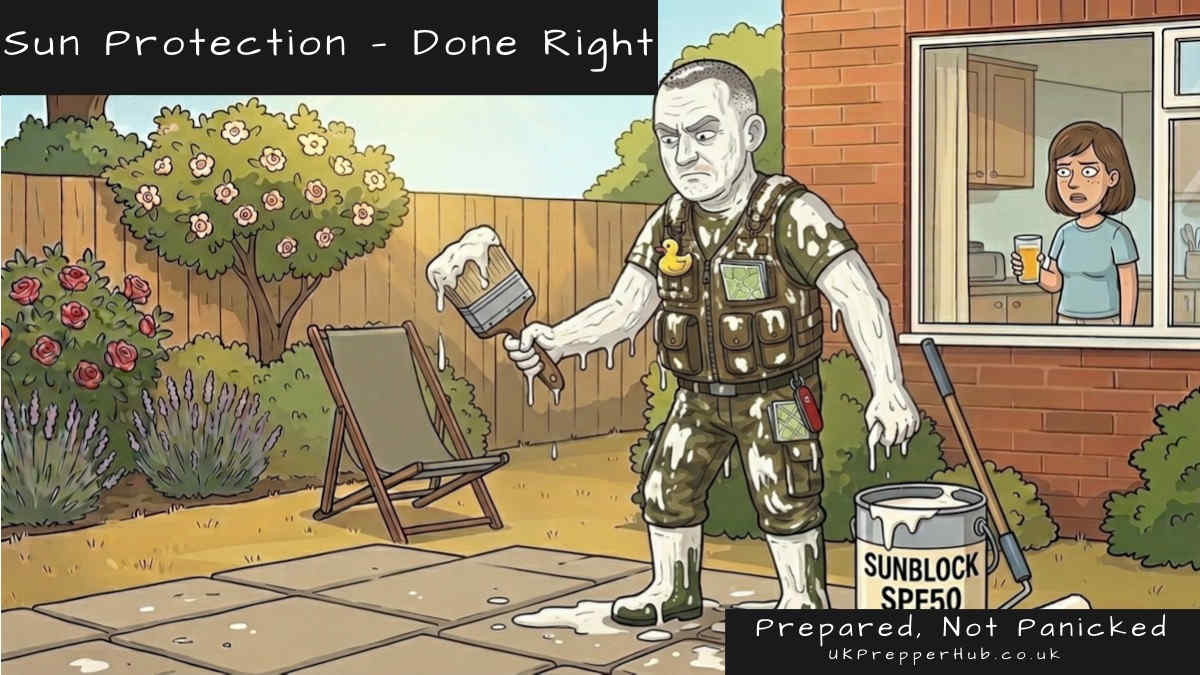
Most UK households own one tube of sunscreen. It lives at the back of the bathroom cabinet, it was bought for a holiday, and it’s probably out of date. Protecting your skin from the sun in the UK is not a holiday problem — it’s a seven-month-a-year household responsibility, and sunscreen is only part of the answer.
This guide covers everything a prepared household needs: when UV is actually dangerous, what the numbers on sunscreen labels mean, why your sunglasses might be making things worse, and what to do when it goes wrong. For the full picture on why this matters right now — including the UK’s record skin cancer figures — read our Special Report on UK Skin Cancer first.
When Is UV Actually Dangerous in the UK?
The honest answer is: more often than most people assume.
In the UK, the UV index reaches 3 or above — the threshold at which skin damage can occur — from mid-March to mid-October. That is seven months of the year. During that window, meaningful UV exposure happens on cool days, overcast days, and days that feel nothing like beach weather.
The reason is straightforward: over 90% of UV rays penetrate cloud cover. Temperature and cloud cover tell you how the weather feels. They do not tell you what the UV is doing to your skin. The UV index does that — and you can check it on any weather app.
Peak risk hours are 11am to 3pm. But UV exposure outside those hours is still real, particularly in June and July when the days are long and the sun stays high for longer.
The practical upshot: if you are going to be outside for more than 20 minutes between mid-March and mid-October, sun protection is relevant. Not just on hot days. Not just at the beach. On a Tuesday in April doing the garden.
Sunscreen: Getting It Right
Sunscreen is the most portable form of sun protection and the one most people are familiar with — but most people are also using it wrong, or buying the wrong type.
SPF: what the number actually means
SPF measures protection against UVB rays — the ones that cause sunburn. SPF 30 blocks approximately 97% of UVB. SPF 50 blocks around 98%. The difference between them is smaller than the numbers suggest. Both are adequate for most situations. The bigger issue is whether you are applying enough and reapplying regularly.
SPF 30 is the minimum. Products below that offer inadequate protection for everyday outdoor exposure in the UK.
The star rating: the number people miss
The star rating on UK sunscreens measures UVA protection — completely separate from SPF. UVA is the longer-wave radiation that penetrates deeper into the skin and contributes to the kind of cumulative damage that builds up over years without a single obvious sunburn. You cannot feel UVA working. It does not cause redness. It does its damage quietly.
Look for 4 or 5 stars alongside your SPF 30 or 50. A high-SPF product with a low star rating is not giving you full protection.
How much, and how often
Most people apply about a quarter of what they should. For full-body coverage, you need around six to eight teaspoons. For face and neck alone, half a teaspoon. Apply 15 to 30 minutes before going outside, and reapply every two hours — or immediately after swimming, towelling, or heavy sweating.
Formats for kits
A large bottle is fine for the bathroom. For go bags, first aid kits, car kits, and rucksacks, sachets are the practical choice — single-use, compact, no half-open bottle going rancid in a bag for two years.
Lifesystems Sun Cream Sachets
SPF50 with 5-star UVA in a sealed single-use sachet — the sun cream that actually belongs in your first aid kit, not in a crusty bottle at the back of a drawer.
Our Full Review: Lifesystems Sun Cream Sachets →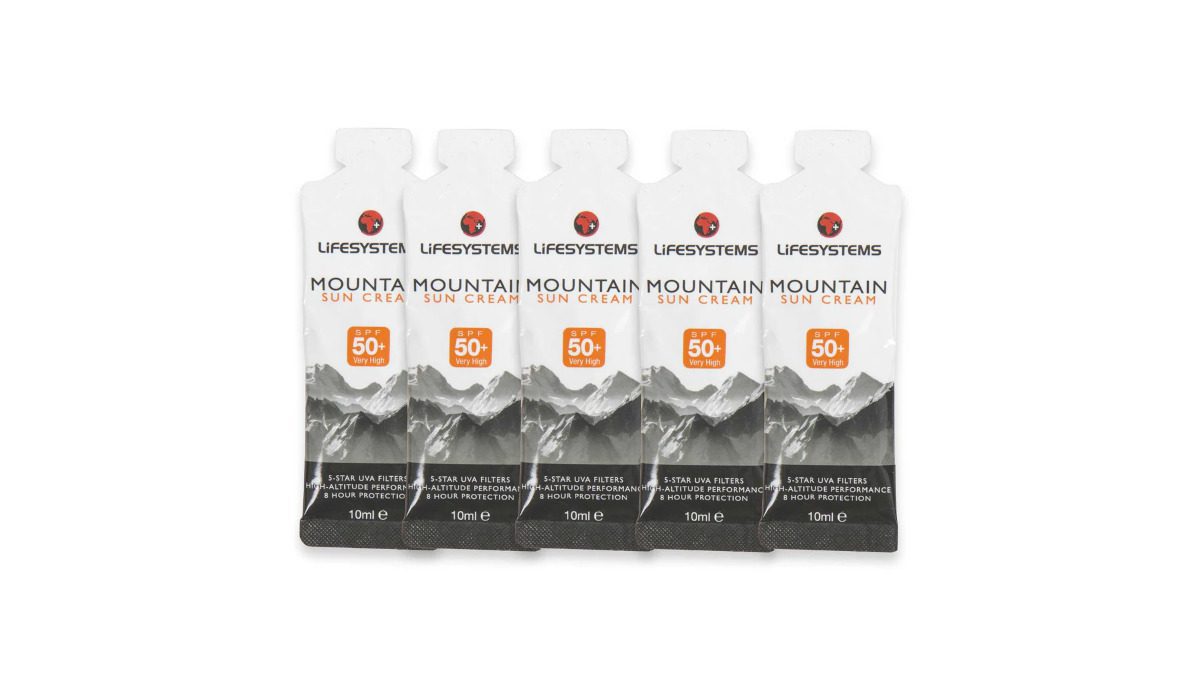
For outdoor workers, walkers, or anyone likely to be outside for a full day, once-a-day formulas designed to last 8 to 10 hours offer a practical alternative to constant reapplication.
Riemann P20 Sensitive SPF50+ Sun Protection Lotion 200ml
One application in the morning, protected all day — Riemann P20 Sensitive SPF50+ is the once-a-day sunscreen built for people who won’t stop to reapply.
Our Full Review: Riemann P20 Sensitive SPF50+ Sun Protection →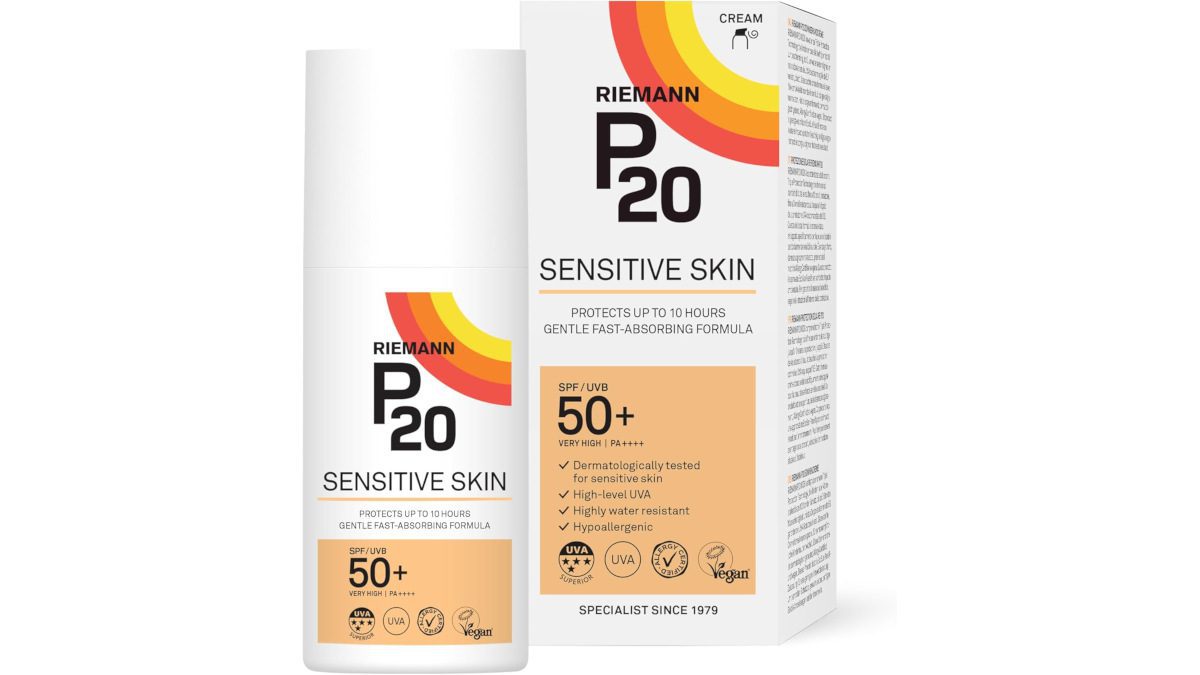
Hats — Wide-Brimmed or Don’t Bother
A hat provides shade. A baseball cap provides shade to your face, and to approximately nowhere else — the ears, the back of the neck, and the tops of the shoulders are all exposed. These are among the most common sites for skin cancer in men.
Wide-brimmed means at least 7.5cm (3 inches) of brim all the way round. Anything less is decoration rather than protection.
If you are buying a hat specifically for sun protection, look for a UPF (Ultraviolet Protection Factor) rating. UPF 50+ blocks 98% of UV rays. Standard cotton or straw hats offer significantly less, particularly when wet or worn through.
Sunday Afternoons Ultra Adventure Hat
UPF 50+ rated through every panel and every ventilation hole — a wide-brim sun hat with a built-in 6-inch neck cape that covers the exposure zone most hats miss completely.
Our Full Review: Sunday Afternoons Ultra Adventure Hat →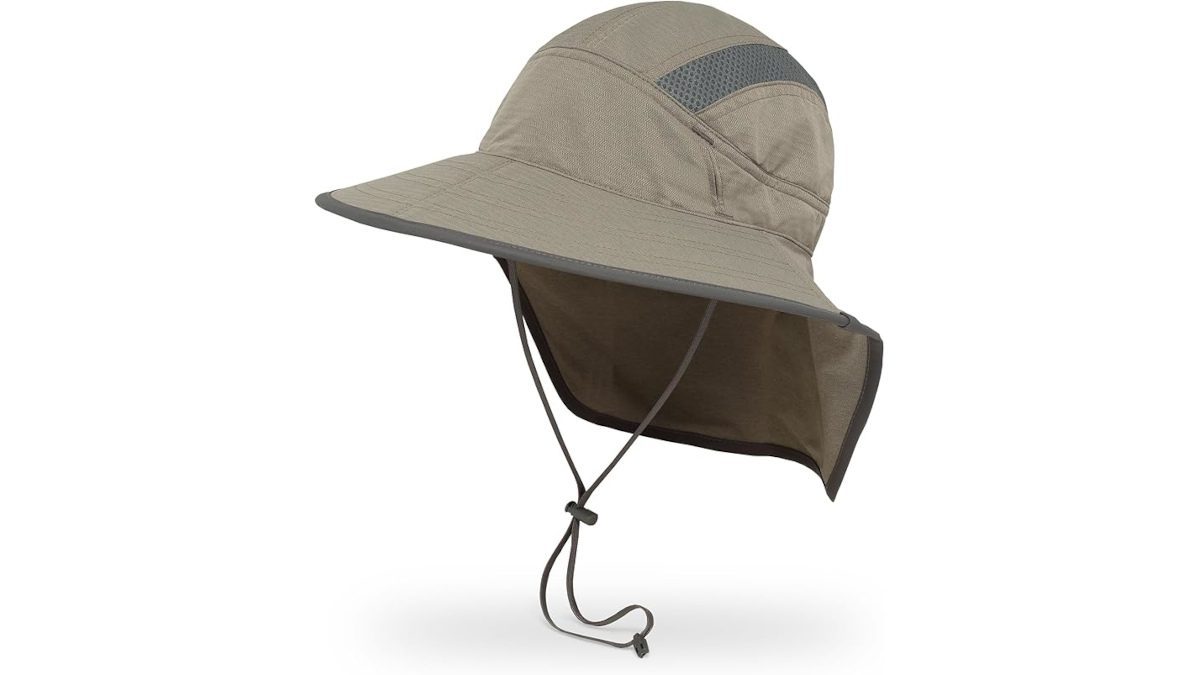
Clothing and UV Protection
Clothing is excellent sun protection — but not all clothing is equal, and the gap between what people assume and what is actually true is significant.
A standard white cotton t-shirt offers around UPF 5 — which means it blocks roughly 80% of UV. That sounds reasonable until you consider that SPF 30 sunscreen blocks 97%. The t-shirt is not adequate protection on its own, particularly when wet, when the fabric stretches, or when worn over an extended outdoor period.
Dark, tightly woven fabrics offer better protection than light, loose weaves. Purpose-built UV-protective clothing carries a UPF rating — UPF 30 to 50+ — and maintains that protection when wet and over time, unlike standard clothing where protection degrades with washing and wear.
For anyone spending regular time outdoors — gardening, working outside, walking, cycling — a UPF-rated long-sleeved layer is one of the most effective and lowest-effort forms of sun protection available.
Craghoppers Kiwi II Long sleeved UV and anti-bite shirt
UPF 50+ sun protection and physical insect resistance built into one shirt — no reapplying, no bottles, no stopping mid-walk. Craghoppers Kiwi II, S to 4XL Plus.
Our Full Review: Craghoppers Kiwi II Long sleeved UV and anti-bite shirt →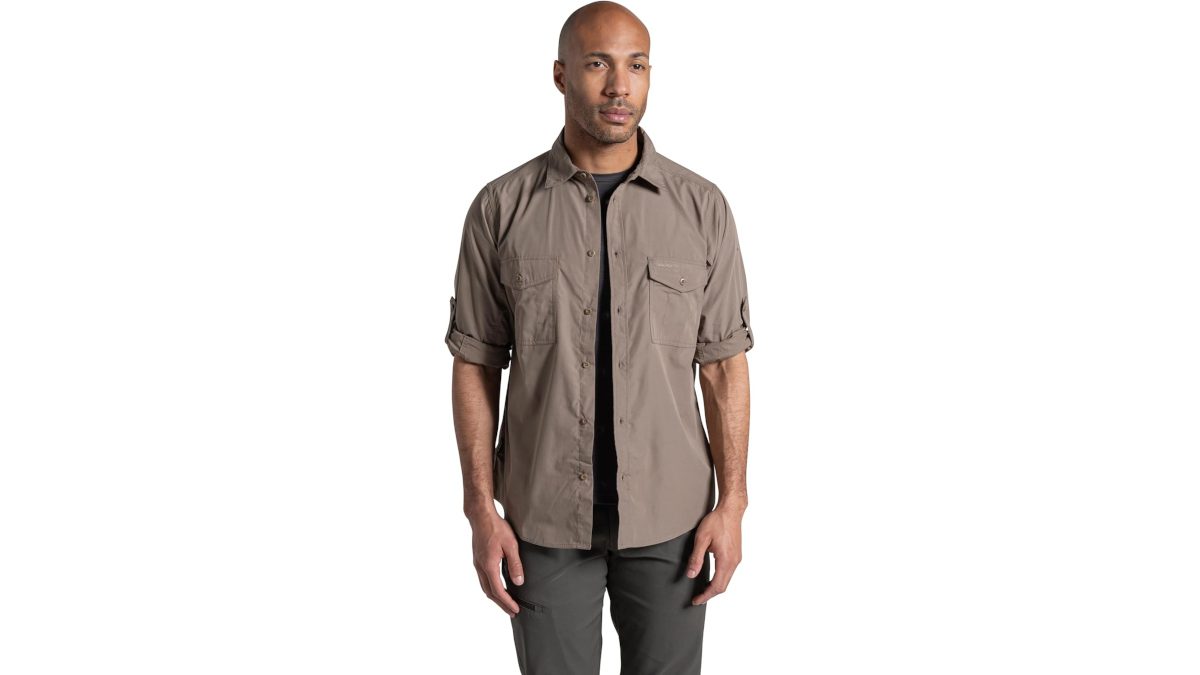
Eyes — The Problem With Dark Lenses
This is the one most people get wrong, and the consequences build up slowly enough that nobody connects the dots until much later.
Dark lenses do not protect your eyes from UV. Tint and UV protection are entirely separate properties. A lens can be very dark and offer zero UV protection. A lens can be completely clear and block 100% of UV.
Here is why dark lenses without UV protection are worse than no sunglasses at all: behind the dark glass, your pupils dilate. More light is let in. If that glass is not blocking UV, your eyes are now receiving more UV exposure than they would have received in ordinary daylight with no sunglasses on.
The conditions that result from cumulative UV exposure to the eyes include cataracts, macular degeneration, and photokeratitis — essentially sunburn on the surface of the eye. None of these announce themselves immediately. They accumulate over years of casual exposure.
What to look for: UV400 marking, or labelling that states 100% UVA and UVB protection. In the UK, the CE mark is required but does not guarantee UV400. Always check the specific UV protection claim on the label — not just the tint category.

🐔 Chicken Licken
Did You Know?
Dark sunglasses without UV400 certification let in MORE UV than no glasses at all — and nobody in the sunglass aisle is telling you that
Tifosi Optics Navar Sunglasses
Tifosi’s new Navar — UV400 certified, polycarbonate, wrap-around, six sizes, ten colour ways including clear. A trusted UK brand at a sensible price, proven before the review count catches up.
Our Full Review: Tifosi Optics Navar Sunglasses →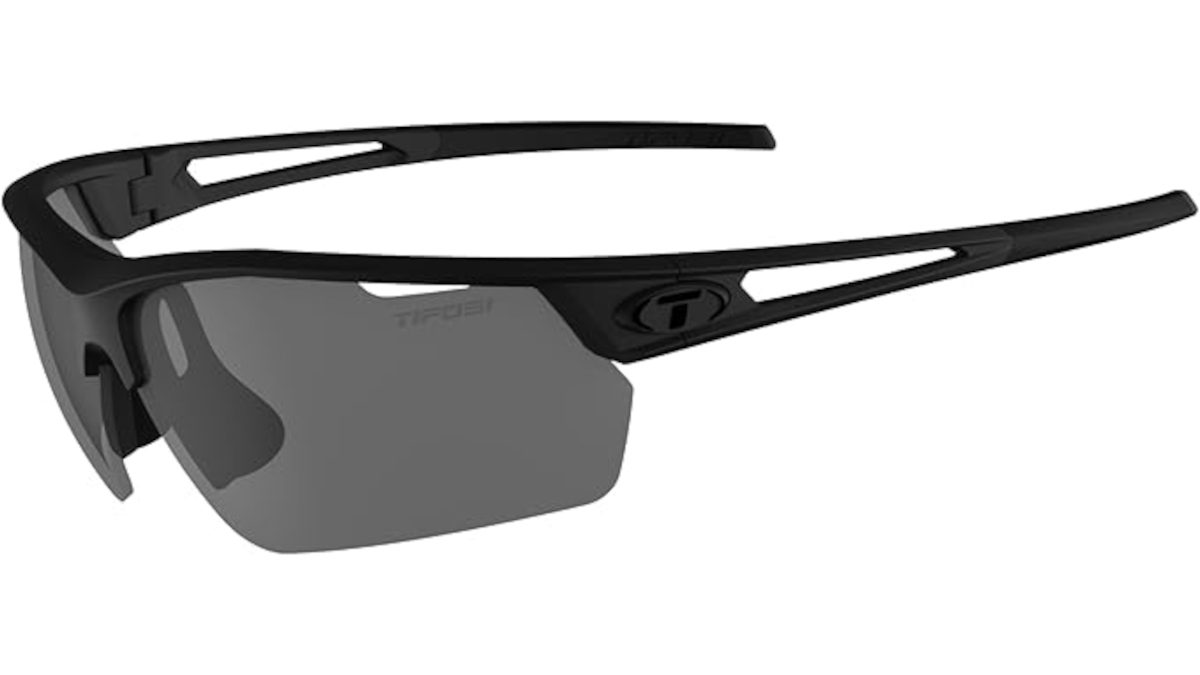
Protecting Your Skin From the Sun Year-Round: The Kit Mindset
The shift that makes everything else easier is simple: stop thinking about sun protection as something you pack for a holiday and start thinking about it as something that lives in your household kit.
That means it has a permanent home in more than one place:
- Bathroom cabinet — SPF 30 minimum within daily reach, not buried behind the dental floss
- First aid kit — a sachet or small tube alongside the plasters and antiseptic. Sun exposure is a health risk, not a cosmetic inconvenience
- Go bag — if you carry 72-hour kit, sun protection belongs in it. Extended outdoor exposure during any disruption is more likely than on a normal day, not less
- Car — heat degrades sunscreen faster, so use a small tube and replace it regularly. A car kit without sun protection is incomplete
- Rucksack or day bag — if you walk, cycle, run, or spend regular time outdoors, it travels with you
The same logic applies to hats, sunglasses, and UV clothing — not packed away in the holiday suitcase, but accessible as everyday kit from March onwards.
When It Goes Wrong: Sunburn First Aid
Prevention is the point. But sunburn happens — to people who forgot to reapply, to children who were outside longer than planned, to anyone who underestimated a cloudy afternoon. Knowing what to do is part of being prepared.
What to do
Get out of the sun immediately. Obvious, but the damage continues as long as exposure continues.
Cool the skin with cool water — not cold. A cool shower or a damp cloth works well. Ice and very cold water can cause additional shock to already-damaged skin. The goal is to reduce heat, not create a new problem.
Aloe vera gel is one of the most effective soothing agents for sunburn and is worth keeping in the fridge during the summer months — the cool temperature adds to the relief. Apply generously to affected areas.
Drink water. Sunburn draws fluid toward the skin surface. Dehydration follows more quickly than people expect, particularly in hot weather. Drink more than you think you need.
Aftersun lotion helps maintain skin hydration as it recovers. It is not the same as regular moisturiser — aftersun products are formulated specifically for sun-damaged skin and tend to contain soothing ingredients like aloe, chamomile, or cooling agents.
Loose, cool clothing over burned skin reduces irritation and further heat exposure.
Freshskin Aloe Vera Gel 100ml Tube
99% pure aloe vera in a 100ml kit-ready tube — cools sunburn, soothes insect bites, treats minor burns. An ancient remedy
Our Full Review: Freshskin Aloe Vera Gel 100ml Tube →
What not to do
Do not apply butter, oil, or any fat-based product. This is an old wives’ tale with real consequences. Fats trap heat in the skin and make the burn significantly worse. Keith’s granddad swore by it. Keith’s granddad was wrong.
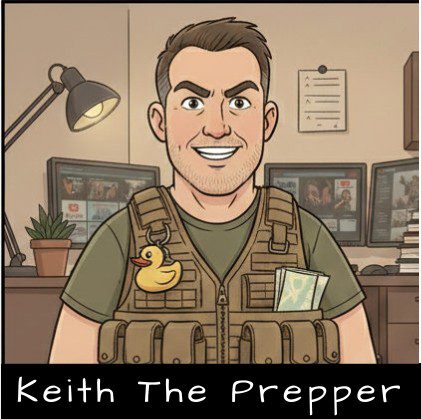
🦆 Keith
Don’t Be Keith
Absolutely certain butter is the correct treatment for sunburn because his granddad used it and he turned out fine
Do not use toothpaste. A recurring TikTok myth with no basis in anything. It will irritate already-damaged skin.
Do not pop blisters. Blistered skin has blistered for a reason — the fluid is part of the healing process and the blister wall protects against infection. Break it and you have an open wound.
When to get help
- Blistering over a large area of the body
- Fever, chills, or dizziness — these indicate the body is struggling to manage the heat load
- Confusion or extreme fatigue alongside sunburn — potential heatstroke, which is a medical emergency
- Children with significant sunburn — always seek medical advice at a lower threshold than you would for an adult
- Sunburn on an infant — call 111 or go to A&E
Frequently Asked Questions
Do I need sunscreen every day in the UK?
From mid-March to mid-October, yes — if you are spending time outdoors. You do not need to apply it before sitting at a desk by a window, but any meaningful outdoor exposure during those seven months warrants SPF 30 minimum. Outside that window, the UV index in the UK rarely reaches the damage threshold, though people with certain skin conditions or medications may need year-round protection.
What does SPF 30 actually mean?
SPF 30 means the sunscreen blocks approximately 97% of UVB rays — the ones responsible for sunburn. SPF 50 blocks about 98%. The difference is marginal. What matters more is applying enough (most people apply a quarter of what they should) and reapplying every two hours. Always check the star rating alongside the SPF — that tells you how well it protects against UVA, the deeper-penetrating radiation that causes long-term damage.
How do I treat sunburn at home?
Get out of the sun. Cool the skin with cool (not cold) water. Apply aloe vera gel — keep it in the fridge for extra relief. Drink plenty of water. Use aftersun lotion to keep the skin hydrated. Do not apply butter, oil, or toothpaste. Avoid tight clothing over burned areas. If blisters develop, do not pop them. Seek medical advice if there is fever, blistering over a large area, or sunburn on a young child.
How do I know if my sunglasses actually protect against UV?
Look for UV400 on the label, or a statement that the lenses block 100% of UVA and UVB. The CE mark required on glasses sold in the UK confirms basic optical safety standards but does not guarantee UV400. Tint darkness has no relationship to UV protection — a very dark lens with no UV400 marking offers less protection than a clear lens that does. When buying sunglasses, check the UV protection claim specifically, not just the lens category.
Build Your Resilience
Further Reading: Related Guides
All our guides can be found listed on our resilience hub.
Gear We’ve Tested & Reviewed
- Riemann P20 SPF50+
- Lifesystems Sun Cream Sachets SPF50
- Craghoppers Kiwi II Long Sleeve Shirt
- Sunday Afternoons Ultra Adventure Hat
- Tifosi Navar UV400 Sunglasses
- Freshskin Aloe Vera Gel 100ml
All our reviews can be found on our reviews and resources page.