

This post contains affiliate links. Learn more
The government emergency kit list is a sensible place to start, but it stops earlier than most people assume. As of 20 September 2026, the kit list on GOV.UK/Prepare covers a torch, radio, power bank, first aid kit, water, food that needs no cooking and a few hygiene basics. It has no toilet, no way to heat anything, no warmth for the house and no plan for cash. We covered what the official list actually says in our special report, and what every item on it costs in the companion list.
This page is the follow-up: what to add to an emergency kit once the official list is done, with one sensible pick for each gap and a running cost. Every product below is one we have already reviewed, so you can read the full write-up before you buy. You do not need all of it on day one, and several items are cheap.
What’s Missing From the Government Emergency Kit List, and What It Costs
| Item | Price |
|---|---|
| 1. Warmth at Home | £24.99 |
| 2a. Water: Pre-Filter | £14.79 |
| 2b. Water: Purification Tablets | £10.49 |
| 2c. Water: Filter Bottle (price varies by colour) | £38–£48 |
| 3. Toilet | £79.99 |
| 4. Cooking and Hot Drinks | £21.99 |
| 5. Area Lighting | £21.99 |
| 6. Carbon Monoxide Alarm | £29.99 |
| 7. Two-Way Radios | £26.93 |
| 8. Fridge-Cool Medication | £15.95 |
| 9. Cash | Your call |
| 10. Power Beyond a Power Bank (optional) | £179.00 |
| Total without the optional power station | ≈£285–£295 |
| Total with the power station | ≈£464–£474 |
Prices checked at time of writing — click any item to jump to it below, or check the button on each card for the current price.
📋 Calm Clarissa
Start with the checklist for the official list itself — one page, ten items, a box to tick as you buy each one. Then come back here for everything it leaves out. Free to download, obviously.
Download the Free Checklist →What the Government Emergency Kit List Leaves Out, Item by Item
1. Warmth at Home
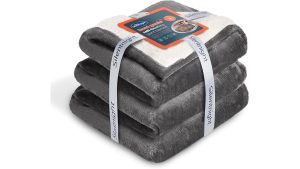
On the government emergency kit list, blankets and warm clothes appear only in the car boot kit. There is nothing for keeping warm at home when the heating goes off, and in a British winter that is usually the first thing you notice in a power cut.
The Silentnight Genie is a fleece throw with a foil layer that reflects your own body heat back at you, so it needs no power, no batteries and no fuel. It will not heat a room, but it makes a cold evening much more bearable for very little money.
Silentnight Genie Self-Heating Throw
If you’re looking for a simple way to stay warm without turning the heating up, this is a low-cost option with zero running costs. It’s especially worth considering for cold homes, power cuts, or anyone wanting extra warmth without relying on electricity.
Our Full Review: Silentnight Genie Self-Heating Throw →
2. Water Beyond the Bottles
The government emergency kit list says bottled water, and it is candid that there is no standard figure. It cites the WHO minimum of 2.5–3 litres per person per day for drinking, and says around 10 litres a day covers basic cooking and hygiene too. What it does not say is what to do when the bottles run out. That is where three cheap, complementary items come in: one takes the muck out, one makes the water safe, and one filters it finer and lets you carry it.
2a. Take Out the Sediment

A Millbank bag is a gravity-fed cotton canvas filter that strains sand, silt, mud and debris out of cloudy water. It does not purify anything, and it is not meant to. It simply means the next two steps are not fighting a bucket of muddy water.
Forest Fundamentals Millbank Bag
The overlooked first step that extends the life of any fine filter — pre-filter sediment and particulates from collected water before it hits your main purification system.
Our Full Review: Forest Fundamentals Millbank Bag →
2b. Make It Safe to Drink

Purification tablets release a measured dose of chlorine that neutralises harmful microorganisms. Each tablet in this pack treats between one and two litres, so the cautious rule is one tablet per litre: a reused 5-litre bottle takes five. Follow the instructions on the pack for how long to leave it before drinking. A pack of tablets weighs almost nothing and lasts for ages, which is why it earns its place.
Aquatabs 8.5mg Water Purification Tablets
A pack of 100 Aquatabs 8.5mg water purification tablets for emergency drinking water, hiking and camping kits.
Our Full Review: Aquatabs 8.5mg Water Purification Tablets →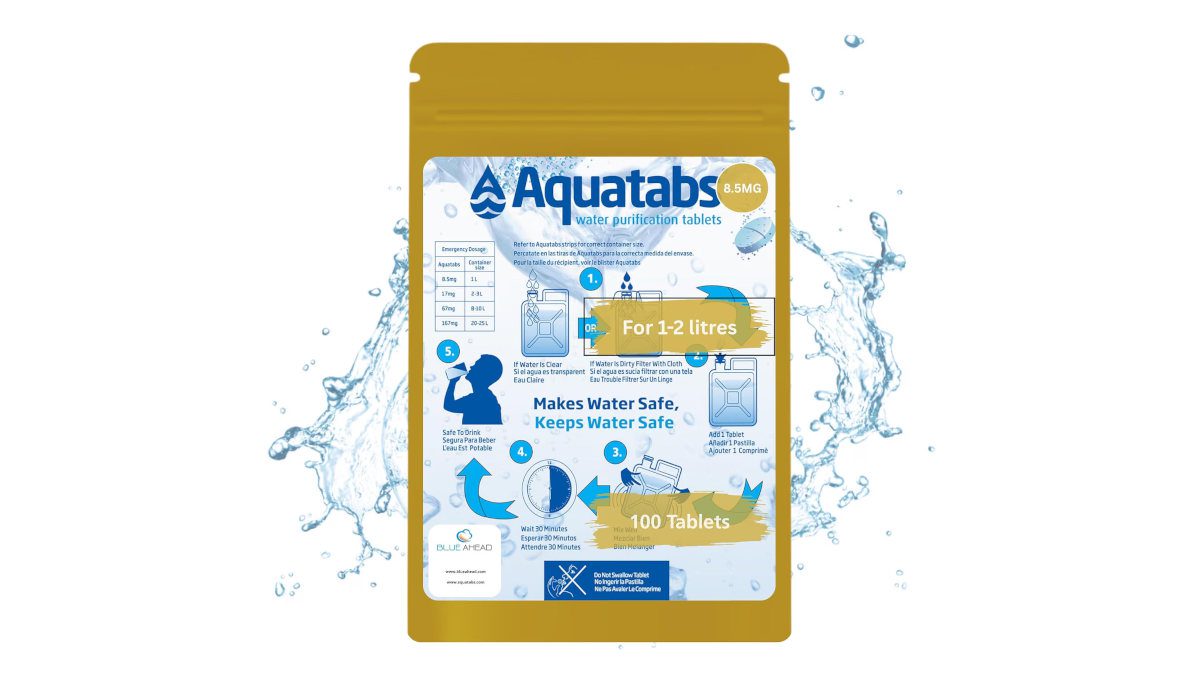
2c. Filter Finer, and Carry It

The LifeStraw Go is a bottle with a fine 0.2-micron membrane filter and an activated carbon capsule. The membrane does the safety work, and the carbon does the taste work, so it also helps take the chlorine taste out of water you have treated with tablets. It doubles as a bottle you can carry, which is handy if you need to fetch water from a standpipe or bowser.
LifeStraw Go Series Water Filter Bottle
Filters 99.999% of bacteria and parasites from any freshwater source — tap, stream, or puddle. If your water supply runs out, this turns almost any source you can find into something you can safely drink.
Our Full Review: LifeStraw Go Series Water Filter Bottle →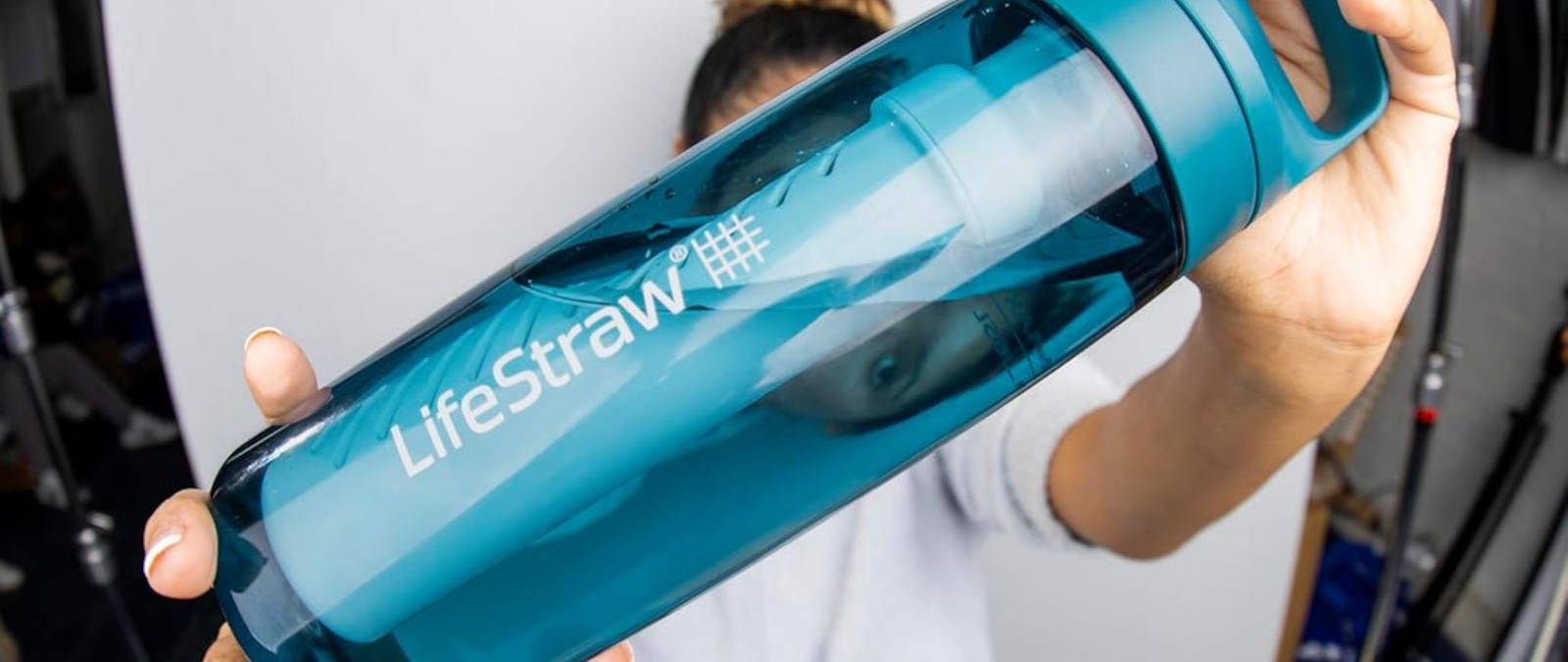
3. A Toilet
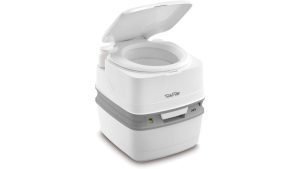
The government emergency kit list offers hand sanitiser and wet wipes for when the water is off, but nothing to replace the toilet itself. If the mains water fails, or flooding overwhelms the local sewers, that becomes a real problem within a day or so.
A cassette toilet like the Thetford Porta Potti 365 needs no mains, no power and no drains. It is standard kit on boats and in caravans, it stores in a cupboard, and it keeps waste sealed until you can empty it safely. Our full review covers the chemicals and flush water you will need alongside it.
Thetford Porta Potti
One of the most-reviewed portable toilets on Amazon UK: self-contained sanitation that needs no mains, no electricity and no plumber when the flood hits.
Our Full Review: Thetford Porta Potti →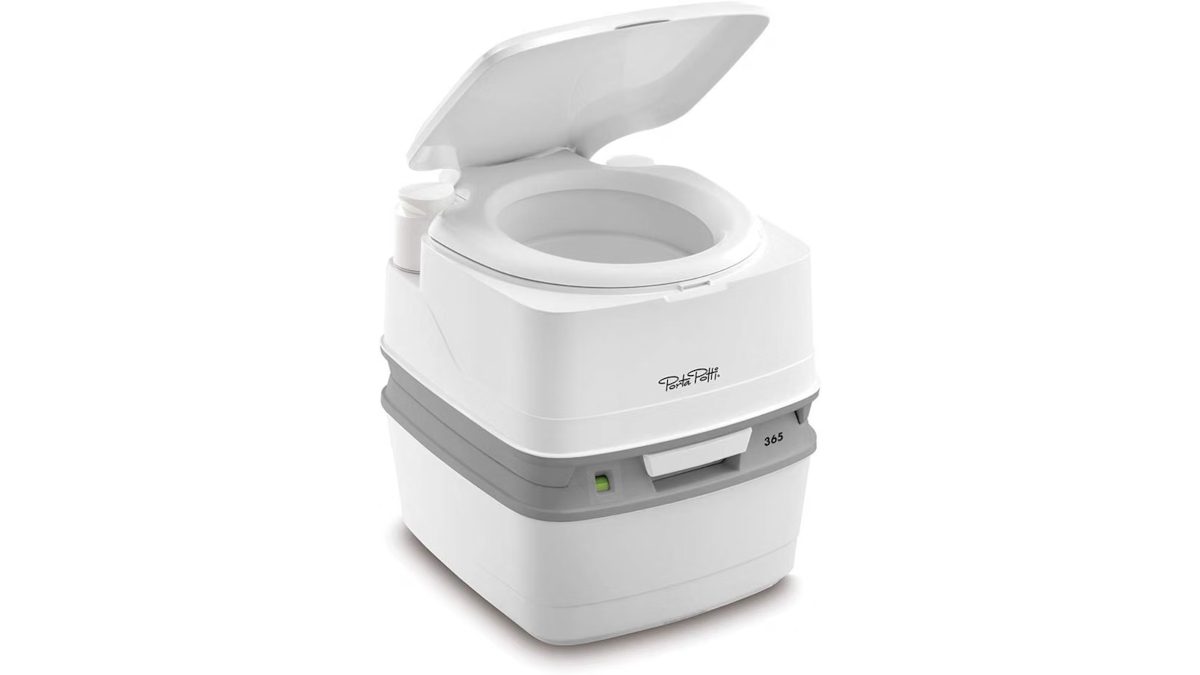
4. Cooking and Hot Drinks
The government emergency kit list is built around food that needs no cooking, and it has no stove, no fuel and no way to boil water. That is fine for a day. By the third day of cold tins, a hot drink and a hot meal make a real difference to morale.
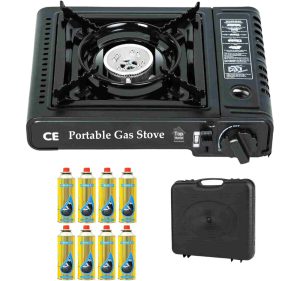
A simple butane camping stove is cheap, light and easy to store. Use it outdoors or with plenty of ventilation, never in a sealed room, and never in a tent or a shed with the door shut. That is exactly why the next item on this page matters.
Portable Camping Stove with Cary Case & 8 Butane Gas
Will this cooker perform well enough to feed your family when the power goes out?

5. Area Lighting

The government emergency kit list recommends a torch, and it is right that torches are safer than candles. But a torch lights one spot and needs a hand or a head to hold it. A lantern lights the whole room, so you can cook, read or move around without playing the beam across everything.
The Energizer Hybrid Solar Lantern can run from solar, batteries or a wind-up handle, so it keeps working whichever of those you happen to have left.
Energizer Hybrid Solar Lantern
Three ways to stay lit when the grid goes down — USB rechargeable, solar top-up, and AA battery backup. Batteries included.
Our Full Review: Energizer Hybrid Solar Lantern →
6. A Carbon Monoxide Alarm
The government emergency kit list mentions checking your smoke alarms, but it says nothing about carbon monoxide. In an emergency that risk rises: people improvise with stoves, heaters and generators indoors, and carbon monoxide has no smell, no colour and no warning.
The FireAngel SCB10-R is a combined smoke and carbon monoxide alarm with a sealed ten-year battery, so it keeps working through a power cut. If you add a stove or any kind of heat source to your kit, add this first.
FireAngel Combination Smoke and Carbon Monoxide Alarm
One sealed unit covering smoke and CO detection — with a 10-year battery that keeps it running during a power cut, when emergency stoves and heaters are out and a mains-wired alarm would already have gone dark.
Our Full Review: FireAngel Combination Smoke and Carbon Monoxide Alarm →
7. Two-Way Radios
The government emergency kit list has a battery or wind-up radio and a paper list of phone numbers. That is good for receiving information, but it gives you no way to talk to anyone if the mobile network goes down.
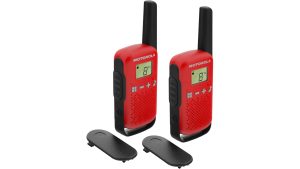
A pair of licence-free PMR446 walkie-talkies like the Motorola T42 lets you keep in touch with a neighbour, a relative down the road or someone who has gone to check on the water supply. They run on ordinary AAA batteries and the range is short, but for a street or a small estate that is usually enough.
Motorola T42 PMR446 Twin Pack
A £27 twin pack of Motorola PMR446 radios that run on AAA batteries — licence-free, instant pair, and the easiest first step in a household emergency comms setup.
Our Full Review: Motorola T42 Twin Pack →
8. Fridge-Cool Medication
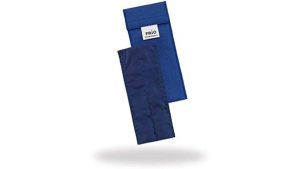
The government emergency kit list tells you to have enough medication for several days, and to keep a backup battery for medical equipment. It does not say what to do about medication that has to stay cool. If that applies to your household, it is a genuine gap, and one worth speaking to your pharmacist about.
A FRIO wallet keeps insulin and similar medication cool through evaporation. It needs no power, no ice and no batteries. It will not suit everyone, but for the people it does suit, it is one of the cheapest and most useful items on this page.
FRIO Insulin Cooling Wallet
Keeps insulin at safe temperature for 45 hours using only water — no electricity, no ice, no power required. Tested by the British Medication Devices Evaluation Unit and recommended by UK hospitals.
Our Full Review: FRIO Insulin Cooling Wallet →
9. Cash
The government emergency kit list does not mention cash at all. If the power goes off, card machines and cash points can stop working, and the shop that is still open may only be able to take notes and coins. Keep a small amount of cash in small denominations somewhere safe at home. There is no product to buy for this one, which is why it has no button, just a reminder.
10. Power Beyond a Power Bank (Optional)

A power bank is on the government emergency kit list, and it will charge a phone a few times. A power station is the step up, and it is genuinely optional, which is why we have shown the total both with and without it. It is by far the most expensive item here, so skip it if the budget is tight and come back to it later.
The Anker SOLIX C300 is a small, portable unit that can keep phones, a router or a small lamp going for much longer than a power bank can. We think it is the sensible entry into the category.
Anker SOLIX C300
The entry-level portable power station with LiFePO4 chemistry — 288Wh and 300W pure sine wave in something you can actually carry.
Our Full Review: Anker SOLIX C300 →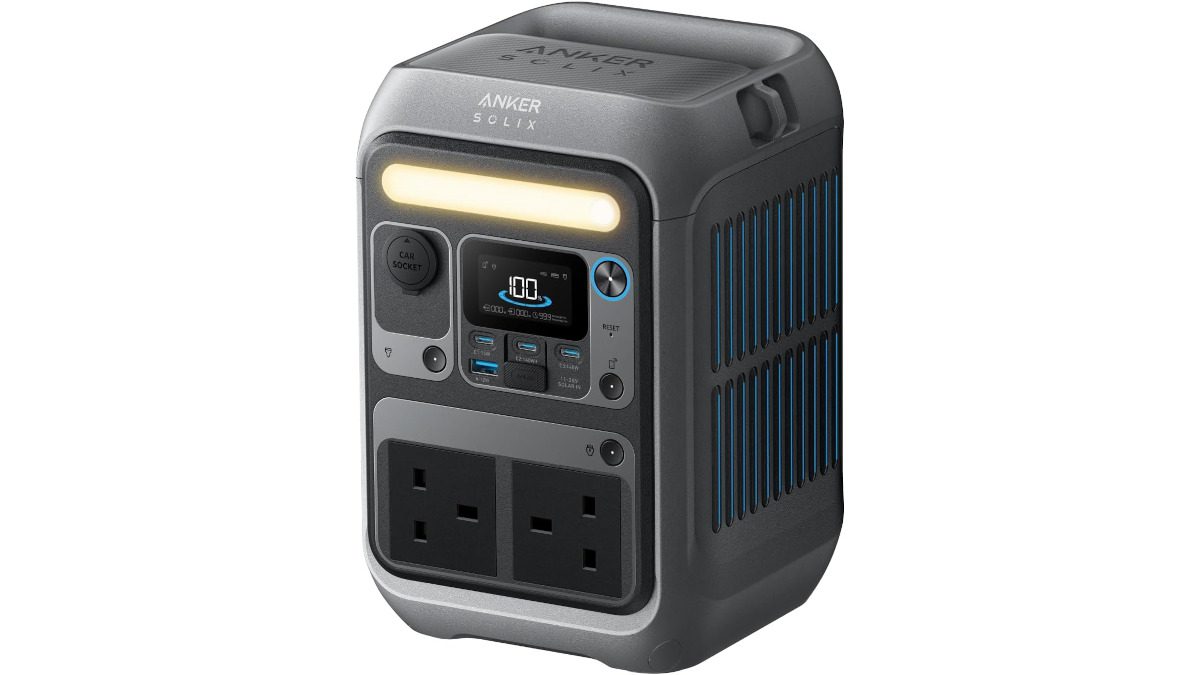
What Adding the Missing Items Actually Costs
Add it all up, at the prices checked when this page was written, and the extras come to roughly £285–£295 without the power station, or roughly £464–£474 with it. That is on top of the government emergency kit list itself, which we priced at about £213 in our companion list. It is not a precise live figure, since prices move and the buttons above always show the current price, but it is an honest ballpark.
And nobody needs everything. The government recommended emergency kit is written for every household at once, and the government emergency preparedness kit advice is deliberately generic, so your own gaps will differ. Most households already own a torch, a blanket or a stove of some kind, so the real cost of closing your own gaps is probably a lot less. Start with the toilet, the water chain and the carbon monoxide alarm, and add the rest as budget allows.
Pros and Cons of Adding These Extras
Pros
- Fills the real gaps in the government emergency kit list: warmth, cooking, toilet, cash and communications
- Every pick is a product we have already reviewed, so you can read the full write-up first
- Most items are cheap, and several are one-off purchases that last years
- The water items work as a system, so you can treat water from almost any source
- You can build it in stages, starting with whichever gap worries you most
Cons
- It adds real cost on top of the government emergency kit list, and the optional power station adds a lot more
- Not every household needs every item, such as fridge-cool medication storage
- A stove, a lantern or any heat source brings its own safety rules, especially around carbon monoxide
- It is still a home kit, and it does not cover leaving in a hurry, which is a separate job for a grab bag
Frequently Asked Questions
What is missing from the government emergency kit list?
As of 20 September 2026, the kit list on GOV.UK/Prepare has no toilet, no way to heat or cook anything, no warmth for the home, no plan for cash, no carbon monoxide alarm and no two-way communication. It also stops at bottled water, with no way to treat more.
Does the government emergency kit list include a toilet?
No. It suggests hand sanitiser and wet wipes for when the water is off, but nothing to replace the toilet itself. A cassette toilet is the usual answer.
How much water do I need beyond the government emergency kit list?
The official page says there is no standard figure. It cites the WHO minimum of 2.5–3 litres per person per day for drinking, and says around 10 litres a day covers basic cooking and hygiene too. Water treatment items let you use water from other sources when bottles run out.
How much does it cost to add the missing items?
Roughly £285–£295 without the optional power station, or roughly £464–£474 with it, based on prices checked when this page was written. Most households already own some of the items.
Do I need every item on this page?
No. Start with the toilet, the water chain and the carbon monoxide alarm, and add the rest as budget and your household’s needs allow. Fridge-cool medication storage only matters if you have medication that must stay cool.
What the Rest of the Team Think

🦆 Keith the Prepper
I read the government list and felt very reassured. Then my wife asked where the toilet was in the kit, and I realised I had never once written it down. There is now a column for it on my spreadsheet, and a second column for what happens if I take the stove into the utility room. I’m told the answer is that I do not.
⭐⭐⭐⭐⭐

🪖 Black Panther
The official list is a baseline. A baseline is not a plan. Warmth, sanitation, communications and carbon monoxide detection are the four gaps I close first. I have laminated the gap list and it is in the go-bag, next to the other laminated list.
⭐⭐⭐⭐⭐

🤡 Camping Clown
Yeah but the government list has no stove, and you cannot make a brew with optimism. I own four. The lantern is the one thing I’d tell everyone to buy before a second torch, and I’ve got a spreadsheet that proves it. Ignore the spreadsheet. Just buy the lantern.
⭐⭐⭐⭐
🐾 Weekend Warrior
Look, bro, this is the stuff that actually gets used. Pickle has claimed the warm throw and I have accepted this. The carbon monoxide alarm is the one I’d never skip, and I say that as someone who takes every fire and gas rule very seriously. Plan your gaps.
⭐⭐⭐⭐

🐕 Pickle
Snorgle.
⭐⭐⭐
(I have inspected the throw. It is warm. It is mine now. Dad has been informed.)
🐔 Chicken Licken
I am not saying the list is short on purpose. I am saying it does not include a walkie-talkie, and you should ask yourself why. Probably because it is a short list. Probably. I have bought two anyway, and a lantern, just in case the answer is the other one.
⭐⭐⭐⭐

📋 Calm Clarissa
The government emergency kit list has ten items. Our household equipment list has considerably more sections, and the ones on this page are Sections 4 through 9. Janet and I audit them quarterly. It is a very good starting point and it is exactly that. A starting point. Proper kit, proper result.
✅✅✅✅✅
💄 Survivl Gurl
Everyone posts the flat lay of their kit. Nobody posts the toilet, the cash or the carbon monoxide alarm, and those are the ones that actually matter. The lantern photographs beautifully though, so it is going in the story. 💕
⭐⭐⭐⭐

🌿 Aroura
The official list is a good root system, and these are the branches: warmth, clean water, a little light. I keep a flask of chamomile with mine, and the LifeStraw with the tablets taste of nothing at all, which I find very peaceful. Namaste 🙏
⭐⭐⭐⭐
Build Your Resilience
Further Reading: Related Guides
- Home Emergency Kit
- Emergency Water Storage
- Water Purification and Safety Guide
- Emergency Sanitation Guide
- Heating Without Electricity
- Cooking Without Power
- Emergency Lighting Guide
- Off Grid Communications
All our guides can be found listed on our resilience hub.
📡 Find Us Everywhere
Daily briefings, prep guides, and real-time updates across every platform. Pick yours.
Free. No commitment. Stay anonymous on WhatsApp & Telegram.
Stay Informed on UK Preparedness
Join our newsletter for UK-specific preparedness tips, product recommendations, and real-world advice for households.
Subscribe to Our Newsletter