
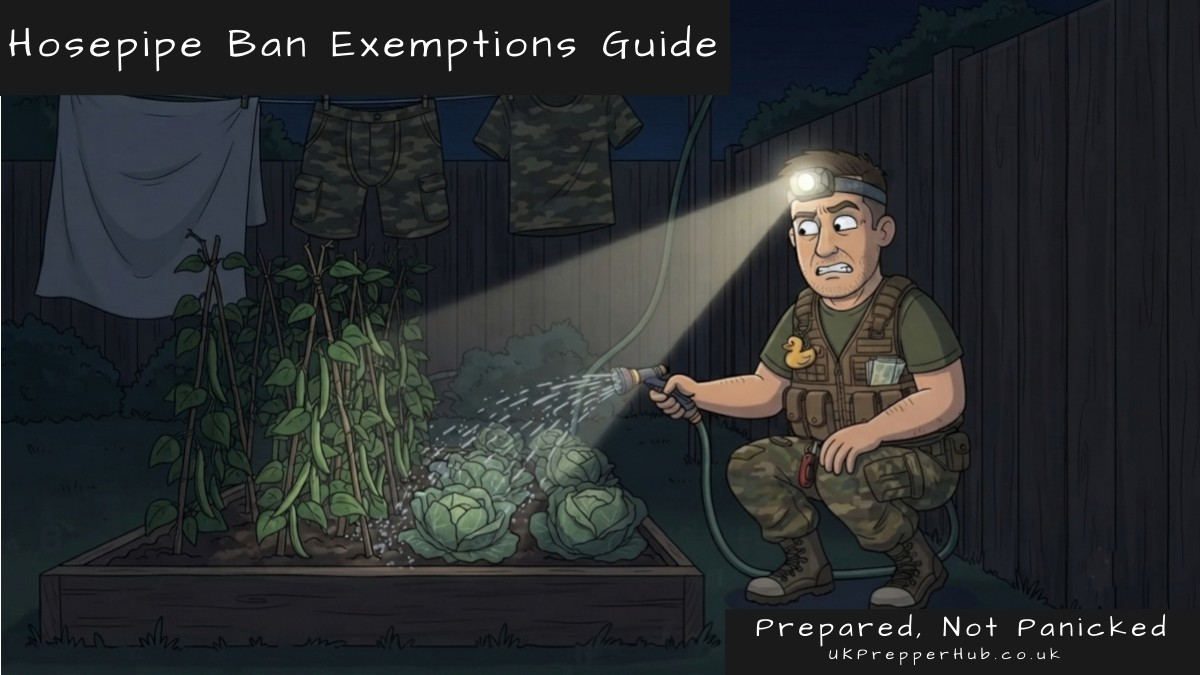
Most people think a hosepipe ban means no hosepipes, full stop. It doesn’t — and that single misunderstanding is why so many households either break rules they didn’t need to, or stop doing things they were never actually restricted from doing in the first place. Hosepipe ban exemptions cover far more ground than most people realise: livestock, fish ponds, food crops, and a watering can or bucket of any size are all completely unaffected, ban or no ban. What’s actually restricted is much narrower than the name suggests.
This guide sets out exactly what a hosepipe ban restricts, what it doesn’t, and the legal kit that keeps a household watering, washing, and cleaning through one without ever touching the mains.
What a Hosepipe Ban Actually Restricts
A hosepipe ban — properly called a Temporary Use Ban, issued under section 76 of the Water Industry Act 1991 — restricts one specific thing: a hosepipe connected to a tap fed by the mains water supply, used for a defined list of purposes. It doesn’t restrict hosepipes in general, and it doesn’t restrict water in general. The ban is about the connection, not the activity.
That distinction explains a rule most people get backwards. Filling a bucket or watering can from an outside tap, with no hose attached, has never been restricted under any ban — that’s exactly how a watering can is meant to be filled. The moment a hose is attached to that same tap, though, it becomes a hosepipe for legal purposes, even if all it’s being used for is filling a bucket a bit faster. Meanwhile, a hose connected to a water butt, rain barrel, or other stored, non-mains water source is entirely outside the ban, however it’s used — because it was never mains water to begin with.
Hosepipe Ban Exemptions — What You’re Still Allowed to Do
Every water company publishes its own list of exemptions, and the detail varies slightly between suppliers — Thames Water, Southern Water, and South West Water all publish their own exemption pages worth checking directly for a specific area. The core exemptions that show up consistently across suppliers are:
- Watering or providing water for livestock, pets, and fish — animal welfare use is exempt everywhere
- Filling or topping up a pond that keeps fish or other aquatic animals healthy
- Watering food crops at home or on an allotment with a hosepipe, where hand-watering with a can genuinely isn’t practical
- Newly planted turf, trees, hedges, and saplings, usually within a defined recent window
- Drip or trickle irrigation systems fitted with a pressure-reducing and timer valve
- Health, safety, and disability exemptions — Blue Badge holders and households on a supplier’s Priority Services Register
- Any hose connected to a water butt, rain barrel, tank, or other stored non-mains source, for any purpose
Every one of those remains completely legal, ban or no ban — which is exactly why the exemptions matter as much as the restrictions.
What’s Still Banned
Set against that list, what’s actually restricted is fairly short: watering the garden generally with a hosepipe or sprinkler, washing a car, filling or topping up a swimming or paddling pool, cleaning patios, driveways, windows, and walls, cleaning a private leisure boat, and filling a garden pond or fountain that doesn’t keep fish. All of it applies specifically to a hosepipe connected to the mains — the same jobs done from a bucket, a water butt, or stored rainwater are unaffected.

🦆 Keith
Don’t Be Keith
Keith organised an elaborate manual bucket-relay system with his wife to move water between two water butts every evening, refusing to believe a pump with a hosepipe connected could do the job, until he finally tries one and can’t explain why he didn’t sooner.
The Legal Kit That Keeps You Going
None of the restrictions above require giving anything up — they just mean using the right piece of kit for the water source that’s actually allowed. Three tools cover almost everything a household needs during a ban.
A Bucket-Fed Pressure Washer
A cordless pressure washer that can draw from a bucket rather than the mains tap covers washing the car, cleaning garden furniture, and rinsing down patios and bikes — all jobs that would otherwise be off-limits during a ban, done instead from water carried or collected rather than piped from the mains.
Blucky Pressure Washer
Runs from a bucket, a water butt, or even a weak mains tap, and turns it all into the same strong spray. The fix for low water pressure at home all year round, and just as handy the moment a hosepipe ban kicks in.
Our Full Review: Blucky Pressure Washer →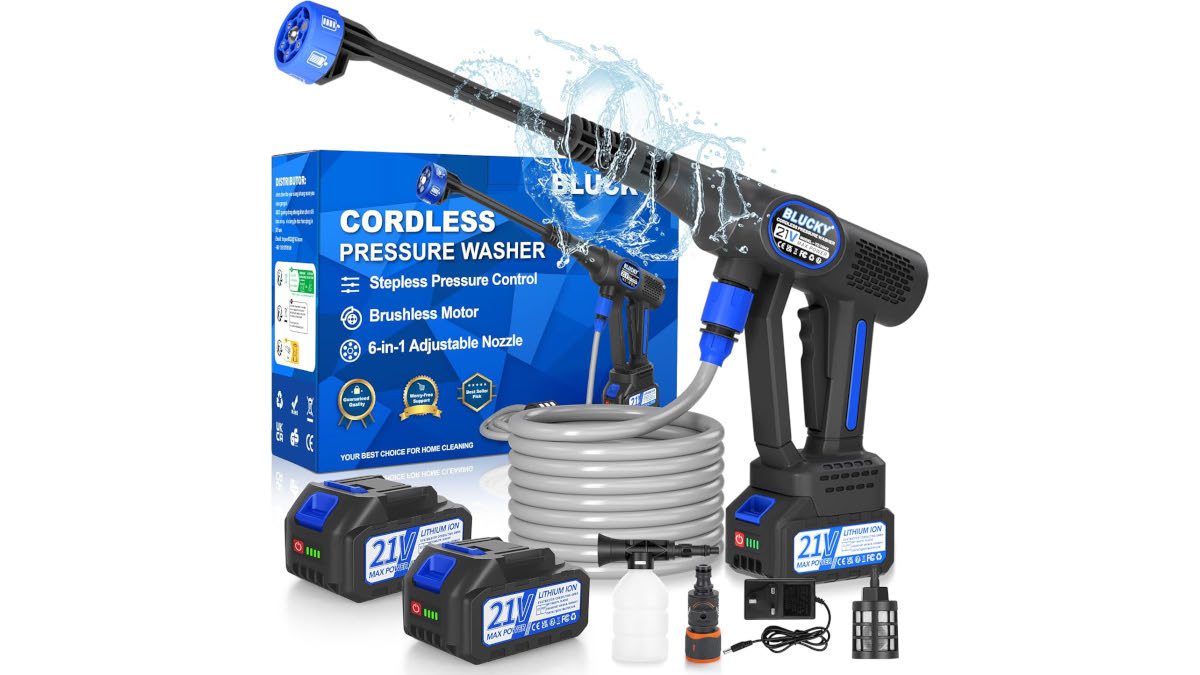
A Water Butt Pump
For everyday garden watering from a water butt, a dedicated pump turns a slow trickle or a hand-carried can into proper pressure on demand — genuinely useful whether or not a ban is in force, since it’s drawing from stored rainwater either way.
Gardena Rain Barrel Pump
Turns stored rainwater into real hose pressure — no more hauling watering cans, and it keeps working through a hosepipe ban since it never touches the mains.
Our Full Review: Gardena Rain Barrel Pump →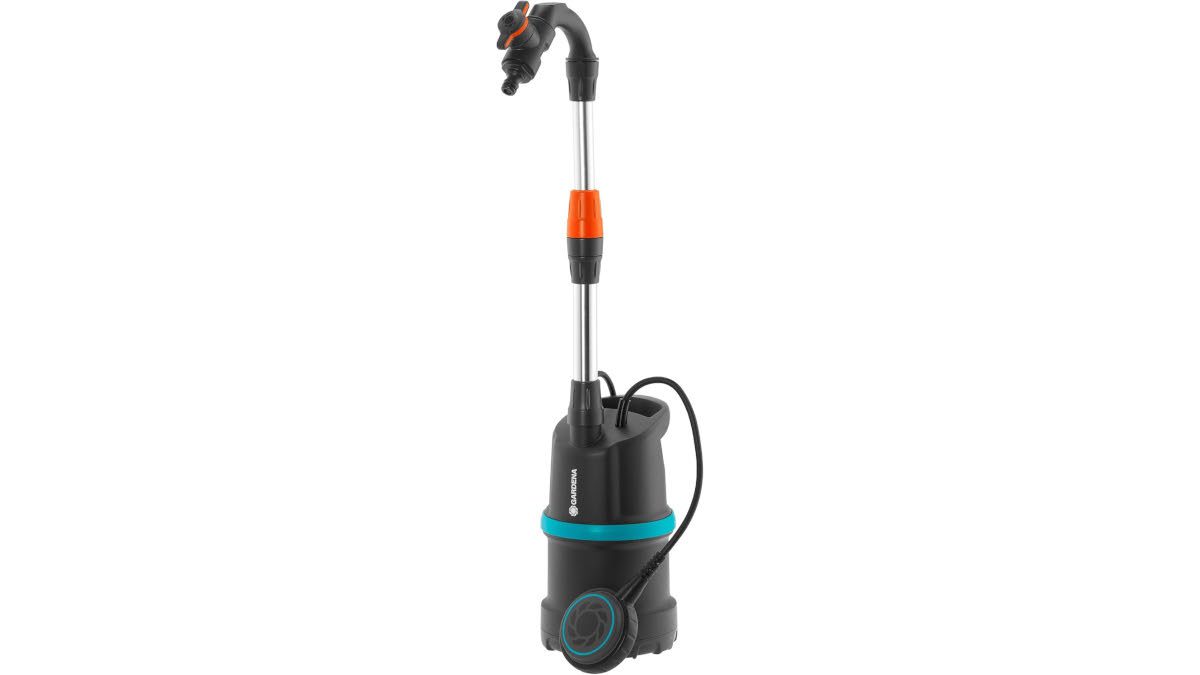
A Multi-Use Sump Pump
A higher-capacity submersible pump does the water butt job too, with the added benefit of handling dirty water — useful for draining a pond, and the same unit that moves water round the garden today is ready to clear a flooded cellar or garage if that ever becomes the more urgent problem.
VonHaus Submersible Water Pump
Clears a flooded cellar or garage at up to 7,500 litres an hour, and moves water from the rain barrel the rest of the time — one pump, two jobs.
Our Full Review: VonHaus Submersible Water Pump →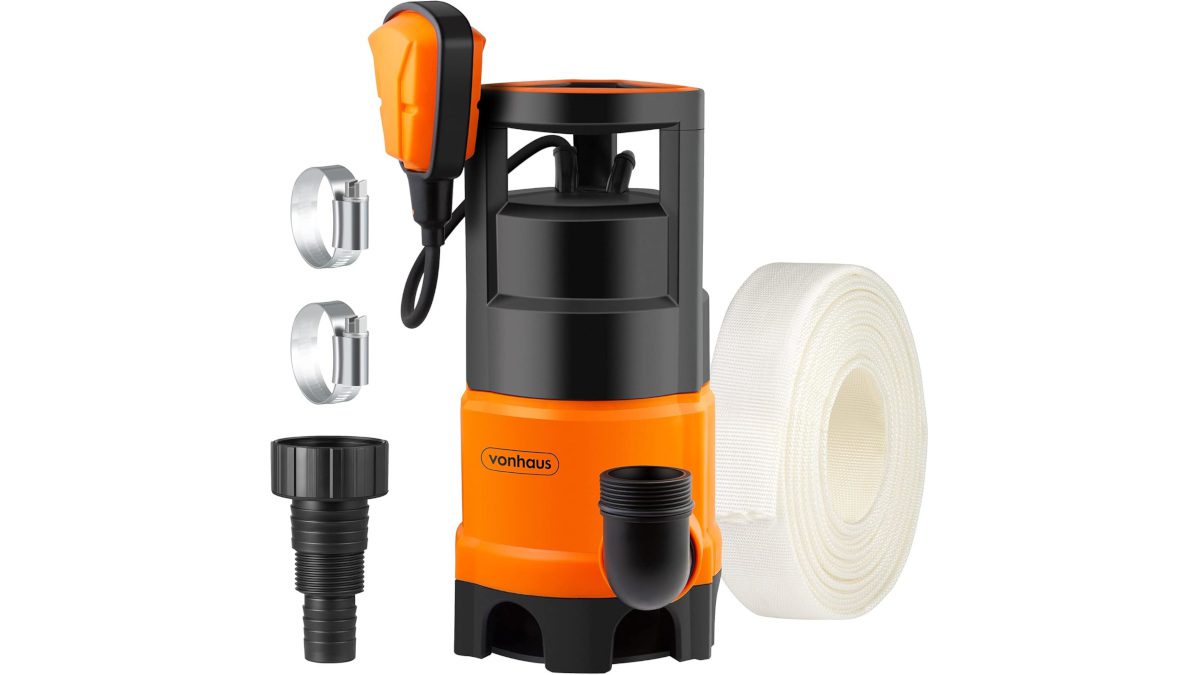

🤡 Camping Clown
He Has The £4,000 Version
I own an industrial-grade pressure washer with a hundred-metre hose reel that’s never actually been connected to anything, bought specifically for “hosepipe ban season” despite it needing mains pressure to work at all.
Frequently Asked Questions
What are the main hosepipe ban exemptions?
Watering or providing water for livestock, pets and fish, filling a pond that keeps fish healthy, watering food crops at home or on an allotment where hand-watering isn’t practical, newly planted turf and trees, drip irrigation systems, health and disability exemptions, and any hose connected to a water butt or other stored non-mains source.
Can I fill a bucket from an outside tap during a hosepipe ban?
Yes, always — filling a bucket or watering can straight from a tap, with no hose attached, has never been restricted under any hosepipe ban.
Why can’t I attach a hose to fill a bucket faster during a ban?
Because the ban is about the connection to the mains, not the specific task. The moment a hose is attached to a mains tap it becomes a hosepipe for legal purposes, regardless of what it’s being used for.
Can I use a pressure washer during a hosepipe ban?
Only if it’s drawing water from a bucket, water butt, or other stored source rather than connected to the mains tap. A pressure washer’s hose is treated exactly like a garden hosepipe under the rules.
Do all water companies have the same hosepipe ban exemptions?
The core exemptions are broadly consistent, but the exact detail varies by supplier — always check the specific water company’s own published list for the area in question.
What happens if I break a hosepipe ban?
Breaching a hosepipe ban is a criminal offence under section 76 of the Water Industry Act 1991 — the statute states a person who contravenes the ban “is guilty of an offence, and is liable on summary conviction to a fine not exceeding level 3 on the standard scale,” currently £1,000. Most suppliers issue a warning first rather than going straight to enforcement.