
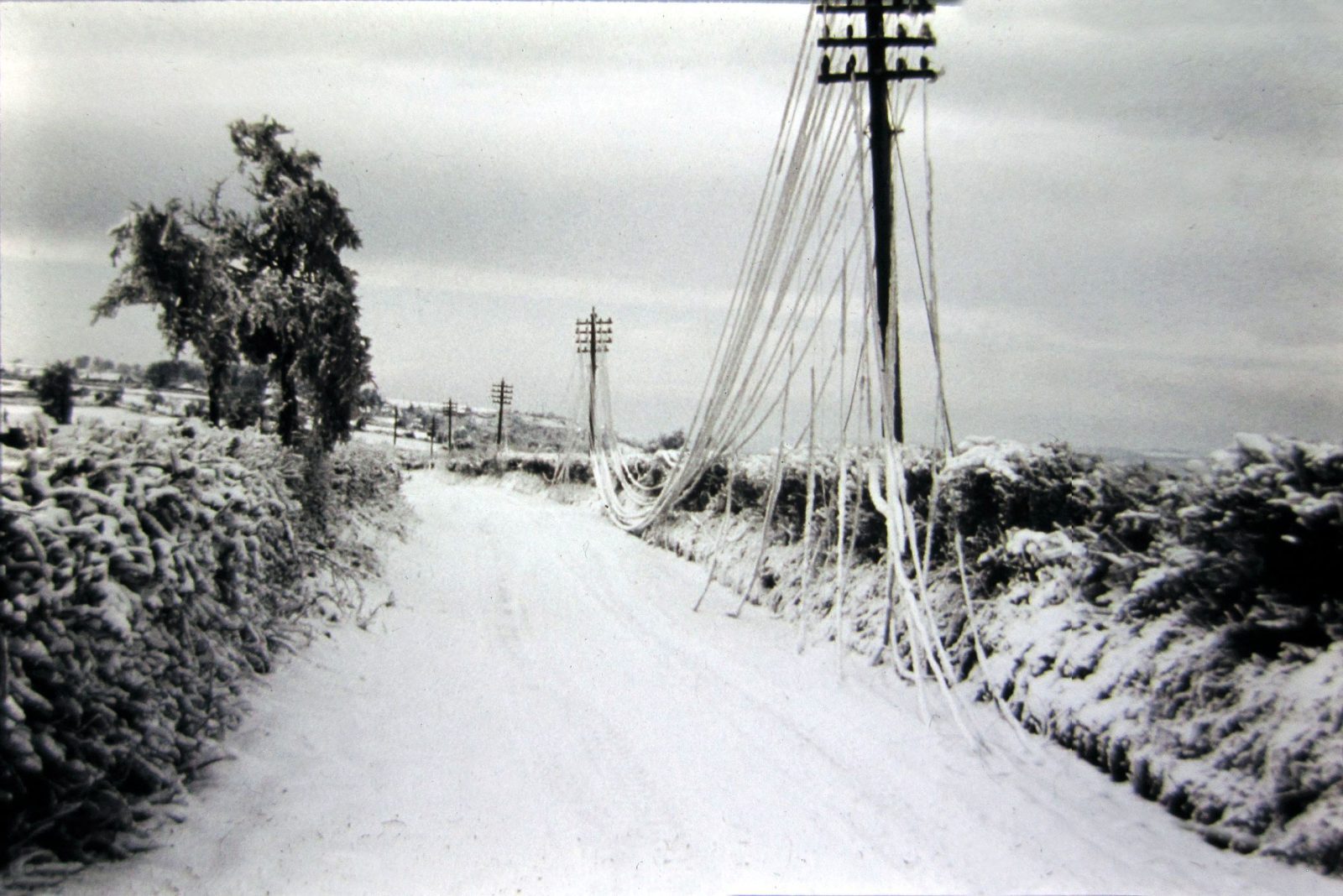
Cold weather preparedness in Britain isn’t theoretical — the country has already been tested. Badly.
In the winter of 1962–63, the UK didn’t collapse — it quietly failed.
No explosions. No headlines screaming disaster. Just frozen homes, empty deliveries, power cuts, and thousands of preventable deaths — spread across three months that most people spent convinced the thaw was just around the corner.
It remains the coldest winter Britain has ever recorded. And the lessons it left behind are still almost entirely ignored.
Three Months of Ice That Changed Britain
The freeze began just after Christmas 1962. Within days, temperatures had dropped to -20°C in parts of the country. Roads disappeared under snowdrifts. Railway lines buckled. Rivers froze. Even parts of the sea along the south coast turned to ice.
Most people assumed it would last a fortnight at most. It lasted until March.
What made the Big Freeze so damaging wasn’t just the cold itself — it was the cascading failure it triggered. Coal deliveries couldn’t get through. Electricity demand surged beyond what the grid could supply. Rolling blackouts became routine. Pipes froze inside homes, then burst when the thaw finally came. Rural communities were completely cut off for weeks at a time.
The UK in 1962 was already dependent on a centralised supply chain for heat, food, and power. When that chain broke, there was no backup.
When Power and Heating Fail First
The first thing to go was warmth. Britain in the early 1960s relied heavily on coal fires and electric heating — and both became unreliable almost immediately. Coal couldn’t be delivered through blocked roads and frozen railways. Electricity demand far outstripped supply.
Homes went cold fast. And they stayed cold.
The critical mistake that many households made was treating it as temporary. They sat and waited. They assumed the electricity would come back on, the coal lorry would arrive, the government would organise something. Weeks later, they were still waiting — only now the cold had settled in properly.

🦆 Keith
Don’t Be Keith
Keith assumed the heating would come back on and had no other way of heating the house.
Modern Britain is more dependent on electricity than ever. Most new homes have no chimney, no wood burner, and no backup heating whatsoever. We’ve traded resilience for convenience, and we haven’t noticed.
Complete Guide
Heating Without Electricity
A power cut usually takes the gas boiler down too. What still works, which emergency heaters are safe indoors, and what to have ready before winter.

Silentnight Heat Genie Self Heating Giant Blanket
If you’re looking for a simple way to stay warm without turning the heating up, this is a low-cost option with zero running costs. It’s especially worth considering for cold homes, power cuts, or anyone wanting extra warmth without relying on electricity.
Our Full Review: Silentnight Heat Genie Self Heating Giant Blanket →

One important safety note: when people improvise heating in cold emergencies — gas camping stoves indoors, charcoal burners, poorly ventilated wood fires — carbon monoxide poisoning becomes a real risk. A CO alarm is non-negotiable if you’re using any alternative heat source indoors.
FireAngel Combination Smoke and Carbon Monoxide Alarm
One sealed unit covering smoke and CO detection — with a 10-year battery that keeps it running during a power cut, when emergency stoves and heaters are out and a mains-wired alarm would already have gone dark.
Our Full Review: FireAngel Combination Smoke and Carbon Monoxide Alarm →
Food Doesn’t Vanish — It Stops Arriving
Britain in 1962 didn’t have supermarkets in the modern sense, but the supply chain failure pattern was identical to what we’d see today. Bread deliveries failed. Milk froze on doorsteps before it could be brought in. Fresh food rotted in lorries stranded on blocked roads. Rural areas ran out of basics entirely.
Families survived on whatever they already had at home. Those who had something stored were fine. Those who relied on daily deliveries were in trouble within days.
Our food system today is faster, more efficient, and far more fragile. Most supermarkets carry three days of stock. Most households have less than a week’s worth of food at any given moment. A prolonged transport disruption — whether from ice, flooding, fuel shortage, or anything else — would hit shelves within 48 hours.
Complete Guide
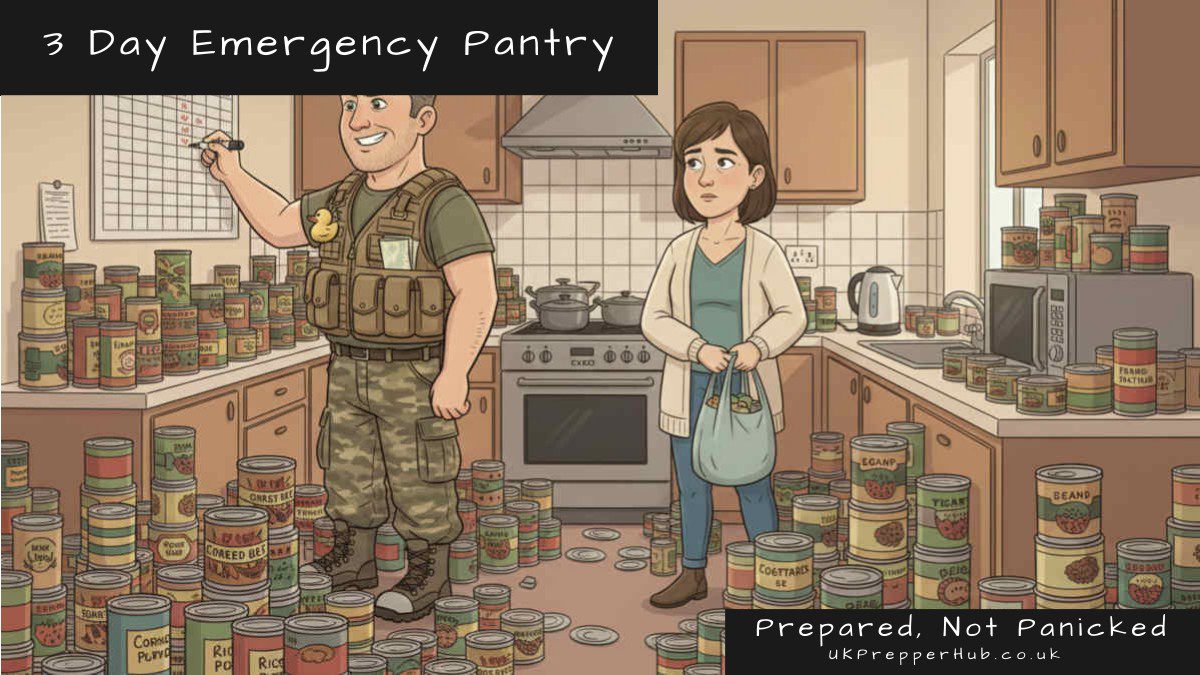
3-Day Emergency Pantry
The low-barrier start: A shopping list of shelf-stable meals that require zero refrigeration.
The Silent Death Toll
More than 20,000 excess deaths are linked to the winter of 1962–63.
The overwhelming majority weren’t dramatic. They were elderly people sitting alone in unheated rooms. Isolated residents who couldn’t get help and didn’t ask for it. Cold-related illness that overwhelmed a health service already stretched thin. Delayed emergency responses because roads were impassable.
This is the reality of cold weather emergencies that never makes it into the headlines: it doesn’t look like a disaster film. It looks like a quiet accumulation of bad situations, in homes across the country, mostly affecting people who were already vulnerable.
🐔 Chicken Licken
Did You Know?
More people died from sitting quietly in cold houses than from anything dramatic — it’s the slow, invisible pressure that actually kills in a prolonged cold emergency
Cold Weather Preparedness: What the Big Freeze Still Teaches Us
The lessons from 1962–63 haven’t changed. What has changed is our capacity to ignore them.
Heat without assumptions. Don’t assume the central heating will keep working. Have a fallback — even a good thermal throw, a sleeping bag rated for low temperatures, or a safely-used portable heater makes the difference between a difficult night and a dangerous one.
Food without daily deliveries. A week’s worth of long-life food requires almost no space and costs very little to maintain. It doesn’t need to be elaborate — tins, dried pasta, oats, and UHT milk will keep a household fed through almost any short-term disruption.
Water when pipes freeze. Frozen pipes were common in 1962. They’re still common today. Stored water — even just a few large containers filled from the tap — means a burst pipe or frozen supply doesn’t immediately become a crisis. Know where your stopcock is and how to use it.
Community over isolation. The people who came through the Big Freeze best weren’t necessarily the best prepared — they were the ones who looked out for each other. Check on neighbours, particularly elderly ones, when severe cold hits. It’s the oldest form of resilience there is.
Complete Guide
Keep Warm Without Heating
When a cold snap hits and the boiler gives up, the house loses heat fast. How to keep warm without heating, fix a frozen condensate pipe, protect your pipes, and spot hypothermia in someone vulnerable before it gets serious.
Read the Full Guide: Keep Warm Without Heating →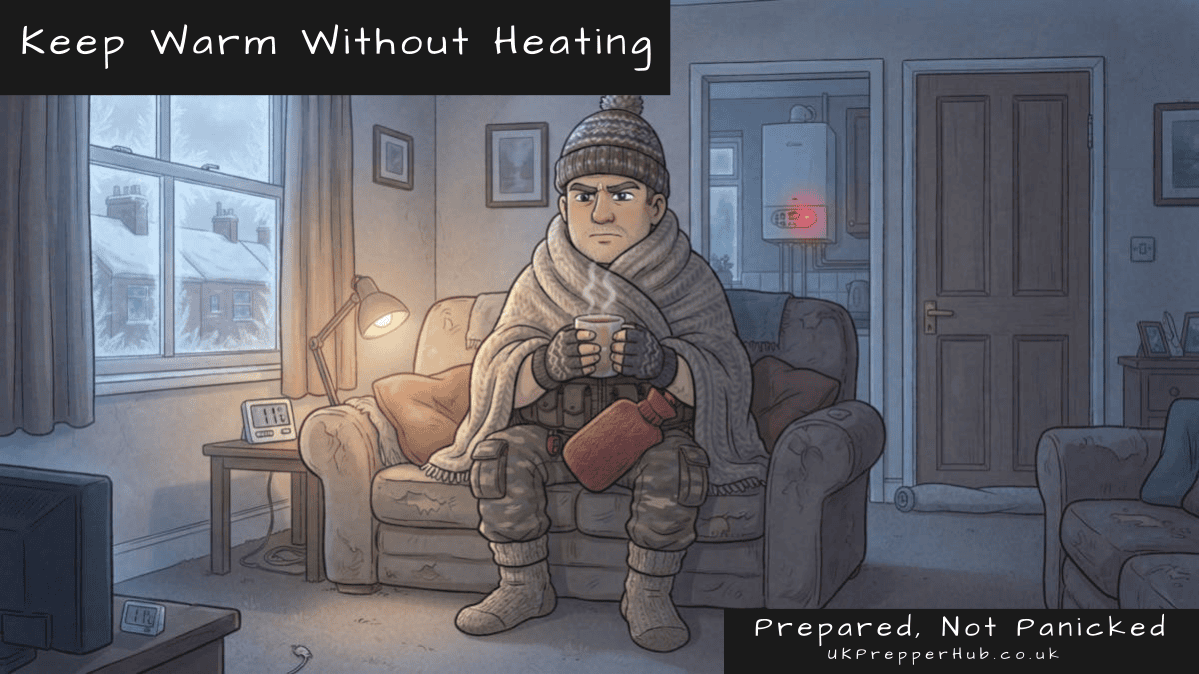
Complete Guide
Animals in Extreme Weather
our pets can’t tell you they’re struggling — and by the time the signs are obvious, it’s often already serious. This guide covers dogs, cats, rabbits and guinea pigs in heat and cold: heatstroke signs, the pavement test, frozen Kong treats, breed-specific coats, rock salt risks, and what to do in an emergency.
Read the Full Guide: Animals in Extreme Weather →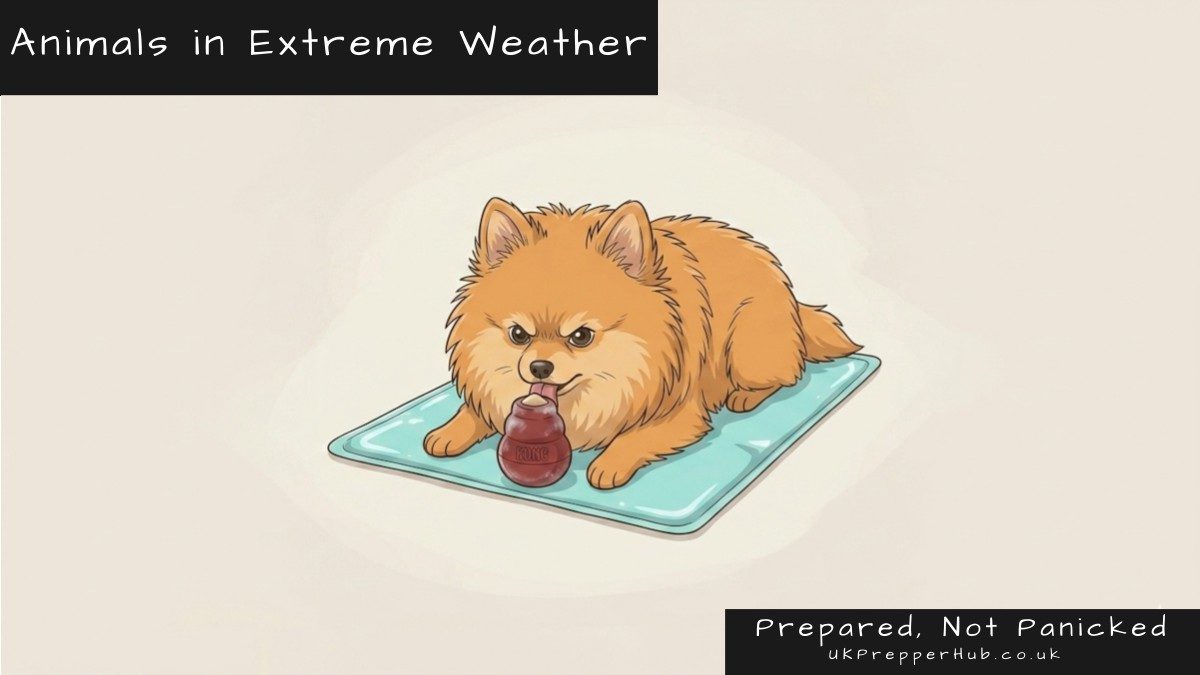
SnuggleSafe Microwave Heat Pad
Ten hours of gentle warmth from a two-minute microwave blast — no electricity, no wires, and nothing that stops working the moment the power does. Essential kit for rabbits, guinea pigs, cats, and small dogs through a British winter power cut.
Our Full Review: SnuggleSafe Microwave Heat Pad →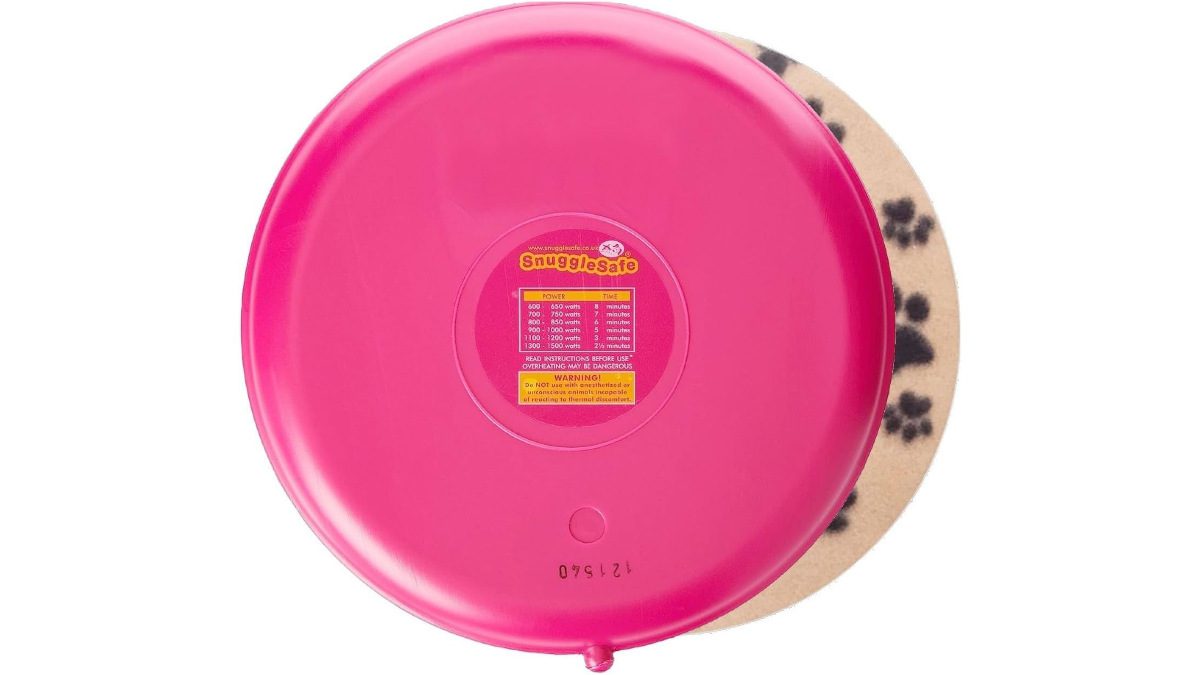
Could Britain Freeze Again?
Yes. A winter like 1962–63 is unlikely, but a severe prolonged cold snap — the kind that strains the grid, disrupts supply chains, and puts vulnerable households at risk — is not a historical curiosity. It’s a recurring feature of British winters.
Modern Britain is more electrified, more centralised, and more dependent on just-in-time logistics than any society in history. Technology hasn’t removed the risk from a prolonged freeze — it’s stacked it. A cold snap today would hit power grids, heating systems, food supply chains, water infrastructure, emergency services, and communications simultaneously.
The Big Freeze wasn’t a freak accident. It was a warning. One that Britain has largely chosen not to act on.
Cold weather preparedness isn’t about catastrophising. It’s about acknowledging that the UK has frozen before, that our systems weren’t ready then, and that — despite everything — they’re not significantly more ready now.
Frequently Asked Questions
Could a winter like 1962 happen in Britain again?
A repeat of the full three-month 1962–63 freeze is unlikely but not impossible. What’s more probable — and more immediately relevant — is a severe cold snap lasting one to three weeks, which is well within historical norms. Modern Britain’s dependence on electricity and just-in-time supply chains makes even a shorter freeze more disruptive than the 1962 event was.
What killed most people in the 1962-63 Big Freeze?
The majority of the 20,000-plus excess deaths were cold-related illness, hypothermia, and the inability to get medical help due to blocked roads and overwhelmed services. Most victims were elderly, isolated, and sitting in unheated homes — waiting for conditions to improve. The drama was in the statistics, not in individual incidents.
How do I keep warm if the heating fails in winter?
Layer clothing and use thermal blankets or a good sleeping bag to retain body heat. Retreat to one smaller room and close the doors — a single room is far easier to keep warm than a whole house. If using any alternative heat source indoors (gas, wood, paraffin), ensure ventilation and fit a working carbon monoxide alarm.
How long should I have food supplies for a cold weather emergency?
A minimum of three days, with a week being a more sensible target for most UK households. Focus on long-life items that don’t require refrigeration and can be prepared with minimal fuel: tinned food, dried pasta, oats, UHT milk, nut butter. No specialist equipment required.
What is the single most important cold weather preparedness step for a UK household?
Have at least one source of heat that doesn’t depend on your central heating system or the electricity grid. Even a quality self-heating throw or a well-rated sleeping bag is a meaningful step. Combine that with a few days of food and water stored at home, and you’re better placed than the vast majority of UK households.
📡 Find Us Everywhere
Daily briefings, prep guides, and real-time updates across every platform. Pick yours.
Free. No commitment. Stay anonymous on WhatsApp & Telegram.
Stay Informed on UK Preparedness
Join our newsletter for UK-specific preparedness tips, product recommendations, and real-world advice for households.
Subscribe to Our Newsletter