
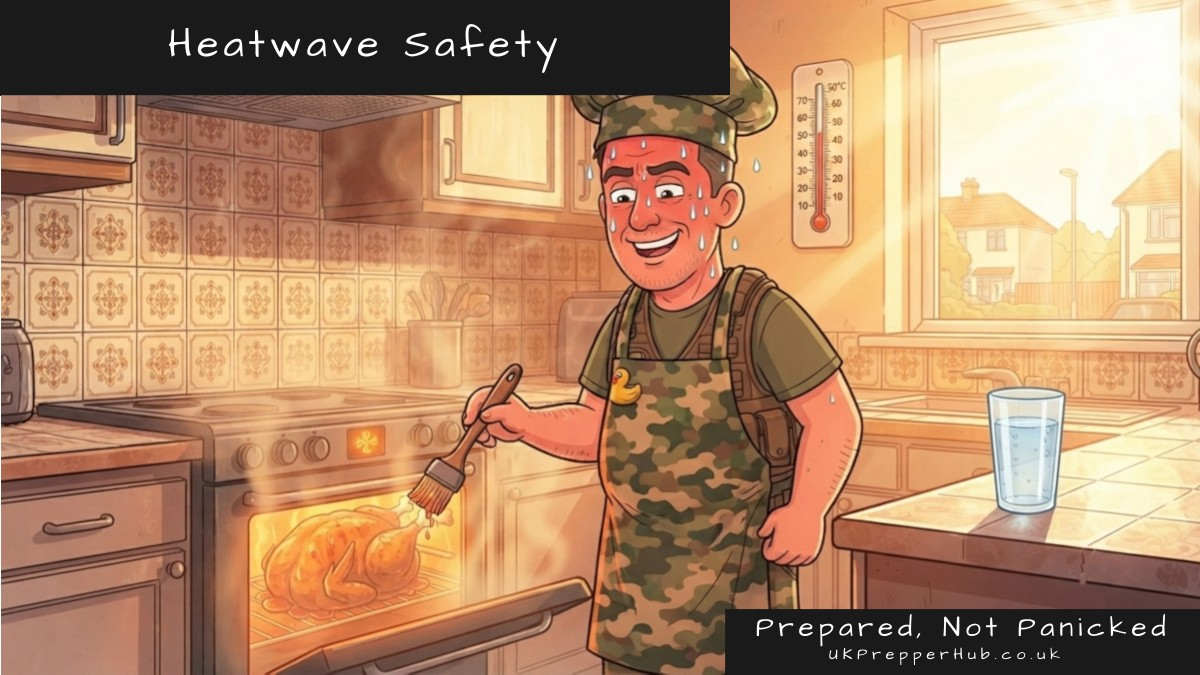
Heatwave safety in the UK is complicated by something most people overlook: UK homes are designed to retain heat, not release it. The housing stock, the urban infrastructure, and the cultural assumption that summer means a few pleasant weeks rather than sustained dangerous temperatures all leave UK residents genuinely more vulnerable to heatwave than comparable populations in countries where heat is expected. The 2022 heatwave — the first time temperatures exceeded 40°C in recorded UK history — resulted in an estimated 3,271 excess deaths in England alone.
Heat illness follows a progression that most people do not recognise until it has already become serious. Understanding where on that progression you or someone near you might be — and what each stage requires — is the practical knowledge that the official “drink water and stay cool” advice does not provide.
The Progression of Heat Illness
Heat illness is not a single condition. It is a spectrum, and the appropriate response is different at each stage.
Heat cramps: Painful muscle spasms, typically in the legs or abdomen, during or after physical activity in heat. Caused by electrolyte loss through sweating. Treatment: rest in a cool place, drink water with electrolytes (a sports drink, or water with a pinch of salt). Not a medical emergency but a signal to stop exertion and cool down.
Heat exhaustion: The body is struggling to regulate temperature. Symptoms: heavy sweating, cool and pale or clammy skin, fast and weak pulse, nausea, weakness and fatigue, dizziness, headache. The person is still conscious and sweating. Treatment: move to a cool environment immediately, remove excess clothing, apply cool damp cloths to the skin, fan them, have them sip cool water. If symptoms do not improve within 15–30 minutes, call 999.
Heat stroke: The body’s cooling system has failed. This is a medical emergency. Symptoms: hot and red skin (either dry or damp), fast and strong pulse, confusion, disorientation, slurred speech, loss of consciousness. The person may have stopped sweating. Call 999 immediately. While waiting: move to the coolest available environment, apply ice or cold water to the neck, armpits, and groin — where blood vessels are close to the surface — and fan aggressively. Do not give fluids to someone who is confused or unconscious.
The distinction between heat exhaustion and heat stroke is the mental state. A person who is confused, disoriented, or losing consciousness is having a heat stroke, not exhaustion. The treatment is different and the urgency is different.
First Aid Manual 11th Edition
The updated 11th Edition covers first aid in pandemic conditions, what to do in a terrorist incident, and delivering first aid for patients in a mental health crisis.
Our Full Review: First Aid Manual 11th Edition →
Who Is Most Vulnerable
Heatwave safety risk is not equal across the UK population. The groups at greatest risk from extreme heat:
- Adults over 75 — reduced ability to perceive heat and thirst, reduced ability to sweat effectively, more likely to be on medications that affect heat tolerance
- People on certain medications — diuretics, antidepressants, antipsychotics, antihistamines, and beta-blockers can all affect heat tolerance or fluid balance
- People with cardiovascular or respiratory conditions — heat increases demand on the heart and can trigger cardiac events
- Infants and young children — cannot communicate overheating and regulate temperature less effectively
- People doing physical work outdoors — construction workers, agricultural workers, delivery drivers
- People in urban areas — urban heat island effect means city temperatures are meaningfully higher than surrounding rural areas, particularly at night
Cooling a UK Home During a Heatwave
UK homes are insulated to retain heat, not release it. The heatwave safety management strategy that works in a UK context:
- Night ventilation. Open windows fully during the coolest hours — typically midnight to 6am. Close them, along with blinds and curtains on sun-facing windows, before the temperature rises. This traps cooler night air inside.
- The north-facing room principle. Identify the coolest room in the house — typically north or east facing, with the smallest window area. Sleep or spend hot days in this room.
- Fans cool people, not rooms. A fan does not reduce air temperature. It increases evaporative cooling from the skin. Position a fan to blow across a bowl of ice or a damp towel for additional cooling effect. Do not leave a fan running in an empty room.
- Cold water on pulse points. Wrists, neck, inner elbows, behind knees — applying cold water or an ice pack to these areas cools circulating blood effectively.
- Avoid cooking indoors during peak heat. An oven running for an hour increases indoor temperature significantly. Cold meals, outdoor cooking, or cooking early morning are preferable during a heatwave.
Good heatwave safety practice means knowing which of these categories applies to people in your household — and having a plan — before temperatures rise, not during the event.
Hydration: What “Drink More Water” Actually Means
During a heatwave, the practical hydration guidance:
- Drink water before you feel thirsty — thirst is a late indicator of dehydration
- A minimum of 2–3 litres per day in hot weather; more with any physical activity
- Alcohol and caffeine are diuretics and increase fluid loss — reduce intake during heat
- Dark urine is a reliable indicator of dehydration — aim for pale yellow
- Electrolytes matter: heavy sweating depletes sodium and potassium. Plain water is better than nothing but an electrolyte drink (or water with a small pinch of salt) is better than plain water for prolonged heat exposure
Heatwave Safety: Your Action Plan
Before the heatwave arrives: The most effective heatwave safety measures are taken before temperatures rise. Identify the coolest room in your home now. Check that anyone on medication has spoken to their GP or pharmacist about heat tolerance. Stock electrolytes alongside your emergency water supply — oral rehydration sachets or sports drinks alongside your bottled water.
During the event: Good heatwave safety during a prolonged heat event means monitoring symptoms in yourself and others — particularly anyone in the vulnerable groups above. Do not wait for heat exhaustion to progress. Move people to cool environments early. Check on elderly neighbours daily; do not assume they will call for help.
After the heat passes: A heatwave that ends does not immediately mean the risk is over. Overnight temperatures in UK cities may remain elevated for 24–48 hours after peak daytime heat. Continue heatwave safety precautions — night ventilation, hydration, reduced physical exertion — until conditions return to normal.
Check on elderly neighbours, relatives, and anyone in your community who lives alone and may not have air conditioning or reliable social contact during a heatwave. The excess deaths in the 2022 heatwave were concentrated in elderly people living alone. A brief daily check-in is one of the highest-impact things a community can do during a sustained heat event. The Met Office and NHS both publish updated heatwave safety guidance each summer — the Met Office heat health guidance is a useful reference for checking alert levels in your area.
OCOOPA USB Rechargeable Desk Fan
Battery-powered desk fan with up to 15 hours runtime and airflow strong enough to feel 8 feet away — no plug socket needed.
Our Full Review: OCOOPA USB Rechargeable Desk Fan →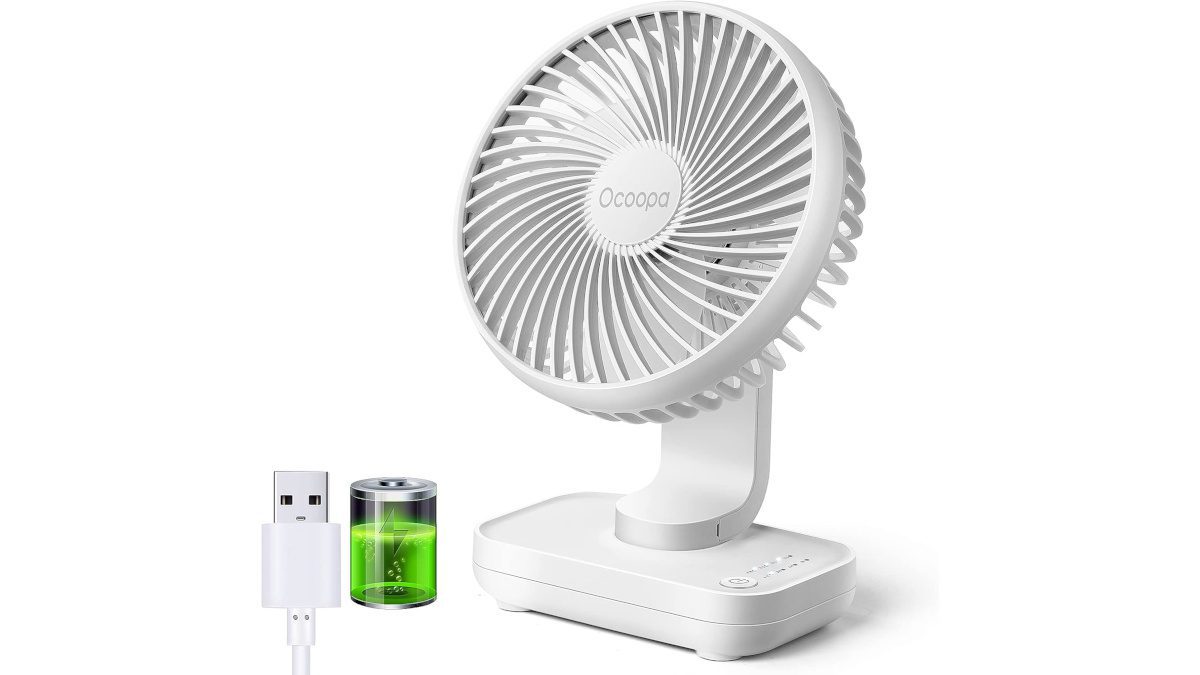
Frequently Asked Questions
What is heatwave safety and why does it matter more in the UK?
Heatwave safety in the UK is more complex than in countries where extreme summer heat is expected. UK homes are insulated to retain heat, not release it, and most do not have air conditioning. When temperatures exceed 30°C for sustained periods, indoor temperatures can remain dangerously high even after the outdoor temperature drops. The 2022 heatwave — the first time temperatures exceeded 40°C in recorded history — caused an estimated 3,271 excess deaths in England.
What is the difference between heat exhaustion and heat stroke?
Heat exhaustion means the body is struggling but still trying to cool itself — the person is sweating, conscious, and can take fluids. Move them somewhere cool, apply damp cloths, and have them sip water. Heat stroke is a medical emergency: the body’s cooling system has failed, the person may have stopped sweating and is confused, disoriented, or losing consciousness. Call 999 immediately. The key distinction is mental state — confusion means heat stroke.
How do I cool a house during a heatwave without air conditioning?
The core heatwave safety strategy for a UK home is to trap cooler night air inside and seal it in during the day. Open windows fully between midnight and 6am, then close them along with curtains and blinds on sun-facing windows before temperatures rise. Identify the coolest room — usually north or east-facing — and focus activity there. Fans cool people via evaporation, not rooms — position them to blow across a bowl of ice or a damp towel for extra effect.
Who is most at risk during a UK heatwave?
Adults over 75 are at greatest risk, followed by people on medications that affect heat tolerance (diuretics, antidepressants, antipsychotics, antihistamines, beta-blockers), people with cardiovascular or respiratory conditions, infants and young children, outdoor workers, and people in urban areas where the heat island effect keeps night temperatures elevated. Good heatwave safety practice means identifying the vulnerable people in your household and immediate community before temperatures rise.
What should I do if I find someone collapsed in the heat?
Q:
If someone is conscious and sweating — heat exhaustion — move them somewhere cool, remove excess clothing, apply cold damp cloths to their skin, and have them sip water. If they are not improving within 15–30 minutes, call 999. If they are confused, have stopped sweating, or are losing consciousness — heat stroke — call 999 immediately. While waiting: apply ice or very cold water to the neck, armpits, and groin, and fan aggressively. Do not give fluids to someone who is confused or unconscious.
How can I sleep during a heatwave?
Open windows fully from midnight to maximise night ventilation, then close them before you go to sleep if outdoor temperatures are already rising. Sleep in the lowest, coolest room available — heat rises and loft insulation traps heat in upper floors. A cool (not cold) shower before bed lowers skin temperature without triggering the body’s heat-generation response. A hot water bottle filled with cold water placed at the feet provides sustained cooling through the night. Lightweight cotton or linen fabrics allow more evaporation than synthetics.
Build Your Resilience
Further Reading: Related Guides
All our guides can be found listed on our resilience hub.
Gear We've Tested & Reviewed
All our reviews can be found on our reviews and resources page.
📡 Find Us Everywhere
Daily briefings, prep guides, and real-time updates across every platform. Pick yours.
Free. No commitment. Stay anonymous on WhatsApp & Telegram.
Stay Informed on UK Preparedness
Join our newsletter for UK-specific preparedness tips, product recommendations, and real-world advice for households.
Subscribe to Our Newsletter