
This post may contain affiliate links Learn more
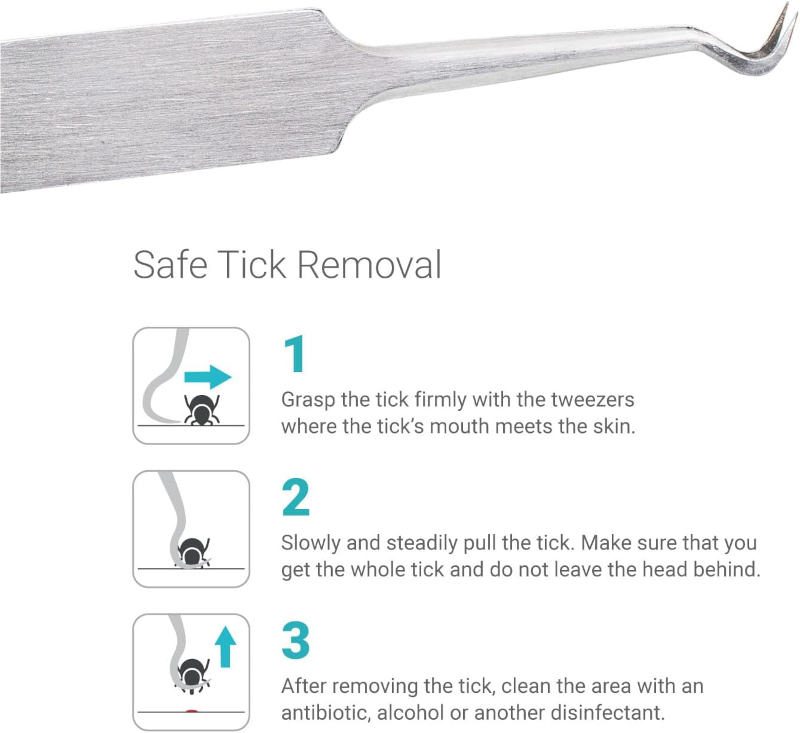
NHS guidance on tick removal has always centred on one method: fine-tipped tweezers, gripping as close to the skin as possible, pulling straight up slowly and steadily — no twisting, no crushing, no burning it off with a match. That’s the technique most people are actually told to use if they call 111 or look it up on the NHS website, and it hasn’t changed because it works.
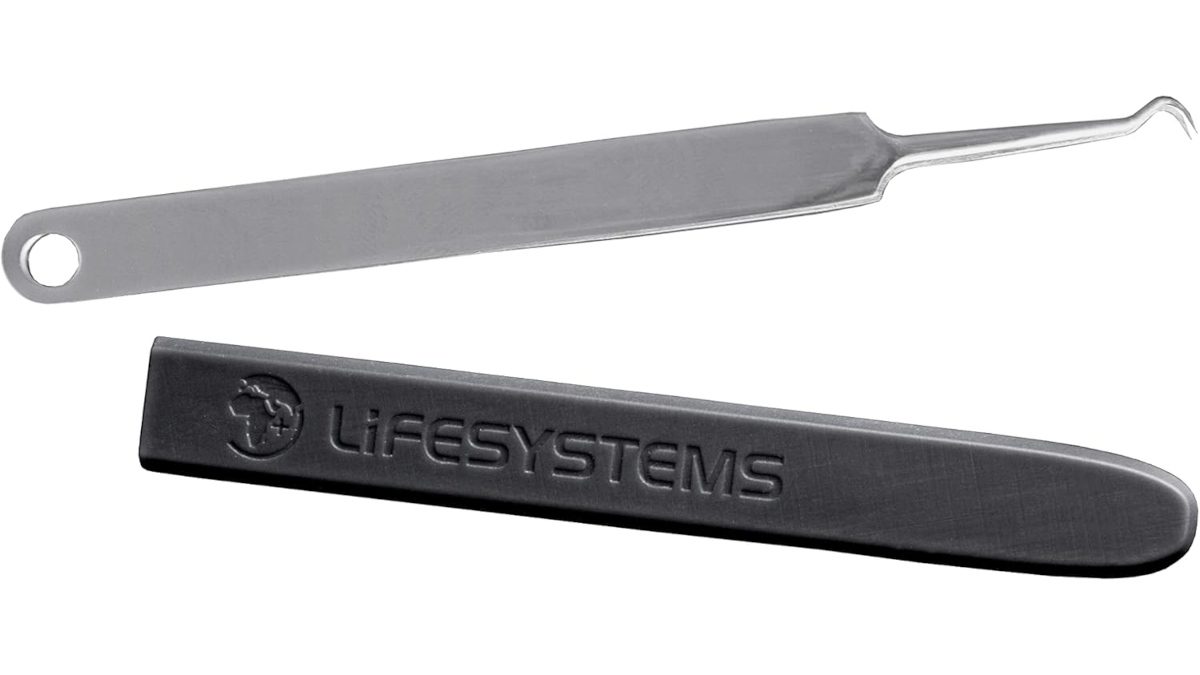
Lifesystems Tick Tweezers are built for exactly that method. Stainless steel, fine-tipped, £2.86, 18g, and small enough to genuinely live in a pocket rather than sit in a drawer at home — and they’re Duke of Edinburgh recommended kit, which is a real field-tested endorsement rather than a marketing line. Here’s whether they earn a place in the first aid kit.
Lifesystems Tick Tweezers
Fine-tipped stainless steel tweezers built for the exact method NHS guidance recommends — Duke of Edinburgh kit, 18g
Current Price at time of writing: £2.86 (RRP £5.99, limited-time deal)
Rated: 4.6/5 ⭐ from 582 reviews
Built for the NHS Method, Not a New One
Lifesystems Tick Tweezers don’t try to reinvent tick removal — they’re a precision tool for the standard technique. Grip the tick as close to the skin as possible, pull straight upward with steady pressure, and stop. No rotation, no rocking side to side. It’s the same advice you’ll get from a GP or NHS 111, and Lifesystems Tick Tweezers are simply built to do that one job properly rather than adding a mechanism most people don’t need.
Why Fine Tips Actually Matter
The failure mode with ordinary household or eyebrow tweezers is blunt tips — they can’t get close enough to the skin to grip the tick’s body without also squeezing it, which is exactly what risks pushing infected fluid back into the bite. Lifesystems Tick Tweezers are fine-tipped specifically to avoid that, getting a clean grip right at the base without crushing anything above it. Stainless steel also means they can be properly cleaned and sterilised between uses, rather than being a single-use plastic tool.
One Size, One Job
This is a single tool, not a multi-size kit — worth being upfront about. For a typical adult tick, that’s not a limitation at all. For a barely-visible nymph or larva, any fine-tipped tweezer (not just this one) can be fiddly, and that’s the one scenario where a dedicated small-tick tool has a genuine edge. For the vast majority of UK tick encounters, though, one well-made tool that fits in a wallet is the more practical answer than carrying three.
Why Duke of Edinburgh Actually Recommends It
“Duke of Edinburgh recommended kit” is worth taking seriously rather than skimming past — DofE expedition groups are young people carrying their own first aid supplies across genuinely remote terrain, so anything on that recommended list has to be reliable, lightweight, and simple enough to use correctly without supervision. That’s a real-world filter, not a badge Lifesystems bought.
Lifesystems Tick Tweezers
Fine-tipped stainless steel tweezers built for the exact method NHS guidance recommends — Duke of Edinburgh kit, 18g
Current Price at time of writing: £2.86 (RRP £5.99, limited-time deal)
Rated: 4.6/5 ⭐ from 582 reviews
What the Rest of the Team Think

🦆 Keith the Prepper
One tool, one pocket, no faffing about which of three hooks I need. Lifesystems Tick Tweezers are the ones actually on me day to day — the bigger kit stays in the car for when I’ve got time to think about it.
⭐⭐⭐⭐⭐

🪖 Black Panther
This is the actual issue technique, not an alternative to it. Lifesystems Tick Tweezers do one job to a standard, and I trust one job done properly over three gadgets that might all be slightly wrong for the tick in front of me.
⭐⭐⭐⭐⭐

🤡 Camping Clown
Bought a titanium “tactical” tweezer set for £16 before I found these. Lifesystems Tick Tweezers cost £2.86 and do the exact same job on the exact same ticks. The titanium ones are prettier, in fairness.
⭐⭐⭐⭐

🐾 Weekend Warrior
Honest admission — I reach for the rotational tool on Pickle because his coat makes a clean tweezer grip harder. But Lifesystems Tick Tweezers are the ones in my own pocket, and for a human bite they’re precise and quick.
⭐⭐⭐⭐

🐕 Pickle
Snorgle. Snorgle.
Snorgle. (translation: fine for two-legs, bit fiddly through my fur, stick to the twisty one on me please)

🐔 Chicken Licken
Everyone assumes any tweezers will do in a pinch. They won’t — blunt tips are how you end up squeezing the tick instead of gripping it. Lifesystems Tick Tweezers exist because “any tweezers” is genuinely bad advice.
⭐⭐⭐⭐⭐

📋 Calm Clarissa
Cheap enough that I keep one in every bag rather than remembering to move a single pair around. Lifesystems Tick Tweezers at 18g barely register on a kit weight audit, and that’s exactly the kind of item that should be duplicated, not shared.
✅✅✅✅✅

💄 Survivl Gurl
Slides into a makeup bag without anyone noticing it’s there. Lifesystems Tick Tweezers don’t rattle, don’t take up space, and look like a normal pair of tweezers rather than a medical prop.
⭐⭐⭐⭐⭐

🌿 Aroura
There’s something reassuring about a tool that just does what medical guidance actually says, rather than promising to reinvent it. Lifesystems Tick Tweezers are the grounded, no-nonsense choice — steady hands, steady pull, done. Namaste 🙏
⭐⭐⭐⭐
Lifesystems Tick Tweezers
Fine-tipped stainless steel tweezers built for the exact method NHS guidance recommends — Duke of Edinburgh kit, 18g
Current Price at time of writing: £2.86 (RRP £5.99, limited-time deal)
Rated: 4.6/5 ⭐ from 582 reviews
Pros and Cons
Pros
- Fine tips designed to grip a tick close to the skin without squeezing its body
- Stainless steel — durable, and can be properly cleaned and sterilised between uses
- Duke of Edinburgh recommended kit, a genuine field-tested trust signal
- 18g and 120 x 10mm — small enough for a wallet, pocket, or keyring pouch
- £2.86 makes it easy to keep more than one across different bags
- 582 reviews at 4.6 stars — a well-established, trusted product in the category
Cons
- Single size — a barely-visible nymph or larva can still be fiddly with any fine-tipped tweezer, not a multi-size solution
- Straight-pull technique needs a steadier hand than a rotational tool if you’re nervous about the process
- No carry case included, so the tips aren’t protected loose in a bag
- A thick pet coat can make getting a clean grip harder than on bare human skin
Frequently Asked Questions
How do Lifesystems Tick Tweezers remove a tick safely?
Grip the tick as close to the skin as possible with the fine tips and pull straight up, slowly and steadily — this is the method recommended by NHS guidance, avoiding any twisting or crushing that could leave part of the tick behind.
Are these tweezers better than a rotational tool like Tick Twister?
They use a different, equally valid technique — straight-pull with fine tips rather than a twisting release. Both remove a tick safely when used correctly; the tweezers suit people who prefer the traditional NHS-recommended method, while a rotational tool suits people who want a wider size range for pets and different tick life stages.
What does “Duke of Edinburgh recommended kit” actually mean?
Lifesystems Tick Tweezers are recommended kit for Duke of Edinburgh expeditions, where reliability, weight, and compactness genuinely matter for young people carrying their own first aid supplies in the field.
Can I use these on my dog or cat?
Yes, though a thick coat can make it harder to get a clean grip on the tick than on bare skin — for pets, some owners find a rotational tool easier to use through fur.
How small are these tweezers?
120 x 10mm and 18g — small enough for a wallet, pocket, or keyring first aid pouch.
Build Your Resilience
Further Reading: Related Guides
📡 Find Us Everywhere
Daily briefings, prep guides, and real-time updates across every platform. Pick yours.
Free. No commitment. Stay anonymous on WhatsApp & Telegram.
Stay Informed on UK Preparedness
Join our newsletter for UK-specific preparedness tips, product recommendations, and real-world advice for households.
Subscribe to Our Newsletter