
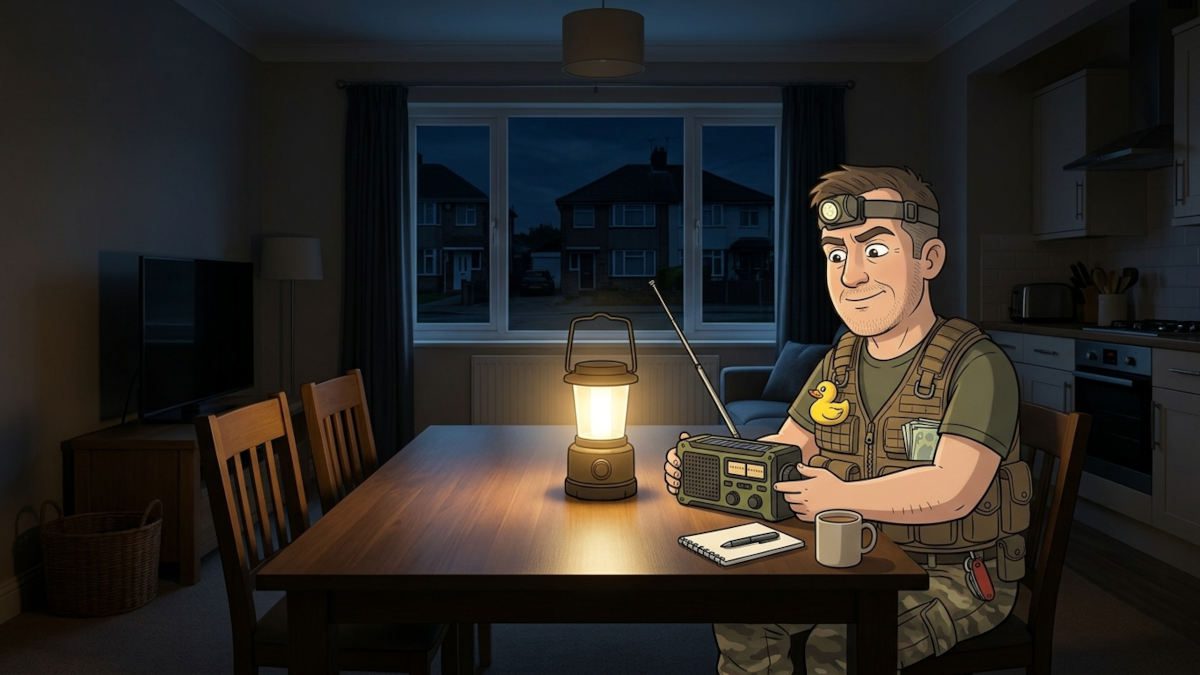
When headlines broke regarding the inner workings of the national broadcaster’s crisis protocols, mainstream media outlets treated it as a temporary curiosity. Behind closed doors, however, security planners and civil contingency experts were discussing something far more serious: the fragile reality of modern British infrastructure.
With discussions surrounding national grid stability and the government’s push for individual household readiness making waves, understanding what happens when conventional networks fail is vital. At the heart of this national framework lies the BBC Black Sky event emergency plan—a closely guarded protocol designed to keep the public informed when standard digital channels collapse.
What Is a “Black Sky” Event?
In emergency planning terminology, a “Black Sky” scenario refers to a catastrophic, prolonged disruption—such as a severe cyber-attack or an extended major grid failure—that knocks out primary electricity supplies, mobile phone masts, internet routing, banking systems, and water treatment telemetry simultaneously.
While the National Energy System Operator (NESO) and the government stress that a complete, multi-day national blackout remains a highly unlikely worst-case scenario, the stark reality is that modern life is hyper-connected and uniquely vulnerable.
During the global IT disruptions that affected NHS trusts and public services, we saw firsthand how quickly frontline systems fall back on paper and analogue methods when cloud servers stumble. In a true wide-scale grid failure, the challenge isn’t just keeping the lights on—it’s figuring out how official instructions reach millions of homes when mobile phone masts lose backup battery power within an hour.
How the BBC Plans to Stay on Air for 72 Hours
According to disclosures surrounding the broadcaster’s resilience protocols, around 100 dedicated staff members would operate a specially prepared, self-sufficient emergency radio studio equipped with independent diesel generator power, food supplies, and satellite communication links.
Crucially, this emergency framework relies heavily on old-school FM broadcasting. While digital DAB networks and internet-streaming apps require complex web infrastructure and powered transmitter chains, standard FM radio signals can travel across the country and be picked up on simple, unpowered receivers.
If public networks fail, official emergency scripts—previously drafted by the UK’s chief medical officers and civil authorities—would be broadcast via key national channels such as BBC Radio 2 and BBC Radio 4 on FM. These pre-arranged messages would provide critical guidance on managing household water reserves, sanitation during sewage pump failures, and keeping warm.
Bridging the Gap: Practical Steps for UK Households
Relying on official broadcasts is only half the equation. If you want to ensure your family remains resilient during a UK household emergency communications blackout, preparation doesn’t require an expensive bunker or panic-buying. It comes down to commonsense, analogue redundancies:
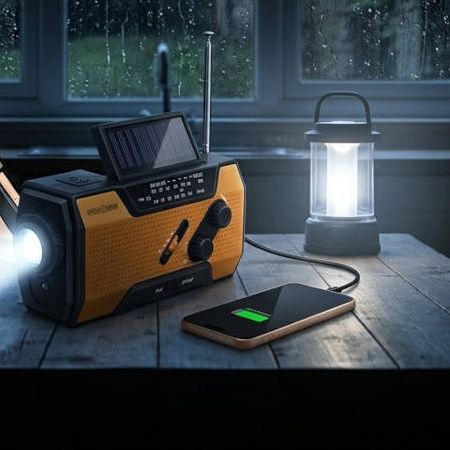
- Secure a reliable analogue receiver: Keep a battery powered emergency radio models rely upon—ideally one featuring a hand-crank wind-up mechanism and a solar charging panel—safely stored in your kitchen or utility drawer. Ensure it works on FM frequencies, especially given that long-wave transmissions have been decommissioned.
- Keep an offline emergency contacts list: Write down phone numbers for your local council, utility providers (remembering the national 105 power cut helpline), medical services, and family members on a physical sheet of paper. If your smartphone battery dies or cloud contact lists fail to sync, you won’t be locked out of vital numbers.
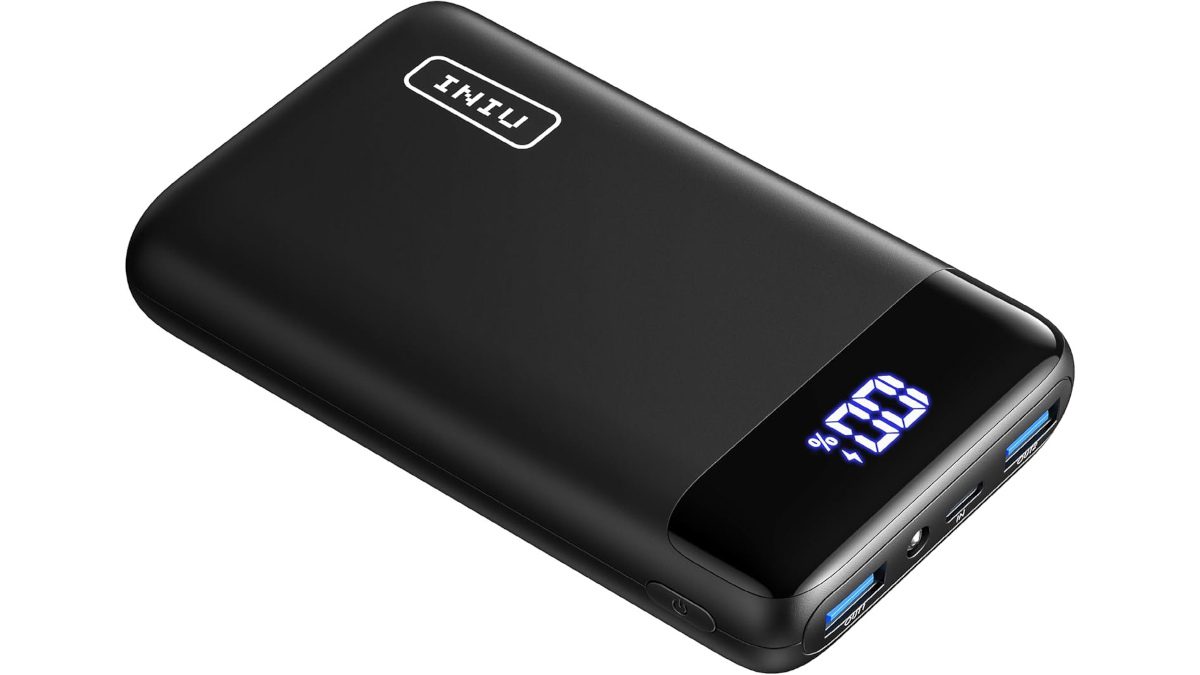
- Maintain a small power bank: A fully charged 10,000mAh USB power bank allows you to keep mobile handsets alive for emergency local updates while cellular towers still have auxiliary generator life.
- Understand local frequencies: Knowing which local FM frequencies your regional BBC station uses before an emergency strikes saves valuable guesswork when internet search engines are offline.
FosPower Emergency Radio
Most emergency radios have one or two power options. The FosPower has four, and that redundancy is the single most important feature for preparedness use.
INIU 20,000mAh Power Bank
We tested it so you don’t have to — here’s the one thing most power banks get wrong, and why this one doesn’t.
The Broader Picture of UK Grid Resilience
The conversation around UK grid resilience and national blackout contingency planning is ultimately about shifting mindset away from panic and toward practical self-reliance.
Just as households are learning how to stay informed during a power cut storms might trigger, understanding the mechanics behind national emergency broadcasts ensures that an unexpected digital blackout is merely a manageable inconvenience rather than a household crisis.
Preparedness isn’t about predicting doomsday—it’s about building quiet confidence in simple, tried-and-tested technology that works when everything else goes dark.


📡 Find Us Everywhere
Daily briefings, prep guides, and real-time updates across every platform. Pick yours.
Free. No commitment. Stay anonymous on WhatsApp & Telegram.
Stay Informed on UK Preparedness
Join our newsletter for UK-specific preparedness tips, product recommendations, and real-world advice for households.
Subscribe to Our Newsletter