
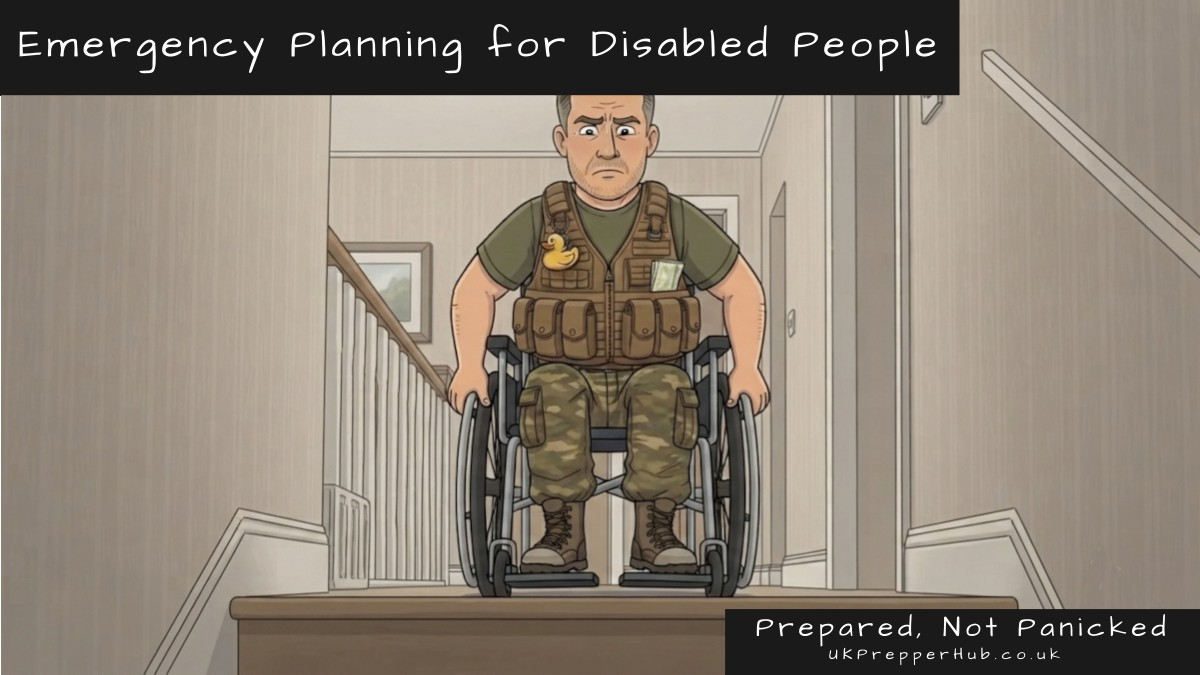
Standard emergency planning advice assumes a household of able-bodied adults who can read a leaflet, hear a smoke alarm, grab a bag, and walk to the end of the road. For a significant proportion of UK households, one or more of those assumptions is wrong.
This is emergency planning for disabled people — written for disabled people planning for themselves, and for the carers, family members, and support workers helping them. It covers physical disabilities and equipment dependency, sensory impairments, and neurodivergent conditions — because each creates distinct challenges in an emergency that standard advice doesn’t address.
There is nothing alarmist in here. The goal is the same as any other preparedness guide: think it through now, so you’re not improvising under pressure later.
Physical disabilities and mobility
Evacuation when mobility is limited
The most important thing to establish before any emergency is a clear evacuation route that works for the person’s actual mobility — not the one the house was designed for, and not the one that assumes the lift will be working.
- Know your exit options. If your primary exit involves stairs, establish a ground-floor alternative. If none exists, identify where in the building you would shelter if stairs are the only option (for example, a fire refuge point in a block of flats), and make sure this is known to building management and emergency services.
- Manual wheelchair users can usually evacuate independently on flat ground but will need assistance where stairs will be involved. Identify who that assisting person is in advance — a neighbour, a family member — and make sure they know.
- Powered wheelchair users face additional complexity: the chair may not fit all exits, the battery may be depleted, and the chair cannot be carried. Know whether your building has an accessible exit and whether the chair can fit through it. Have a plan for a power cut that prevents the chair being charged.
- Walking frame and crutch users can usually self-evacuate on flat surfaces but may need support on uneven ground or stairs.
Travel the route. Don’t just know it intellectually — physically go through it and identify every point where it might fail under emergency conditions.
Personal Emergency Evacuation Plan (PEEP)
If you live in a block of flats, a care home, or any other multi-occupancy building, you are entitled to request a Personal Emergency Evacuation Plan from the building manager. A PEEP is a documented, agreed plan for how you will evacuate in an emergency, including who is responsible for assisting you if needed.
Many buildings have these in theory but don’t implement them properly. Ask specifically for a written copy, and ask how the plan is communicated to building staff and emergency services. If the building manager cannot produce one, escalate to the fire service or local authority.
Power-dependent equipment
A power cut that’s an inconvenience for a household without specialist equipment can be a medical emergency for one that relies on it. This section covers the most common equipment types and what to plan for.
CPAP and BIPAP machines (sleep apnoea)
CPAP machines typically run on standard mains power and draw relatively low wattage (30–60W for most machines). Many can be powered by a 12V car adapter or a power bank large enough to run them overnight. Check your specific machine’s specifications and source a compatible battery pack or 12V adapter before you need one.
Your GP or sleep clinic can advise on alternative arrangements for extended outages — some areas have emergency loan equipment.

🪖 Black Panther
In My Previous Role…
The specialist medical-grade UPS for home CPAP and powered equipment runs to several hundred pounds — a compatible portable power station from Amazon does exactly the same job for under £80
Anker SOLIX C300
The entry-level portable power station with LiFePO4 chemistry — 288Wh and 300W pure sine wave in something you can actually carry.
Our Full Review: Anker SOLIX C300 →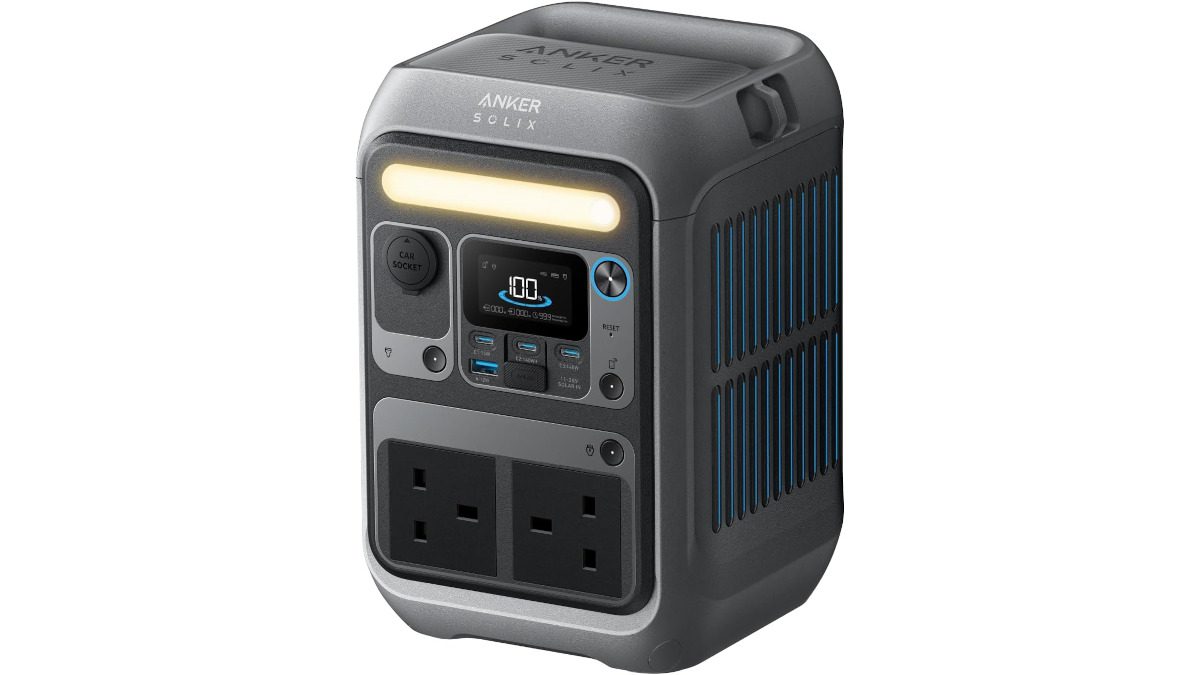
Home oxygen concentrators
Oxygen concentrators draw significant power (typically 150–600W) and cannot be run from a standard power bank. If you rely on one, contact your oxygen supplier — they are required to have contingency plans for power outages and should be registered with your electricity network operator’s Priority Services Register as a medical priority.
Always have emergency cylinder oxygen as a backup for short outages. Know how long each cylinder lasts at your prescribed flow rate.
OxiPro OX2 Pulse Oximeter
Clips to a fingertip and tells you blood oxygen and pulse rate in seconds. Useful during any illness where breathing is a concern — and the reading that matters is below 92%..
Our Full Review: OxiPro OX2 Pulse Oximeter →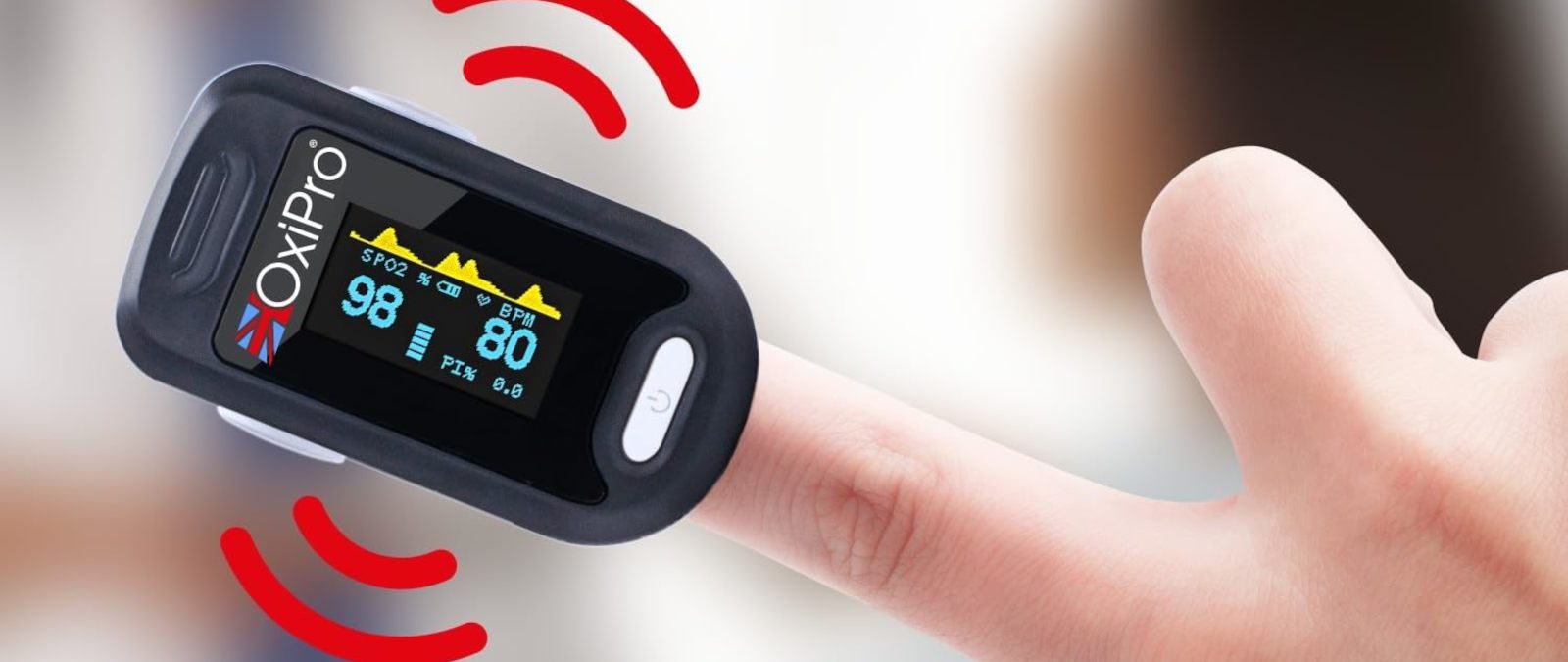
EcoFlow Delta 3 Max
The 2kWh EcoFlow Delta 3 Max charges to 80% in 51 minutes, runs every UK appliance via its 3,200W X-Boost, and switches to battery in under 10ms — the step up for households where 1kWh was never quite enough.
Our Full Review: EcoFlow Delta 3 Max →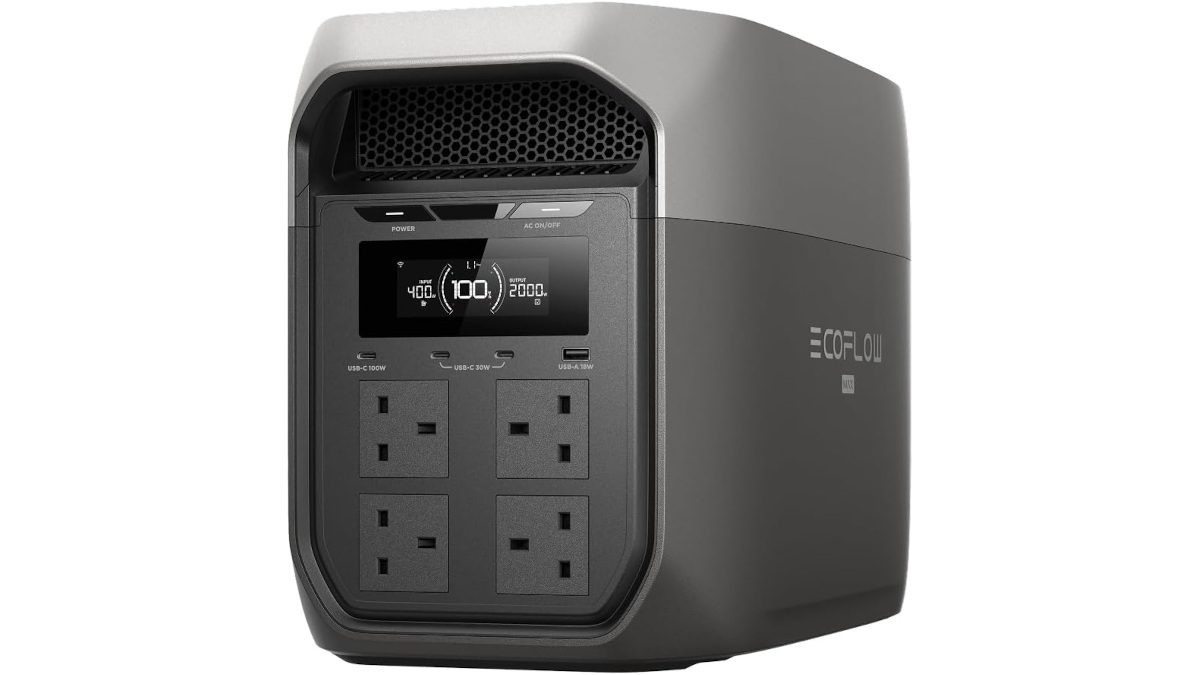
Electric beds, stairlifts, and hoists
These require mains power and typically cannot run from portable power sources. A stairlift with a flat battery traps a person on one floor. An electric bed that won’t move can complicate care significantly.
- Many stairlifts have a battery backup that provides limited operation during a power cut — check yours and test it
- Know the manual override procedure for any powered equipment in the home
- For extended outages, plan which floor you would sleep on and what alternative care arrangements are needed
Dialysis and other treatment equipment
If you or a family member undergoes home dialysis or other regular medical treatment requiring powered equipment, contact your NHS provider for their emergency planning protocol. Dialysis centres have contingency plans for severe disruption — make sure you know what they are and have the contact numbers.
Insulin and cold-chain medications
Insulin that has been opened must be stored below 25°C (some formulations have different requirements — check your specific medication). In a power cut that affects refrigeration, insulin can usually remain at room temperature for up to 28 days provided the room doesn’t exceed 25°C. In a heatwave power cut, this becomes a genuine risk.
An insulated travel case with reusable ice packs — the kind used for camping or medical transport — is a practical solution. Keep one charged in the freezer so it’s ready.
FRIO Insulin Cooling Wallet
Keeps insulin at safe temperature for 45 hours using only water — no electricity, no ice, no power required. Tested by the British Medication Devices Evaluation Unit and recommended by UK hospitals.
Our Full Review: FRIO Insulin Cooling Wallet →
Complete Guide
Managing Essential Medication
This guide covers more detail on being prepared with essential medication for all emergency situations.
Complete Guide
Power Cut Survival Guide
The master 72-hour blueprint. Vital steps for staying warm, connected, and safe when the UK grid fails during extreme weather.
Sensory impairments
Deaf and hard-of-hearing households
Standard emergency alerts rely heavily on sound: smoke alarms, carbon monoxide detectors, emergency sirens, phone calls, shouted warnings. For deaf or hard-of-hearing people, every one of these is a potential gap.
Smoke and CO alarms. Vibrating and visual alarm systems exist specifically for this purpose. Vibrating pillow pads alert sleeping residents; flashing strobe alarms alert people who are awake. Interconnected systems mean that when one alarm triggers, all of them go off simultaneously — including any with vibration or visual output. These are available from specialist suppliers and some mainstream retailers, and are a straightforward, affordable replacement for standard alarms.
Emergency alerts on mobile phones. The UK’s Emergency Alerts system sends notifications to mobile phones in an affected area. These vibrate the phone regardless of sound settings — test that your device is registered and that you haven’t disabled emergency alerts in notification settings.
Doorbells and entry systems. Flashing doorbell systems alert to visitors and delivery drivers. In an emergency where neighbours or emergency services are trying to gain attention, this matters.
Communication in a crisis. If verbal communication is difficult or impossible, keep a notepad accessible, have a phone charged for text communication, and ensure that emergency services know they may need to communicate visually when they attend.
Blind and partially sighted households
Navigation in a familiar home during a power cut relies on spatial memory — which is an advantage for visually impaired people who already move through their home without relying on sight. However, several specific risks need addressing.
Muscle-memory routes must be kept clear. In a power cut or emergency, the route to the exit needs to be reliably free of obstacles. Visitors and carers who rearrange furniture or leave items on the floor create hazards that a sighted person would simply see. Establish clear rules about keeping routes clear.
Tactile labelling. Emergency supplies — torches, first aid kit, medications — should be labelled in a way that’s identifiable by touch. Rubber bands to distinguish containers, Braille labels, or distinctive shape/texture coding all work. The goal is being able to find what you need without light.
Emergency contacts. Voice-activated technology (phone assistants, smart speakers) can be invaluable for making emergency calls when visual interfaces are unavailable. Make sure voice commands work for your most important contacts and numbers.
Orientation after evacuation. Being in an unfamiliar outdoor environment at night, possibly in poor weather, without a familiar guide creates genuine risk. Establish in advance who your evacuation buddy is and how they will meet you.
Neurodivergent conditions
Autism and sensory processing differences
Emergencies are, by definition, unpredictable, noisy, bright, crowded, and chaotic. For autistic people — particularly those with sensory sensitivities — this combination of factors can be significantly more distressing than the emergency itself, and can impair the ability to respond and communicate clearly.
Preparation reduces overwhelm. The more that emergency scenarios have been thought through in advance — literally talked through, or walked through in practice — the less novel and threatening they feel in the moment. A fire drill done once is far less distressing than an alarm going off with no prior context.
Sensory kit in the emergency bag. Noise-cancelling headphones or ear defenders reduce the sensory load of alarms, crowds, and emergency vehicle noise. A familiar comfort item — a specific texture, a weighted blanket, a familiar smell — can help regulate during high-stress situations. These belong in the emergency kit alongside the torch and the water.
Communication cards. A laminated card that says “I am autistic. I may need more time to respond. Please be patient.” can prevent a communication difficulty being misread as non-compliance or confusion during an emergency. Carry one in a wallet or emergency bag.
Routine disruption. Extended emergencies — staying somewhere unfamiliar, disrupted sleep, altered food and schedule — can be very difficult for autistic people who rely on routine. Planning in advance where you would go, who you would stay with, and what routines could be approximated in that setting reduces the secondary stress of disruption on top of the emergency itself.
ADHD
The specific challenges ADHD creates in an emergency are different from autism — less about sensory overload and more about working memory, organisation under pressure, and impulse management.
Grabbing the wrong things. Under stress, ADHD makes it harder to override impulse and follow a plan. The solution is reducing the decisions required: a pre-packed grab bag removes the “what do I take?” decision entirely. The fewer things that require active thought in the moment, the better.
Finding things in a crisis. ADHD households often struggle with “object permanence” — knowing where things are. In a normal week, this is annoying. In a fire at 3am, it’s dangerous. Emergency supplies need a fixed, known location that is genuinely fixed — not wherever they ended up last time. Label the location, not just the container.
Medication. ADHD medication is often controlled and can’t be easily replaced at short notice. It should be in the emergency grab bag by default, with a note of the prescription details and prescribing GP.
Hyperfocus vs panic. Some people with ADHD hyperfocus during crises and do very well; others become overwhelmed and freeze. Know which you are — or which your household member is — and plan accordingly. If freezing is a known pattern, pair with someone who can give clear, simple directions in the moment.
Complete Guide
Emergency Backup Plan for Carers
If you’re caring for someone with additional needs—whether that’s an autistic child, a partner with severe anxiety, an adult with learning disabilities, or someone recovering from a stroke—you already know that routine is everything. You need a plan.
Read the Full Guide: Emergency Backup Plan for Carers →
Communicating your needs to emergency services
Emergency services are trained to adapt to a wide range of situations, but they respond more effectively when they already know what they’re dealing with.
When calling 999, state any relevant disability or access need immediately: “I am calling for my father who is deaf and uses a powered wheelchair — he is on the second floor.” This allows the dispatcher to allocate the right response.
If you cannot speak on the phone, the Silent Solution system allows you to press 55 after dialling 999 and connecting to the police. The call is transferred to the police force who will attempt to communicate with you. For fire or ambulance, if you cannot speak, stay on the line — dispatchers can trace location from mobile calls.
If you are registered with a care agency, make sure the agency has your disability and communication needs documented in their records — not just in your home file.
The Priority Services Register
The Priority Services Register (PSR) is a free service run by energy suppliers and network operators. Disabled people, those with serious medical conditions, and those who rely on powered medical equipment are eligible to register.
Benefits include: advance notice of planned power outages, priority contact during unplanned outages, a welfare check during extended disruption, and adapted communication (large print, audio, BSL interpreter for planned works).
Register at thepsr.co.uk — it takes five minutes and covers gas, electricity, and water services in one place.
Emergency Planning for Disabled People: Building a Plan That Works
The test of any emergency plan is whether it works for the actual person in the actual household, not the hypothetical average person. Run through the plan step by step and ask honestly: where does it fail? Where does it rely on an assumption that isn’t true for this household?
Fix those points before you need the plan. That’s the whole exercise.
Complete Guide
72-Hour UK Grab Bag
The ‘get out quick bag’ for rapid home evacuation in the event of fire, flood, or other incidents. Every essential for 3 days away from home in one bag.
Frequently Asked Questions
What is a Personal Emergency Evacuation Plan and am I entitled to one?
A Personal Emergency Evacuation Plan (PEEP) is a documented, agreed plan for how a specific individual will evacuate a building in an emergency, including who is responsible for assisting them if needed. If you live or work in a multi-occupancy building, you are entitled to request one from the building manager or employer. Under the Regulatory Reform (Fire Safety) Order 2005, building managers must consider the needs of all occupants including those who cannot evacuate independently. Ask specifically for a written copy and confirm who is responsible for implementing it.
What is the 999 Silent Solution for people who cannot speak?
If you dial 999 but cannot speak — because of a disability, a medical situation, or because speaking would put you in danger — stay on the line and press 55 when prompted. This transfers the call to the police, who will attempt to communicate with you by other means and can trace your location. If you have a known communication difficulty, a 999 keyworker or BSL interpreter service may be available — 111 can advise.
How do I power my CPAP machine during a power cut?
Most CPAP machines run on 12V DC power and can be operated from a 12V car adapter plugged into a fully charged car battery, or from a compatible power bank or portable power station with sufficient capacity. A typical CPAP machine draws 30–60W; a power station of 200Wh capacity provides 3–6 hours of operation. Check your specific machine’s specifications before purchasing a battery solution.
My powered wheelchair needs mains charging — what do I do during an extended power cut?
Register with the Priority Services Register (thepsr.co.uk) — this flags your household as having a medical dependency on power. Contact your wheelchair supplier or local wheelchair service to ask whether an emergency charging solution exists. For an extended outage, the options are a portable power station large enough to charge the wheelchair battery, or making contact with a location that has power. Plan this in advance rather than improvising during an outage.
How do I make my emergency kit work with ADHD?
The key principle is removing decisions. A pre-packed, pre-labelled grab bag with a fixed location eliminates the “what do I take?” question entirely. Use bright, distinctive containers, keep a laminated checklist inside the bag itself, and if you take ADHD medication, it goes in the bag by default with a note of the prescription details.
How do I register for the Priority Services Register as a disabled person?
Contact your electricity, gas, or water distributor directly — the PSR is run by each utility company. You can register for any or all utilities, and registration in one does not automatically register you with others.
Qualifying criteria include using medical equipment that requires power, having a condition that makes a supply interruption particularly difficult to manage, or being unable to communicate in an emergency.
How do I plan for power-dependent medical equipment during an outage?
First, identify the runtime of your equipment on battery backup if it has one. Second, calculate how long a portable power station would extend that runtime. Third, register with the Priority Services Register for advance notice of planned outages. Fourth, speak to your GP or respiratory nurse — some services have loaner equipment or backup protocols for extended outages.
What should be in an emergency grab bag adapted for a wheelchair user?
The same essentials as any grab bag — water, food, medication, documents, torch, phone charger — adapted for accessibility. A bag that cannot be reached from a seated position is not an emergency bag; consider one that attaches to the wheelchair itself. Include spare wheelchair batteries or the charging cable and a list of medical needs emergency responders would need to know.
Can I request help from emergency services because of my disability?
Emergency services will always respond to 999 calls. If you have a disability that affects your ability to communicate, register with the Emergency SMS service (text 999; registration required at emergencysms.net) and the Silent Solution (press 55 if you cannot speak). Local fire services also offer free home fire safety visits that can incorporate disability-specific evacuation planning.
Build Your Resilience
Further Reading: Related Guides
- Emergency Carer Backup Plan
- Managing Essential Medication
- Power Cut Survival Guide
- Home Evacuation Plan
- 72-Hour UK Grab Bag
All our guides can be found listed on our resilience hub.
Gear We've Tested & Reviewed
- OxiPro OX2 Pulse Oximeter
- FRIO Insulin Cooling Wallet
- Anker SOLIX C300 Portable Power Station
- EcoFlow Delta 3 Max Portable Power Station
All our reviews can be found on our reviews and resources page.