
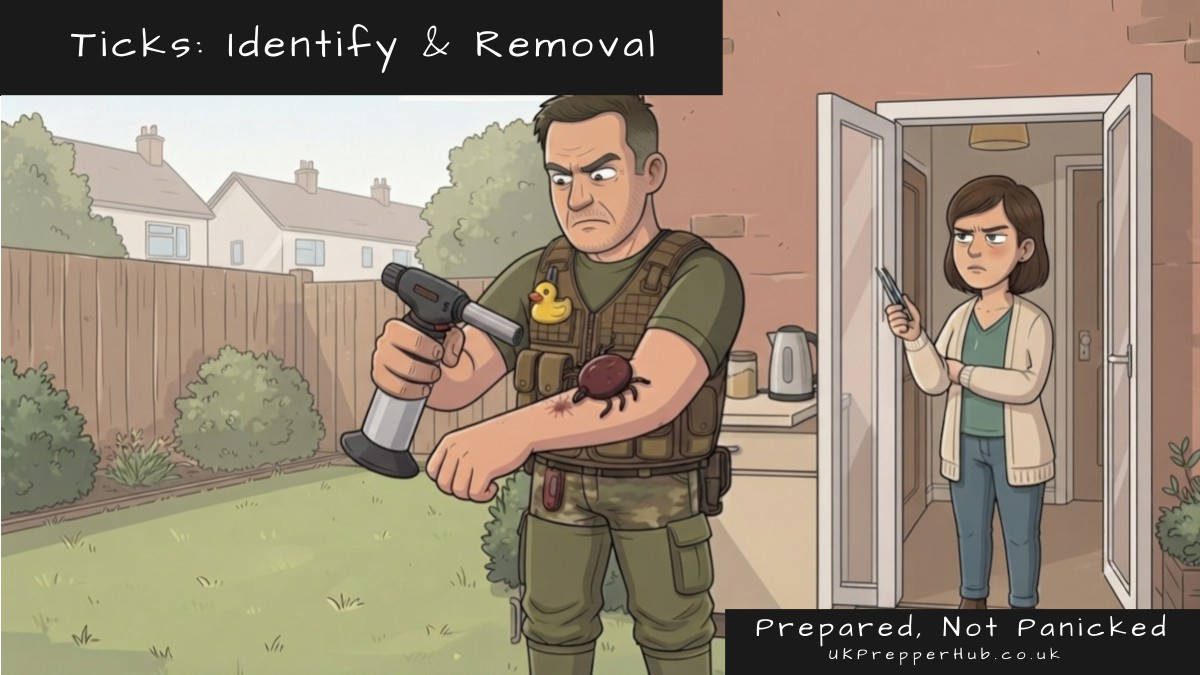
You’ve been out in the garden, walked the dog through the park, or spent the afternoon somewhere with long grass — and now there’s something small and dark attached to your skin that definitely wasn’t there this morning. A tick bite isn’t usually painful, which is exactly why it’s easy to miss, and exactly why knowing what to do about it matters.
Ticks are small, spider-like creatures that live in woodland, heathland, long grass, and — increasingly — ordinary gardens and parks across the UK. They wait on vegetation for something warm-blooded to brush past, then attach and feed. Most tick bites cause nothing more than mild irritation. A small number can transmit Lyme disease, which is why it’s worth knowing what a tick bite actually looks like, how to remove one properly, and when it’s worth a call to the GP.
What a Tick Bite Actually Looks Like
If the tick is still attached, it’s straightforward to spot — a small, dark, spider-like creature stuck to the skin, often smaller than you’d expect (some UK tick species are barely the size of a poppy seed before feeding). Once a tick has fed for a while it swells up and becomes easier to see.
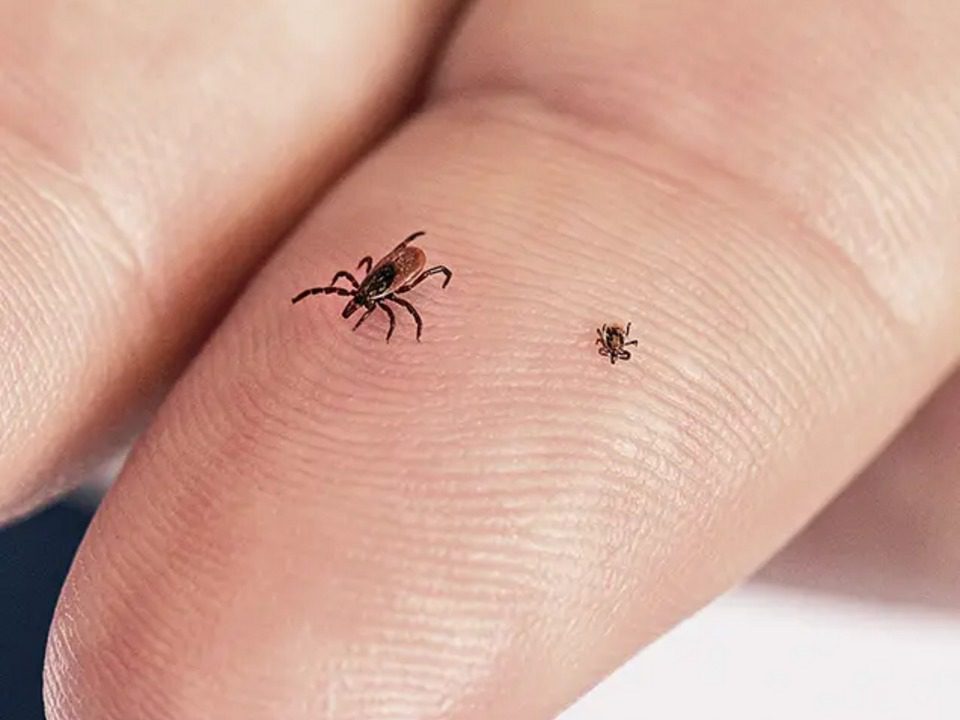
If the tick has already dropped off, the bite site itself is usually a small red mark, sometimes slightly swollen. On its own, that’s not something to worry about. What matters is what happens over the following weeks — some tick bites go on to develop a distinctive rash, and that’s the sign worth knowing.
The Lyme Disease Rash
Around 1 in 3 people who catch Lyme disease develop a circular or oval rash around the bite site, sometimes described as looking like a bullseye on a dartboard — a ring with a lighter or darker patch in the centre, gradually expanding outward. It can appear anywhere from a few days up to three months after the bite, though 1 to 4 weeks is typical. On darker skin, the rash can be harder to see and may look more like a bruise.
Not everyone who catches Lyme disease gets the rash, and not having one doesn’t rule it out — which is part of why regular skin checks after being outdoors matter more than waiting to see if a rash shows up.
How to Remove a Tick Safely
Don’t use a lit match, petroleum jelly, or try to burn or smother a tick off — none of that helps, and delaying removal only increases the risk of transmission. The correct method, straight from NHS guidance:
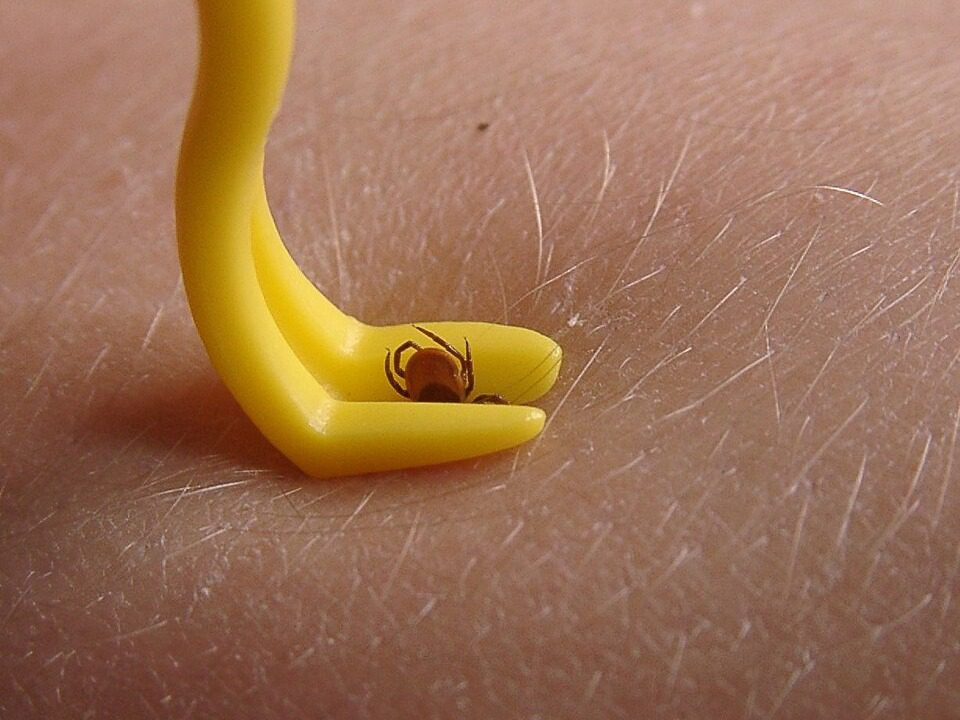
- Use fine-tipped tweezers or a proper tick-removal tool — not standard household tweezers, which tend to be too blunt to grip close to the skin
- Grasp the tick as close to the skin as possible
- Pull upwards slowly and steadily — don’t twist, crush, or squeeze the tick’s body
- Once it’s out, clean the bite site with antiseptic or soap and water
Squeezing or crushing the tick’s body while it’s still attached can push infected fluid into the bite, which is the opposite of what you want. If part of the mouth breaks off and stays in the skin, don’t dig around for it — clean the area and let it work its way out naturally.
Lifesystems Tick Tweezers
Fine-tipped stainless steel tweezers built for the exact method NHS guidance recommends — Duke of Edinburgh kit, 18g
Our Full Review: Lifesystems Tick Tweezers →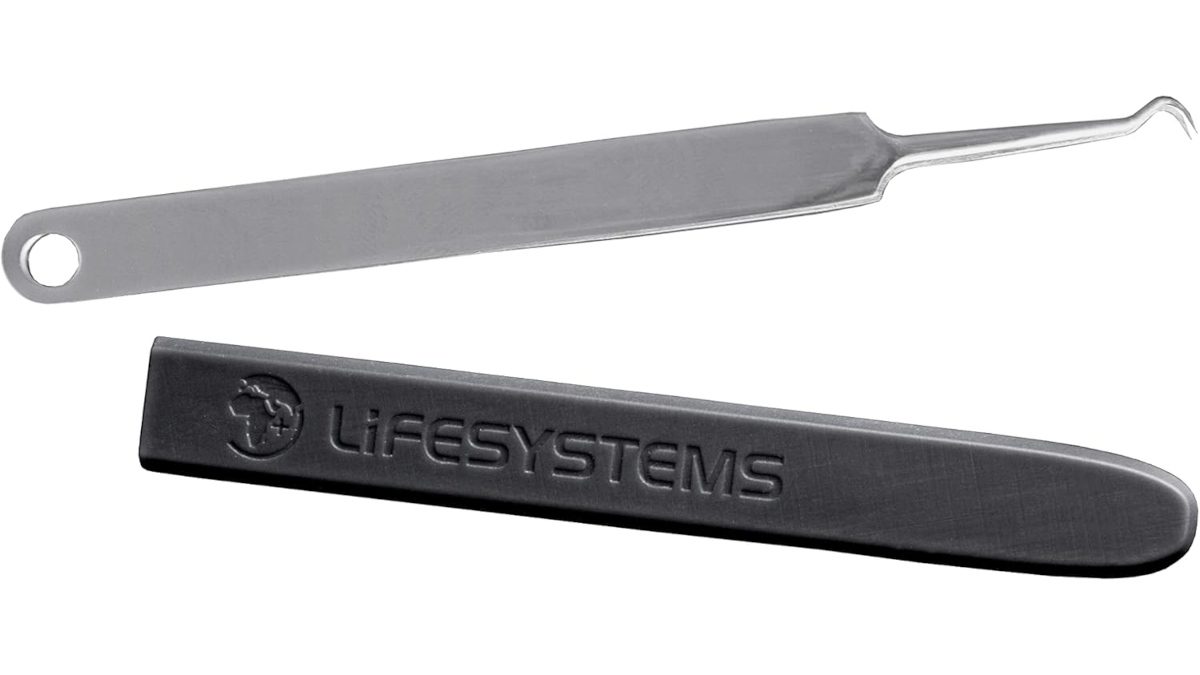
Tick Twister Tick Remover Tools
Three sizes, one twisting motion, and a French vet’s design that gets the whole tick out — for humans and pets — without the squeeze that tweezers risk.
Our Full Review: Tick Twister Tick Remover Tools →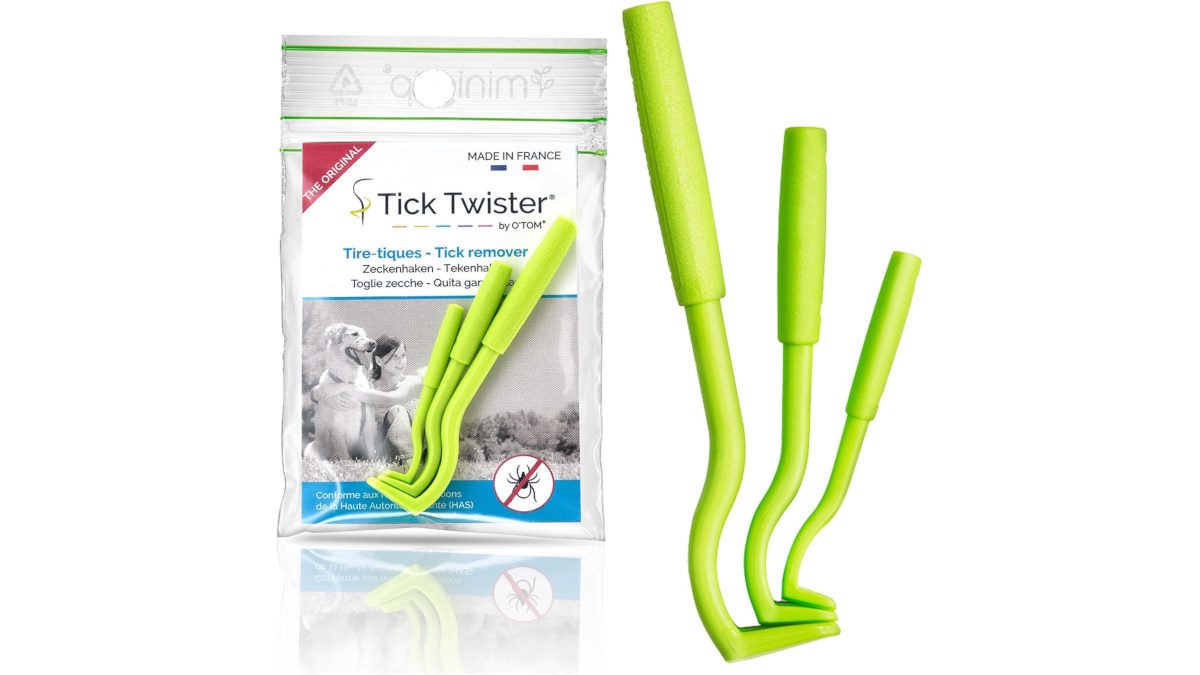
Smidge Tick Removing Card
A credit-card-sized tick tool that fits in a wallet or purse and doubles as a bee sting and thorn remover — the one that’s actually with you when it matters.
Our Full Review: Smidge Tick Removing Card →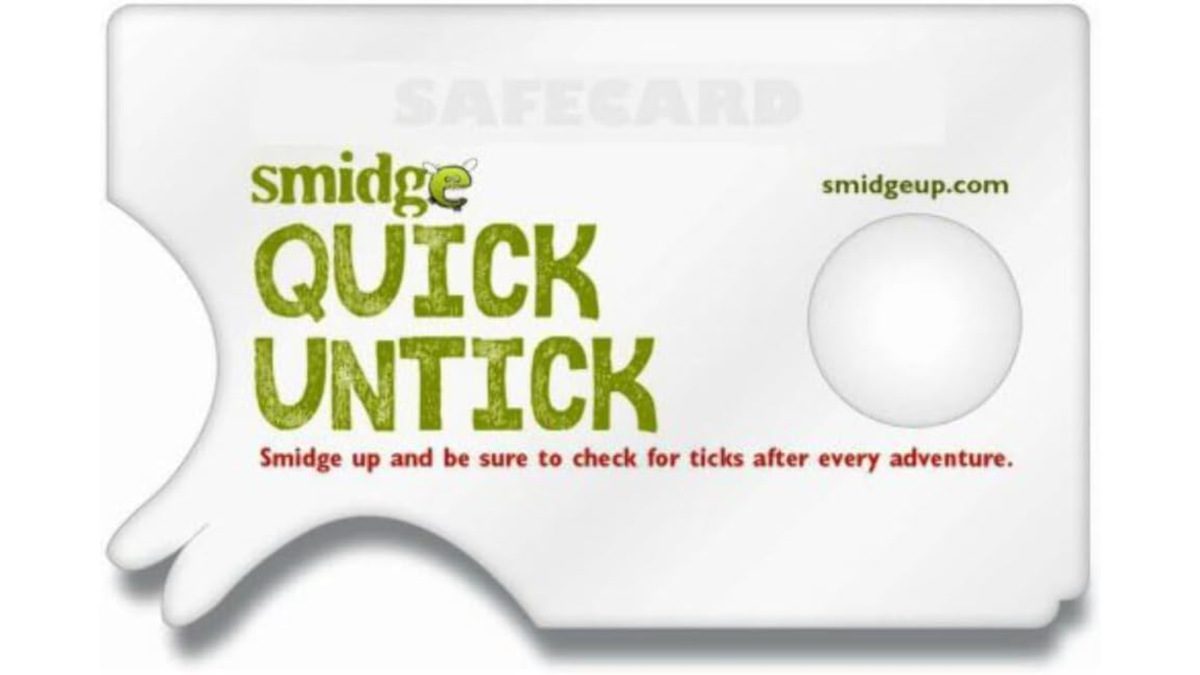
When to See a Doctor
Contact your GP or call NHS 111 if, within three months of a tick bite, you or your child develop:
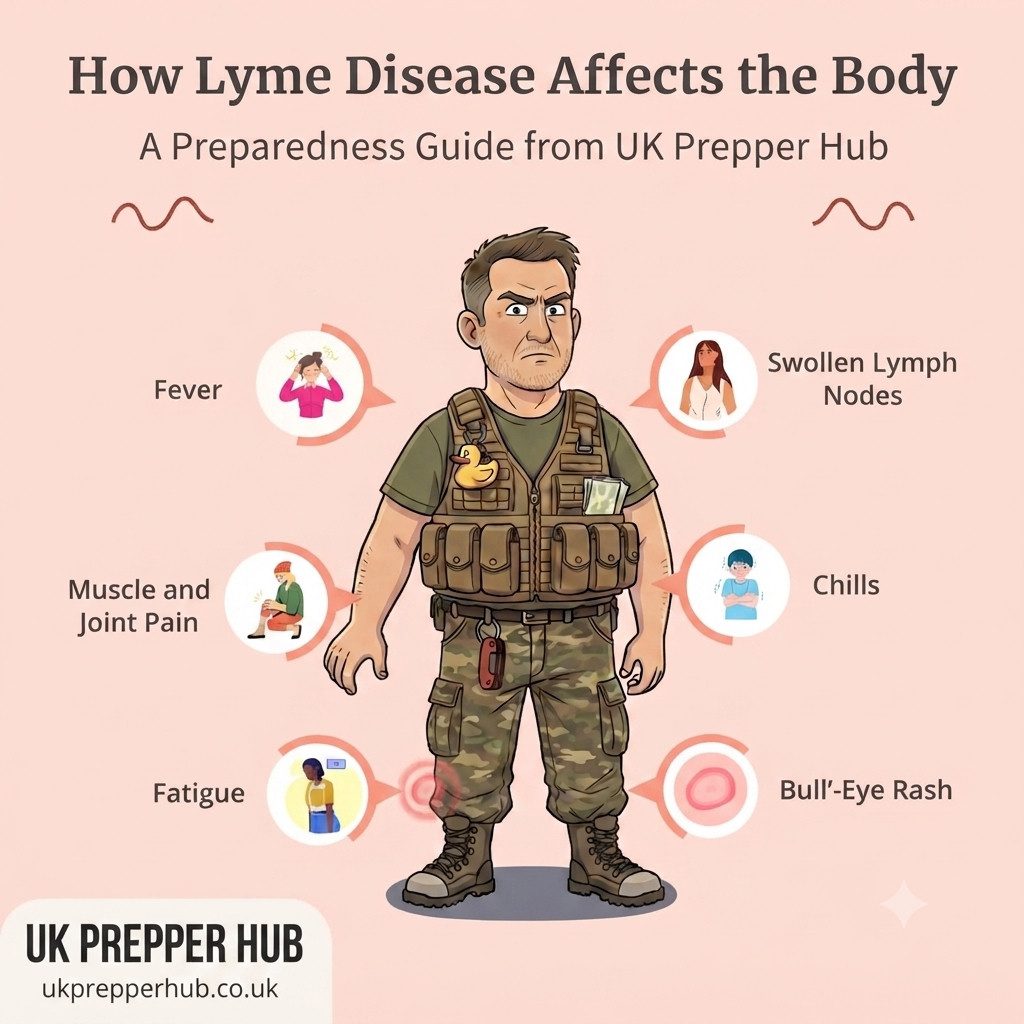
- A circular or oval rash, especially one that looks like a bullseye and is expanding
- Flu-like symptoms — a high temperature, feeling hot, cold or shivery, headaches, muscle or joint pain, or fatigue
Mention the tick bite specifically when you contact them, even if it happened weeks ago and you’d almost forgotten about it — it changes what they’re looking for. Lyme disease caught early is treated with a course of antibiotics, typically lasting up to 28 days, and the earlier it’s picked up, the more straightforward that treatment is.
For everyday bite discomfort without any of the above — itching, mild swelling — an ice pack, over-the-counter pain relief, and antihistamines are the standard advice. Avoid scratching, since broken skin is how a minor bite site turns into an infected one.
Preventing Tick Bites
You can’t tick-proof a walk in the countryside entirely, but the basics cut the odds a long way:
- Stick to paths where possible and avoid pushing through long grass or dense undergrowth
- Wear long sleeves and trousers tucked into socks in tick-heavy areas — light-coloured clothing makes ticks easier to spot before they attach
- Use a tick repellent on exposed skin
- Check yourself, your kids, and your pets thoroughly after being outside — ticks often end up in warm, hidden spots: behind knees, armpits, waistbands, hairlines
Sawyer Picaridin Insect Repellent
20% picaridin, up to 12 hours of protection against Lyme-carrying ticks, and unlike DEET it won’t melt your gear doing it.
Our Full Review: Sawyer Picaridin Insect Repellent →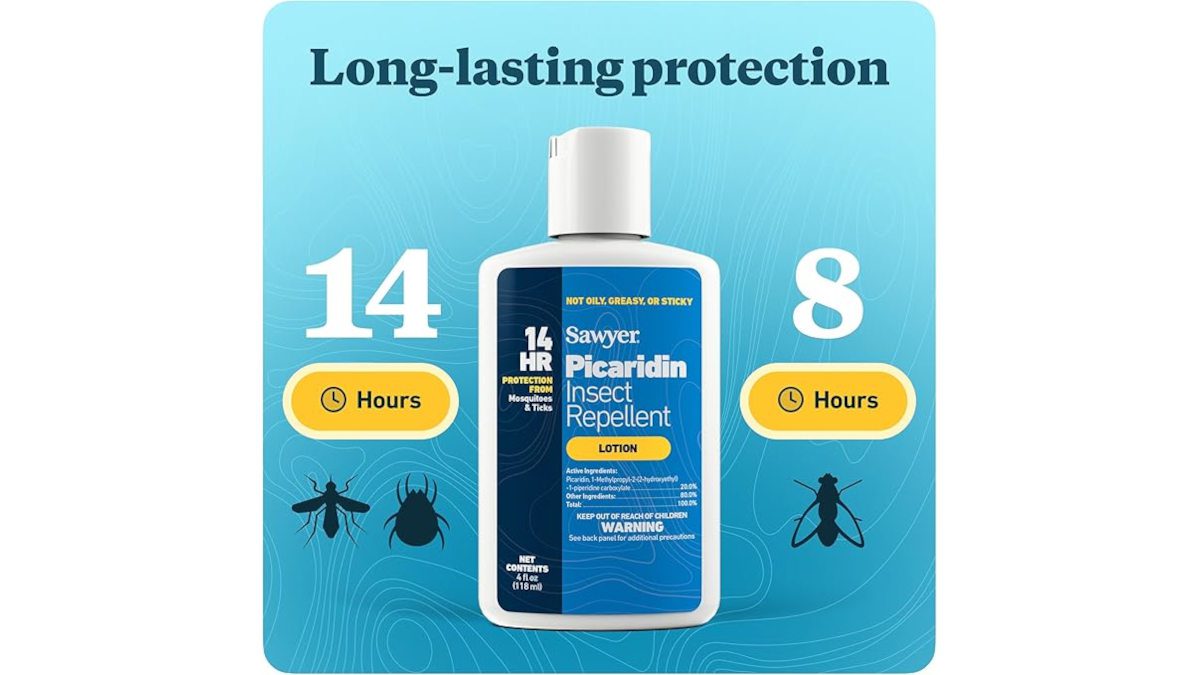

🐾 Weekend Warrior
Pet Tip
I do a full tactical tick-check debrief on Pickle after a walk round the block, treated with the seriousness of a post-mission equipment inspection.
Tick Season and Where They’re a Risk in the UK
Ticks are most active from spring through autumn, with numbers usually peaking around May to June and again in September. They’re strongly associated with woodland and heathland — the New Forest, the Scottish Highlands, the Lake District, and the South Downs are all known higher-risk areas — but they’re increasingly turning up in ordinary parks and gardens too, particularly anywhere with long grass, leaf litter, or wildlife passing through. You don’t need to be deep in the countryside to pick one up.
Pets and Ticks
Dogs and cats pick up ticks at least as easily as people do, often more so, and a tick riding in on the family dog is just as capable of transferring to a person as one picked up directly outdoors. Checking pets after walks is worth building into the same routine as checking yourself — paying particular attention to ears, between toes, and the neck and collar area.
FRONTLINE Spot On for Dogs
The UK’s best-selling flea and tick treatment for dogs, vet-recommended and made by a major animal health pharmaceutical company. Classic and Plus versions available — sized to your dog’s actual weight, not ne-size-fits-all.
Our Full Review: FRONTLINE Spot On for Dogs →
FRONTLINE Spot On for Cats and Ferrets
The UK’s best-selling flea and tick treatment for cats, vet-recommended and made by a major animal health pharmaceutical company. Classic and Plus versions available — sized to your cat’s actual age and weight, not one-size-fits-all.
Our Full Review: FRONTLINE Spot On for Cats and Ferrets→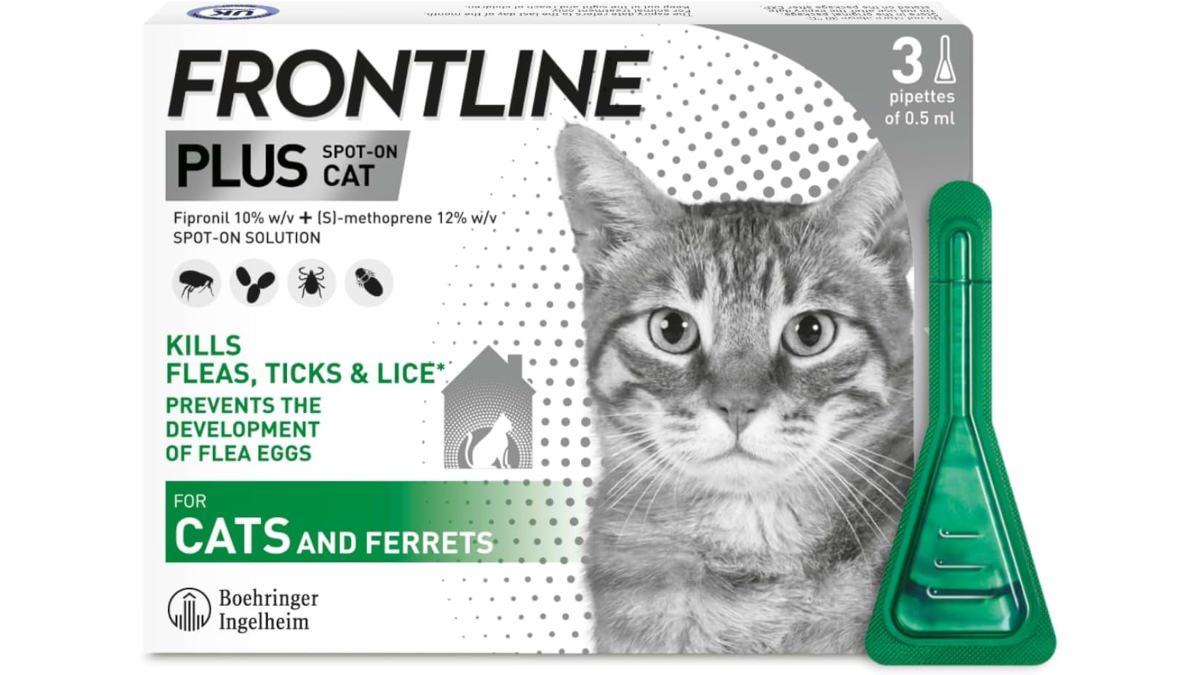
Frequently Asked Questions
How do I know if I’ve been bitten by a tick?
If the tick is still attached it’s usually visible as a small, dark, spider-like creature on the skin. If it’s already dropped off, the bite site is typically a small red mark. Regular skin checks after being outdoors matter more than waiting for symptoms, since tick bites usually aren’t painful.
What does a Lyme disease rash look like?
A circular or oval rash around the bite site, sometimes called a bullseye rash — a ring with a lighter or darker centre that gradually expands. It can appear from a few days up to three months after the bite, most commonly within 1-4 weeks. On darker skin it can look more like a bruise.
How do I remove a tick safely?
Use fine-tipped tweezers or a proper tick-removal tool, grip as close to the skin as possible, and pull upwards slowly without twisting or crushing the tick’s body. Clean the area with antiseptic or soap and water afterwards.
Do all tick bites cause Lyme disease?
No — most tick bites don’t lead to Lyme disease. But since it’s not possible to tell from the bite alone, it’s worth knowing the warning signs (the rash, or flu-like symptoms within three months) and contacting a GP or NHS 111 if either appears.
Can pets get ticks too?
Yes, and often more easily than people — a tick carried in on a dog or cat can transfer to a person just as a directly-picked-up one can. Checking pets after walks is worth the same routine as checking yourself.