
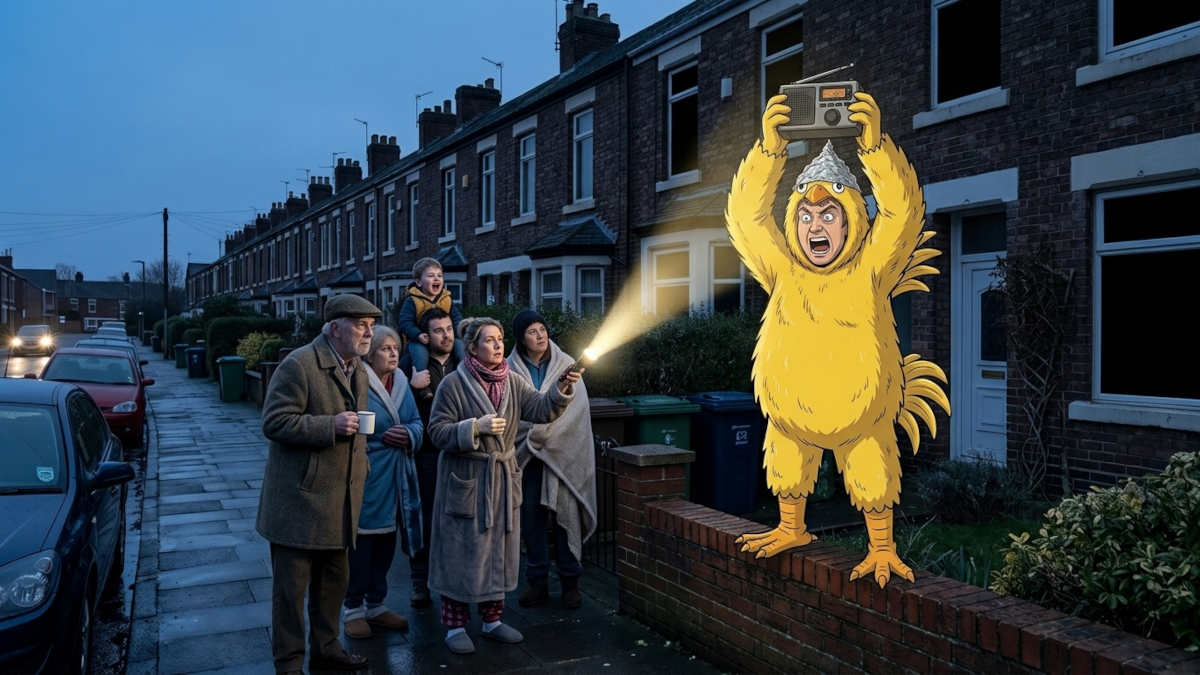
In a big emergency, the first thing people want is information: what is happening, how long it will last and whether they need to do anything. Mobile networks and broadband both need power, and both can fail or jam up just when everyone tries to use them at once.
This part of the Resilience Hub covers how to stay informed and keep in touch when the usual ways stop working, starting with a simple battery or wind-up radio and moving on to two-way radio and satellite messaging.
When the Phones and Internet Go Down
A radio is the one piece of kit that still works when everything else has stopped. Local and national broadcasters keep transmitting in an emergency, so a radio with its own power is the first thing to get.
Complete Guide
Emergency Radio Guide
When the power fails, your phone signal goes with it. This guide covers which radio frequencies actually matter in a UK emergency, what to look for before you buy, and how to make sure it works when you need it.
Read the Full Guide: Emergency Radio Guide →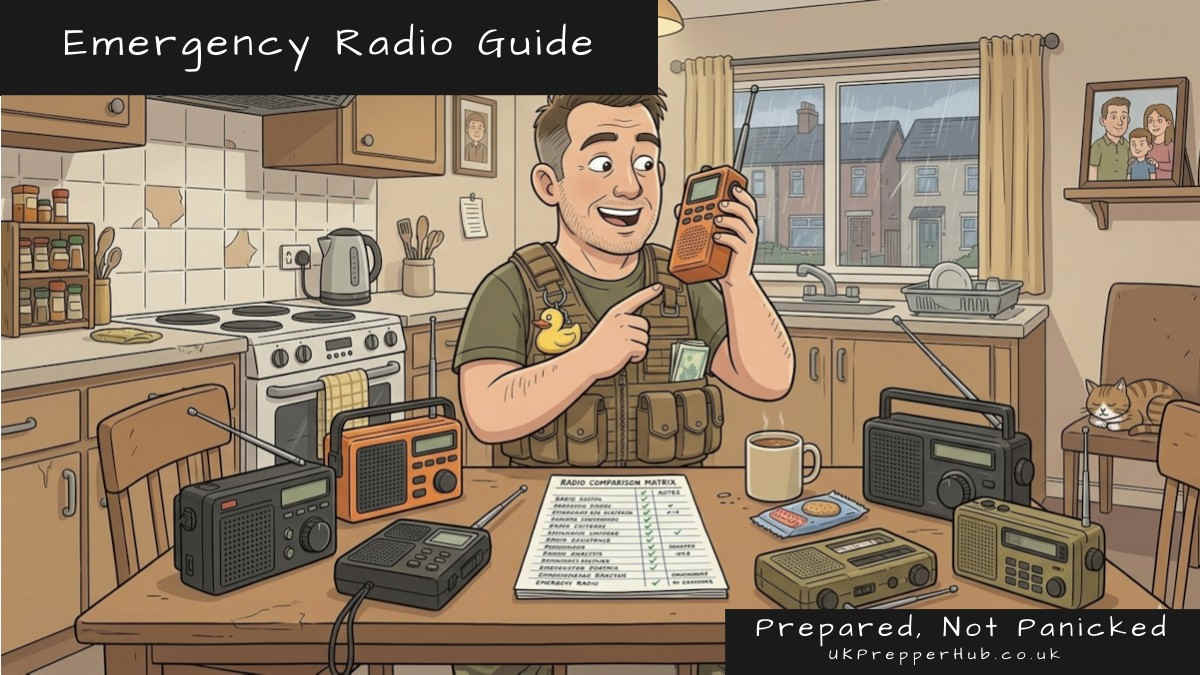
Complete Guide
Off Grid Communications
When mobile networks go down and the internet disappears, most households are completely cut off — and most people have no backup plan. This guide covers every practical option for staying in contact during a UK emergency, from emergency radio and walkie-talkies to mesh networks and satellite communicators.
Read the Full Guide: Off Grid Communications →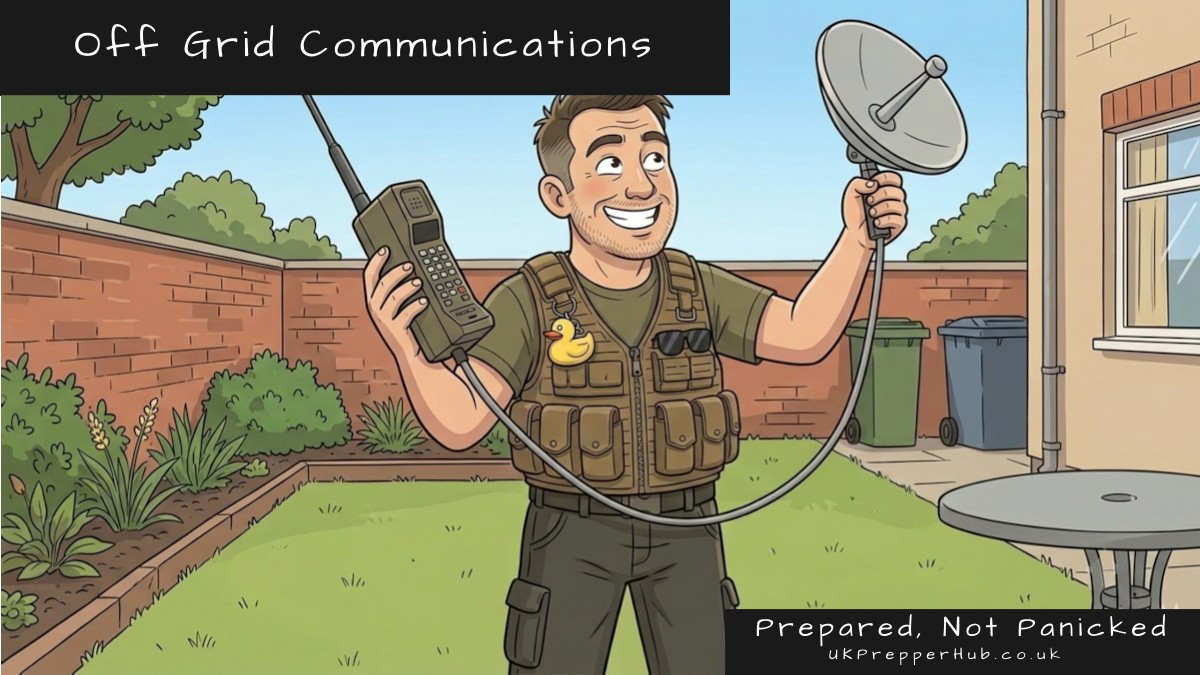
Two-Way Radio for Families and Neighbours
If you need to talk to each other, not just listen, two-way radio fills the gap. Licence-free PMR446 walkie talkies are the easy starting point for most households; CB, LoRa and amateur radio go further but need more knowledge, and some need a licence.
Complete Guide
PMR446 Walkie Talkies
PMR446 walkie talkies need no licence, no subscription, and no infrastructure — they work when mobile networks don’t. This guide covers realistic range, how to use them in a UK emergency, what to look for when buying, and why the “privacy codes” on the box aren’t what you think.
Read the Full Guide: PMR446 Walkie Talkies →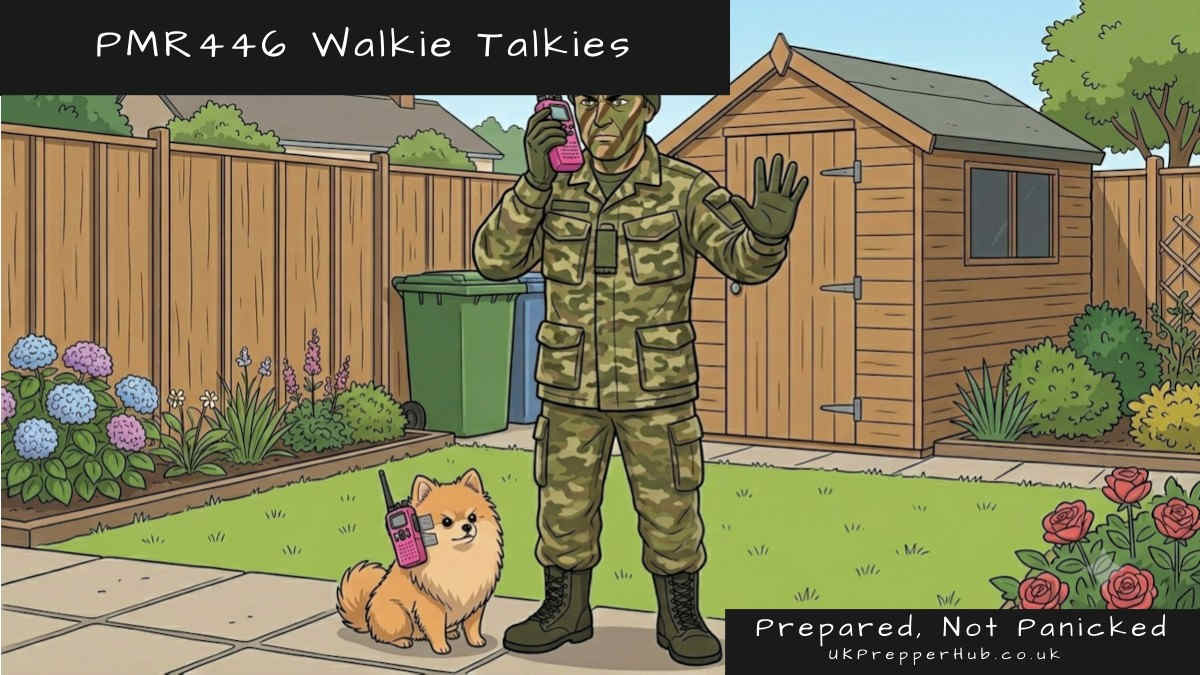
Complete Guide
CB Radio: The Licence-Free Step Up
CB radio is the licence-free step up from PMR446 walkie talkies — more power, greater range, and access to Channel 19 where lorry drivers broadcast real-time road intelligence before any official source catches up. No licence, no registration, and it runs from a leisure battery when the grid goes down.
Read the Full Guide: CB Radio: The Licence-Free Step Up →
Complete Guide
LoRa Radio Explained
LoRa radio sends messages miles with no phone signal, no internet, and no infrastructure. Plain-English guide to how it works, Meshtastic vs Reticulum, and the hardware to buy.
Read the Full Guide: LoRa Radio Explained →
Complete Guide
Baofeng UV-5R in the UK
The Baofeng UV-5R is the most talked-about radio in UK prepper circles and the most legally misunderstood — £25, dual-band VHF/UHF, and capable of far more than most people realise. This guide covers what you can and cannot do with it in the UK, how to get the Foundation licence that makes it fully legal to transmit, and whether it belongs in your kit.
Read the Full Guide: Baofeng UV-5R in the UK →
Satellite Messengers
For walkers, remote areas and anyone who needs to send an SOS where there is no mobile signal at all, a satellite messenger is the last line of contact.
Complete Guide
Satellite Comms for UK Preppers
One or two sentences on what this guide covers and why it’s worth reading from this context. Keep it specific to the topic being discussed on this page.
Read the Full Guide: Satellite Comms for UK Preppers →
More From the Resilience Hub
- Protect Your Home: planning, flood, storm, fire and security
- Power, Heat and Light: power cuts, backup power and keeping warm
- Water and Food: water storage, emergency pantry and cooking without power
- Health, Hygiene and Pets: first aid, medication, sanitation and pets
- On the Road: winter car, get home bag and backup transport
- Back to the Resilience Hub: every topic in one place


