
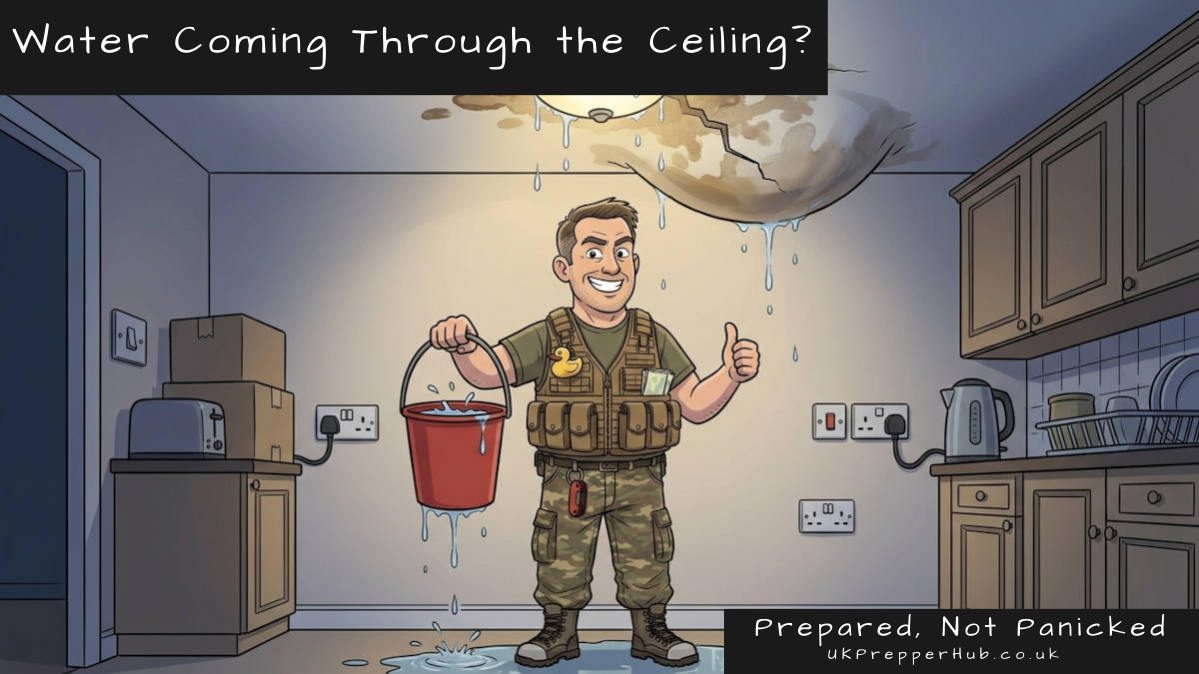
Water coming through the ceiling never picks a convenient moment. It’s half eleven on a Sunday, you’re in your dressing gown, and the kitchen light has started dripping like a water feature nobody asked for. In a flat, the cause is usually upstairs: an overflowing bath, a split washing machine hose, or a shower seal that gave up months ago and has been quietly soaking the floor ever since. In a house, it’s your own bathroom, an overflowing cistern, or a burst pipe.
It’s worth taking seriously from the first drip. When a frozen pipe burst at my mother-in-law’s bungalow, the ceilings didn’t just stain. In the end every one of them came down, and the insurance company had to gut the house and refinish it: a new kitchen, new carpets, new ceilings and new walls. This guide covers what to do in the first ten minutes, how to find where the water is coming from, and the part everyone ends up arguing about afterwards: who pays.
What to Do When Water Is Coming Through the Ceiling
Work through these in order. The first one matters most.
1. Keep away from the electrics
Water coming through the ceiling light is the most dangerous version of this, and it’s common, because the fitting sits in a hole in the ceiling, which is often the easiest way out for water sitting above it. If the water is anywhere near a light fitting, switch, socket or appliance, turn the electricity off at the consumer unit (the fuse box). Switching the light off at the wall isn’t enough, because power can still reach the fitting itself. If you know which breaker is the lighting circuit, that one will do. If you don’t, switch the whole lot off.
If the consumer unit is wet, or you’d have to stand in water to reach it, leave it alone. Get everyone out of the room and call an electrician. If there’s sparking, smoke or a burning smell, call 999.
2. Stop the water if it’s coming from your home
Find your stop tap and turn it clockwise. In most homes it’s under the kitchen sink, but it can also be in an airing cupboard, under the stairs, or where the water pipe comes in. Then turn on the cold taps to drain what’s left in the pipes. In a house with a cold water tank in the loft, this also stops the tank from emptying itself through the leak.
If the inside stop tap is seized or nobody can find it, there’s usually an outside one under a small metal cover in the pavement or front path. Those need a long stop tap key, because they sit at the bottom of a narrow shaft.
1-Meter Universal Outdoor Stopcock Key Tool
Brief description of why this product is worth considering. ‘teaste’tpyetext like “is this the best?”.
Our Full Review: Universal Outdoor Stopcock Key →
3. If it’s a leak from the flat above, go upstairs
Knock on the door. Most people have no idea they’re flooding the flat below until someone tells them, and they can usually stop it in seconds by turning off a tap or a washing machine.
If there’s a leak from the flat above and no one is in, call your landlord, managing agent or housing association on their emergency line straight away. They usually hold keys or contact details for the flat, and leaseholders’ freeholders normally have powers under the lease to get in and investigate. Some blocks have a building stop tap in a communal cupboard or the basement, which cuts the water to every flat. Knowing where it is before you need it saves a lot of hammering on doors. If the water is pouring in and nobody can stop it, you can call the fire service.
4. Contain the water and protect your things
While there’s still water coming through the ceiling, put buckets, washing-up bowls and the big saucepan under the drips. Move electrical items, furniture, paperwork and anything you’d hate to lose out of the room or up off the floor. Lift rugs, and roll towels or a flood sock along door thresholds to stop it spreading into the next room.
Watch the ceiling itself. A patch that’s sagging, bowing or cracking is holding water, and a ceiling full of water is extremely heavy. Don’t stand underneath it, and keep children and pets out of the room. Some plumbers make a small hole at the lowest point of the bulge so it drains into a bucket instead of coming down all at once. Only do this if the electricity is off, there’s no light fitting in the bulge, and you can reach it from the side rather than from underneath. If in doubt, leave it and wait for help.

🦆 Keith
Don’t Be Keith
Keith noticed a drip coming through the kitchen ceiling at bedtime, put a bucket under it, admired his quick thinking and went to bed. He woke up to the ceiling on the kitchen floor and the bucket somewhere underneath it. Lesson: a drip is a symptom, not the problem. Find the source and stop the water.
5. Photograph everything before you tidy up
Take photos and video of the water, the ceiling and anything damaged, before you start mopping. Keep receipts for anything you buy to deal with it. Insurers expect you to have taken reasonable steps to stop the leak and limit the damage, and the photos are the proof that you did.
Finding Where the Leak Is Coming From
Once the water is under control, you need to know why there’s water coming through the ceiling at all, or it’ll be back. The position of the drip only tells you where the water came out, not where it started. Water runs along joists and pipes and can appear a couple of metres from the actual leak. Common causes, roughly in order of how often they turn up:
- A bathroom above. If water is coming through the ceiling from the shower or bath only when someone’s using it, the cause is usually a failed seal around the tray or bath, cracked grout, or a leak under the bath waste. If it’s dripping all the time, suspect a supply pipe or the toilet.
- A toilet cistern. A faulty fill valve can overflow the cistern, and a leaking pan connector drips every time the toilet is flushed.
- A kitchen above. Washing machine and dishwasher hoses split, and their connections work loose. Water coming through the kitchen ceiling at the same time every evening is a strong hint that someone upstairs runs the dishwasher after dinner.
- A burst or leaking pipe. Water pipes, heating pipes and radiators. A combi boiler that keeps losing pressure is often the giveaway for a hidden heating leak.
- The roof or gutters. Top-floor flats and houses only, and usually only when it rains.
- Condensation. Condensation coming through the ceiling looks like a leak but involves no plumbing at all. Warm, damp air hits a cold ceiling or loft space, and in a cold snap it can drip. It tends to be worst in bathrooms and under lofts with poor ventilation.
If the cause isn’t obvious, a plumber or a leak detection company can trace it. Some buildings insurance policies include “trace and access” cover for finding the source, so ask before paying for it yourself.

🐔 Chicken Licken
Did You Know?
I’ve been saying it for years: most flats that flood are flooded from inside the building, by a burst pipe, a bath left running or a washing machine hose upstairs, not by rivers or rain. Everyone buys flood barriers for their front door and nobody checks the hose behind the washing machine.
Burst Pipes: Why Winter Is the Worst Time
Burst pipes are one of the biggest causes of water coming through the ceiling in houses. Water expands when it freezes, and a pipe full of ice can split along its length. Often nothing happens until the thaw, when the ice melts and the split starts pumping water into the loft, the walls or the ceiling below. That’s why burst pipes come in waves after a cold snap, and why they do so much damage: they often happen when the house is empty, or in the loft where nobody notices until the ceiling shows it.
- Keep the heating on low if you’re away during cold weather.
- Insulate pipes in the loft, garage and any outside walls.
- Check your home insurance policy. Some have a condition that the heating must be kept at a certain level if the property is empty in winter.
- If a pipe has already frozen, our guide on how to unfreeze pipes covers thawing them safely before they split.
A split pipe needs a plumber, but self-amalgamating repair tape wrapped tightly over the split can slow or stop the water until one arrives.
YoiYee Self-Amalgamating Repair Tape
It’s one of those cheap bits of kit that quietly saves you from expensive disasters—able to instantly seal leaks, insulate cables, and hold things together without tools when something fails. In a real-world emergency, that can mean the difference between a minor inconvenience and a flooded room, cold house, or costly call-out—making it one of the highest-value “just in case” items you can own.
Our Full Review: YoiYee Self-Amalgamating Repair Tape →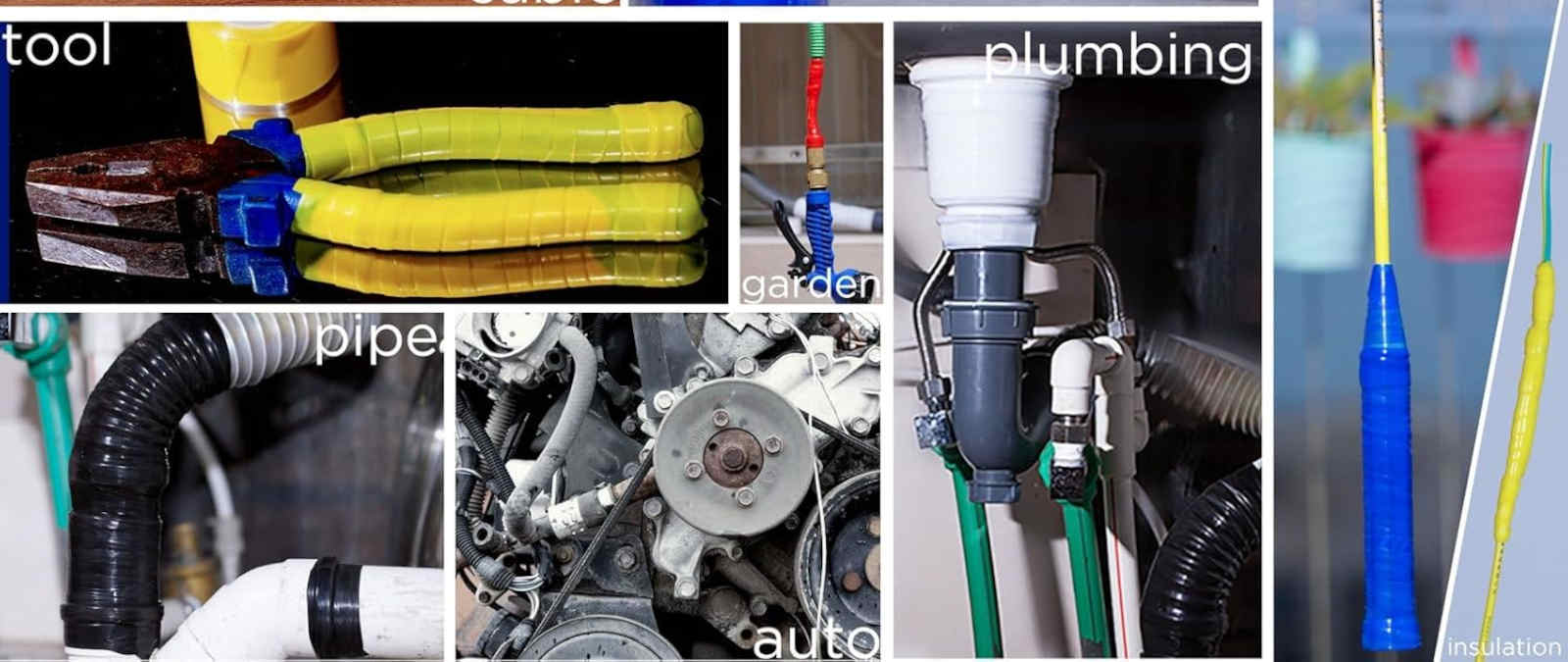
Leak From the Flat Above: Who Pays?
Once a leak from the flat above has been stopped, the next question is who covers the damage. The honest answer is that it depends on what caused the leak, what your lease or tenancy says, and the insurance on the building. The general picture in England looks like this. Wales, Scotland and Northern Ireland have their own rules, so check Citizens Advice for your nation.
The ceiling, walls and fittings
- Leaseholders: the freeholder normally arranges the buildings insurance, and you pay your share through the service charge. You can’t usually claim on it yourself. Report the damage to the freeholder or managing agent and ask them to claim. Buildings insurance should cover the fabric of the building, such as replastering and redecorating a ceiling, and fittings like kitchen units.
- Renters: your landlord is responsible for repairing the structure of your home, including walls, ceilings and plasterwork, but only once they know about the damage. Tell them straight away, and in writing.
- Homeowners in a house: it goes on your own buildings insurance, usually as an “escape of water” claim.
Most policies have an excess. For a leasehold flat, the lease decides whether the excess can be recovered from whoever caused the leak or is shared between all the leaseholders through the service charge. Buildings that have had a lot of leak claims sometimes end up with a very high excess, or no leak cover at all.
Your belongings
- Buildings insurance never covers your possessions, even when the water damage from the flat above is obviously someone else’s fault. Furniture, clothes, electrical items and carpets you own are a contents insurance claim. If you rent, your landlord’s insurance doesn’t cover your things.
- If your neighbour was careless, for example by leaving a bath to overflow, they’re responsible for paying for your damaged belongings. Their own home insurance may cover that.
- If nobody was careless and a pipe simply failed, it usually comes down to your own contents insurance.
- If the leak came from a repair your landlord knew about and failed to make, the landlord may be responsible for your belongings and the inconvenience as well.
Talking to your neighbour is the best first step, and most of these get settled that way. Taking a neighbour to court for nuisance or negligence is possible, but it’s a last resort and needs proper legal advice.
Who fixes the leak itself
For leasehold flats, each leaseholder is usually responsible for the pipes serving their own flat and their own appliances, such as the washing machine and boiler. The freeholder is usually responsible for communal pipes, shared water tanks and leaks from the structure, such as the roof. Leases vary, so check yours. If a neighbour won’t let anyone in to fix it, the freeholder or managing agent can usually require access and require the repair under the lease.
Council and Housing Association Flats
If there’s water coming through the ceiling of a council or housing association flat, report it to the emergency repairs line straight away and write down the reference number, the date and who you spoke to. Under Awaab’s Law, if the damage is an emergency hazard, a council or housing association landlord in England must make your home safe within 24 hours. If they can’t do that quickly enough, they must offer you somewhere else to stay until the work is done. If a leak leads to damp or mould, that’s covered too.
If your landlord doesn’t deal with it, use their complaints process. After that, you can take it to the Housing Ombudsman.
Private renters have the same right to have the structure repaired, but some private landlords try to evict tenants rather than do repairs, so get advice from Citizens Advice or Shelter if things turn awkward.
When the Leak Is Yours: Don’t Flood the Flat Below
Every flat is someone else’s flat above, and nobody wants to be the reason there’s water coming through the ceiling downstairs. A few minutes now saves you an awkward conversation on the stairs and possibly a claim against your insurance.
- Pull the washing machine out once in a while and look at the hoses. Replace any that look cracked, bulging or perished.
- Check the seals around the bath, shower and sinks, and redo any that have split or gone black.
- Never leave a bath running and wander off. If it overflows, that counts as negligence, and your insurer may not pay.
- Fix drips and slow drains quickly rather than living with them.
- Know where your stop tap is, and make sure it turns.
- Get contents insurance that covers escape of water, and check whether it includes liability for damage to other people’s property.
- Consider a cheap battery water leak alarm on the floor behind the washing machine or under the sink. It screeches the moment it gets wet.
Drains and Sewage Backing Up
Ground-floor and basement flats have a different problem: water and sewage coming up through the drains, usually during heavy rain or when a shared drain is blocked. Gurgling plugholes and slow-draining sinks are the early warning.
- Stop using the toilet, sinks, shower and washing machine until it’s sorted. Every flush adds to the problem.
- Call your water company. In England and Wales, they’ve been responsible for shared sewers and for drains outside your property boundary since October 2011. Pipes serving only your property, inside its boundary, are still the owner’s responsibility.
- Don’t pour chemical drain cleaner down a backed-up drain. It won’t clear a blocked sewer, and it adds caustic chemicals to the water you then have to clean up.
- Treat sewage water as contaminated. Wear gloves, wash your hands well, and keep children and pets away from it.
A blocked drain can leave you without a working toilet for a day or more, which is where a self-contained cassette toilet earns its keep.
Thetford Porta Potti
One of the most-reviewed portable toilets on Amazon UK: self-contained sanitation that needs no mains, no electricity and no plumber when the flood hits.
Our Full Review: Thetford Porta Potti →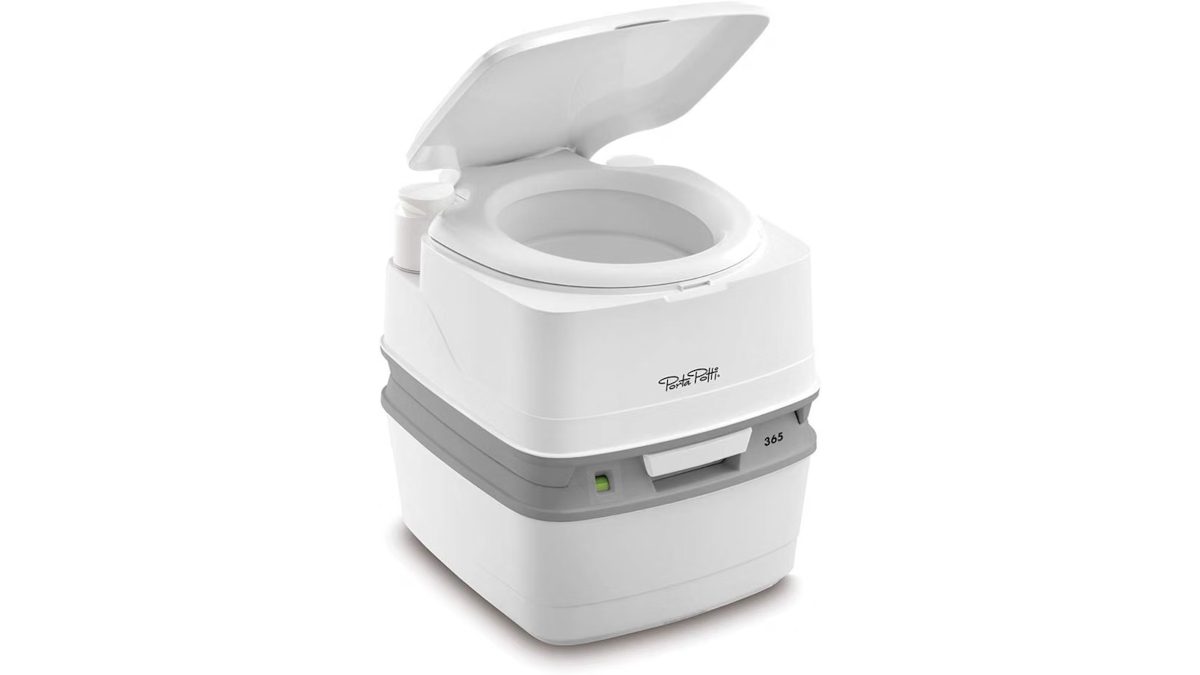
Drying Out After a Leak
Once there’s no more water coming through the ceiling, the drying out starts, and it takes longer than most people expect. A plasterboard ceiling that has been properly soaked often needs replacing, not just painting. Older lath and plaster ceilings can hold water for a long time and come down later. If the insurer or landlord sends a drying company, let them finish before anyone redecorates. Paint over a damp ceiling and the stain comes back, usually with mould for company.
If you’re drying out a smaller leak yourself, keep the room warm and ventilated, lift damp carpets and underlay, and run a dehumidifier. A hygrometer tells you when the room is genuinely back to normal rather than just looking dry.
EcoAir DD1 Simple
The rotary-dial desiccant dehumidifier that keeps cold, solid-walled rooms dry where compressor models give up, and switches itself on from a smart plug or a timer.
Our Full Review: EcoAir DD1 Simple →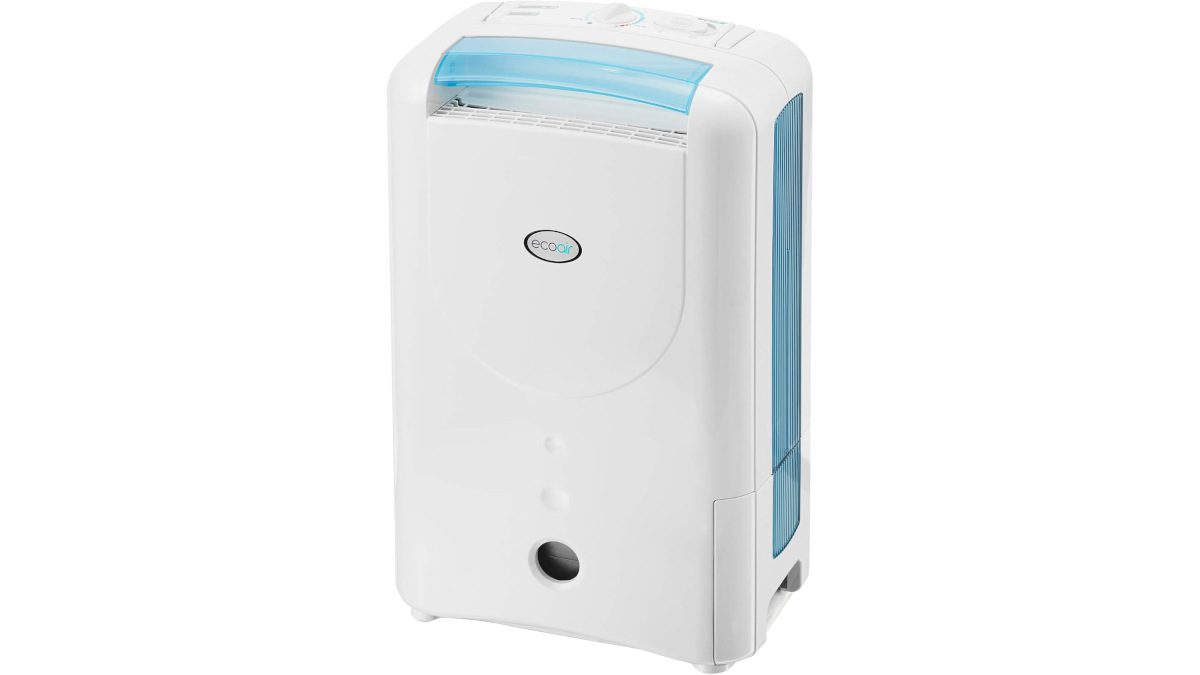
What to Keep Ready
None of this costs much, and all of it makes a night of water coming through the ceiling a lot shorter.
- Your stop tap located, tested and labelled, and the building stop tap located if you’re in a flat.
- A torch somewhere you can find it in the dark, because you may have to turn the electricity off.
- A couple of buckets and a pile of old towels.
- Emergency numbers saved in your phone: your landlord or housing association’s out-of-hours line, the managing agent, your water company, your insurer, and the neighbour upstairs if you’re on speaking terms.
- Your insurance policy numbers, saved somewhere other than the paperwork in the kitchen drawer.
- Important documents kept up off the floor in a properly waterproof box.
MEIJIA Waterproof Case
An IP67 hard case with a full O-ring seal, made to be submerged, so the photos and papers you can never replace stay dry when floodwater gets in.
Our Full Review: MEIJIA Waterproof Case →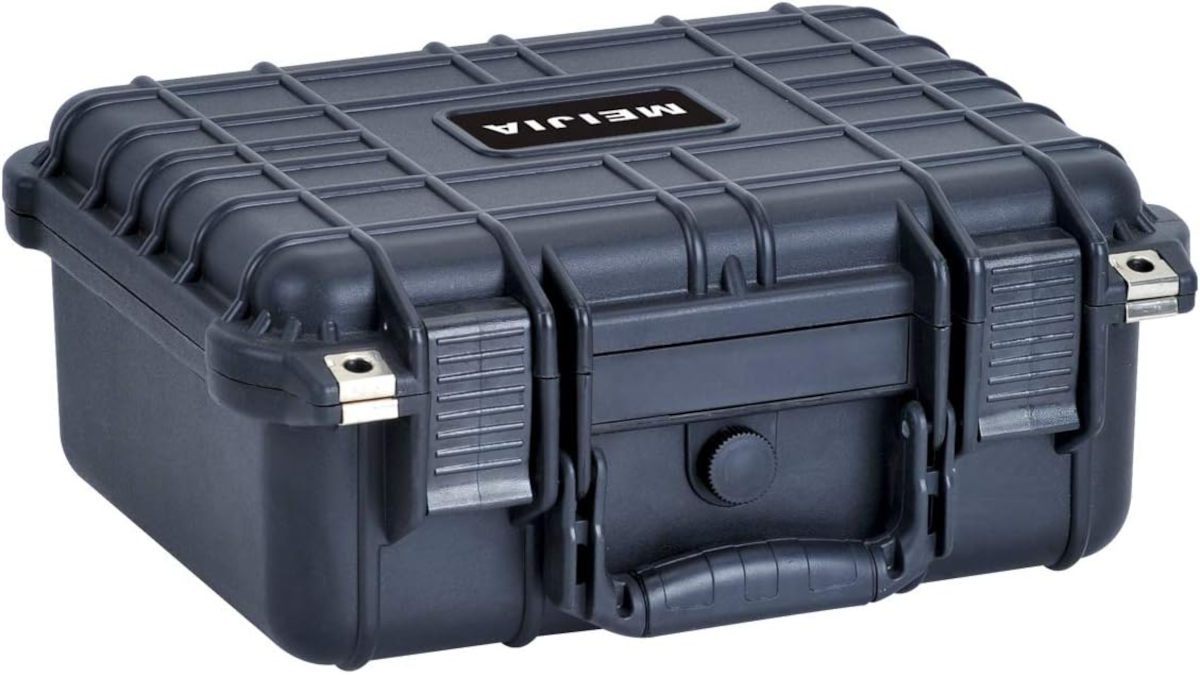
Ground Floor and Basement Flats: Water From Outside
If you’re on the ground floor in an area at risk of surface water or river flooding, you’ve got the same outside risks as any house: water coming in under the door, through airbricks and around window frames. The catch in a flat is that permanent flood barriers usually need the freeholder’s or landlord’s permission before you fit them, so temporary, no-drill options like flood socks and clip-over airbrick covers tend to be the practical choice.
Floodshield Flood Sock
A 1.5m flood sock that stores flat in a drawer, then swells into a water-tight seal across your door minutes after you wet it.
Our Full Review: Floodshield Flood Sock →
- Check your long-term flood risk on GOV.UK and sign up for free flood warnings for your area.
- Our UK Home Flood Defence guide covers barriers, flood socks and airbricks in full.
Frequently Asked Questions
What should I do if water is coming through the ceiling?
Turn the electricity off at the consumer unit if the water is anywhere near a light, switch or socket. Then stop the water at your stop tap if the leak is in your home, or go and knock on the neighbour’s door if it’s coming from the flat above. Put buckets under the drips, move your belongings out of the way, keep clear of any sagging ceiling, and photograph the damage before you tidy up.
Is water coming through the ceiling light dangerous?
Yes. Water and mains electricity in a light fitting can give you a shock or start a fire. Don’t touch the switch or the fitting. Turn the power off at the consumer unit, and don’t use that light again until an electrician has checked it. If the consumer unit is wet, keep away from it and call an electrician, or 999 if there’s sparking or smoke.
Who pays for a leak from the flat above?
It depends on the cause. In a leasehold flat, damage to the ceiling and walls usually goes on the building’s insurance, which the freeholder arranges. If you rent, your landlord repairs the structure. Your belongings are a claim on your own contents insurance, unless your neighbour was careless, for example by leaving a bath running, in which case they’re responsible for the damage.
What if there’s a leak from the flat above and no one is in?
Call your landlord, managing agent or housing association on their emergency line. They usually have keys or contact details for the flat, and freeholders normally have powers under the lease to get in. If your block has a building stop tap, turning it off stops the water to every flat. If water is pouring in and nobody can stop it, you can call the fire service.
Will my insurance cover water damage from the flat above?
Usually, but through two different policies. Buildings insurance covers the ceiling, walls, plaster and fittings such as kitchen units. Contents insurance covers your own furniture, carpets and belongings. Both normally have an excess, and an insurer may refuse to pay if the damage was caused by negligence or by a problem left unfixed for too long.
Can I claim compensation for a leak from the flat above?
If your neighbour was careless, they’re responsible for your damaged belongings, and their own home insurance may cover it. If the leak came from a repair your landlord knew about and didn’t make, the landlord may be responsible for your belongings and the inconvenience. Court action for nuisance or negligence is possible, but it’s a last resort and needs proper legal advice.
Should I make a hole in a bulging ceiling?
Only if it’s safe. A ceiling that’s sagging with water can come down suddenly, so never stand underneath it. Some plumbers make a small hole at the lowest point so the water drains into a bucket. Only do it if the electricity is off, there’s no light fitting in the bulge, and you can reach it from the side. If in doubt, keep everyone out of the room and wait for help.
Build Your Resilience
Further Reading: Related Guides
- How to Unfreeze Pipes
- Emergency Utility Shutdown
- Preventing Indoor Mould & Damp
- UK Home Flood Defence
- Emergency Sanitation Guide
- Protecting Your Important Documents
All our guides can be found listed on our resilience hub.
Gear We've Tested & Reviewed
- Unibos Stopcock Key Review
- YoiYee Self-Amalgamating Repair Tape Review
- EcoAir DD1 Simple Dehumidifier Review
- ThermoPro TP50 Hygrometer Review
- MEIJIA Waterproof Case Review
- Thetford Porta Potti 365 Review
- Floodshield Flood Sock Review
- Manthorpe Airbrick Flood Defence Review
All our reviews can be found on our reviews and resources page.