
This page contains affiliate links. As an Amazon Associate, UK Prepper Hub earns from qualifying purchases. Learn more
Shouting for help works for about two minutes. After that your voice is hoarse, your throat hurts, and whoever might hear you is still on the other side of a closed door, a flooded street or a dark lane. An emergency whistle doesn’t get tired. One breath carries further than your loudest shout, and you can keep going for as long as it takes.
The Lifesystems Hurricane is a small, pealess emergency whistle that weighs 15g and costs very little. This review covers what it is, why the design matters, and the places in a UK home, car and grab bag where it earns its keep.
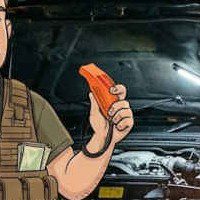
Lifesystems Hurricane Emergency Whistle
A pealess, triple-chamber 122dB emergency whistle for the car, the grab bag and the bedside: no batteries, nothing to charge, heard when shouting fails.
Amazon.co.uk Price: £4.99 (as of 26/11/2026 19:00 GMT)
Our Prepared Shield Rating: 5/5 🛡️
What Is the Lifesystems Hurricane Emergency Whistle?
Lifesystems is a British outdoor safety brand, and the Hurricane is its triple-chamber safety whistle. Here’s what Lifesystems says about it:
- 122dB, which Lifesystems puts among the loudest whistles available
- A triple-chamber design that makes a tri-tone sound, so it carries a long way
- Water resistant, for use in any weather
- Complies with EN ISO 12402-8, the standard for lifejacket accessories such as whistles
- Duke of Edinburgh’s Award recommended kit
- Comes with a neck lanyard
- 13 x 23 x 63 mm and 15g
That’s the whole spec sheet, and that’s the point. There are no batteries to go flat, nothing to charge and nothing to switch on. It can sit in a drawer or a bag for years and still work the first time you blow it.
Why a Pealess Whistle Beats the One in Your Kitchen Drawer
The whistle most of us picture is a referee’s whistle with a little ball inside. That ball, the pea, is what makes it trill. It’s also what makes it fail: get it wet and the pea sticks, let it freeze and the pea jams, leave it in a drawer for years and it can split. A pealess whistle has nothing inside to stick or jam, so it sounds the same soaked, frozen or fresh out of the packet.
The Hurricane goes one better with three chambers. Each one makes its own note, and together they produce a piercing tri-tone that cuts through wind, rain and traffic noise better than a single note. If you’re going to keep one emergency whistle for the bad day, this is the kind you want.
An Emergency Whistle at Home: Falls, Collapses and Floods
Most emergencies where you need to be heard don’t happen on a mountain. They happen at home. An older relative falls in the bathroom and can’t reach the phone. A ceiling comes down after a burst pipe and someone’s stuck behind it. Floodwater fills the ground floor and you’re upstairs, trying to get a rescue boat’s attention over the rain.
In every one of those, an emergency whistle on a lanyard does what a voice can’t. It’s worth hanging one by the bed of anyone who lives alone or has a history of falls. Their phone might be in the other room, but a whistle round the neck or on the bedside table is always within reach. In a flood-risk home, keep one upstairs with the torch and the radio, because that’s where you’ll be waiting.
A Whistle for Your Car Kit
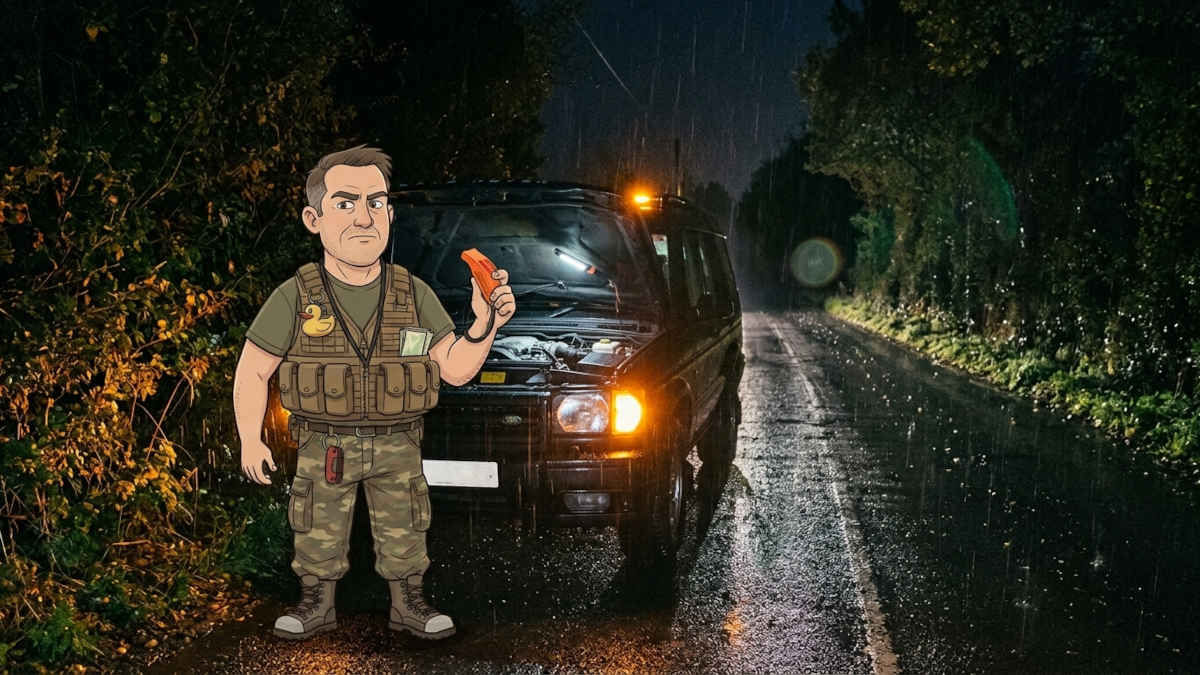
Your car is where an emergency whistle makes the most sense and gets forgotten the most. Break down on a dark country road, slide into a ditch in the snow, or get stuck in a queue that hasn’t moved for hours, and the people who could help you might be a few hundred yards away without knowing you’re there.
Put the Lifesystems Hurricane whistle in the glovebox or clip it to the winter car kit bag. It takes up less room than an ice scraper. If you have to leave the car on foot to find help or a signal, wear it on the lanyard so it’s on you, not left behind on the passenger seat.
The Whistle for Your Emergency Kit and Grab Bag
A whistle for emergency kit bags is one of those items that appears on almost every list and then gets skipped because it seems too small to bother with. At 15g it adds nothing to the weight of a grab bag or a get home bag, and it’s the one bit of kit that still works when your phone is dead, out of signal or at the bottom of a river.
Clip it to the outside of the bag, not buried inside it. If you need a whistle, you need it quickly, and you may only have one free hand. Lifesystems lists the Hurricane as Duke of Edinburgh’s Award recommended kit too, so if you have a teenager heading out on their expedition, it’s already on their kit list.
How to Signal for Help With an Emergency Whistle
Blowing at random gets attention. Blowing in a pattern tells people you’re in trouble. The signal used by mountain rescue teams in the UK is six long blasts in a minute, then a minute’s pause, then repeat. The reply is three blasts, which means someone has heard you and is coming.
It’s worth teaching everyone in the house, including the children. Six blasts, pause, repeat. Then keep going until someone actually reaches you, even after you hear a reply, because rescuers use your whistle to find you. A safety whistle like this one won’t run out of breath before you do.
Is the Lifesystems Hurricane Emergency Whistle Worth Buying?
Yes. It’s a pealess, triple-chamber emergency whistle from a brand that makes proper outdoor safety kit, made to the lifejacket whistle standard, for very little money. It’s not exciting, and it never needs to be. It just needs to be there when you need it.
Buy a few: one for the car, one for the grab bag, and one for the bedside of anyone in the family who might one day need to call for help and not be able to reach a phone.
Lifesystems Hurricane Emergency Whistle
A pealess, triple-chamber 122dB emergency whistle for the car, the grab bag and the bedside: no batteries, nothing to charge, heard when shouting fails.
Amazon.co.uk Price: £4.99 (as of 26/11/2026 19:00 GMT)
Our Prepared Shield Rating: 5/5 🛡️
What the Rest of the Team Think

🦆 Keith the Prepper
I’ve got a whistle on every bag, one in the Discovery and one on my bedside table. I tested the six-blast signal in the garden at 7am. The neighbours replied with considerably more than three blasts. My wife has asked that future testing happens in a field.
⭐⭐⭐⭐⭐

🪖 Black Panther
In my previous role, signalling was a matter of encrypted burst transmissions. Civilians need a 15g plastic whistle that meets the lifejacket standard. Pealess, three chambers, no batteries. Same principle. Fewer forms. Carry on.
⭐⭐⭐⭐⭐

🤡 Camping Clown
I’ve got a titanium survival whistle with a compass, a thermometer, a fire striker and a mirror built in. I’m not sure why. The compass points at the thermometer and the whistle sounds like a kettle that’s given up. This one just whistles. Loudly.
⭐⭐⭐⭐⭐

🐾 Weekend Warrior
Every bug-out bag on my channel has a whistle on the shoulder strap, bro. Operational standard. Pickle and I practise the six-blast signal on perimeter patrol. She now sits down and stares at me on blast four, which I’m counting as her reply.
⭐⭐⭐⭐⭐

🐕 Pickle
Snorgle! Snorgle snorgle. Snorgle!
⭐⭐⭐ (Very loud. Not a dog whistle. Did not come when called, on principle.)

📋 Calm Clarissa
“Whistle” has been on my get home bag checklist since the first draft. It’s the line people skip because it looks too small to matter. It isn’t. One in each bag, one in the car, six blasts and repeat written on the inside of the lid. Ticked.
✅✅✅✅✅
Pros and Cons
Pros
- A pealess emergency whistle, so there’s nothing inside to stick, freeze or jam
- 122dB tri-tone from three chambers, made to carry a long way
- Complies with EN ISO 12402-8, the lifejacket whistle standard
- 15g with a neck lanyard, so it fits any bag, glovebox or bedside table
- No batteries or charging, so it works after years in storage
- Duke of Edinburgh’s Award recommended kit, from a British safety brand
Cons
- An emergency whistle this loud is not for testing indoors or near anyone’s ears
- Small enough to lose, so clip it to a bag or keep it on the lanyard
- It only helps if you have it with you, so you’ll want more than one
Frequently Asked Questions
What is an emergency whistle?
An emergency whistle is a loud, simple whistle you keep for calling for help. The best ones are pealess, so they work when wet or cold, and they carry much further than a shout without wearing out your voice.
What is the whistle signal for help?
Six long blasts in a minute, a minute’s pause, then repeat. That’s the distress signal used by mountain rescue teams in the UK. The reply is three blasts, which means you’ve been heard.
What is a pealess whistle?
A pealess whistle has no little ball inside. A pea can stick when it’s wet, jam when it freezes or crack with age. A pealess whistle like the Lifesystems Hurricane has nothing inside to fail, so it sounds the same in any weather.
Where should I keep an emergency whistle?
Keep one in the car, one on each grab bag or get home bag, and one by the bed of anyone who lives alone or might fall. In a flood-risk home, keep one upstairs with your torch and radio.
Is a safety whistle better than shouting?
Yes. A safety whistle carries further than a voice, cuts through wind and rain, and takes far less effort, so you can keep signalling for much longer than you could keep shouting.
Does the Lifesystems Hurricane come with a lanyard?
Yes. It comes with a neck lanyard, so you can wear it, hang it by the bed or loop it onto a bag strap.
Build Your Resilience
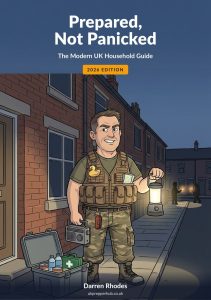
The whole plan, in one book
Prepared, Not Panicked (2026 edition) pulls our guides together into one plan for UK households. PDF, £4.99.
See inside the book →Further Reading: Related Guides
- 72-Hour UK Grab Bag
- Get Home Bag
- Winter Driving Tips
- UK Home Flood Defence
- Emergency Planning for Disabled People
All our guides can be found listed on our resilience hub.


📡 Find Us Everywhere
Daily briefings, prep guides, and real-time updates across every platform. Pick yours.
Free. No commitment. Stay anonymous on WhatsApp & Telegram.
Stay Informed on UK Preparedness
Join our newsletter for UK-specific preparedness tips, product recommendations, and real-world advice for households.
Subscribe to Our Newsletter