
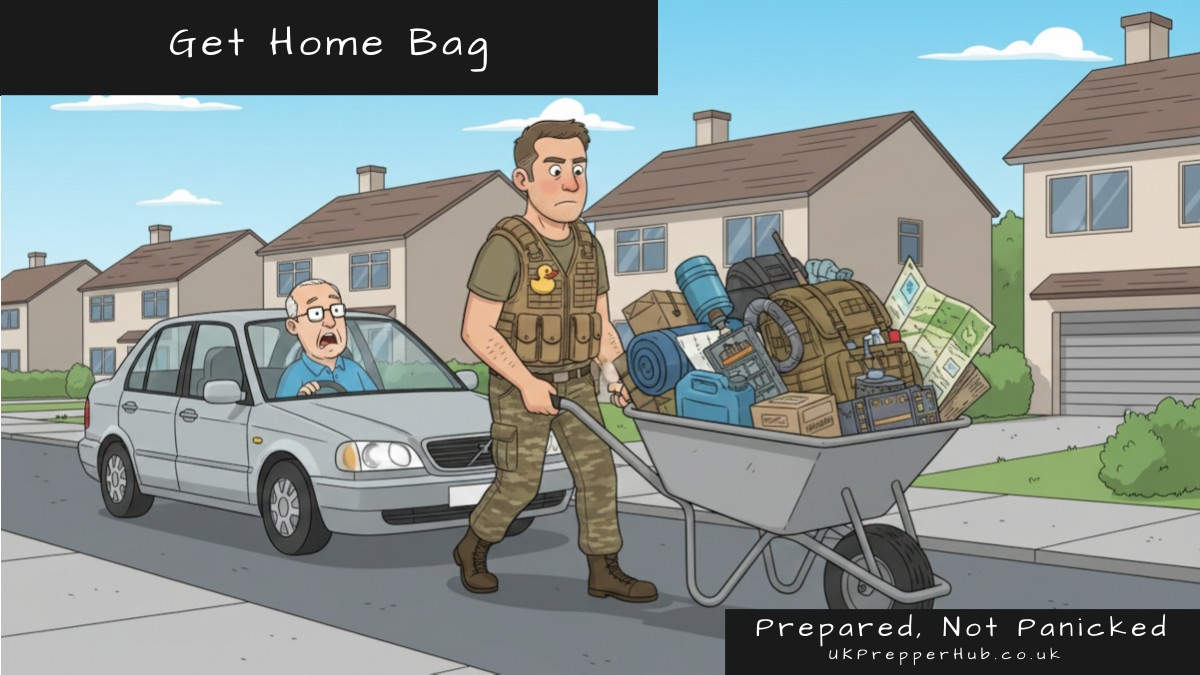
The 72-Hour Grab Bag is for leaving home in an emergency. The Get Home Bag is for the opposite problem — you’re away from home when something goes wrong, and you need to get back.
The motorway is closed and the queues aren’t moving. The trains have stopped and there’s no replacement bus service. A major incident in the city centre has shut down the tube and every taxi is taken. Your car has broken down five miles from home on a January evening. In each of these scenarios, you have two options: wait it out indefinitely, or start moving under your own steam.
This guide is about being ready for the second option. Not because walking home in the dark is fun, but because sometimes it’s the most sensible choice — and if you’re going to do it, you want the right kit with you.
This is a UK-focused guide. That means urban and suburban commutes, not wilderness survival. It means pavement and cycle path, not mountain track. The Get Home Bag is not a bushcraft kit — it’s a practical, lightweight bag that lives in your car boot or under your desk at work, and contains everything you need to walk five, fifteen, or twenty-five miles home safely and without drama.
The Get Home Bag vs The 72-Hour Grab Bag
It’s worth being clear on the distinction because they serve completely different purposes and should be packed differently.
The 72-Hour Grab Bag is built for leaving home and not returning for up to three days. It contains everything for an extended stay elsewhere — documents, medication, spare clothing, food, water, cash. It’s designed for evacuation scenarios: floods, fires, major infrastructure failure at home.
Complete Guide
72-Hour UK Grab Bag
The ‘get out quick bag’ for rapid home evacuation in the event of fire, flood, or other incidents. Every essential for 3 days away from home in one bag.
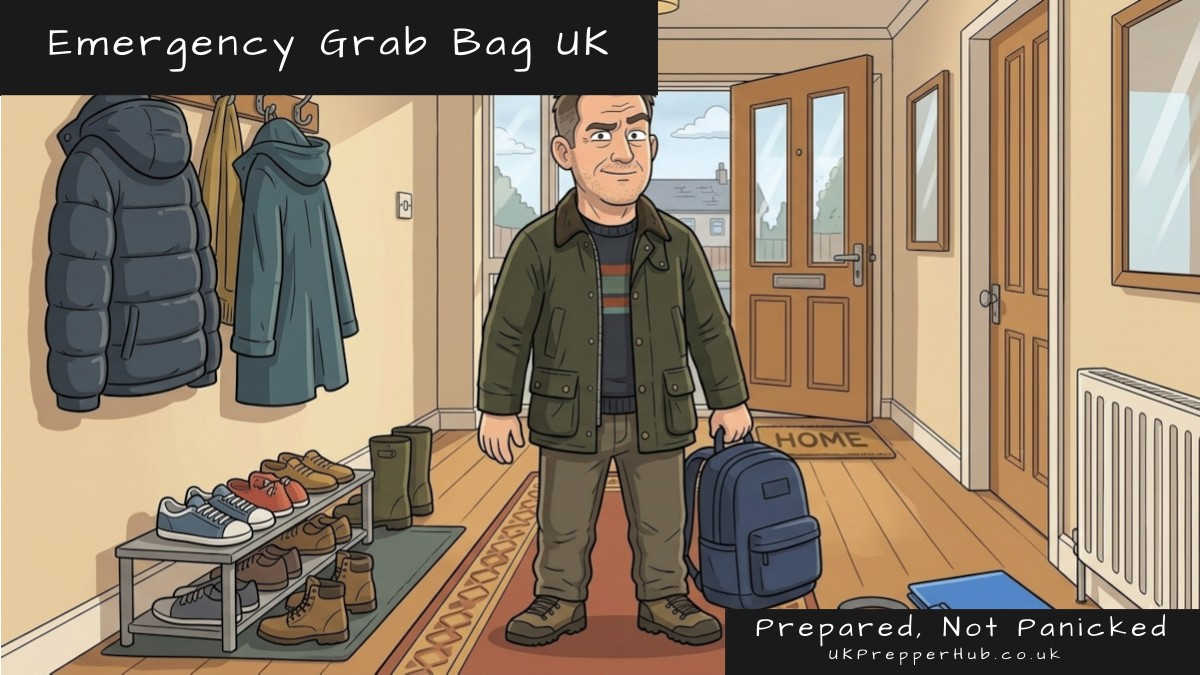
The Get Home Bag is built for a single journey home — on foot if necessary — from wherever you happen to be. It’s leaner, lighter, and focused entirely on the specific challenge of self-propelled movement across urban or suburban terrain in UK conditions. Once you’re home, its job is done.
The two bags complement each other. The Get Home Bag gets you back to where your Grab Bag is waiting.
Who Needs One and Where Does It Live?
If you commute by car, keep a get home bag for car journeys in the boot — alongside but separate from your winter vehicle kit. If you commute by train or public transport, it lives under your desk at work, in a locker, or in the bag you carry daily. If you work from home but regularly drive to appointments or meetings, it stays in the car.
Complete Guide
Winter Driving Tips
Everything you need to do before winter hits the roads: tyres, battery, visibility kit, and what to keep in the boot in case you don’t make it home.
Read the Full Guide: Winter Driving Tips →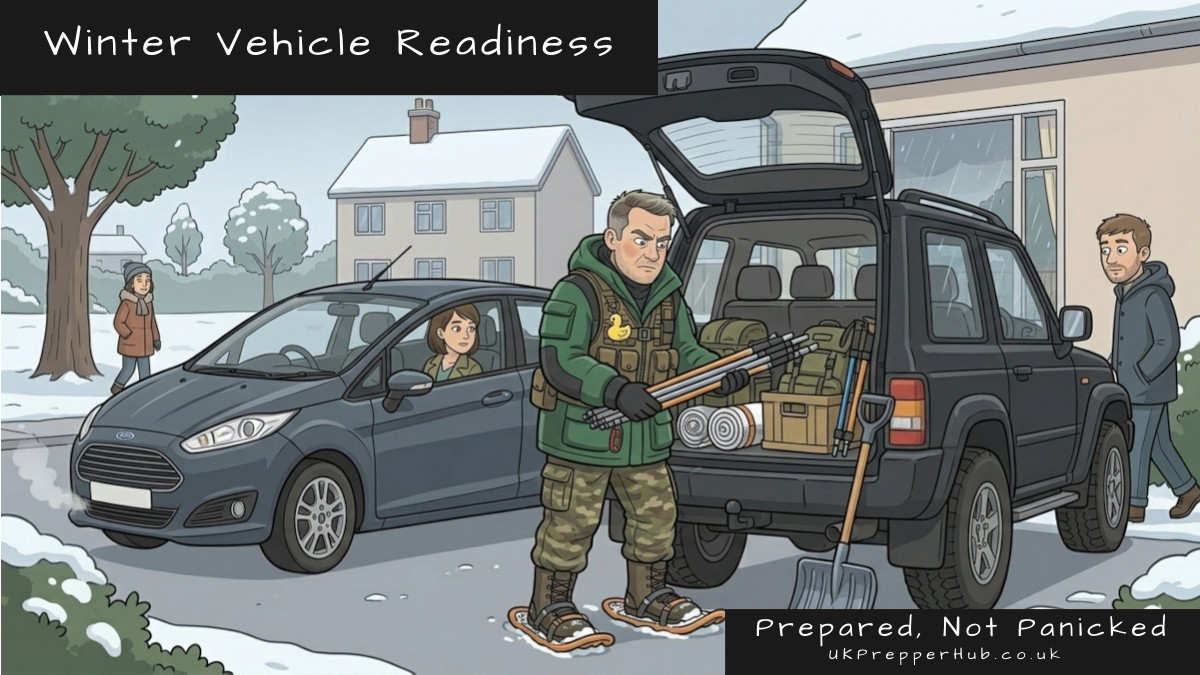
The scenarios that make a Get Home Bag relevant are more common than most people think:
In August 2023, a major signalling failure brought Southern, Thameslink, and Great Northern rail services to a standstill during evening rush hour, stranding tens of thousands of commuters. During the Beast from the East in 2018, the M8 in Scotland was closed for over 24 hours with vehicles trapped. Storm Eunice in February 2022 closed multiple motorways across southern England simultaneously. In each case, people waited — sometimes for many hours — with no food, no water, no warm layer, and no plan.
A Get Home Bag doesn’t require any of those scenarios to be apocalyptic. It just requires them to be inconvenient enough that walking starts to look better than waiting.
Know Your Route Before You Need It
The single most important preparation has nothing to do with kit. It’s knowing how you’d actually get home on foot from your workplace, your regular commute stations, and anywhere else you spend significant time.
Walk or cycle your likely routes in good conditions first. Identify the key decision points: where you’d cross a major road, where a canal towpath or footpath shortcuts a long road section, where there’s a 24-hour garage or supermarket if you need water or shelter. Note which sections are well-lit and which aren’t.
Download offline maps for your area before you need them. Google Maps allows offline area downloads. Maps.me and OsmAnd offer full offline OS-style mapping for free — both are worth having. What3Words is useful for communicating your location to others or emergency services if you’re unsure of road names. None of these require mobile data once downloaded.
Know the rough distances. Five miles on foot takes around 90 minutes at a comfortable pace. Fifteen miles is four to five hours. Twenty-five miles is a full day’s walk. These numbers matter for planning food, water, and daylight.
The Bag Itself
Weight is the enemy of a Get Home Bag. The bag needs to be light enough that carrying it for several hours doesn’t become the problem. A 20-25 litre daysack is the right size — enough for all the kit below without encouraging you to overpack. A drawstring bag or plastic carrier is not suitable; you need your hands free and your weight distributed across your shoulders.
It doesn’t need to be expensive. A basic 20-litre rucksack from any outdoor retailer or supermarket costs £15–25 and does the job. Padded shoulder straps matter more than any other feature if you’re walking distance. A waterproof cover or liner (a heavy-duty bin bag inside the main compartment) keeps everything dry.
The bag should be neutral in colour and unbranded. A hi-vis rucksack cover makes you visible to traffic when walking on roads after dark — worth having as a separate add-on rather than baked into the bag colour.

🪖 Black Panther
In My Previous Role…
Military get-home kit vs civilian — ration pack, IR signalling device, and a laminated E&E card vs snack bar, charged power bank, and knowing which bus goes the other way. Nothing “military” grade needed, just keep it simple.
What Goes In It: The Core Kit
Footwear
This is the most important item in the bag and the one most people overlook entirely. If you commute in office shoes, heels, or formal footwear, you cannot walk fifteen miles in them. Full stop. A pair of broken-in trainers or lightweight walking shoes stored in the bag changes everything.
They don’t need to be waterproof trail shoes — though that’s ideal. A pair of worn-in trainers you’ve retired from daily use is perfectly adequate. Pair them with a spare pair of walking socks (cotton kills feet on long walks — merino or synthetic blend) and a small blister kit: a few compeed plasters and some micropore tape. Blisters at mile three of a fifteen-mile walk are a serious problem. Treating them early is not.
Waterproof Layer
The UK being the UK, assume it will rain. A compact emergency poncho weighs almost nothing and takes up the space of a sandwich. A packable waterproof jacket is better — it stays on in wind, has sleeves, and doesn’t turn into a sail. If you have a packable waterproof already, dedicate it to the bag rather than the wardrobe rotation.
Waterproof trousers are optional but worth including if you have space — walking in soaked jeans for several hours in January is a misery that’s entirely avoidable.
Warm Layer
A lightweight fleece or packable down jacket for when you stop moving, when the temperature drops after dark, or when you’re waiting somewhere exposed. Body temperature drops quickly when you stop exerting yourself — the layer that feels unnecessary while walking becomes essential the moment you pause.
A compact hat and gloves take up almost no space and are disproportionately effective at retaining body heat. Include them from October to April without question.
Water
A fold-flat water bottle (Platypus, Hydrapak, or similar) takes up negligible space when empty and gives you 1–2 litres of capacity when needed. Fill it before you leave. For longer distances, a water purification option — Aquatabs or a filter bottle — means you can safely drink from taps, streams, or other sources if your supply runs out.
Dehydration significantly impairs judgement, navigation, and physical performance. Minimum 1.5 litres for a five-mile walk; 2–3 litres for anything longer.
LifeStraw Go Series Water Filter Bottle
Two-stage filter bottle that removes bacteria, parasites and microplastics as you drink, for grab bags, the car and any tap away from home.
Our Full Review: LifeStraw Go →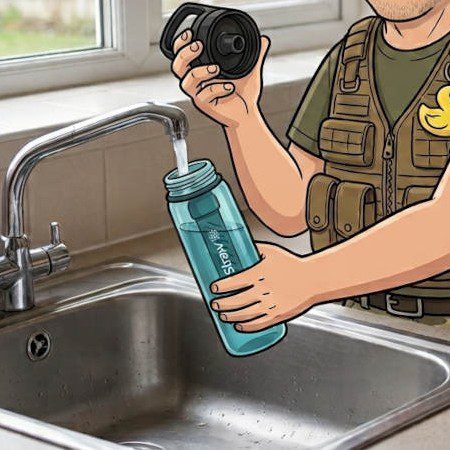
Food
High-calorie, no-preparation food that you’ll actually eat while walking. Cereal bars, flapjacks, nuts, dried fruit, chocolate. Not tinned food, not anything requiring cooking or utensils. Aim for 200–300 calories per hour of walking — roughly two to three bars for a five-mile walk, more for longer distances. Rotate the stock every few months so it doesn’t expire unnoticed.
Torch or Head Torch
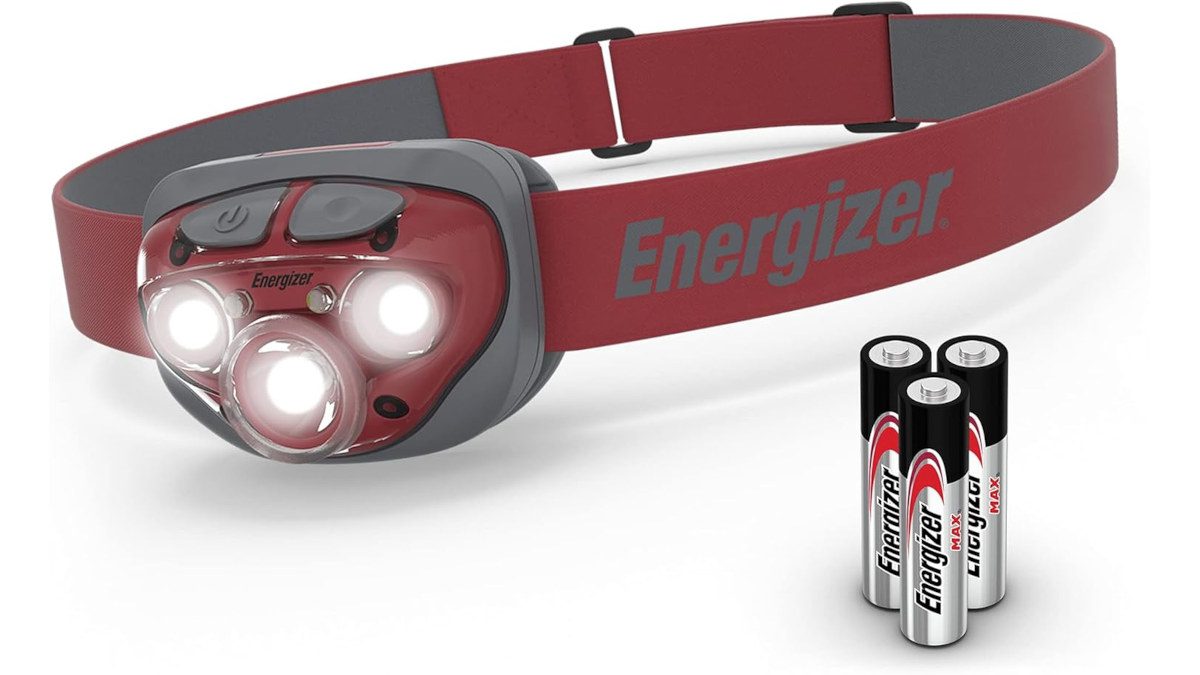
Essential if there’s any chance your walk home extends into darkness — which in a UK winter means any evening journey at all. A head torch keeps both hands free, which matters on uneven ground, when crossing roads, and when checking a map. Keep spare batteries in the bag. Remember, a battery option gives you the ability to purchase batteries “on the go” should you need replacements. They are easily available from most shops, garages, supermarkets, etc.
Energizer Vision HD+ Head Torch
Is this the most versatile head torch for your kit? Does it deliver what it promises? Does it have longevity?
Complete Guide
Rechargeable vs Alkaline Batteries
Rechargeable batteries seem like the sensible choice — until you can’t charge them. This guide makes the case for alkaline AA and AAA as the backbone of any emergency kit.
Read the Full Guide: Rechargeable vs Alkaline Batteries →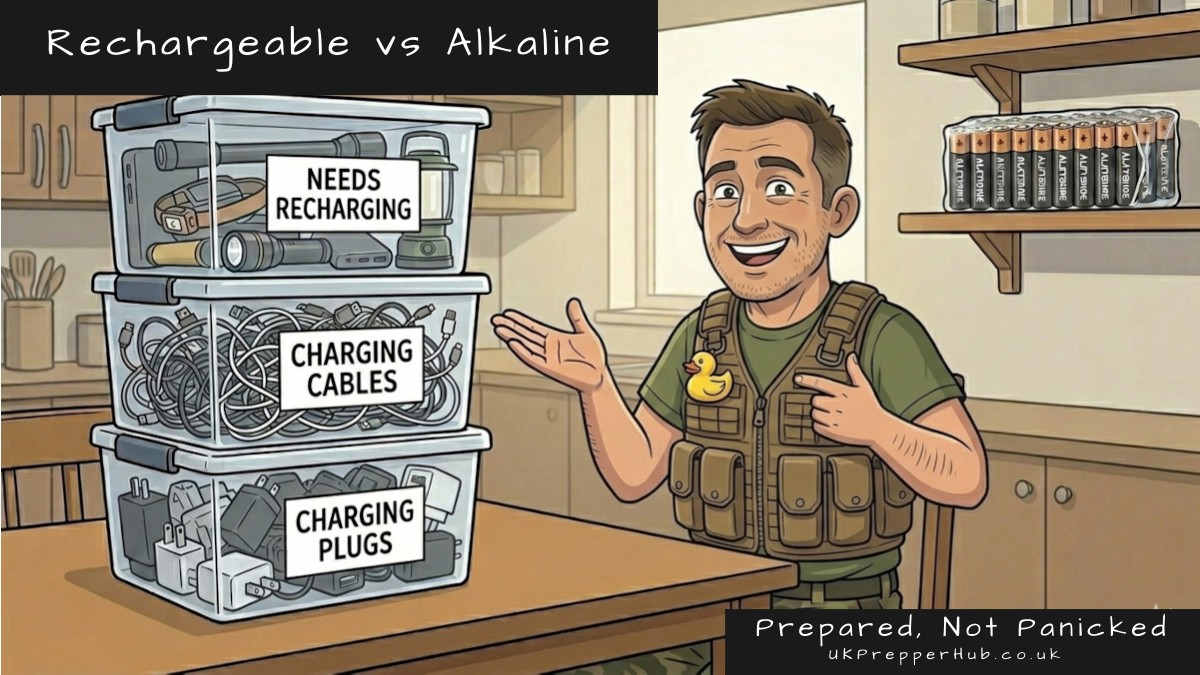
Phone Battery / Power Bank
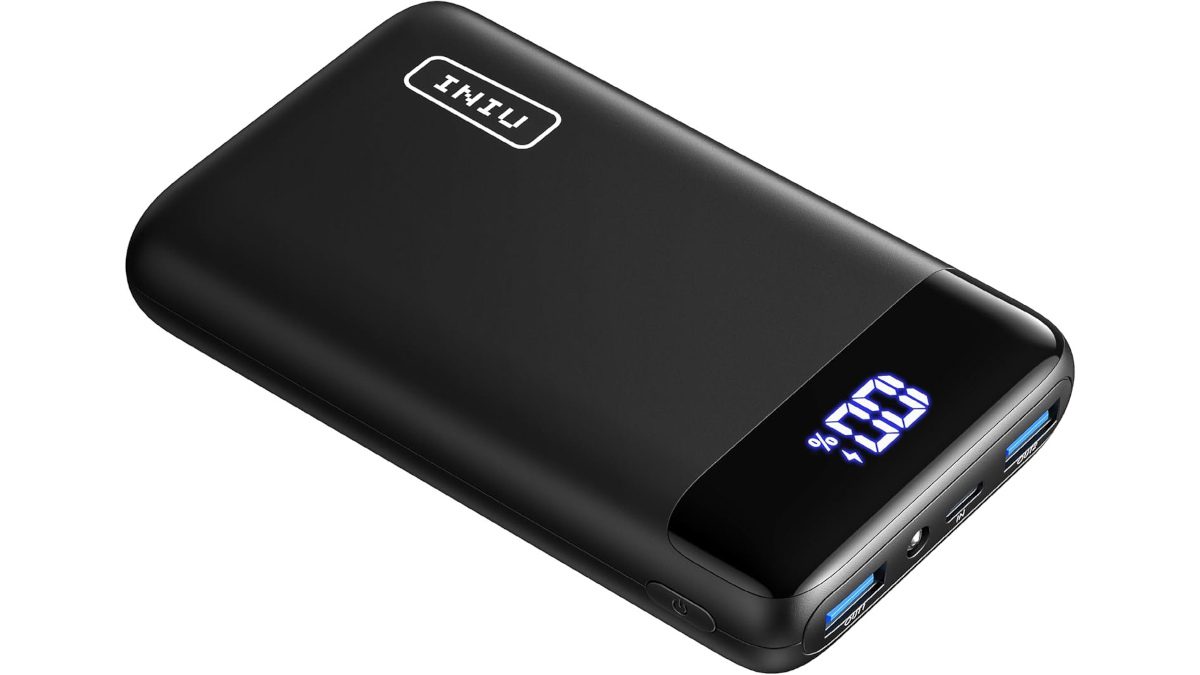
Your phone is your navigation, your communication, and your emergency contact tool. A flat phone battery makes all of that unavailable. A 10,000mAh power bank gives most smartphones two to three full charges — enough for a very long day. Keep it charged. A short charging cable stored with it means you can charge while the phone is in your pocket. Try to keep this battery fully charged and only for topping up your phone. AAA batteries, which you can buy almost anywhere, are better for everything else.
INIU 20,000mAh Power Bank
We tested it so you don’t have to — here’s the one thing most power banks get wrong, and why this one doesn’t.
Kuulaa Magnetic Charging Cable
Pack of two cables (2m + 1m) – 6 magnetic tips (2 USB micro, 2x USB-C, 2x Lightening). Two cables, three connector types, every device in the house — snap on, charge anything, snap off.
Our Full Review: Kuulaa Magnetic Charging Cable →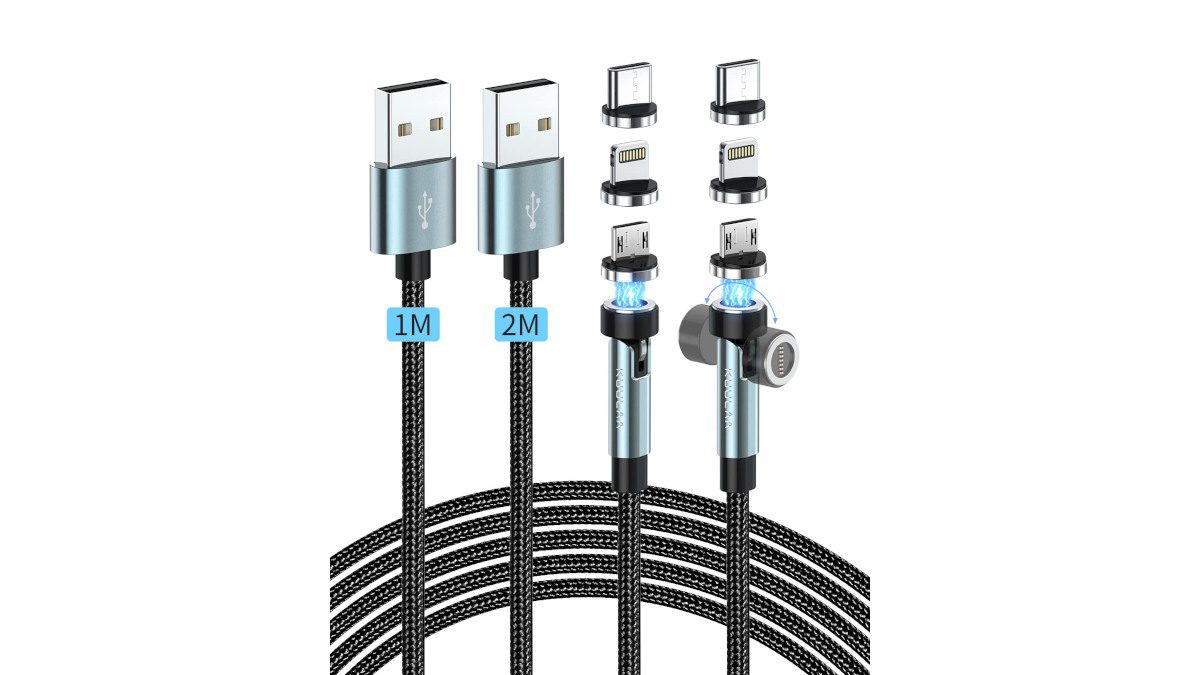
Cash
A small amount of cash — £20–40 — in notes stored in the bag. If you need to buy water, food, batteries, or a bus ticket, and card payment is down (which happens during infrastructure failures), cash works. Don’t rely on contactless in a crisis scenario.
Basic First Aid
A small personal first aid kit: a few plasters, the blister kit mentioned above, pain relief (ibuprofen and paracetamol), any personal medication you take daily. If you take regular prescription medication, keep a one-day emergency supply in the bag and rotate it in line with your prescription.
General Medi First Aid Kit
309 pieces, ISO 13485 certified, with a cold pack, emergency blanket, moleskin pad and CPR mask included — the first aid kit that actually covers the scenarios a cheap chemist kit doesn’t.
Our Full Review: General Medi First Aid Kit →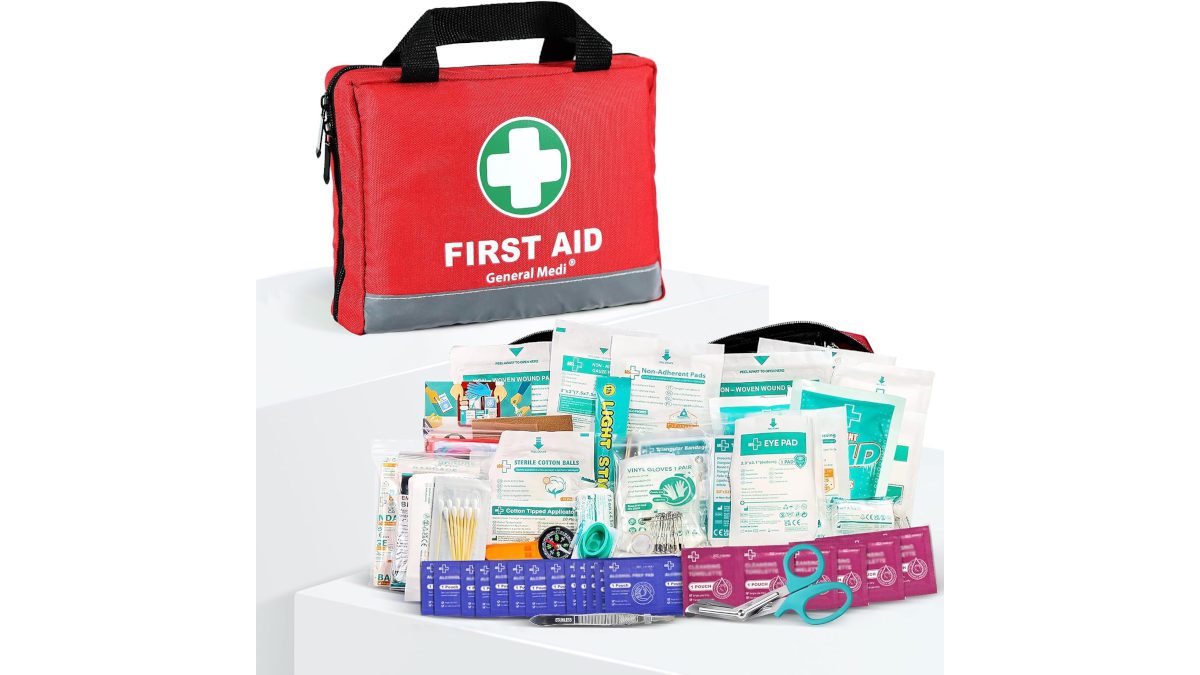
Hi-Vis Vest
If you’re walking on roads after dark — which is likely in a winter evening commute scenario — a hi-vis vest makes you visible to traffic. Weighs nothing, costs under £6, potentially critical. Keep it in the top pocket of the bag for instant access.
Portwest C474 Hi-Vis Vest
Under £6, fits over a coat, and makes you visible to drivers from 100 metres. The one item in the bag most likely to stop you getting hit by a car. Available up to 5XL — it’ll fit over whatever you’re wearing, however many layers that is.
Our Full Review: Portwest C474 Hi-Vis Vest →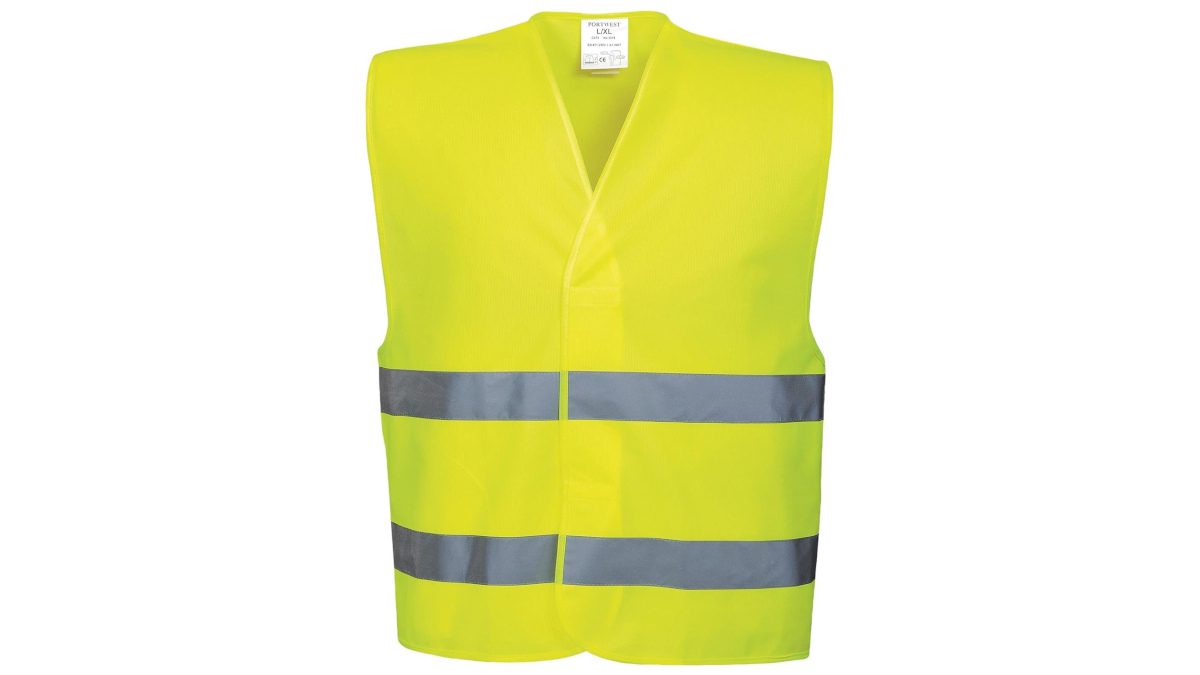
Identification and Key Information
A small card with: your home address, an emergency contact name and number, any relevant medical information (blood type, allergies, conditions), and your breakdown/recovery membership number if applicable. If you’re found incapacitated, this card tells emergency services what they need to know when your phone is flat or locked.
Distance-Specific Considerations
Up to 5 Miles: The Urban Walk
Five miles is an hour and a half at a comfortable pace on flat urban terrain. Most people can do this without significant preparation — but comfortable footwear, a water bottle, and a charged phone make it genuinely easy rather than a mild ordeal. At this distance, the core kit above is more than sufficient. The main risk is being caught unprepared in bad weather — a poncho or packable jacket is the difference between arriving damp and arriving soaked.
Know your route in advance. Urban navigation is easier than rural, but a closed road, a flooded underpass, or a sketchy shortcut at night can complicate things. Have a primary route and a backup.
Up to 15 Miles: The Commuter Belt Walk
Fifteen miles is a four to five hour walk — a full afternoon or evening. This is where footwear becomes genuinely critical, where water and food matter, and where the possibility of darkness is real. Pace yourself: three to four miles per hour is sustainable for hours; faster than that and you’ll blow up before halfway.
At this distance, plan rest points in advance — a 24-hour garage, a supermarket, a pub that’s still open. Somewhere you can sit for ten minutes, refill a water bottle, and check your route. These aren’t luxuries; they’re logistics.
Tell someone your route and expected arrival time before you set off. At fifteen miles, you’re walking for long enough that if something goes wrong, someone should know roughly where you are.
Up to 25+ Miles: The Long Walk
Twenty-five miles is a serious undertaking — six to eight hours of sustained walking, equivalent to a long-distance charity walk. Most commuters won’t face this distance, but rural workers, those with long motorway commutes, or people caught the wrong side of a major infrastructure failure might.
At this distance, you need to think about overnight possibilities. What if darkness falls before you’re home? Is there somewhere you could shelter — a family member’s house en route, a hotel or B&B, a 24-hour services? Have the number of someone who could drive partway to meet you.
Foot care becomes critical. Change socks at the halfway point if possible. Treat any hot spots (pre-blister friction points) before they become blisters. Anti-chafe measures (bodyglide, vaseline) matter at twenty-five miles in a way they simply don’t at five.
For genuinely long distances, consider whether cycling is a realistic option. A folding bike stored in the boot extends your practical self-rescue range dramatically. At fifteen miles per hour cycling versus three miles per hour walking, a twenty-five mile journey becomes ninety minutes rather than eight hours.
Complete Guide
The Two Wheeled Contingency
This guide makes the case for adding a bike to your resilience planning, covers what to look for if you’re buying one specifically for this purpose, and explains how to set up a bike you already own for emergency use.
Read the Full Guide: The Two Wheeled Contingency →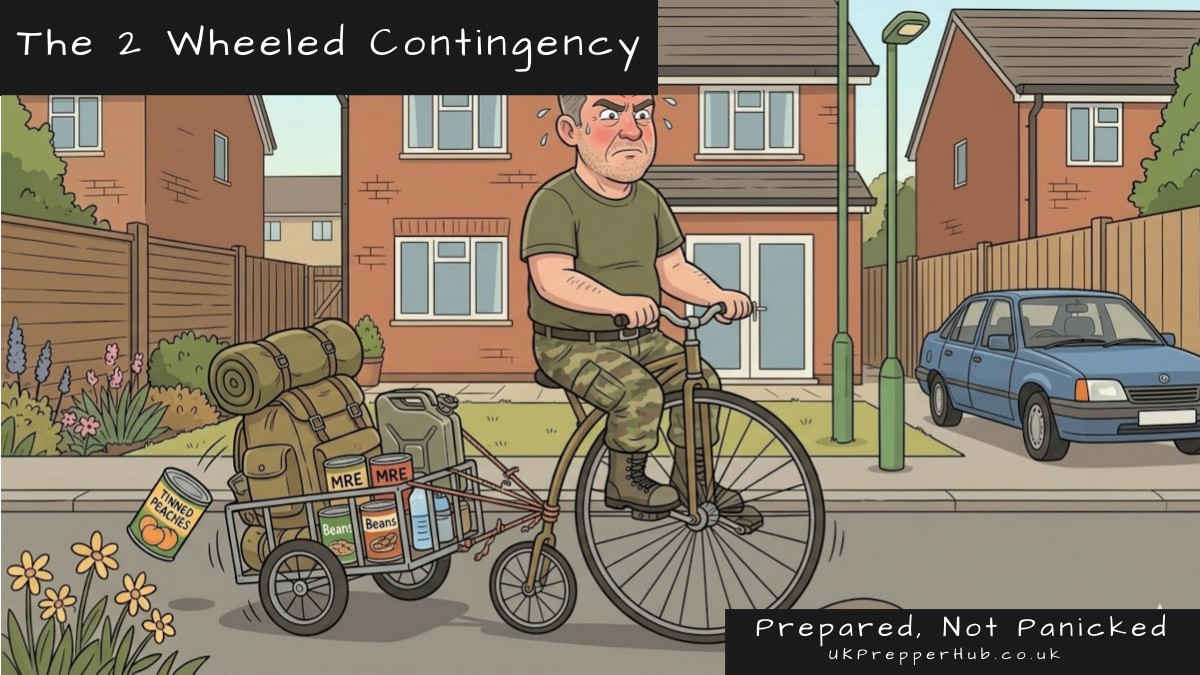
🐾 Weekend Warrior
Pet Tip
Pickle’s get-home kit — collapsible water bowl, wet food pouch, lead, paw first aid — planning ahead for your dog when you’re caught away from home
Seasonal Adjustments
The core kit stays constant, but the bag needs seasonal adjustment:
Autumn/Winter (October–March): Add hat and gloves, warm mid-layer, hand warmers (single-use chemical ones are compact and many last up to 10 hours), and ensure your torch has fresh batteries. Assume darkness is possible even on a late afternoon commute from November onwards. Waterproofs are non-negotiable.
HotHands Hand Warmers
No batteries, no charging, nothing to go flat: open the packet and get up to 10 hours of heat, wherever the power cut or breakdown catches you.
Our Full Review: HotHands Hand Warmers →
Spring/Summer (April–September): Swap the heavy fleece for a lightweight layer. Add sunscreen (a small travel tube) for long summer walks. Increase water capacity — dehydration happens faster in heat. Insect repellent if your route includes canal towpaths or countryside sections.
Optional Extras Worth Knowing About
These aren’t in the core kit, but they’re the kind of additions that experienced walkers and commuters gravitate towards once they’ve thought seriously about the problem:
Paracord (5–10 metres): Has a dozen uses in a pinch — improvised bag strap repair, securing a waterproof layer, lashing something to the outside of the bag. Takes up almost no space. The kind of thing you either have or wish you had.
Whistle: If you’re injured in an area without good mobile signal — a rural route, a railway underpass, a park at night — a whistle carries much further than your voice. The Fox 40 and similar pealess whistles are compact, work when wet, and are standard kit for outdoor safety. Most people never need one; the few who do are very glad it’s there.
Mini multi-tool or penknife: A small multi-tool covers a surprising range of problems — opening packaging, cutting tape, tightening a loose buckle. Not a survival knife; a compact Leatherman-style tool or a Swiss Army knife. Note that carrying a locking blade knife in public in the UK is illegal — choose a non-locking blade tool.
Spare glasses or contact lenses: If you wear prescription glasses or contacts, a spare pair or a small contact lens kit in the bag means a broken or lost lens doesn’t turn a manageable situation into a genuinely difficult one. Easy to forget, significant to need.
A paper map of your local area: Offline digital maps are excellent right up until your phone dies despite the power bank, or gets dropped down a drain. A small OS map or even a printed A4 street map of the area between work and home costs almost nothing and doesn’t require a battery.
Reflective ankle bands: Cyclists use these to keep trouser legs out of chains, but they also increase visibility significantly when walking on roads at night. Lightweight, cheap, roll up to nothing.
Portable phone mount for cycling: If you’re adding a folding bike or would use a borrowed/hired bike, a handlebar phone mount means you can navigate without stopping. Relevant if Santander Cycles, Voi, or similar schemes operate in your area.
Maintaining the Bag
A Get Home Bag you packed two years ago and haven’t checked since is worse than no bag — it gives you false confidence. Set a twice-yearly check: April and October work well, coinciding with the clocks changing.
At each check: rotate food and water (eat the bars, replace them), check battery levels on torch and power bank and recharge, swap seasonal clothing layers, verify medication is in date, and make sure everything is still actually in the bag and hasn’t been raided for a camping trip or a day out.
It takes fifteen minutes and makes the difference between a bag that works and a bag that just takes up space.
Action Checklists
📋 Calm Clarissa
I’ve turned this guide into a printable get home bag checklist: everything for the bag, what to check before you set off, and a twice-yearly check at the clock changes. Free to download, obviously.
Download the Free Checklist →Core Get Home Bag Contents
- Compact 20–25 litre rucksack with padded straps
- Comfortable broken-in footwear (trainers or walking shoes)
- Walking socks (merino or synthetic — not cotton)
- Blister kit: Compeed plasters and micropore tape
- Waterproof jacket or packable poncho
- Warm mid-layer (fleece or packable down)
- Hat and gloves (October–April)
- Fold-flat water bottle (1–2 litre)
- Water purification: Aquatabs or LifeStraw Go Series Water Filter Bottle (Review)
- High-calorie snacks: bars, nuts, dried fruit, chocolate
- Head torch with spare batteries
- Power bank (10,000mAh+) and charging cable
- Cash: £20–40 in notes
- Personal first aid kit and daily medication supply
- Hi-vis vest (top pocket — accessible)
- ID card with address, emergency contact, medical info
- Offline maps downloaded (Google Maps, Maps.me, or OsmAnd)
Pre-Journey Check (When You Actually Need the Bag)
- Phone charged — power bank topped up
- Offline maps downloaded for your route
- Someone knows your route and expected arrival time
- Water bottle filled
- Footwear changed before setting off, not halfway through
- Route planned with rest points identified
- Weather checked — adjust layers accordingly
- Torch accessible if darkness is possible
Twice-Yearly Maintenance (April and October)
- Food rotated — replace expired or stale items
- Water bottle checked — replace if damaged
- Power bank charged and tested
- Torch batteries replaced or rechargeable unit charged
- Clothing swapped for season
- Medication checked — in date and supply intact
- Offline maps updated
- Everything accounted for — nothing raided/borrowed and not replaced

🦆 Keith
Don’t Be Keith
Keith built a get home bag, put it in the garage, never checked it again, and discovers in a crisis on the road he hadn’t got it with him.
Frequently Asked Questions
What should be in a get home bag?
The essential get home bag contents are comfortable broken-in footwear and walking socks, a blister kit, a waterproof, a warm layer with a hat and gloves, a fold-flat water bottle plus Aquatabs or a filter bottle, high-calorie snacks, a head torch with spare batteries, a charged power bank and cable, £20–40 in cash, a small first aid kit with a day’s medication, a hi-vis vest and a card with your address, emergency contact and medical details. Download offline maps to your phone as well.
What is the difference between a get home bag and a grab bag?
A grab bag is for leaving home and staying away for up to three days, so it carries documents, spare clothes and three days of supplies. A get home bag is for one journey back home, often on foot, so it’s lighter and built around walking: footwear, water, light and being seen.
Should I keep my get home bag in the car or at work?
Keep it wherever you are when things go wrong. If you drive, it lives in the boot, separate from your winter car kit. If you go by train or bus, it lives under your desk, in a locker or in the bag you carry every day. A bag left in the garage at home won’t help you on the M6.
How big should a get home bag be?
A 20–25 litre daysack with padded shoulder straps is enough. Anything bigger tempts you to overpack, and you’ll be carrying it for hours. A basic one costs £15–25.
How long does it take to walk home?
At a steady pace of about three miles an hour, five miles takes around 90 minutes, fifteen miles four to five hours, and twenty-five miles most of a day. Work out your own distance before you need to, so you know how much water, food and daylight you’ll need.
Can I carry a knife in a get home bag?
In the UK you can carry a folding pocket knife with a non-locking blade of 3 inches or less without needing a reason. A locking knife, or anything bigger, needs a good reason to be carried in public. A small non-locking multi-tool covers everything a get home bag is likely to need.
How often should I check my get home bag?
Twice a year. April and October work well because the clocks change around then. Rotate the food, charge the power bank, check the torch batteries and medication dates, swap the seasonal layers, and make sure nothing has been borrowed for a camping trip and never put back.
Build Your Resilience
Further Reading: Related Guides
- 72-Hour Grab Bag
- Two-Wheeled Contingency
- Home First Aid Kit
- Rechargeable vs Alkaline Batteries
- Power Bank for Power Cuts
- Winter Driving Tips
- Water Purification and Safety Guide
All our guides can be found listed on our resilience hub.
Gear We’ve Tested & Reviewed
- Lifestraw Go Series Water Filter Bottle
- Energizer Vision HD+ Head Torch
- INIU 20,000mAh Power Bank
- Portwest C474 Hi-Vis Vest
- The Best Energy Bars
- SOL Collapsible Dog Bowl
- General Medi First Aid Kit
- Kuulaa Magnetic Charging Cable
- Lifesystems Sun Cream Sachets
- HotHands Hand Warmers
All our reviews can be found on our reviews and resources page.