
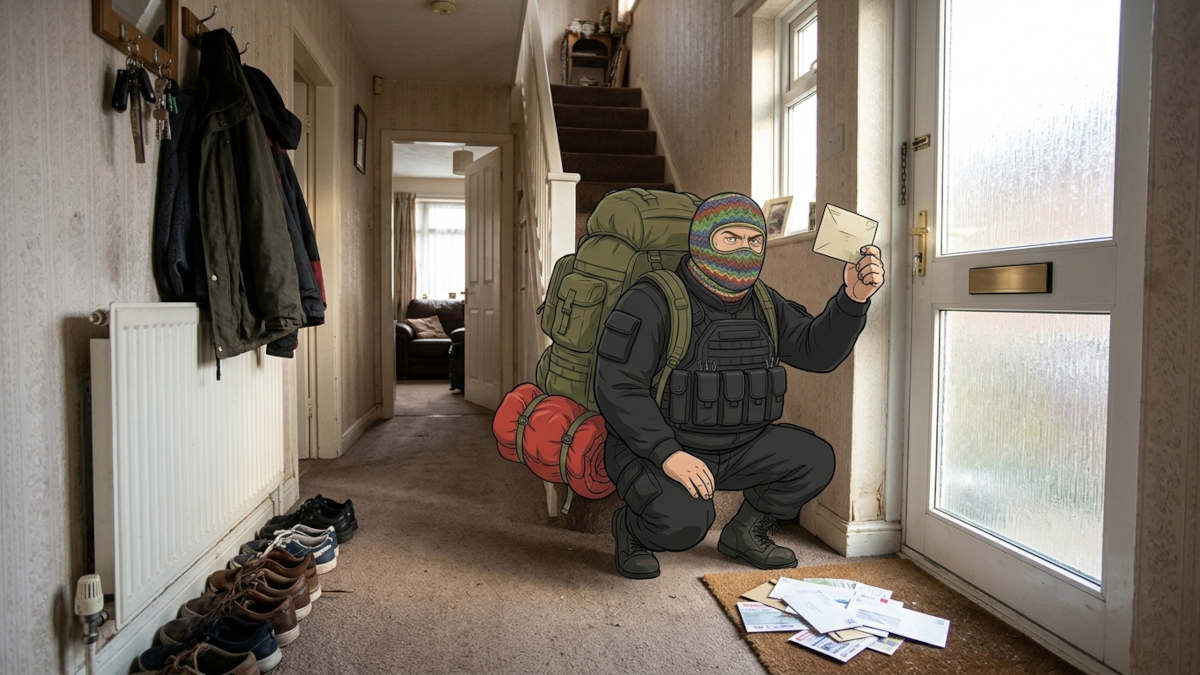
Around 100,000 letters have just landed on doormats across the country, and the headlines have done what headlines do. “Told to prepare for war call-up.” “Britain tells reservists to prepare for war.” Within an hour the posts were doing the rounds with the word “conscription” attached. So is Britain preparing for war, and should you be digging out a kit bag?
The short answer: the letters are real, but they’re not a call-up, they haven’t gone to the general public, and they don’t change a single thing you need to do at home. This fact check sets out what the letters actually ask, who gets one, what the new law would change, and what it all means for your household, using the ministers’ own words and our own daily news log rather than the scariest headline.
The Headline vs What the Letter Actually Says
According to LBC’s report on 26 November 2026, around 100,000 strategic reservists have received letters from the Ministry of Defence, sent across the Army, Royal Navy and RAF and signed by the head of each service. The letters ask them to update their contact details and give information about their current job and skills, and offer them the chance to volunteer for training and exercises. The MoD calls it a “practical step to strengthen preparedness and deterrence”. LBC also reports it’s the first time such letters have gone out since the Cold War.
The Veterans Minister, Calvin Bailey, was blunt about what it isn’t: “These letters do not mean reserves are about to be mobilised.” He added: “While most Strategic Reserves will never be called to return, they are part of our country’s deterrent, helping to prevent conflict every day.”
The Defence Secretary, Wes Streeting, told LBC’s breakfast show that the point of the letters is to update contact details and skills so that, if it were ever needed, it could be done “in a deliberate and informed way”. And for anyone who served in the 1980s and is now eyeing the doormat nervously: “We won’t be mobilising pensioners, obviously.”
In plain English, it’s the armed forces’ version of checking the Christmas card list is up to date. Useful, sensible, and not the same thing as sending the cards.
Who Is in the Strategic Reserve?
This is where most of the headlines go wrong. The word “reservists” makes people picture the part-time Army Reserve, or worse, everyone. The Ministry of Defence describes the Strategic Reserve as “former Service personnel with an Ex Regular and Recall Reserve liability” (GOV.UK, 15 January 2026).
Put simply, these are people who have already served, have left, and still carry a legal liability to be recalled for a set period after leaving. The MoD says they bring skills in areas like “cyber, medicine, intelligence and communications”. If you’ve never served in the armed forces, you’re not in the Strategic Reserve, and you won’t be getting a letter.
Is Britain Preparing for War? What Has Actually Changed
Is Britain preparing for war? In the sense that governments always plan for the worst case, yes: the reserve is being rebuilt, the law on recall is being updated, and households are being asked to keep a few days of supplies. None of that is the same as a war being expected next week. Here’s the timeline, from the official announcements and our own daily news log:
- 15 January 2026: the MoD announces changes to the Strategic Reserve through the Armed Forces Bill.
- 22 October 2026: the government’s Be Ready campaign asks every household to keep enough supplies for three days.
- 27 October 2026: the House of Lords finishes with the Armed Forces Bill and sends it back to the Commons with amendments.
- 9 November 2026: the Chief of the Defence Staff, Air Chief Marshal Sir Richard Knighton, tells the BBC he has been putting up extra shelves for tins (our news report).
- 24 November 2026: MPs are due to consider the Lords’ changes to the bill (House of Commons Library).
- 26 November 2026: letters go out to around 100,000 members of the Strategic Reserve.
What the Armed Forces Bill Would Change
According to the MoD’s January announcement, the bill would raise the maximum age for recall from 55 to 65, allow the Strategic Reserve to be recalled for “warlike preparations” as well as the current triggers of “national danger, great emergency or attack on the UK”, and line up how long the recall liability lasts across all three services. As far as we can find on 26 November, the bill hasn’t yet received Royal Assent, so these changes aren’t law yet. And they only ever apply to people with a recall liability: former service personnel, not the public.
Sir Richard Knighton’s own advice, from that 9 November interview, is the most useful line in the whole story: “this is something, though, we should all be thinking about… all of us can play a part in readying ourselves.” The country’s most senior military officer’s personal war plan, it turns out, is a cupboard of tins.
Complete Guide
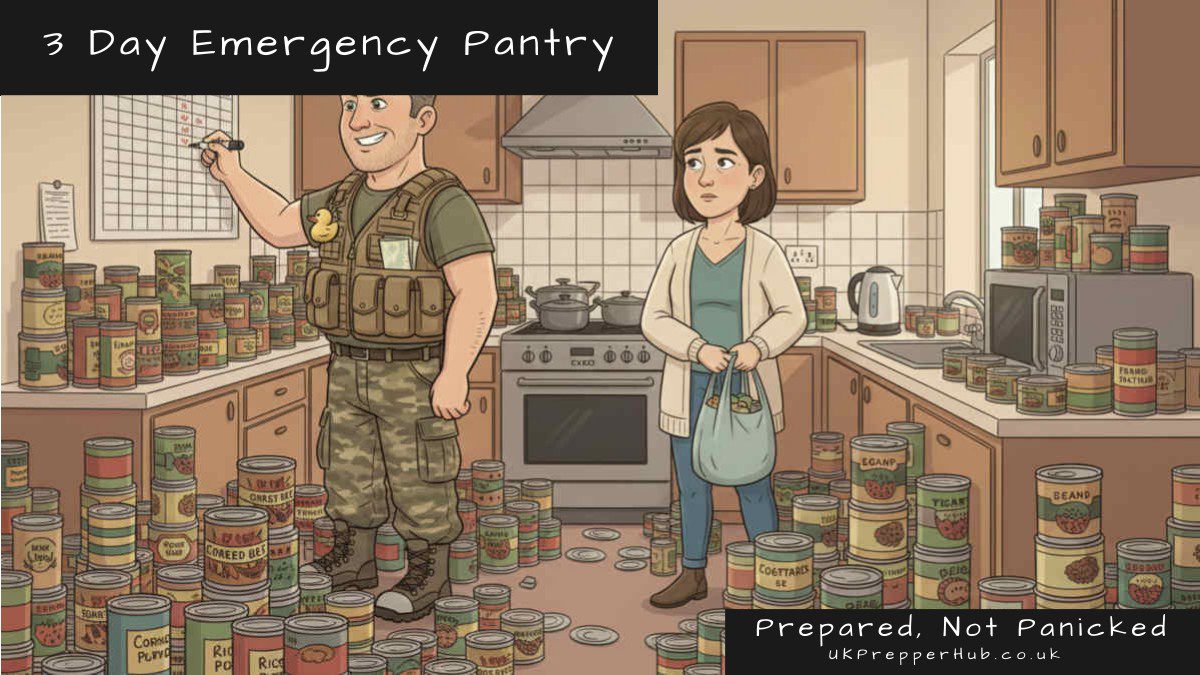
3-Day Emergency Pantry
The low-barrier start: A shopping list of shelf-stable meals that require zero refrigeration.
For the bigger picture behind the readiness talk, see our Special Report “Is Russia a Threat to the UK?” first published on 26 July 2026, and “The UK Nuclear Deterrent Explained: Would Russia Ever Risk It?” first published on 23 September 2026.
Will I Be Called Up for War?
If you’ve never served in the armed forces: no. The letters only go to people with a recall liability, and the UK has no conscription. National Service call-ups ended on 31 December 1960, after more than two million men had been conscripted (National Army Museum). Bringing it back would need Parliament to pass a new law.
The government’s position on UK conscription was set out in a written answer in Parliament on 15 September 2026 by the defence minister Lord Coaker: “This Government has no current plans for compulsory military service. Since 1963, it has been the policy of successive Governments that the best way of providing for the defence of our country is by maintaining professional Armed Forces which are manned by volunteers” (UK Parliament, HL2915).
If you have served and a letter has arrived, it’s a request for up-to-date information and an offer of voluntary training, not a recall order. Read it properly, and if anything about it seems odd, check it against the MoD’s official contact details rather than any link sent in an unexpected text or email. Big news stories like this one are exactly what scammers piggyback on.

🪖 Black Panther
In My Previous Role…
In my previous role I’d have been first on that list. I’ve checked the doormat four times today and the postman is starting to look worried. Nothing. Apparently you need to have actually served. For civilians, the only call-up this winter is the kettle: three days of tins, water you’ve stored from the tap and a battery radio do the job. No camouflage required. Carry on.
What It Means for Your Household
Is Britain preparing for war in a way that changes what you should do at home? No, and that’s the good news. The letters don’t ask anything of ordinary households. What the government does ask of everyone is the same as it was before the letters went out: enough supplies to manage on your own for three days. That means 3 litres of water per person per day, food you’d normally eat that doesn’t need a fridge, a torch, a battery or wind-up radio, some cash, your regular medicines, and important phone numbers written on paper.
The things most likely to disrupt a UK home this winter haven’t changed either: storms, power cuts, burst water mains, freezing weather and IT outages that take card payments down. The same kit covers all of them. If the headlines are making you anxious, the most useful thing to do is the boring thing: check the cupboard, then put the kettle on.
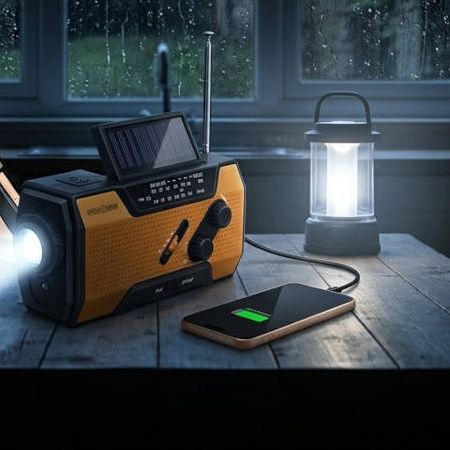
If you only add one thing, make it a radio that doesn’t need mains power or a phone signal. Whatever’s happening, it’s how you’d hear official information when the internet and the phone network can’t help.
FosPower Emergency Radio
Most emergency radios have one or two power options. The FosPower has four, and that redundancy is the single most important feature for preparedness use.
Clarissa’s free Government Emergency Kit Checklist turns the official list into something you can tick off, with the gaps filled in.
Frequently Asked Questions
Is Britain preparing for war?
Is Britain preparing for war? Only in the sense of planning for the worst case: rebuilding the Strategic Reserve, updating the law on recall and asking households to keep three days of supplies. Ministers describe the reservist letters as a precaution, and the Veterans Minister says they “do not mean reserves are about to be mobilised”.
Will I be called up for war?
Not if you’ve never served. The letters only go to former service personnel who still have a legal recall liability. The UK has no conscription, and the government told Parliament in September 2026 that it has “no current plans for compulsory military service”.
Is the UK going to war?
Nobody can honestly promise what happens in the future, but nothing in the letters says war is coming. They ask for contact details and skills and offer voluntary training. The household advice is the same whatever happens: keep three days of essentials at home.
Is there UK conscription?
No. National Service call-ups ended on 31 December 1960, and bringing conscription back would need a new law passed by Parliament. The government’s stated policy is professional armed forces made up of volunteers.
Are reservists being called up?
No. The letters ask Strategic Reserve members to update their details and offer the chance to volunteer for training and exercises. They aren’t recall orders.
Who is in the Strategic Reserve?
Former service personnel who have left the regular forces but still carry a legal liability to be recalled for a set period. It isn’t the general public, and it isn’t the part-time Army Reserve.
What should I do if I’ve had a letter?
Read it carefully and update your details as it asks. Volunteering for training is an offer. If anything seems off, contact the MoD through its official channels rather than any link sent in an unexpected text or email, because scammers often copy big news stories.
Build Your Resilience
The whole plan, in one book
Prepared, Not Panicked (2026 edition) pulls our guides together into one plan for UK households. PDF, £4.99.
See inside the book →Further Reading: Related Guides
- Home Emergency Kit
- The 3-Day Emergency Pantry
- Emergency Water Storage
- Emergency Radio Guide
- How to Prepare for a Power Cut
All our guides can be found listed on our resilience hub.
Gear We've Tested & Reviewed
All our reviews can be found on our reviews and resources page.


📡 Find Us Everywhere
Daily briefings, prep guides, and real-time updates across every platform. Pick yours.
Free. No commitment. Stay anonymous on WhatsApp & Telegram.
Stay Informed on UK Preparedness
Join our newsletter for UK-specific preparedness tips, product recommendations, and real-world advice for households.
Subscribe to Our Newsletter