
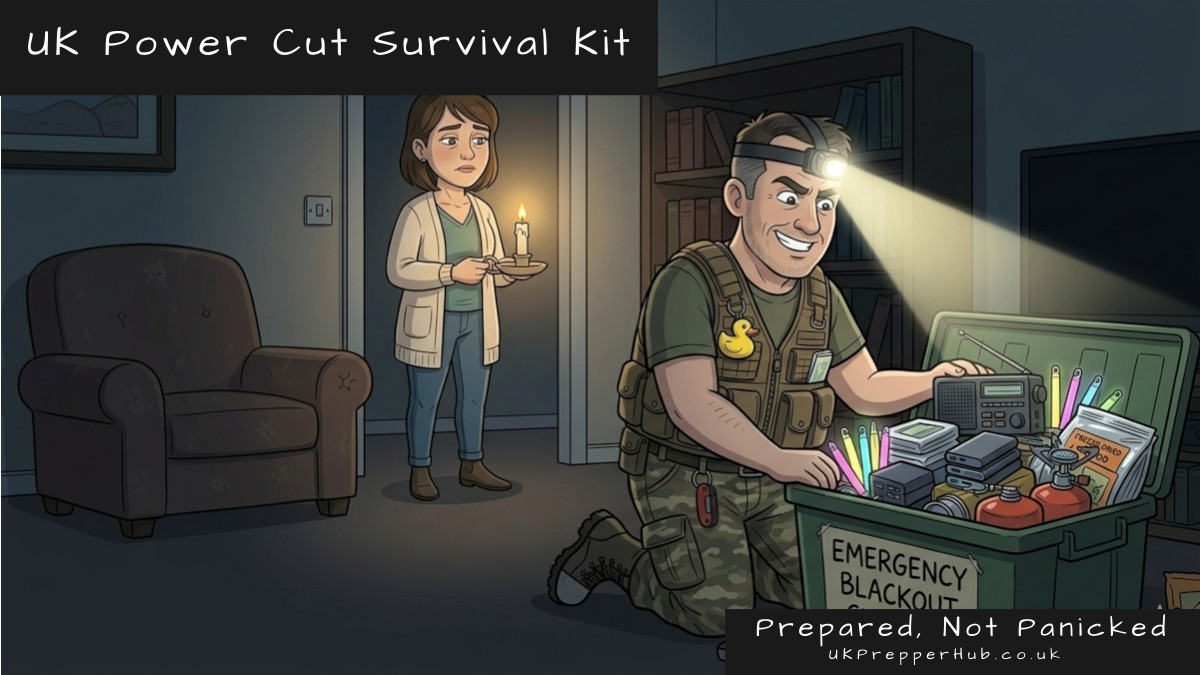
When the lights go out, most households discover two things very quickly. First, they have no idea where their torch is. Second, the torch they eventually find has dead batteries.
A Blackout Box solves both problems permanently. It is a single, dedicated container — stored somewhere accessible — that holds everything your household needs to get through a power cut comfortably. Not survive it. Get through it comfortably. There is a difference, and that difference comes down to preparation.
Call it a blackout kit, a power cut emergency kit or a power outage kit — we call it a blackout box, because the whole point is that everything lives in one place. This guide walks you through exactly what goes in one, what to avoid, and how to store it so it is genuinely ready when you need it.
The Blackout Box Itself
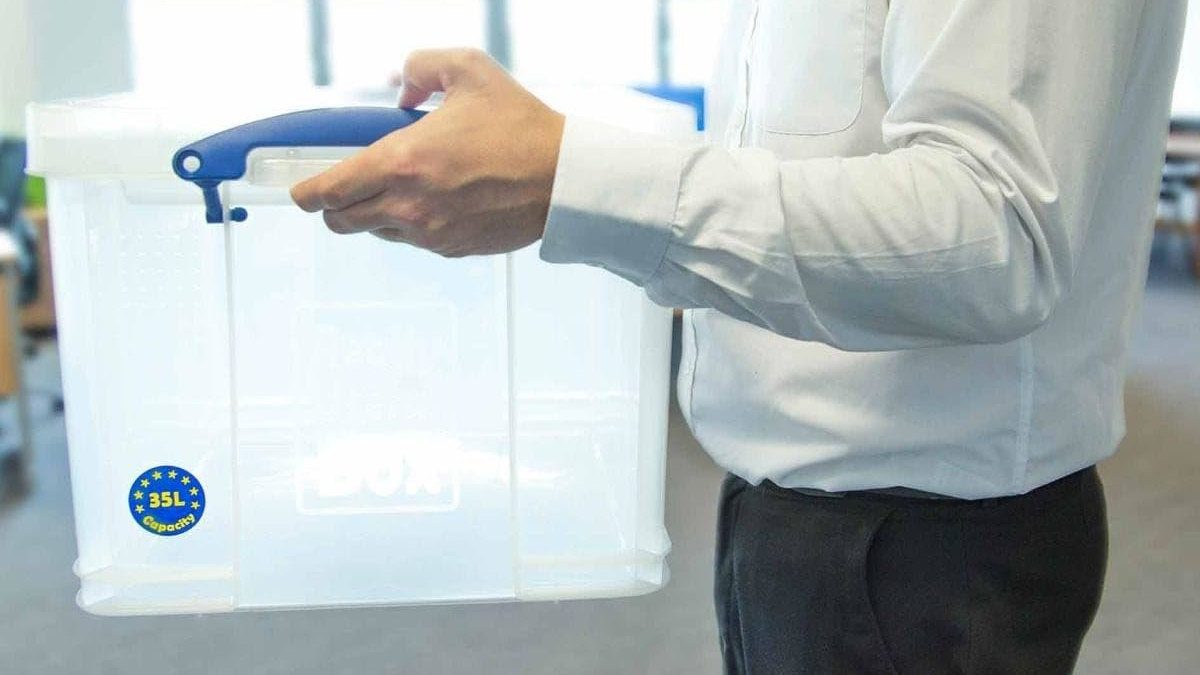
Before you start filling it, you need the right container. A cardboard box will absorb damp in a garage or under the stairs. A soft bag is hard to stack and offers no protection. What you want is a hard-sided plastic storage tote with a clip-lock lid — something robust enough to live in a cool, slightly damp environment for years without degrading.
Thirty-five litres is the right size for a full household power cut kit. Big enough to fit everything, small enough to carry. Clip-lock lids matter — a lid that just rests on top will let moisture in over time.
Really Useful Boxes
Really Useful Boxes are actually waterproof, they seal properly, and they’re engineered well. Built to last and protect anything stored in them.

🦆 Keith
Don’t Be Keith
Keith spends three weeks choosing the perfect container, reads seventeen reviews, buys a dedicated storage system, and forgets to put a torch in it.
Lighting: The First Priority
The moment the power goes, lighting is your immediate problem. Everything else — warmth, food, communication — comes after. Getting your lighting sorted is the single most important part of building a Blackout Box.
One strict rule applies here: no candles. UK fire services deal with candle-related house fires every single winter, and a disproportionate number of them happen during power cuts. Modern LED lighting is brighter, safer, longer-lasting, and produces no heat or fumes. There is no practical argument for candles.
Head Torches
Every adult in the household should have one. The reason is simple — they free your hands. You cannot check a fuse box, prepare food, or help a child get dressed while holding a torch. Head torches are not optional kit. They are essential.
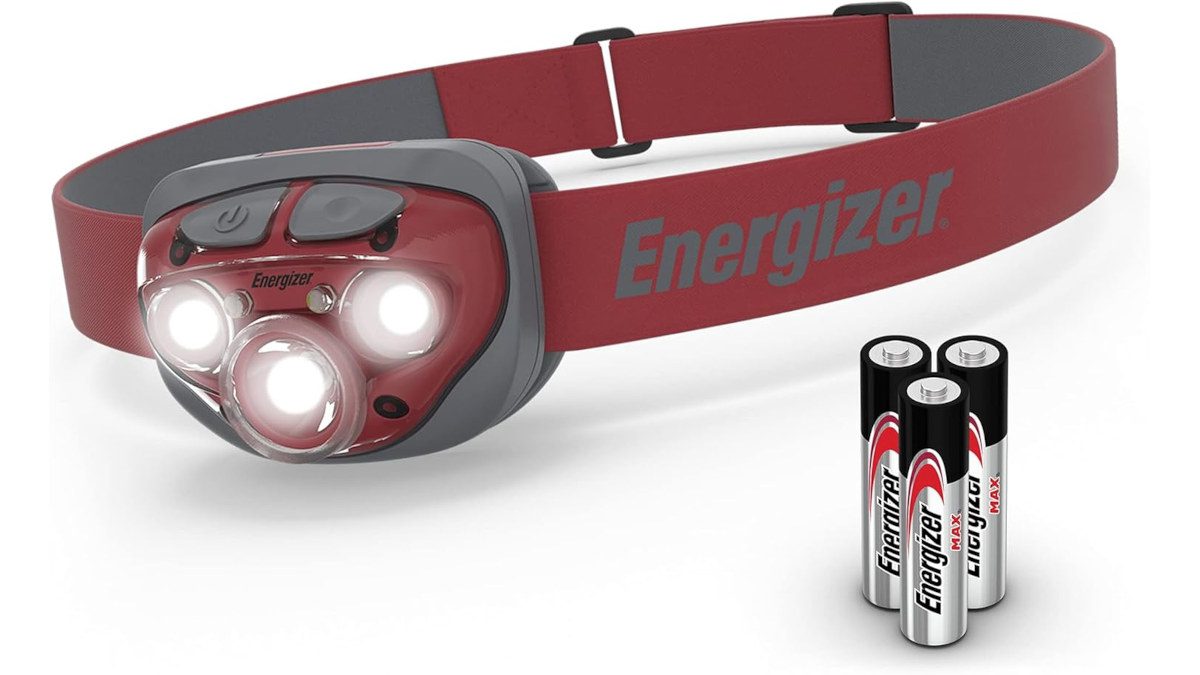
Look for models with adjustable brightness settings (lower brightness extends battery life significantly) and a red light mode, which preserves your night vision for navigating around the house. Standard battery compatibility matters too — AAA-powered models mean you are never dependent on a proprietary charging cable.
Energizer Vision HD+ Head Torch
Is this the most versatile head torch for your kit? Does it deliver what it promises? Does it have longevity?
Plug-In Emergency Torches
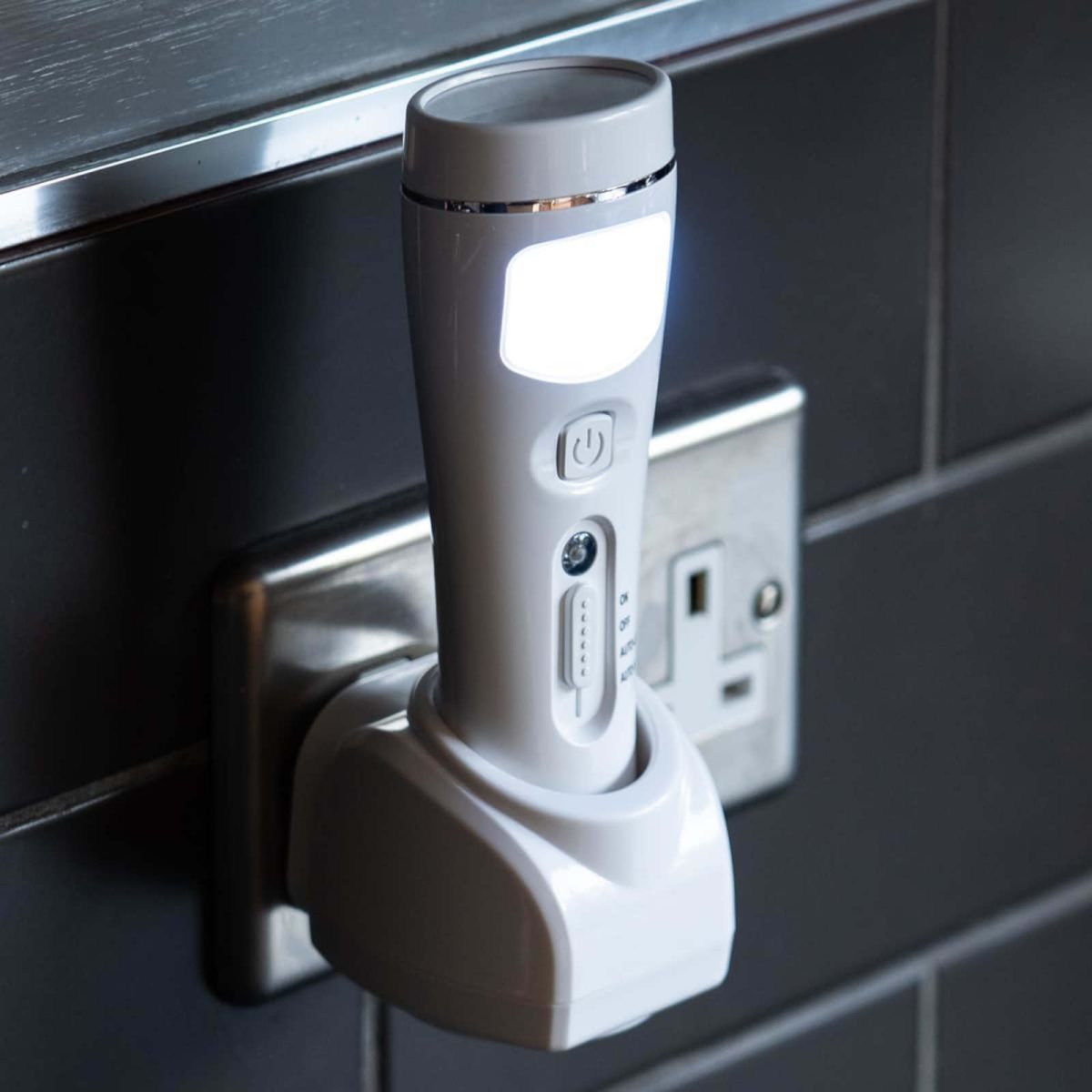
This is one of the most underrated bits of kit available, and one that most households overlook entirely. A plug-in emergency torch lives in a mains socket and charges constantly. The moment the power fails, it activates automatically — before you have even registered that the lights have gone out.
No fumbling in drawers. No dead batteries. It is simply there, already lit, the instant you need it. At around £20, it is arguably the best value item in this entire guide.
XtraLite NiteSafe
The NiteSafe is a dual-function device that works as both a plug-in nightlight and an emergency torch. It sits in a standard UK plug socket, charges continuously, and the moment mains power fails, it automatically illuminates.
LED Lanterns
A head torch gives you directed light for tasks. A lantern gives you ambient room light — the kind that makes a power cut feel manageable rather than oppressive. Place one in the living room and suddenly the family can sit together in reasonable comfort rather than huddled around individual torches.
Battery-powered or rechargeable LED lanterns are the right choice. Avoid gas-powered camping lanterns for indoor use — they produce carbon monoxide and require ventilation that simply is not practical in a living room in January.
Lepro 2000lm Rechargeable Camping Lantern
Charges by USB, then runs on AA batteries when the power’s been off too long. Up to 2,000 lumens, warm white and red modes, IPX4.
Our Full Review: Lepro 2000lm Rechargeable Camping Lantern →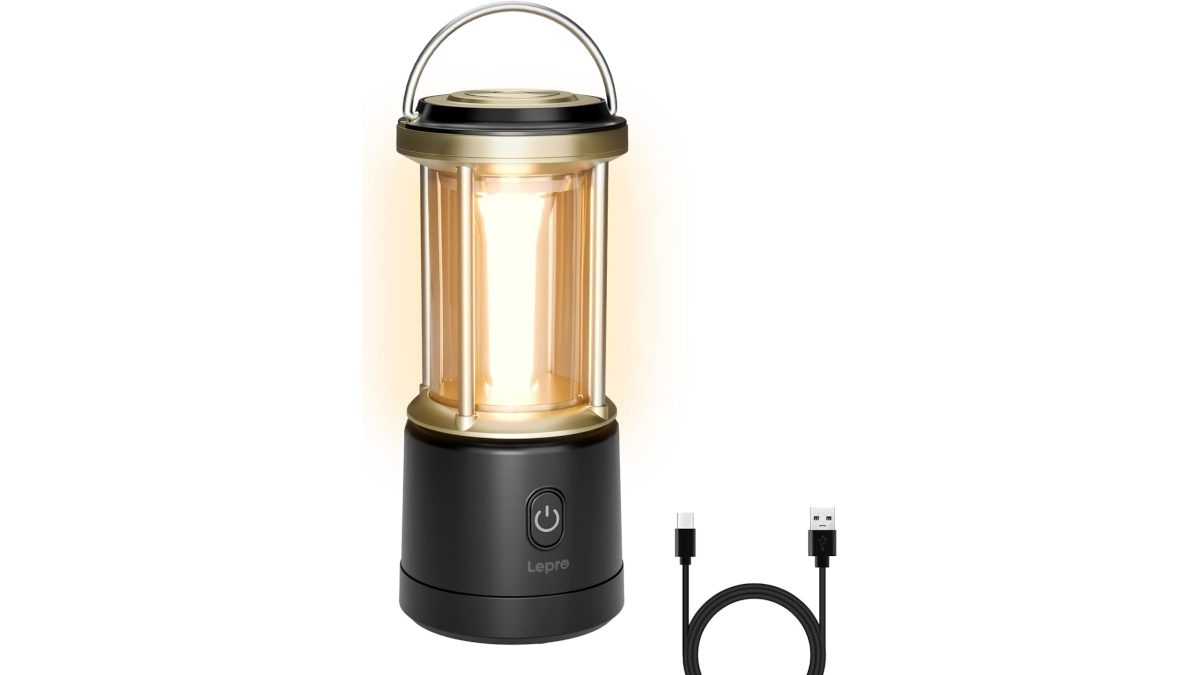
Glow Sticks
Glow sticks are the most underestimated item in a Blackout Box. They require no batteries, no charging, and no switches. Crack one and it works. They are genuinely child-safe — hand one to a child and they can carry it, wear it on a lanyard, or leave it on a surface without any supervision required.
Beyond keeping children occupied and calm, they are practical markers. Hang one on a door handle to mark the bathroom at night. Put one at the top of the stairs. Clip one to the dog’s collar. They provide four to five years of shelf life unopened and eight to twelve hours of light once activated.
Cyalume SnapLights – 6 Colour Pack – 12 sticks
Six colours of fire-free, battery-free emergency light, individually wrapped and ready to use for up to five years.
Our Full Review: Cyalume SnapLights – 6 Colour Pack – 12 sticks →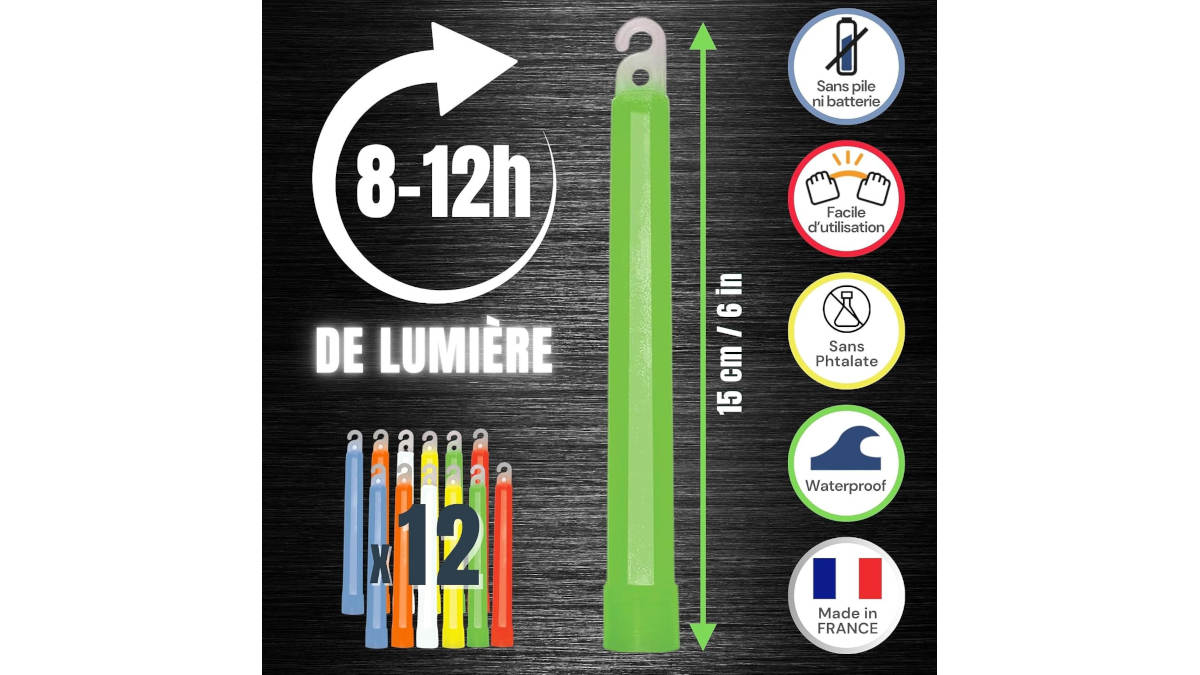
Cooking: Hot Food Changes Everything
A power cut is an inconvenience. A power cut where you cannot make a hot meal or a brew starts to feel like something considerably worse. The ability to cook transforms the atmosphere of an outage, particularly for children and older family members.
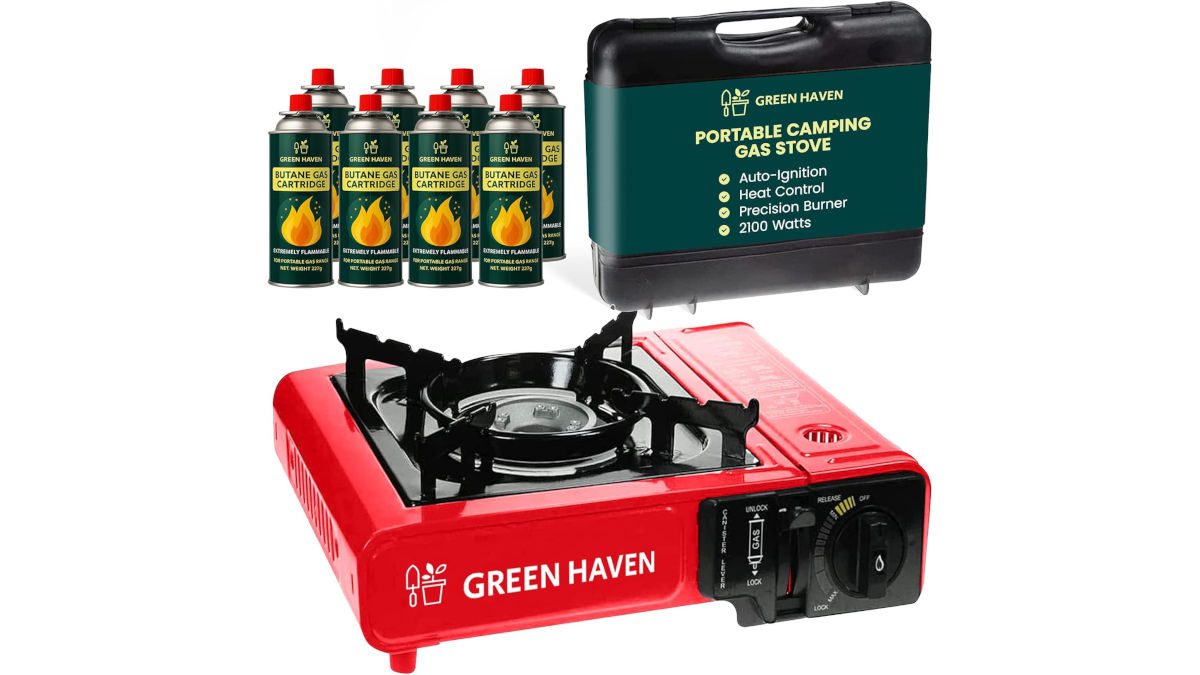
A portable butane gas stove is the correct solution for UK households. Butane canisters are widely available, the stoves are stable and straightforward to use, and they burn cleanly enough for indoor use provided you keep a window slightly open. Store a minimum of four spare canisters — enough to cover a 72-hour outage with meals and hot drinks.
Always ventilate slightly when cooking indoors with any gas appliance. A window open an inch is sufficient.
Portable Gas Stove with Carry Case & 8 Butane Cartridges
Boils the kettle and cooks a proper meal on top of your hob when the power goes, with no electricity at all.
Warmth: The One People Underestimate
UK homes lose heat faster than most people expect once the central heating pump stops. A well-insulated modern house might hold warmth for several hours. An older Victorian terrace will start to feel it within an hour or two in January.
The short-term solution is layers and blankets. Have enough in the house that every member of the household can stay warm in a single room without relying on the heating. Consolidate — one warm room is far easier to manage than trying to heat the whole house.
For extended outages in winter, a portable gas cabinet heater provides meaningful background warmth to a single room. Look specifically for models with an Oxygen Depletion Sensor (ODS) — this is a safety mechanism that cuts the gas supply if oxygen levels in the room drop, which is the relevant safety concern with any gas appliance used indoors. Always maintain ventilation.
A dedicated review of our recommended gas heater is in progress — we will add it here when published.
Silentnight Heat Genie Self Heating Giant Blanket
If you’re looking for a simple way to stay warm without turning the heating up, this is a low-cost option with zero running costs. It’s especially worth considering for cold homes, power cuts, or anyone wanting extra warmth without relying on electricity.
Our Full Review: Silentnight Heat Genie Self Heating Giant Blanket →
Power: Keeping Your Phone Alive
Your smartphone is your connection to the outside world during a power cut — the Met Office forecast, the 105 power cut reporting line, messages to family. Keeping it charged is not optional.
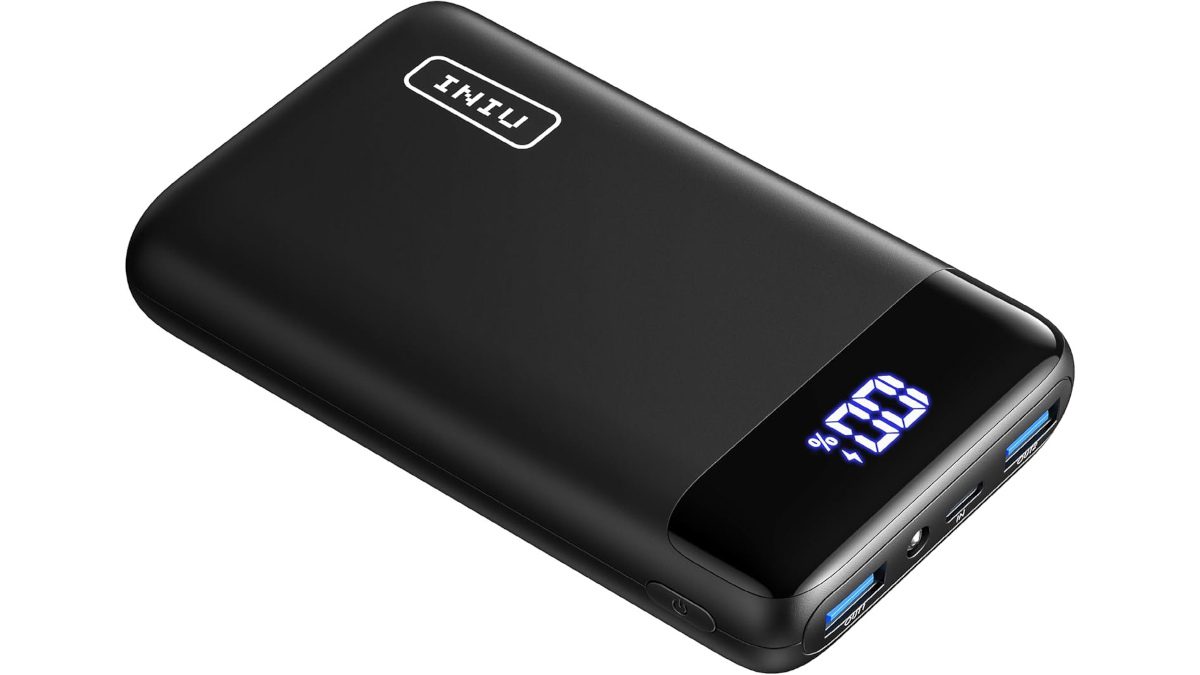
A high-capacity power bank — 20,000mAh — will charge a modern smartphone four to five times. That is comfortably enough for a 72-hour outage if you are disciplined about usage. Turn all devices to power-saving mode. Turn off WiFi and Bluetooth when not needed. Keep one phone active and the others off until needed. And do not use your phone as a torch — it will drain the battery in a matter of hours.
INIU 20,000mAh Power Bank
We tested it so you don’t have to — here’s the one thing most power banks get wrong, and why this one doesn’t.
Kuulaa Magnetic Charging Cable
Pack of two cables (2m + 1m) – 6 magnetic tips (2 USB micro, 2x USB-C, 2x Lightening). Two cables, three connector types, every device in the house — snap on, charge anything, snap off.
Our Full Review: Kuulaa Magnetic Charging Cable →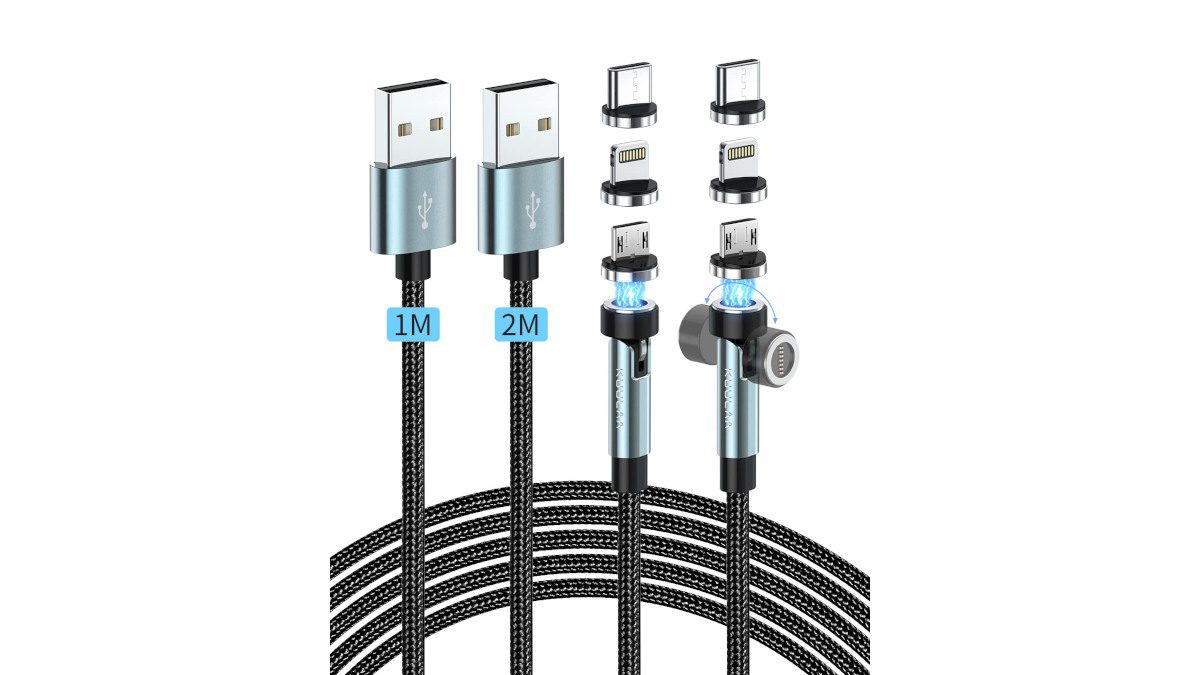
Communications: When the Internet Goes Down
When the power is out for any significant period, mobile data often becomes unreliable as local infrastructure is affected. The radio becomes your most reliable source of information — BBC local radio in particular carries live power cut updates, severe weather information, and emergency announcements.
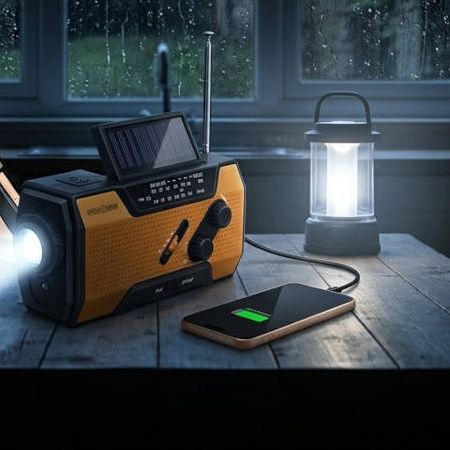
A multi-power emergency radio — one that runs on mains, USB, batteries, hand crank, and solar — means you will always have access to broadcasts regardless of what else has failed. Many models also double as a secondary phone charger via USB, which adds another layer of resilience to your communications setup.
FosPower Emergency Radio
Most emergency radios have one or two power options. The FosPower has four, and that redundancy is the single most important feature for preparedness use.
Complete Guide
Emergency Radio Guide
When the power fails, your phone signal goes with it. This guide covers which radio frequencies actually matter in a UK emergency, what to look for before you buy, and how to make sure it works when you need it.
Read the Full Guide: Emergency Radio Guide →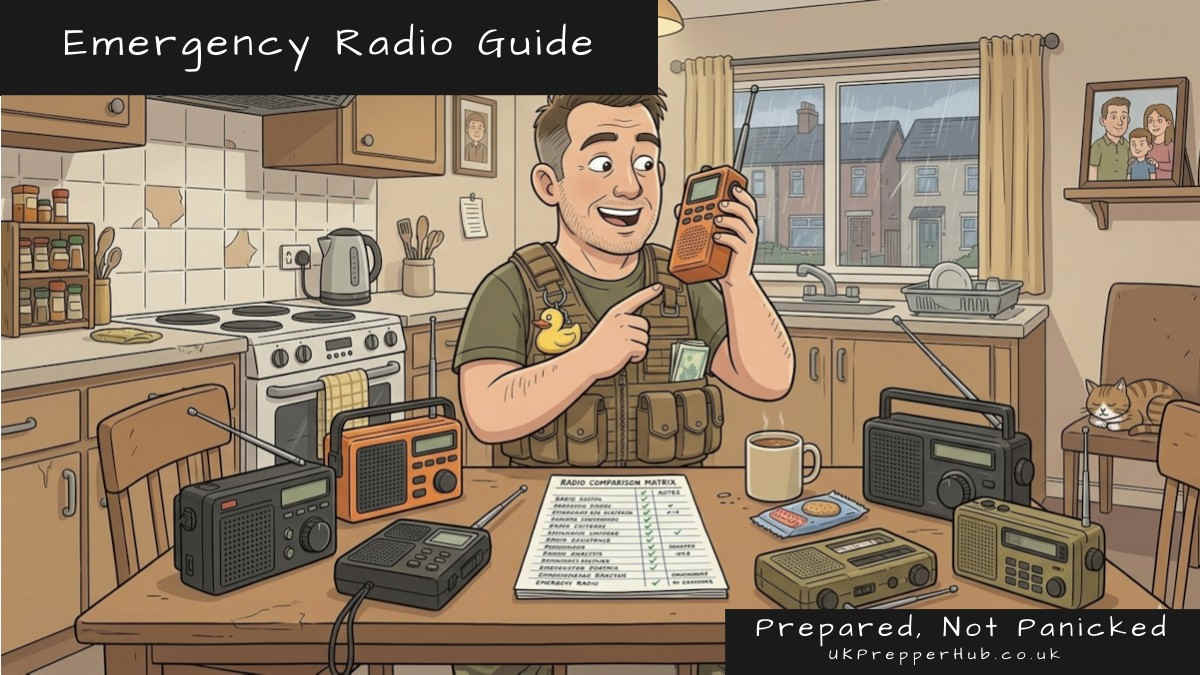
The Kids
If you are at home with children during a power cut and have not already thought about what they will do without screens, now is the time. A deck of cards, a couple of travel board games, and some colouring books and crayons weigh almost nothing and take up very little space in the blackout box. Pack them. The difference between a child who is bored and anxious and one who is engaged with a game is significant during a long dark evening.
Games and colouring need decent light, and a head torch on a small child rarely stays put for long. A small clip-on reading light gives each child soft, steady light over their book or game, and if you buy them in different colours, everyone knows which light is whose.
Gritin Book Light
A clip-on reading light with soft, dial-in brightness and colour, up to 160 hours on low and a torch in the base: the power cut light hiding in plain sight.
Our Full Review: Gritin Book Light →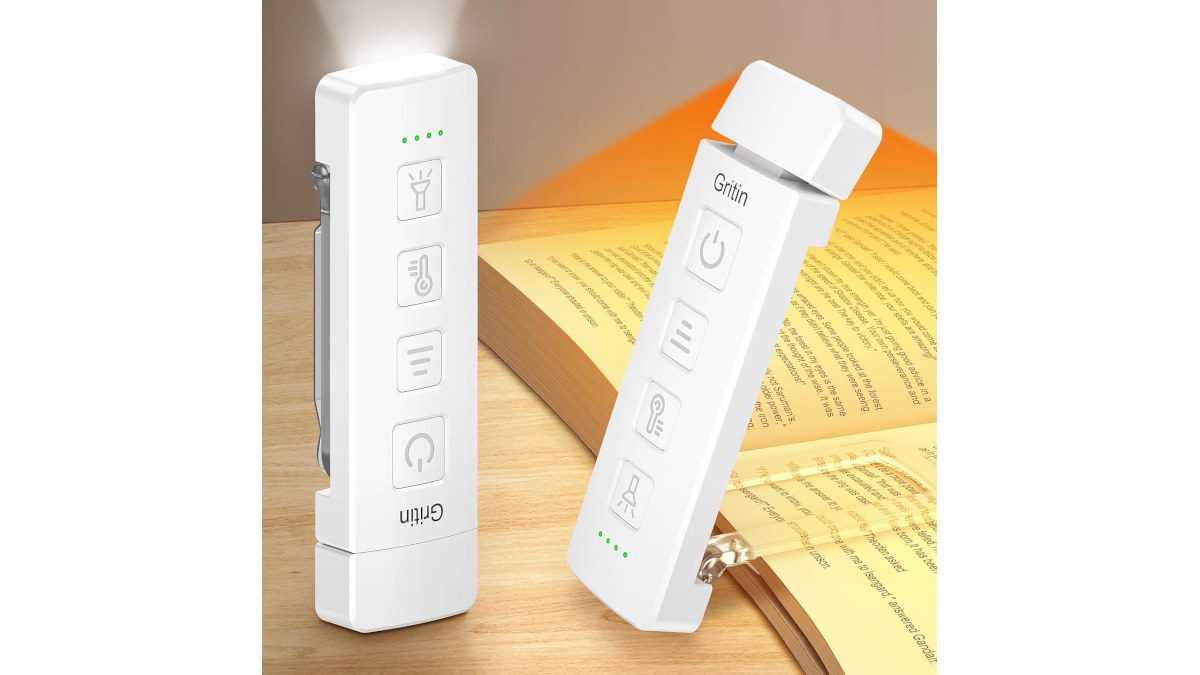
Storing and Maintaining Your Blackout Box
A Blackout Box only works if it is actually ready. A few habits will keep it that way.
Location matters. Under the stairs, in a hall cupboard, or in a dry garage are all good choices. It needs to be accessible in the dark — if you have to move three other boxes to get to it, you have stored it wrong. Make sure every adult in the household knows exactly where it is.
Check it twice a year. The clocks changing in spring and autumn are a useful prompt. Check battery levels in rechargeable items, replace any used consumables, and check the expiry dates on glow sticks and gas canisters.
Replace what you use. If you take the power bank out to charge a device on a camping trip, put it back. A blackout box only works as a complete kit.
Label it clearly. A piece of tape on the lid marked “BLACKOUT BOX” means anyone in the household can find it without asking.
📋 Calm Clarissa
My printable power cut checklist covers everything that goes in the box, plus a monthly check so the power banks are always charged. Free to download, obviously.
Download the Free Checklist →Frequently Asked Questions
Can I use a camping stove indoors?
Yes, provided you use a butane-powered stove and keep a window slightly open for ventilation. Never leave it unattended and never use it in a room with no airflow at all.
How long will a 20,000mAh power bank last?
Four to five full phone charges under normal conditions. In power-saving mode with WiFi and Bluetooth off, a single charge can last two days of light use. For a household sharing one active phone, a 20,000mAh bank is comfortably enough for 72 hours.
What is the 105 number?
105 is the free UK number to report a power cut or get information about an outage. It connects you directly to your local electricity network operator. Save it in your phone now, before you need it.
Are candles really that risky?
Yes. UK fire services consistently report a spike in house fires during power cuts, and candles are a significant contributor. LED alternatives are brighter, safer, longer-lasting, and do not produce heat or fumes. There is no good reason to use candles when modern LED options are so affordable.
How often should I check the box?
Twice a year is sufficient for most households. Use the clock changes in March and October as your prompt. Check batteries, replace consumables, and make sure nothing has been borrowed and not returned.
Build Your Resilience
Further Reading: Related Guides
- How to Prepare for a Power Cut
- Heating Without Electricity
- Emergency Lighting Guide
- 72-Hour Grab Bag
All our guides can be found listed on our resilience hub.
Gear We’ve Tested & Reviewed
- Energizer Vision HD+ Head Torch
- Xtralite Nitesafe review
- FosPower Emergency Radio
- INIU 20,000mAh Power Bank
- Camping Gas Stove
- Cyalume SnapLight Glow Sticks
- Gritin Book Light
- Really Useful Box
- Kuulaa Magnetic Charging Cable
- HotHands Hand Warmers
All our reviews can be found on our reviews and resources page.