
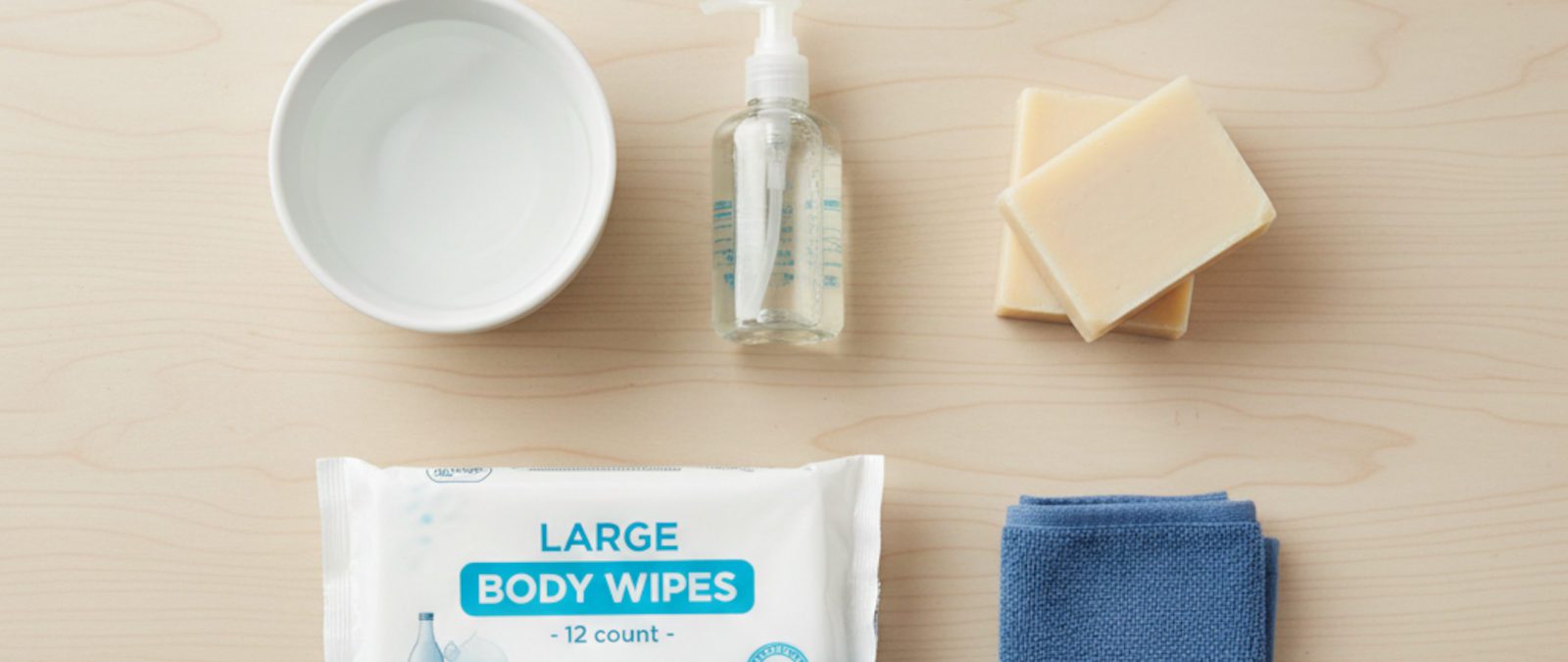
Most people associate emergency preparedness with food stockpiles and torches. Very few think about hygiene — until the water goes off and they realise they can’t wash their hands, flush the toilet, or clean a wound properly.
The UK’s water infrastructure is genuinely resilient, but it’s not invincible. Thames Water, United Utilities, and other suppliers have all issued “do not use” notices in recent years following contamination events. Burst mains during freeze-thaw cycles — the kind that hit during the Beast from the East — can leave entire streets without supply for 12–72 hours. Flooding doesn’t just cut off water; it contaminates what’s left in the system.
When supply fails, hygiene collapses quickly. And collapsed hygiene is how a manageable emergency becomes a health crisis.
This guide covers practical hygiene without mains water — handwashing, food safety, wound care, laundry, and sanitation — for UK households in the first 72 hours of disruption.
Why Hygiene Fails in Emergencies (And Why It Matters)
The NHS estimates that proper handwashing alone reduces the risk of gastrointestinal illness by around 50%. During an emergency, the risks multiply: you’re handling unfamiliar water sources, potentially dealing with flood water, managing stress that weakens your immune system, and possibly caring for someone injured or unwell.
The illnesses that emerge from poor emergency hygiene aren’t dramatic — they’re mundane and debilitating. Norovirus spreads rapidly when handwashing breaks down. E. coli can contaminate food prepared with dirty hands or utensils. Skin infections from poorly cleaned minor wounds become serious quickly in people who are already run down.
The good news is that maintaining adequate hygiene without mains water is entirely achievable with modest preparation. You don’t need specialist equipment. You need knowledge, a small stockpile, and the right habits.
Handwashing Without Running Water
Handwashing is the single highest-impact hygiene intervention available. It needs to happen after using the toilet, before handling food, after touching potentially contaminated surfaces, and after any contact with bodily fluids.
Without running water, you have three practical options.
Option 1: Stored Water and a Pour Jug
The most effective method. Fill a clean plastic jug or bottle with stored water. Have a second person pour while you wash, or use a camp-style gravity dispenser. You need approximately 500ml per thorough wash — less than most people assume.
The sequence matters: wet hands, apply soap, scrub for 20 seconds (the NHS recommends all surfaces including between fingers and under nails), rinse thoroughly. The soap is doing the work; the water just needs to wet and rinse.
Complete Guide
Emergency Water Storage
How much to store, how to store it in small spaces, and the reality of UK water rotation.
Option 2: Alcohol Hand Sanitiser
Effective against most bacteria and enveloped viruses (including influenza and coronaviruses) but has important limitations. Alcohol sanitiser does not kill norovirus, C. difficile, or cryptosporidium. It’s also ineffective on visibly soiled hands — the alcohol can’t penetrate organic matter.
Use sanitiser as a supplement, not a replacement. If your hands are dirty, you must wash with water first.
A minimum 60% alcohol concentration is required for effectiveness. The NHS recommends 70%+ for clinical use. Store several 500ml bottles — they last well and are inexpensive.
Option 3: Antibacterial Wipes
Useful for situations where water and gel aren’t practical — in a car, away from your main supplies, or when caring for someone bedridden. Again, these are supplements rather than replacements. They don’t wash away contamination; they add an antibacterial agent to incompletely clean skin.
Core Medical 70% Isopropyl Alcohol Swabs
The easy swap for the alcohol-free wipes UKHSA told us to bin. 100 individually sealed 70% isopropyl alcohol swabs for skin prep before injections, first aid kits and cleaning medical kit.
Our Full Review: Core Medical 70% Isopropyl Alcohol Swabs →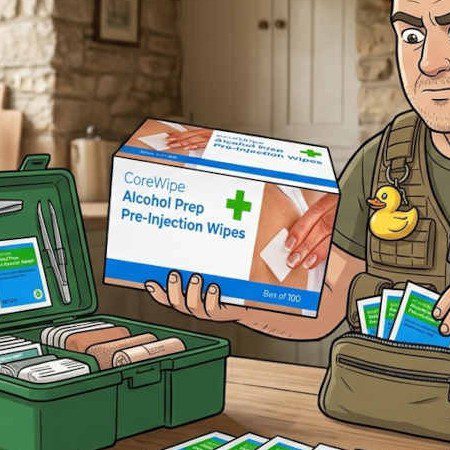
Handwashing Stations
If disruption extends beyond a day, set up a dedicated handwashing station. This prevents your stored water being depleted randomly and creates a visible reminder and habit anchor.
A basic setup: one container with a tap or spigot for water, liquid soap, a basin to catch waste water, and paper towels or a dedicated cloth. Position it at the entrance to wherever you’re preparing food, and next to any temporary toilet arrangement.
Drinking Water Hygiene
Water that looks clean isn’t necessarily safe. Contamination events are often invisible — chemical run-off, bacterial contamination from burst mains, or parasites from flooding don’t change the colour or smell of water.
Purification Methods
Boiling remains the most reliable method for biological contamination. One minute at a rolling boil kills all pathogens. At altitude (above 2,000m) extend to three minutes — not relevant for most UK households but worth knowing. Allow water to cool in a covered container.
Chemical purification using water purification tablets (sodium dichloroisocyanurate or sodium hypochlorite) is effective against bacteria and most viruses but not all parasites. Follow packet instructions precisely — concentration and contact time matter. See our Water Purification Methods guide for full detail.
Filtration removes particulates and, with the right filter, parasites and some bacteria. A quality filter bottle can handle this. Filters do not remove chemical contamination or viruses — if you suspect chemical contamination, don’t filter and drink; use bottled water.
LifeStraw Go Series Water Filter Bottle
Two-stage filter bottle that removes bacteria, parasites and microplastics as you drink, for grab bags, the car and any tap away from home.
Our Full Review: LifeStraw Go →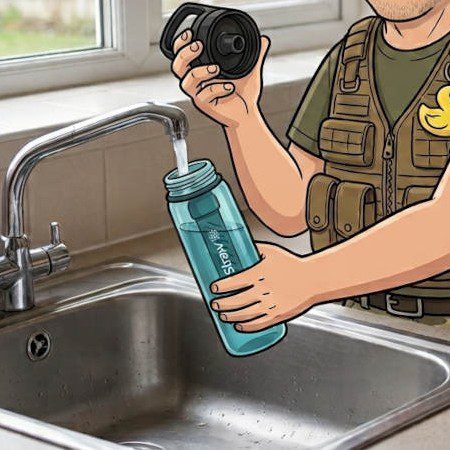
Aquatabs 8.5mg Water Purification Tablets
Drop a tablet in, wait 30 minutes, drink: 100 Aquatabs in a resealable pouch for the grab bag, the car and the mountain stream.
Our Full Review: Aquatabs →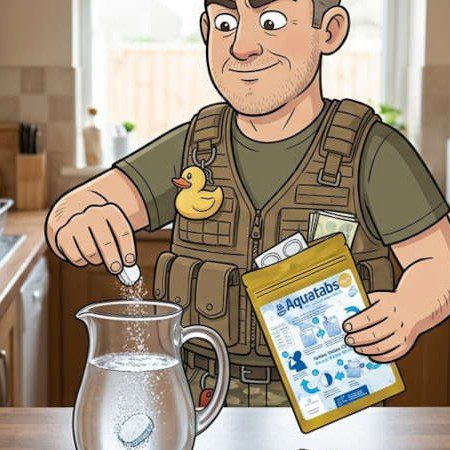
Container Hygiene
Purified water can be re-contaminated by dirty containers. Use only food-grade containers with tight lids. Clean containers with diluted bleach solution (one teaspoon per litre of water, leave for two minutes, rinse) before first use and after any contamination event. Never put your hand or any implement directly into your stored water — use a clean ladle or tap system.
Label containers with the date purified and use within 24 hours if kept at room temperature, 72 hours if refrigerated.
Food Preparation Hygiene
Foodborne illness is a serious risk during emergencies. Refrigeration may be unavailable, handwashing is more difficult, and stress tends to shortcut the habits that prevent cross-contamination.
Surface and Utensil Cleaning
Without running water, adopt a three-container method used in professional catering during water outages:
- Wash — warm water with washing-up liquid, scrub food contact surfaces
- Rinse — clean water to remove soap residue
- Sanitise — diluted bleach solution (one teaspoon bleach per litre water), air dry
This applies to chopping boards, knives, plates, pots, and any surface food touches. Wooden chopping boards should be avoided during water outages — they harbour bacteria in cuts and cracks and can’t be sanitised effectively.
Food Safety Without Refrigeration
Our 3-Day Emergency Pantry guide covers food selection in detail. The hygiene angle:
- Open tins should be transferred to covered containers and consumed within 24 hours at room temperature, 48 hours if you have a cool box
- Never eat from a tin that’s bulging, dented along a seam, or spurts liquid when opened — these are signs of bacterial contamination
- Cook food thoroughly — bacterial contamination is destroyed by heat, not by how food looks or smells
- The “sniff test” is not a food safety method; listeria and salmonella have no detectable odour
Complete Guide
3-Day Emergency Pantry
The low-barrier start: A shopping list of shelf-stable meals that require zero refrigeration.
Dishwashing With Limited Water
Use paper plates and cups where possible — this is one of the legitimate emergency uses for disposables. When washing up is unavoidable, scrape thoroughly first (removes most contamination), use minimal water in a bowl rather than running water, and dry with clean paper towels rather than reusing cloths.
Cloth tea towels become vectors for cross-contamination rapidly once mains water is unavailable. Switch to paper or designate separate cloths for separate tasks (food vs. surfaces vs. hands) and treat them as single-use.
Wound Care and Medical Hygiene
Minor wounds that would ordinarily be a brief inconvenience become a more serious concern when handwashing is compromised and medical help may be delayed.
Complete Guide
UK Home First Aid Kit
This guide covers comprehensive first aid supplies needed in the home to cover almost all emergencies.
Clean Hands Before Everything
Before treating any wound — however minor — your hands must be as clean as possible. If water is limited, alcohol gel before and after wound care is appropriate here even for people who are otherwise prioritising gel-free washing.
Wound Cleaning
Clean running water (purified if necessary) is the best wound cleaning agent. The pressure of a steady pour washes debris and bacteria out of the wound far more effectively than dabbing or wiping. Use a syringe or clean squeeze bottle for better pressure if available.
Antiseptic wipes are appropriate for cleaning around a wound and for preparing skin before applying a dressing. They should not be used inside deep or puncture wounds — alcohol delays healing in deep tissue.
Core Medical 70% Isopropyl Alcohol Swabs
The easy swap for the alcohol-free wipes UKHSA told us to bin. 100 individually sealed 70% isopropyl alcohol swabs for skin prep before injections, first aid kits and cleaning medical kit.
Our Full Review: Core Medical 70% Isopropyl Alcohol Swabs →Signs of Infection to Watch For
Without prompt medical access, infection can escalate. Watch for:
- Increasing redness spreading beyond the wound edge
- Warmth to the touch spreading from the wound
- Pus or cloudy discharge
- Red streaking from the wound (urgent — potential blood poisoning)
- Fever, chills, or feeling systemically unwell
Any spreading redness, red streaking, or fever warrants contacting 111 or 999 immediately. These are signs of systemic infection that cannot be managed at home.
Laundry and Clothing Hygiene
Laundry is lower priority than drinking water and food safety, but unwashed clothing and bedding becomes a hygiene issue within 2–3 days, particularly for underwear, socks, and anything in contact with skin.
Hand Washing Clothes
For a 72-hour disruption, the minimum viable approach:
- Prioritise underwear, socks, and any clothing visibly soiled
- Use a bucket or large bowl with warm water and a small amount of detergent
- Agitate for 5 minutes, rinse twice with clean water
- Wring thoroughly and air dry — fabric damp from insufficient wringing takes far longer to dry and can develop mildew within 24 hours in UK conditions
A washboard or ribbed surface improves cleaning significantly. A plunger-style portable washer (a wooden dolly or a purpose-made plastic version) reduces the effort considerably.
Drying Without Power
In UK winter conditions, indoor drying is often the only option. Maximise airflow — open internal doors, use a fan if battery power allows. Clothes horses near (but not directly next to) a heat source work well. Avoid drying large volumes of laundry in a sealed room — this raises humidity significantly, which is uncomfortable and can accelerate mould growth.
OCOOPA USB Rechargeable Desk Fan
Battery-powered desk fan with up to 15 hours runtime and airflow strong enough to feel 8 feet away — no plug socket needed.
Our Full Review: OCOOPA USB Rechargeable Desk Fan →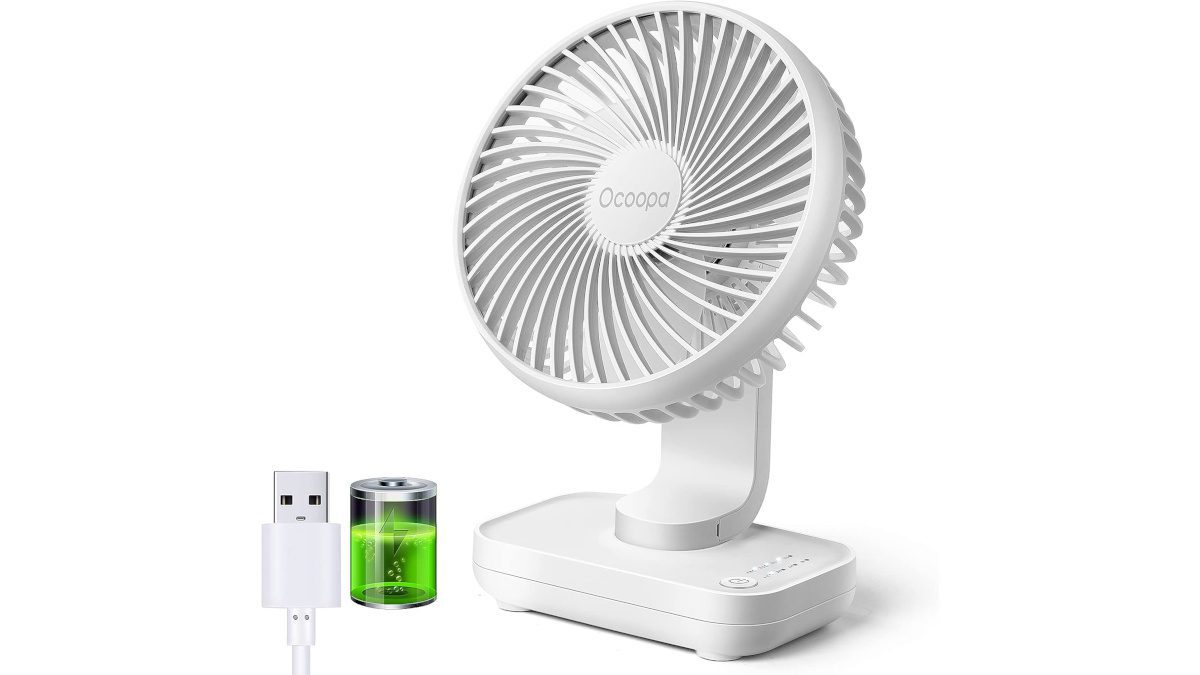
Bedding
If disruption extends beyond 3 days, bedding hygiene matters. Sleeping bags are more practical than duvet covers during extended cold outages — they require less washing and retain heat better. For vulnerable household members (elderly, infants, anyone unwell), prioritise clean bedding over clothing.
Oral Hygiene Without Running Water
Dental hygiene is easy to overlook during an emergency, but a toothache or abscess in the middle of a prolonged disruption — when your GP and dentist may both be unavailable — is a serious problem. Maintaining basic oral hygiene costs almost nothing in water.
Brushing: You need roughly 100ml of clean water to wet the brush and rinse. A mug is sufficient. Use bottled or purified water if the tap supply is under a “do not use” notice — oral bacteria can transfer contamination to the digestive system.
Flossing: Requires no water at all. If anything, flossing becomes more important when diet shifts to shelf-stable foods, which tend to be softer and starchier — exactly the conditions that accelerate plaque build-up.
Mouthwash: Alcohol-based mouthwash (at least 21.6% alcohol) is genuinely antibacterial and worth including in your emergency kit. It reduces bacterial load in the mouth without needing water for rinsing. Some formulas are designed as no-rinse — useful when water is genuinely scarce.
What to stockpile: Two extra toothbrushes per person, two tubes of toothpaste, dental floss, and one bottle of alcohol mouthwash. Total cost under £10 per person; total shelf life 2–3 years.
Personal Hygiene and Mental Wellbeing
There’s a dimension to hygiene that emergency guides rarely mention: the psychological impact of feeling dirty. Research into disaster survivors consistently finds that access to basic washing facilities is rated among the highest priorities for maintaining morale and mental resilience — above many practical needs people might expect to rank higher.
This isn’t vanity. Feeling physically clean reduces stress, supports sleep, and helps maintain the sense of normality that keeps households functioning during difficult periods. Children, in particular, benefit from the routine signals that everything is being managed.
Body Washing Without a Shower
A full body wash requires around 4–5 litres of water using the “strip wash” method:
- Fill a bowl with warm water (heated on a camping stove if necessary — see our Cooking Without Electricity guide)
- Work systematically: face and neck first, then arms and armpits, then torso, then legs and feet, then groin area last
- Use a clean flannel or cloth, rinsing it in the bowl between sections
- Change the water if it becomes visibly dirty before you finish
This method is used in hospitals for patients who can’t shower. It works, and it uses a fraction of the water a shower requires.

🌿 Aroura
Ancient Wisdom
Hygiene without running water is not a modern crisis — it is a return to the practices of every generation before us, who managed perfectly well with a bowl, a flannel and a kettle
Dry shampoo is a legitimate emergency hygiene item — a single can will manage hair cleanliness for several days without water. It’s also far cheaper and more practical than trying to wash hair over a bucket. Include one can per person with long hair in your emergency kit.
Baby wipes (unscented, for sensitive skin) are a practical supplement for quick clean-ups between full washes. For a proper wash when water is short, large adult body wipes do the job better. A pack of 80 costs around £1.50 and takes up minimal space.
Drench Body Wipes
Big, rinse-free body wipes for adults, in five sealed packs of 12: a clean wash in every grab bag, car and bathroom cupboard when the water goes off.
Our Full Review: Drench Body Wipes →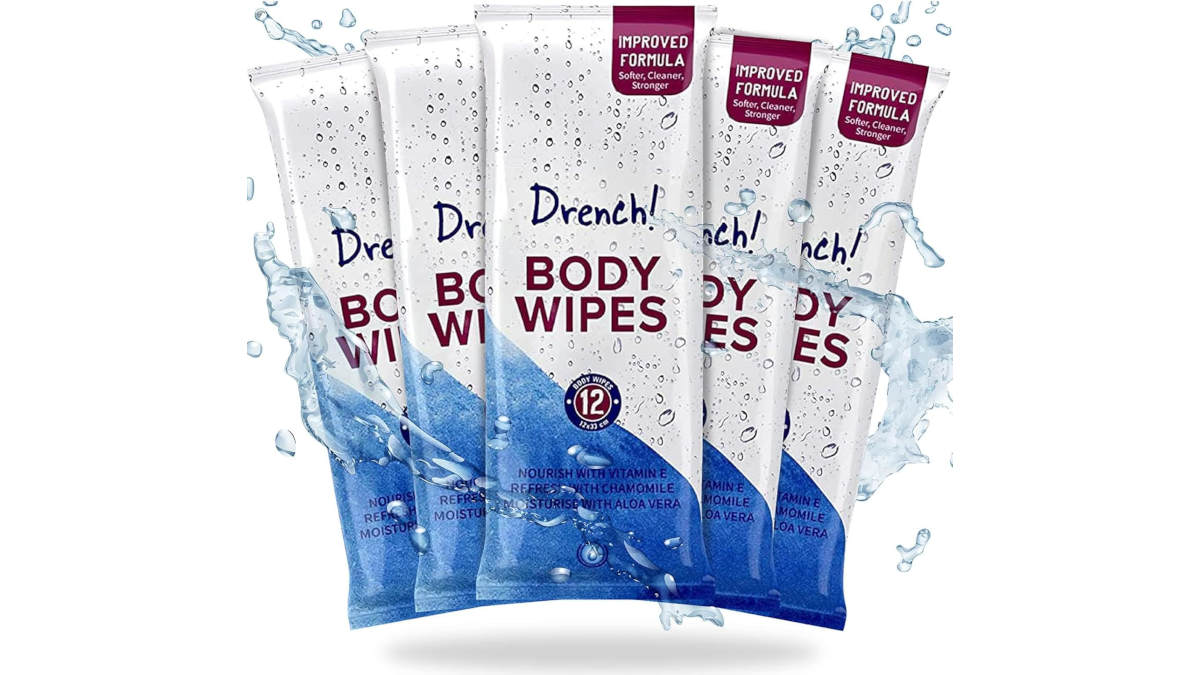
Menstrual Hygiene
Anyone who menstruates needs specific provision in their emergency kit. Disposable products work fine but require more waste management and more product volume than reusable alternatives.
Menstrual cups require virtually no water for maintenance during a 72-hour disruption — wipe clean with a damp cloth or antibacterial wipe between changes, boil to sterilise at the end of the period. Period pants function similarly but require washing.
For disposables, stockpile at least one full pack beyond your normal supply. Period products are frequently forgotten from emergency kit lists and are not always available at emergency distribution points.
Toilet and Waste Hygiene
When mains drainage fails — common during flooding, or if water pressure is too low to flush — toilet hygiene becomes critical.
This topic is covered fully in our Emergency Sanitation Guide. The key hygiene points:
- Human waste is the primary contamination risk during any sanitation failure
- Handwashing immediately after any toilet use is non-negotiable
- Waste must be sealed and contained, not left exposed
- Keep any temporary toilet arrangement as far from food preparation areas as practical
Complete Guide
Emergency Sanitation Guide
When flooding, burst mains, or a prolonged power cut takes your toilet out of action, most households aren’t prepared for what comes next. This guide covers practical UK alternatives — chemical toilets, waste bags, disposal methods — and how to stay hygienic when the infrastructure isn’t working.
Read the Full Guide: Emergency Sanitation Guide →
Thetford Porta Potti
One of the most-reviewed portable toilets on Amazon UK: self-contained sanitation that needs no mains, no electricity and no plumber when the flood hits.
Our Full Review: Thetford Porta Potti →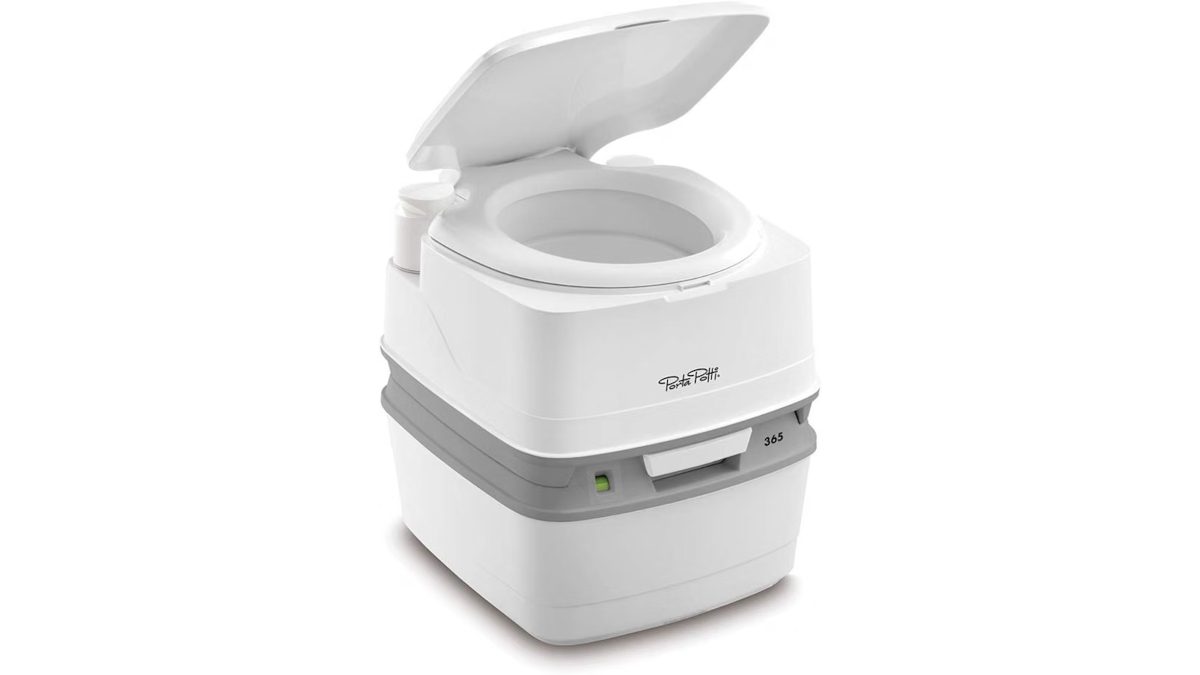
Hygiene for Vulnerable Household Members
Standard emergency hygiene guidance is written for healthy adults. Vulnerable members of your household require additional consideration.
Infants and Young Children
Infants are at significantly higher risk from waterborne illness — their immune systems are immature and they can dehydrate rapidly from gastrointestinal illness. Formula preparation requires boiled water even in normal circumstances; this does not change in an emergency. All feeding equipment must be sterilised using either boiling water or cold water sterilising tablets.
Baby wipes are a legitimate hygiene tool for nappy changes when water is limited, but shouldn’t replace thorough cleaning for any persistent rash or skin irritation.
Elderly Household Members
Older adults have reduced immune response and may not show early signs of infection as clearly. Urinary tract infections — which become more common when hydration drops and hygiene is compromised — can become serious rapidly in elderly people. Ensure adequate fluid intake and prioritise genital hygiene.
Anyone Managing a Chronic Condition
For guidance on managing medications and medical equipment during disruption, see our Managing Essential Medication guide.
Complete Guide
Managing Essential Medication
This guide covers more detail on being prepared with essential medication for all emergency situations.
Those managing diabetes, stoma care, catheter care, or wound care from a pre-existing condition should identify their hygiene-critical requirements before an emergency and stockpile accordingly. Catheter care, in particular, requires scrupulous hand hygiene — a UTI in a catheterised patient is a medical emergency.
Three Action Checklists
Checklist 1: Immediate (First 2 Hours of a Water Outage)
- [ ] Fill all available containers from taps before pressure drops completely
- [ ] Locate and check your stored water supply
- [ ] Set up a dedicated handwashing station with jug, soap, and waste basin
- [ ] Switch food preparation to minimal-water methods
- [ ] Brief all household members on the hygiene procedures
- [ ] Check your supply of hand sanitiser and antibacterial wipes
- [ ] Set aside clean water specifically for wound care if anyone is injured
Checklist 2: Short-Term (First 72 Hours)
- [ ] Purify all drinking water by boiling or tablets
- [ ] Clean all food-contact surfaces using the three-container method
- [ ] Wash priority clothing (underwear, socks) by hand daily
- [ ] Manage waste water carefully — don’t allow grey water near food prep areas
- [ ] Monitor all household members for signs of illness or wound infection
- [ ] Ration sanitiser — prioritise hands before food prep and after toilet use
- [ ] Keep children away from any potential flood or grey water contamination
Checklist 3: Your Hygiene Emergency Kit (Stock Now)
- [ ] 10 litres of stored water per person (minimum) — see Emergency Water Storage
- [ ] Liquid hand soap × 3 bottles
- [ ] Alcohol hand sanitiser 70%+ × 2 × 500ml bottles
- [ ] Antibacterial wipes × 2 packs
- [ ] Water purification tablets — see Water Purification Methods
- [ ] Milton or similar sterilising tablets (infants/medical equipment)
- [ ] Bleach (plain, unscented) for surface and container sanitisation
- [ ] Paper towels × 4 rolls
- [ ] Paper plates and cups × 50 (reduces dishwashing burden)
- [ ] Large bucket or washing bowl
- [ ] Isopropyl alcohol wipes for skin and kit cleaning — see Core Medical Alcohol Swabs review
- [ ] Disposable gloves × 1 box
📋 Clarissa
I’ve Made A Checklist
Everything on this page is on my hygiene checklist: hands, teeth, periods, the toilet and the kitchen, with a tick list for the moment the water goes off. Print it now, while the taps still work. Obviously.
Download: Hygiene Checklist →The Bottom Line
Hygiene in an emergency isn’t about comfort — it’s about preventing a water outage from becoming a health crisis. The fundamentals are simple: clean hands before food and after the toilet, purified drinking water, sanitised food-contact surfaces, and sealed waste.
Most of what you need costs very little and takes up minimal space. The knowledge costs nothing. The time to prepare is now — not when the supply goes off and you’re standing at an empty tap.
Build Your Resilience
Further Reading: Related Guides
- Emergency Water Storage
- Emergency Sanitation Guide
- Emergency Home Tool Kit
- 72-Hour Grab Bag
- Water Purification and Safety Guide
All our guides can be found listed on our resilience hub.
Gear We’ve Tested & Reviewed
- Core Medical 70% IPA Swabs
- ADESTE FFP2 NR D Masks
- General Medi First Aid Kit
- Drench Body Wipes
- LifeStraw Go Water Filter Bottle
All our reviews can be found on our reviews and resources page.