
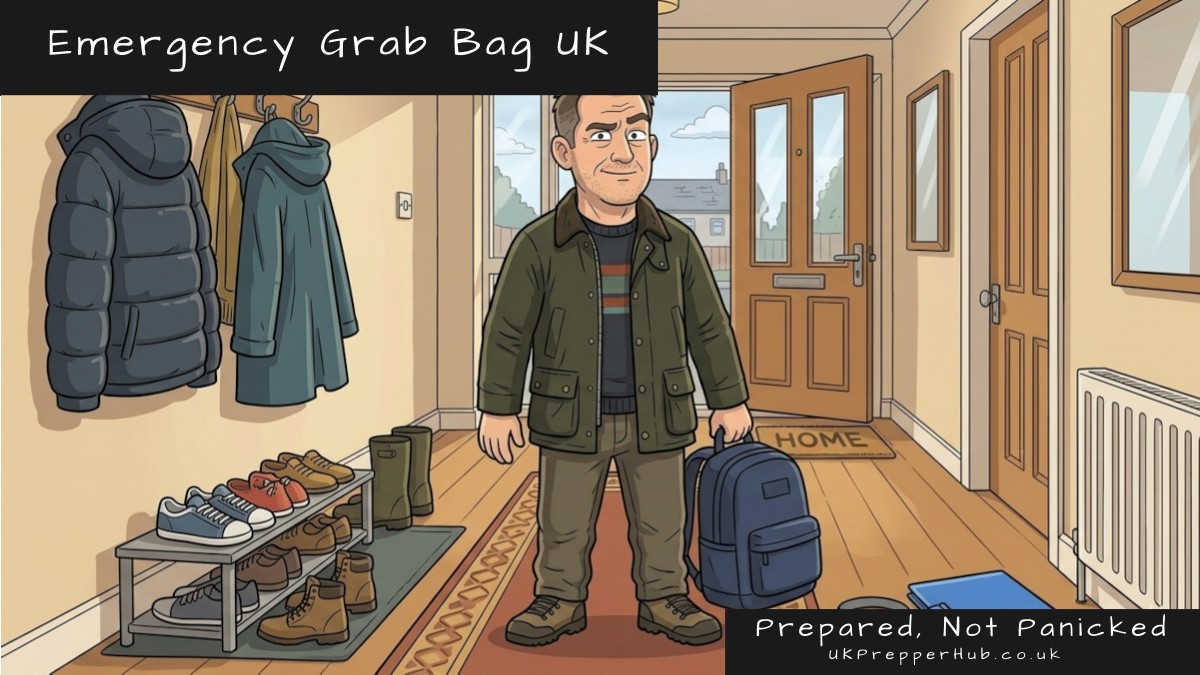
Most people in the UK will never need to grab a bag and leave their home in a hurry. But some will — and when it happens, it tends to happen fast. A house fire. A gas explosion two streets over. A flood that’s moving quicker than the forecast suggested. In those moments, your grab bag is the difference between leaving in ten minutes with everything you need and leaving in five minutes with nothing useful at all.
This grab bag UK guide builds a realistic kit — one designed for how British emergencies actually unfold, not how they look on American YouTube channels. When you’re told to evacuate in the UK, you’re almost certainly going to an emergency shelter: a local leisure centre, school hall, or church that your council has designated as a safe gathering point. The official term is a rest centre, but emergency shelter is what most people call it and what the signs usually say. Either way, it matters — because a bag built for an emergency shelter looks completely different to a bag built for surviving in the woods. The council provides the basics. Your bag covers what only you can bring.
If you’re looking to prepare for staying in your home rather than leaving it, that’s a different setup — covered below. The government’s Prepare campaign also recommends having a grab bag ready for emergencies.
Complete Guide
Home Emergency Kit
The no-nonsense guide to building a home emergency kit that actually works — eight essentials, realistic costs, and a clear steer on what you don’t need.
Read the Full Guide: Home Emergency Kit →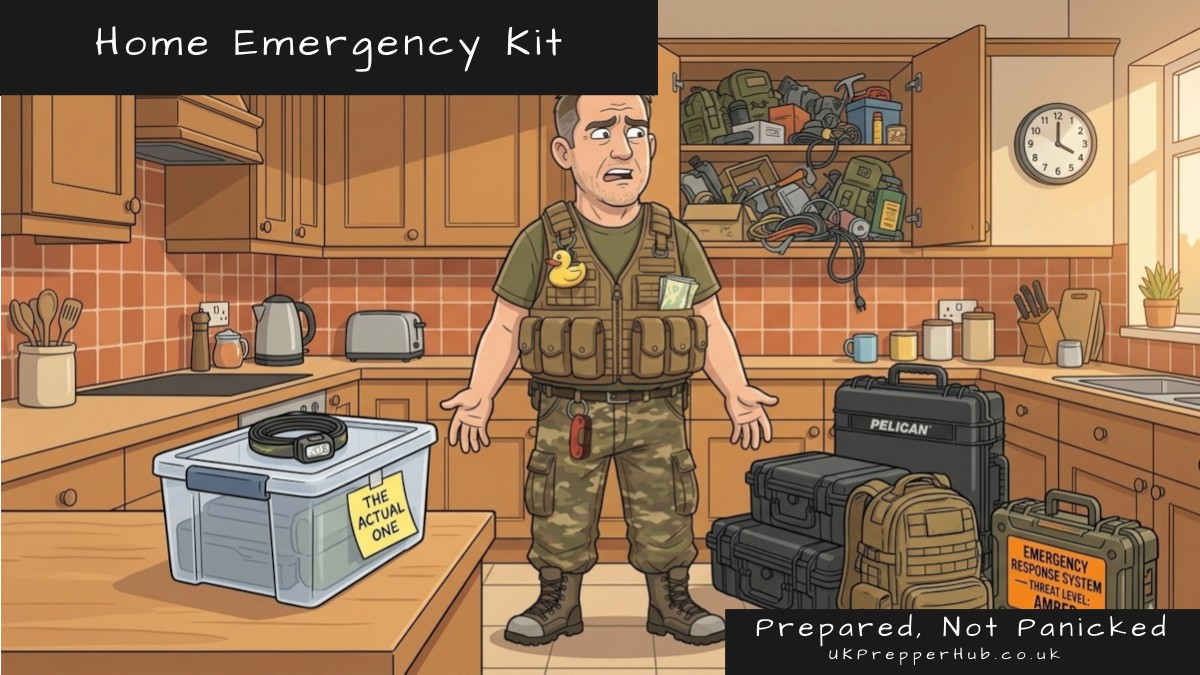
What Emergency Shelters Actually Provide
Understanding what the shelter gives you is the key to packing a light, practical grab bag rather than an overstuffed rucksack that you’ll dread carrying. Local Authority emergency shelters in the UK are typically set up to provide:
- Somewhere warm and dry to sleep (camp beds or floor space with blankets)
- Hot drinks and basic food
- Drinking water
- Basic first aid coverage
- Information about what’s happening and when you can go home
What they cannot provide is anything specific to you: your medication, your children’s comfort items, your important documents, or the phone charger your particular phone needs. That’s what your grab bag is for. Everything else is covered. Pack accordingly.
Choosing Your Grab Bag
A 20–30 litre rucksack is the right size — roughly a standard school bag. Large enough to hold everything on this list, small enough to carry at pace while potentially also managing a child, a pet carrier, or an elderly relative.
Neutral colour. No tactical webbing, no MOLLE attachment points, no anything that makes you look like you’ve watched too many survival videos. You’re walking into a school hall with stressed council staff and anxious neighbours. A plain navy or grey rucksack is invisible. A military surplus pack with a carabiner collection is not.
Every capable member of the household should have their own bag. Children from around age seven or eight can carry a small bag with their own change of clothes, a comfort item, and something to keep them occupied. It gives them a sense of agency in an unsettling situation and reduces what you’re carrying.
Light and Power — The Most Important Items in the Bag
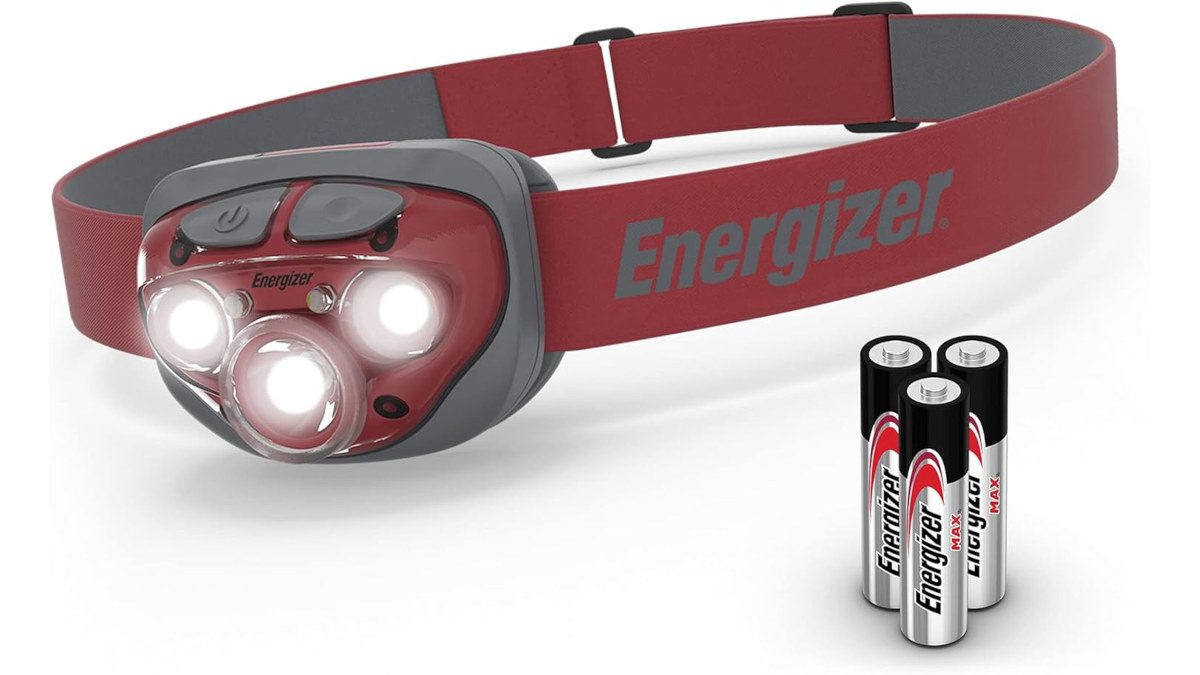
A head torch is the single most useful item in any grab bag — not a hand torch. You need both hands free when you’re packing in a hurry, navigating an unfamiliar building in the dark, or settling children into a noisy hall. A hand torch is the inferior choice in every scenario that counts. Keep it at the top of the bag where you can grab it without searching.
Energizer Vision HD+ Head Torch
Is this the most versatile head torch for your kit? Does it deliver what it promises? Does it have longevity?
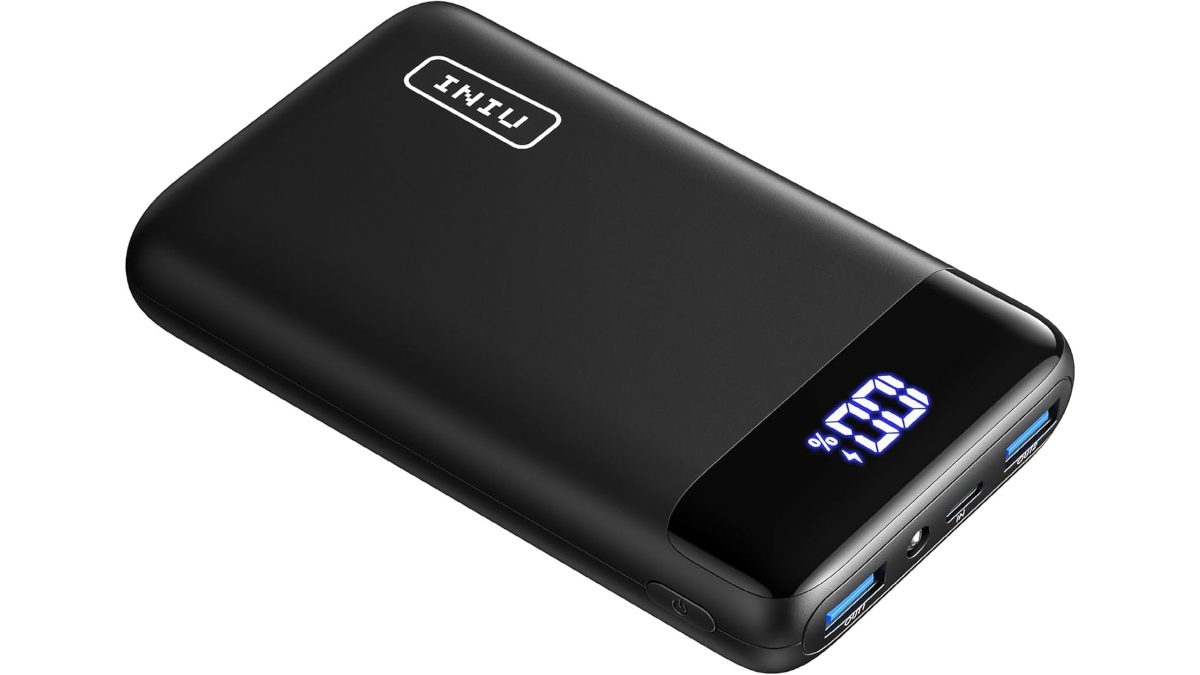
Most emergency shelters will have power available, but the reality is a hall of stressed people all fighting for the same twelve sockets. A 20,000mAh power bank gives you two to three days of phone life without needing wall access — and your phone is your connection to family, to news, and to the 105 helpline. Bring the actual wall plug adapter too, not just a cable: shelter sockets are standard UK three-pin, not USB ports.
INIU 20,000mAh Power Bank
We tested it so you don’t have to — here’s the one thing most power banks get wrong, and why this one doesn’t.
Kuulaa Magnetic Charging Cable
Pack of two cables (2m + 1m) – 6 magnetic tips (2 USB micro, 2x USB-C, 2x Lightening). Two cables, three connector types, every device in the house — snap on, charge anything, snap off.
Our Full Review: Kuulaa Magnetic Charging Cable →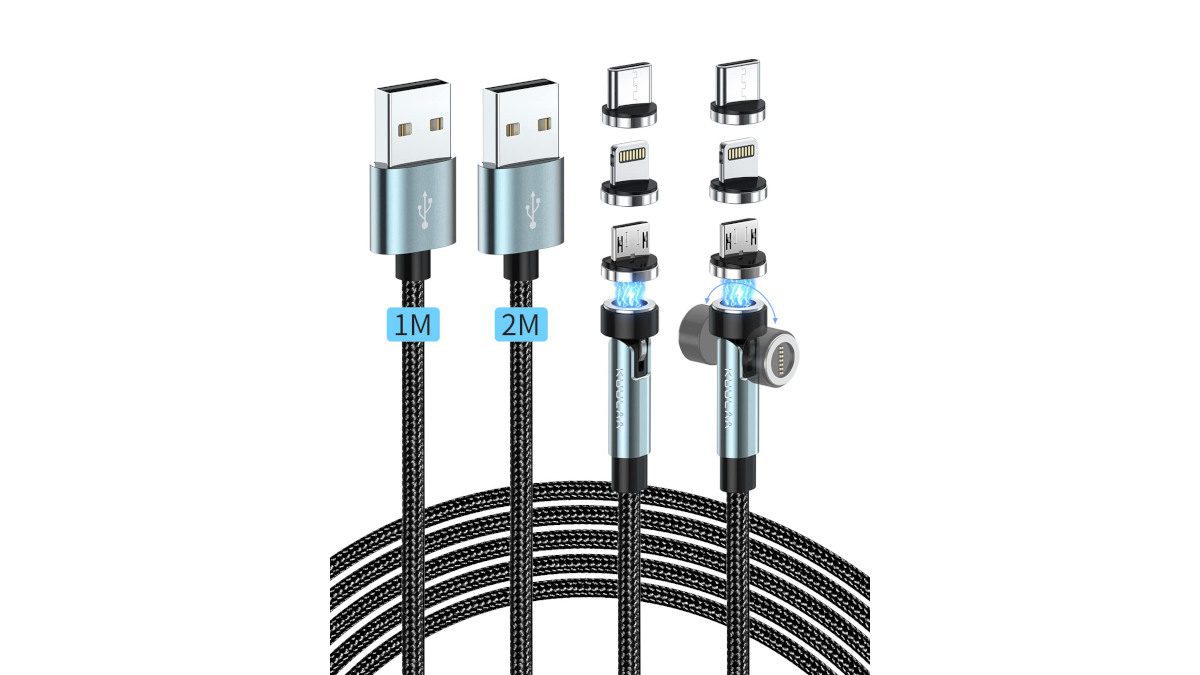
Water and Food
The shelter will provide drinking water and basic food, so you don’t need three days of rations. What you do need is enough to keep you going during the journey and the first hour or two before everything is organised. A refillable 750ml to one litre bottle — something with a secure screw cap so it doesn’t leak inside your bag — is sufficient. It’ll keep you going until the shelter is set up, and you can refill from there.
For food, pack energy-dense and compact. A handful of cereal bars, a bag of trail mix, some dried fruit. The council will sort you out with something hot once the kitchen is running, but that could be an hour or two away. Snacks that don’t need preparation and travel well are what you want — not a three-day food parcel.
The Best Energy Bars for Your UK Emergency Kit
What are the best brands, and which should you choose? A look at the main 5 brands available in the UK. Five genuinely different options for different dietary needs and use cases
Our Full Review: The Best Energy Bars →
Your Documents and Cash — The Recovery Kit
This section is the one most people forget, and it’s the most important for what comes after. If your home becomes inaccessible — or worse, uninhabitable — these are the documents that help you prove who you are, claim on your insurance, and access financial support. Pack them in a waterproof A4 document folder with a zip or velcro closure. Snap-button closures fail when a folder is fully packed; avoid them.
What to include:
- Photocopies (or printed photos) of passports, driving licences, birth certificates
- Home and car insurance policy numbers and emergency claim phone numbers
- A physical contact list — family, GP, vet, any carers. Do not rely on your phone’s contacts if the battery dies
- Spare house and car keys
- A notepad and pen (you’ll need to take notes, give people your contact details, or leave messages)
Cash in small denominations — £50 to £100 in fives and tens. Card machines go down in a power cut. ATMs run out quickly in a crisis. Cash gets you a coffee, a phone charger from a corner shop, or a taxi when nothing else is working.
Complete Guide
Protecting Your Important Documents
ost fireproof boxes don’t take A4. Most fireproof wallets don’t work. This guide covers what to actually buy, how to add digital backups, and how to waterproof your documents for 20p.
Read the Full Guide: Protecting Your Important Documents →
Health and Medication
An emergency shelter will have first aid provision, but it cannot give you your prescription medication, manage your specific health needs, or prove to an emergency GP that you have a legitimate prescription. This section of your grab bag is non-negotiable for anyone on regular medication — and that includes inhalers, insulin, heart medication, antidepressants, and anticoagulants.
- A seven-day supply of all prescription medication
- Printed copies of your prescriptions to show emergency medical staff
- Spare glasses or contact lenses and solution
- Basic over-the-counter pain relief
- Any medical equipment that’s battery-powered: check it’s charged and has spare batteries
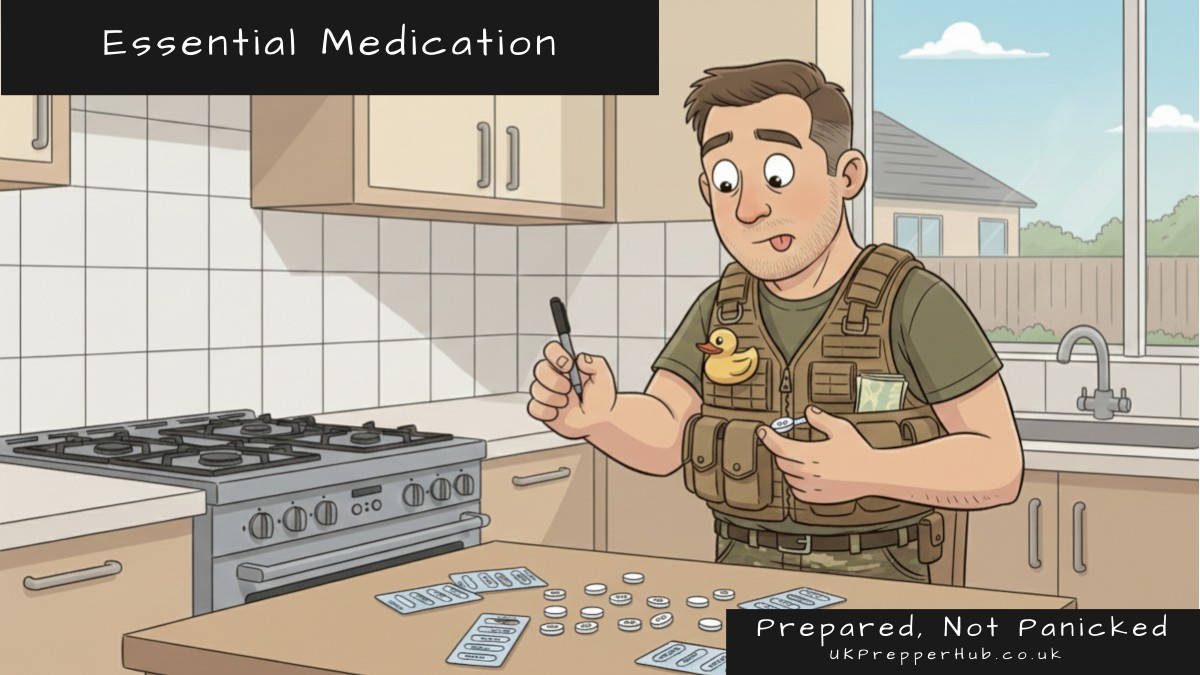
Complete Guide
Managing Essential Medication
This guide covers more detail on being prepared with essential medication for all emergency situations.
General Medi First Aid Kit
210 pieces, ISO 13485 certified, with a cold pack, emergency blanket, and moleskin pad included — the first aid kit that actually covers the scenarios a cheap chemist kit doesn’t.
Our Full Review: General Medi First Aid Kit →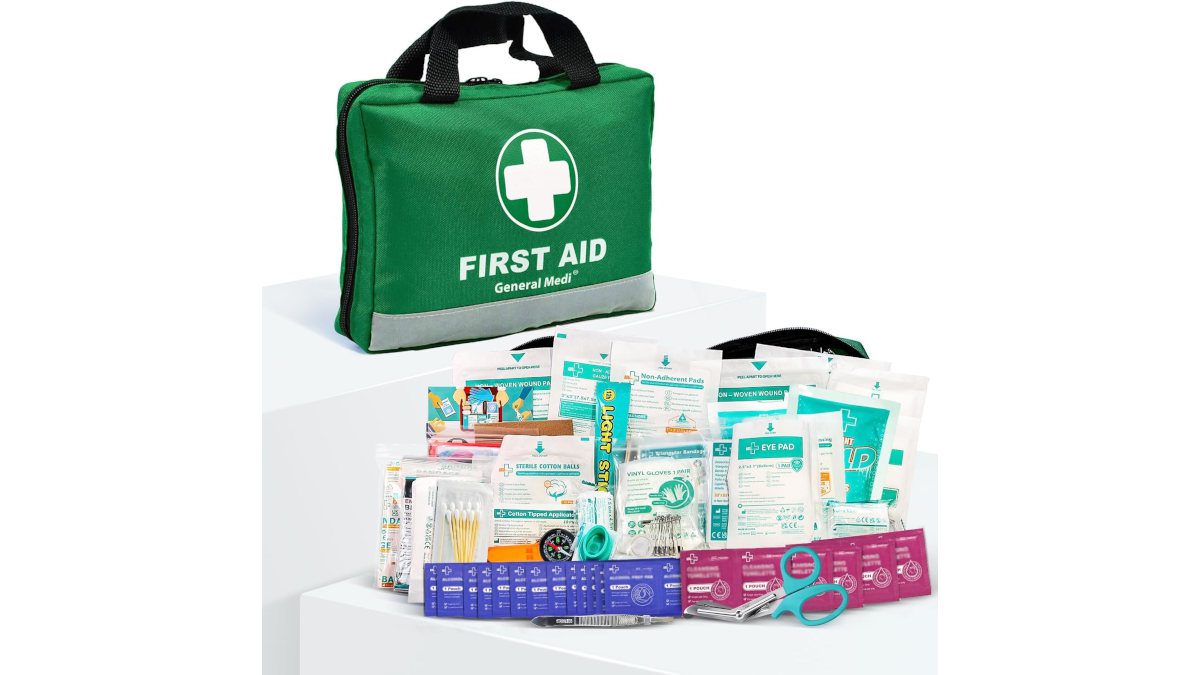
Emergency Radio and Communications
During a major incident, mobile networks regularly become congested — too many people in one area all trying to call or message at once, and the network buckles. When your phone signal drops and your data stops working, a hand-crank or battery-powered FM radio is how you find out what’s happening. BBC local radio carries emergency information during significant incidents, and it works when nothing else does.
One spec that most people miss: make sure it has a headphone jack. Broadcasting Radio 4 at full volume in a crowded, stressed hall at two in the morning is not a way to make friends. A headphone jack makes it usable without bothering fifty other people trying to sleep.
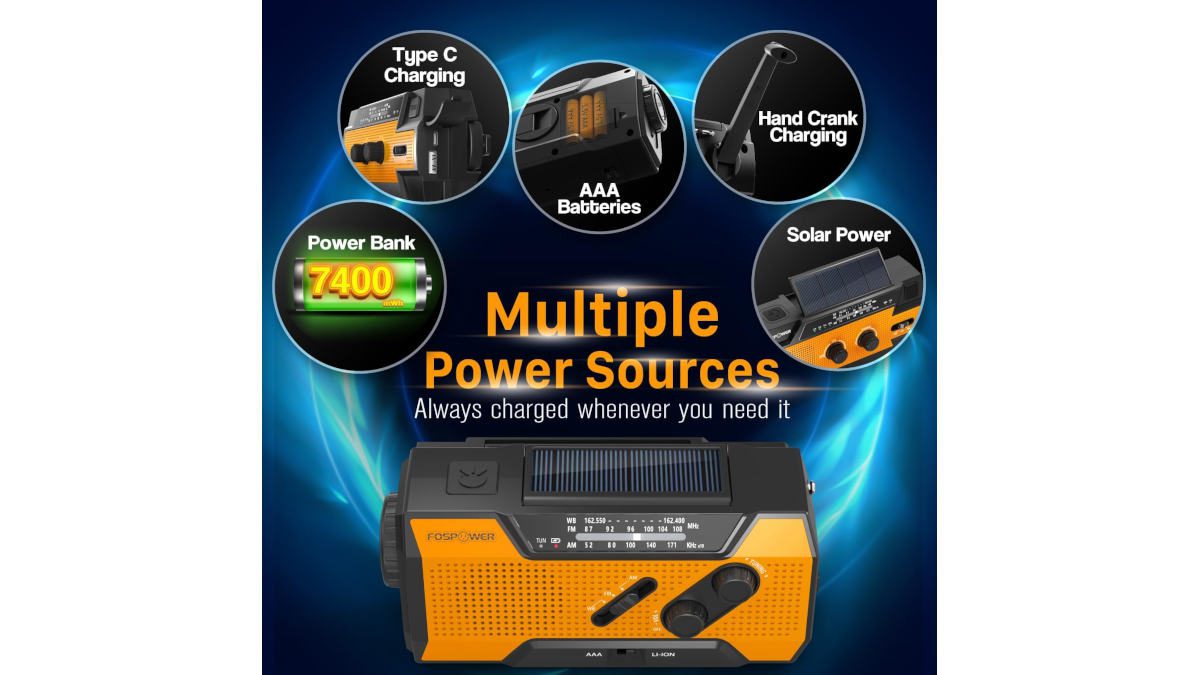
FosPower Emergency Radio
Most emergency radios have one or two power options. The FosPower has four, and that redundancy is the single most important feature for preparedness use.
Comfort and Clothing
Emergency shelters are noisy, brightly lit, and often cold. Camp beds on a sports hall floor with a foil blanket is the standard setup — functional, but not exactly restful. A few small additions make a significant difference.
Earplugs and an eye mask cost around £3 and take up almost no space. They are, genuinely, the difference between sleeping and a sleepless night in a hall that never fully quiets down. Pack them in a small zip bag at the top of your grab bag so you can find them without unpacking everything.
A single change of clothes — prioritise socks and underwear above everything else. Add a lightweight packable puffer jacket if you have one; they compress to almost nothing and provide more warmth than a blanket. A plastic poncho over a warm jacket turns it effectively waterproof for the walk to and from the shelter. Small, cheap, and worth having.

🤡 Camping Clown
He Has The £4,000 Version
I own the Montbell ultralight sleep system, the Thermarest NeoAir, and a backup inflatable pillow — for a church hall I think I over did it!
Hygiene Essentials
Shared facilities in an emergency shelter are exactly what you’d expect: limited, busy, and not always clean. In a hall of stressed people, viruses spread quickly. Antibacterial hand gel is genuinely important, not just a nice-to-have. Wet wipes cover the gap between proper showers — a “sponge bath” in a shelter bathroom isn’t glamorous but it keeps you functional. Add a small camping towel (microfibre, packs tiny), basic toiletries — toothbrush, toothpaste, deodorant — and you’re covered.
Keeping Children Occupied
Evacuations are roughly five per cent panic and ninety-five per cent waiting. For children, the waiting is the hardest part — a bright, noisy, unfamiliar place with no explanation of when things will go back to normal. The right preparation here isn’t food or clothing; it’s something to do.
Small colouring books, a pack of crayons, a simple card game like Uno. Lightweight, cheap, and capable of providing hours of distraction. A favourite small toy or comfort item for younger children. The key rule: don’t rely on phones and tablets. Once the battery goes, the crying starts. Physical activities keep working regardless of signal, charging, or Wi-Fi — all of which are unreliable in a shelter.
Your Pets and Emergency Shelters
UK council policies on pets in emergency shelters vary, and the honest answer is: many do not allow pets in the main hall. Some have a separate room or area for animals. Some expect you to arrange kennels. A few are more flexible. The time to find this out is now, not while you’re standing at the shelter door with a dog and no plan.
Check your local authority’s emergency planning page before you need it. Identify a friend or family member outside your area who could take your pet if the shelter won’t. Find your nearest kennels or cattery and save the number in your phone and on paper.
If your pet is coming with you, the muzzle rule catches people out. Even the most placid dog can snap when stressed, surrounded by strangers in an unfamiliar environment. Many councils require dogs to be muzzled to enter any public building. Pack a comfortable, well-fitting muzzle — and make sure your dog has worn it before. An emergency is the wrong time to introduce it for the first time.
What to pack for pets:
- Sturdy carrier for cats and small animals
- Lead, harness, and muzzle for dogs
- Microchip number and vaccination records
- At least 48 hours of food
- A collapsible bowl
- A photo of yourself with your pet (useful for proving ownership)
- Any medication your pet takes
SOL Collapsible Dog Bowl
Folds flat, clips to a lead or bag loop, and holds a full drink for a medium dog. Weighs almost nothing. If you’re evacuating with a dog, this goes in the grab bag without a second thought.
Our Full Review: SOL Collapsible Dog Bowl →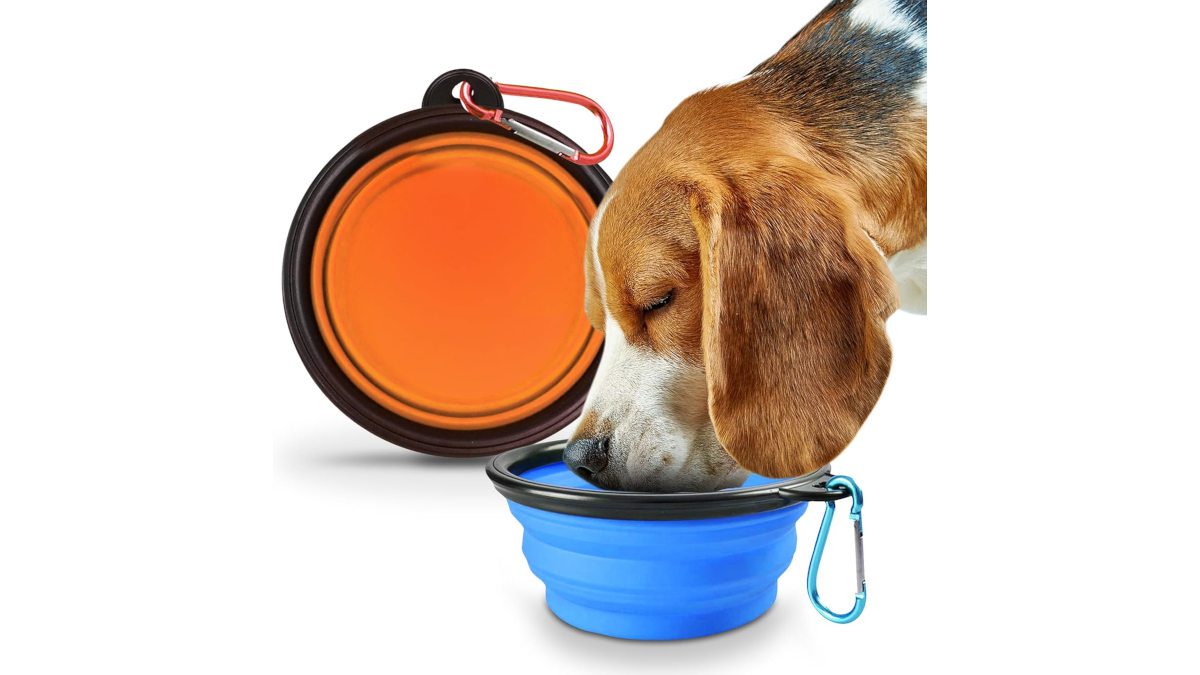
Complete Guide
Animals in Extreme Weather
our pets can’t tell you they’re struggling — and by the time the signs are obvious, it’s often already serious. This guide covers dogs, cats, rabbits and guinea pigs in heat and cold: heatstroke signs, the pavement test, frozen Kong treats, breed-specific coats, rock salt risks, and what to do in an emergency.
Read the Full Guide: Animals in Extreme Weather →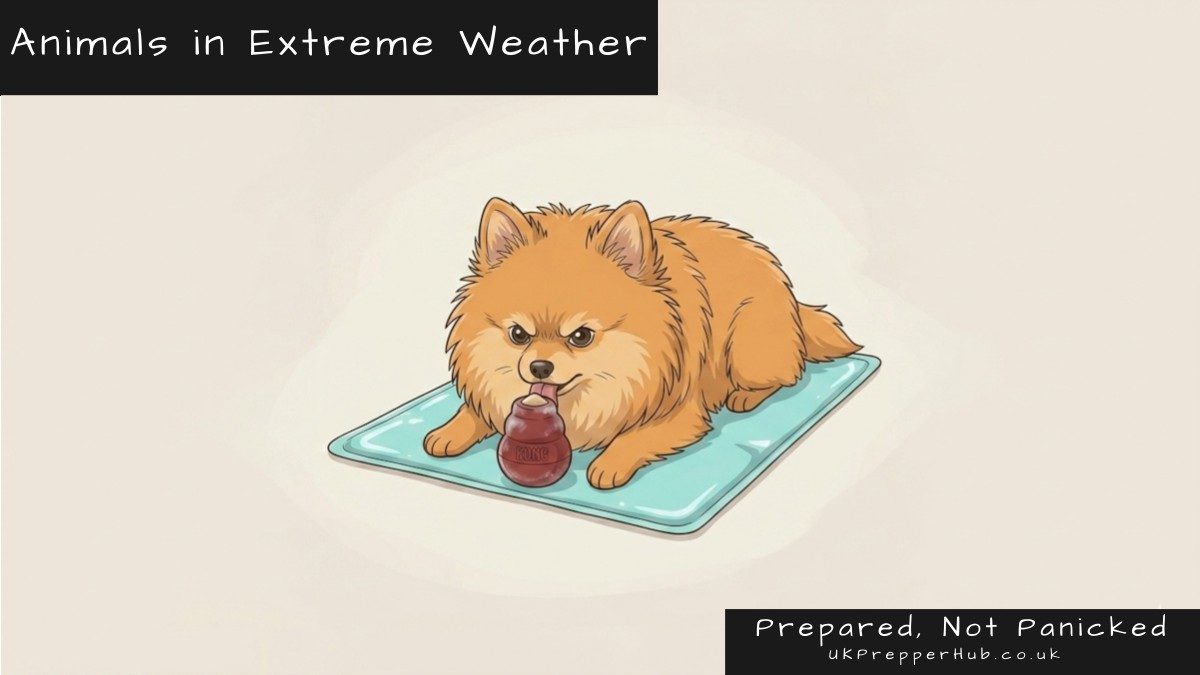
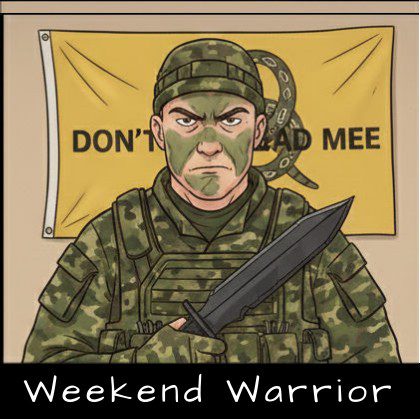
🐾 Weekend Warrior
Pet Tip
Pickle’s bug-out carrier, three days of kibble, comfort blanket, and favourite Kong — the muzzle took some negotiating, she was not best pleased, but we practised
What to Leave Out
This is worth its own section, because the internet will tell you to pack things that will actively cause problems in a UK emergency shelter.
Cooking stoves: The council provides hot drinks and food. A gas stove is a fire hazard in a hall and will be confiscated immediately.
Weapons of any kind: Large knives, machetes, axes. These will be confiscated and may result in police involvement. The shelter is not a wilderness scenario.
More than a litre of water and a few snacks: Heavy, unnecessary, and already provided.
Tactical gear: Vests, plate carriers, anything that looks like body armour. You’re attending a community emergency response, not a military operation.
The entire contents of your prepper shelf: If you have to ask whether it belongs in a grab bag, it probably doesn’t. Light, targeted, and specific to your household’s needs — that’s the standard.
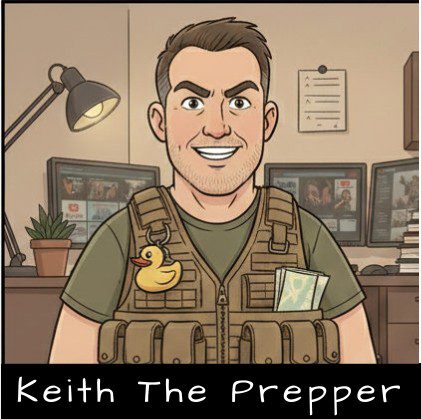
🦆 Keith
Don’t Be Keith
Keith packed a machete, a camp stove, 14 days of freeze-dried rations, a tactical vest, and a water filtration system rated for field deployment. He’d done a lot of research. The Wolverhampton leisure centre emergency shelter did not have a dedicated decontamination airlock. He was visibly disappointed.
Your Grab Bag UK Checklist
The bag: 20–30L rucksack, neutral colour, padded straps
Light: Head torch at the top of the bag
Power: 20,000mAh power bank, cables, wall plug adapter
Water: Refillable 750ml–1L bottle
Food: Energy bars, trail mix, cereal bars — 24 hours’ worth
Documents: IDs, insurance, contact list in waterproof folder
Keys: Spare house and car keys
Cash: £50–£100 in fives and tens
Medication: Seven-day supply, prescription copies
Radio: Hand-crank FM with headphone jack
Comfort: Earplugs, eye mask, change of clothes, poncho
Hygiene: Wet wipes, hand gel, toothbrush, deodorant, small towel
Kids: Comfort item, colouring book, small card game
Pets: Carrier, lead, muzzle, food, vaccination records, collapsible bowl
Frequently Asked Questions
What’s the difference between a grab bag and a 72-hour kit?
A grab bag is built for evacuation to an emergency shelter — usually 24 to 48 hours, with the council providing food, water, and shelter. A 72-hour kit is designed to keep you self-sufficient if no outside help is available at all. For most UK households, a well-packed grab bag covers the realistic scenario. The 72-hour kit is for situations where no support is coming.
How heavy should a grab bag be?
Light enough to carry at pace for ten to fifteen minutes without stopping. A rough guide is no more than ten per cent of your body weight. If you pick it up and think “I couldn’t run with this,” it’s too heavy. Pack everything on this list and you should be well under that threshold.
Should I keep my grab bag packed all the time?
Yes, but check it twice a year — April and October works well, tied to the clock changes when you’re already checking smoke alarms. Medication expires. Food goes stale. Power banks discharge. A bag you haven’t checked in two years is not a reliable grab bag.
Can I take my pet to an emergency shelter?
Policies vary by local authority. Many don’t allow pets in the main hall. Check your council’s emergency planning page now, before you need it — and have a backup plan (a friend outside the area, a local kennels number saved on paper) if the answer is no.
What’s the best bag to use as a grab bag?
A plain 20–30 litre rucksack in a neutral colour. No tactical features, no military styling. Something you’d comfortably take to work or carry on a day out. Go Outdoors and Blacks both stock good options in the £20–£35 range. You don’t need to spend more than that.
Do I need a different grab bag for each member of the household?
Every capable adult should have their own. Children from around age seven can carry a small bag with their clothes, comfort items, and entertainment. Putting everything in one bag and hoping one person carries it out is a plan that falls apart the moment that person isn’t home when the emergency happens.
Build Your Resilience
Further Reading: Related Guides
- Home Emergency Kit
- Home Evacuation Plan
- Bug-In vs Bug-Out
- Managing Essential Medication
- Protecting Your Important Documents
- Power Bank & Battery Strategy
- Emergency Radio Guide
- Animals in Extreme Weather
All our guides can be found listed on our resilience hub.
Gear We’ve Tested & Reviewed
- Energizer Vision HD+ Head Torch
- INIU 20,000 mAh Power Bank
- FosPower Emergency Radio
- The Best Energy Bars
- SOL Collapsible Dog Bowl
- SentrySafe 1160 Fireproof Safe Box
- First Aid Manual 11th Edition
- Kuulaa Magnetic Charging Cable
- General Medi First Aid Kit
All our reviews can be found on our reviews and resources page.