
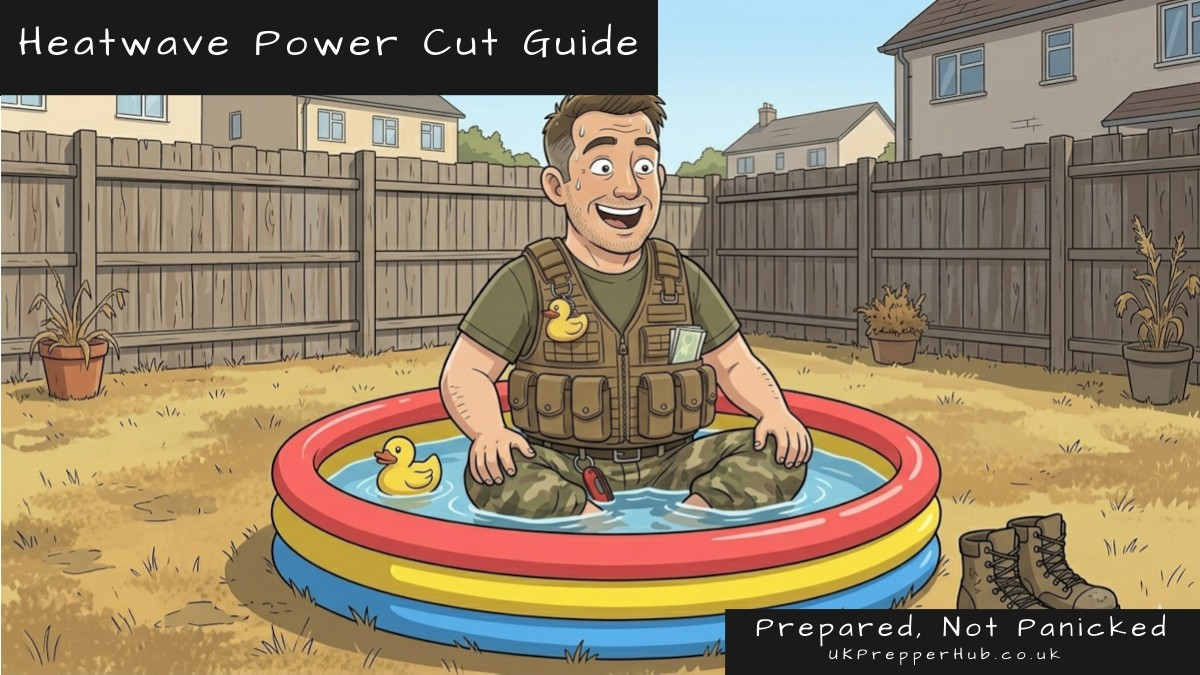
A summer heatwave and a power cut are bad enough on their own. Together, they are a serious household risk — and they tend to arrive together. When temperatures rise, electricity demand spikes as the entire country reaches for fans and portable air conditioning units simultaneously. That puts strain on the grid at exactly the moment it can least afford it. Transformers overheat. Local outages become more likely.
If your power cuts during a heatwave, you lose your fans, your fridge, and your ability to cool down quickly. This guide covers what to do — in priority order — before, during, and after it happens.
Staying Cool Without Power
The instinct when it gets hot is to close windows and draw curtains. This is exactly wrong. Managing heat without power is about airflow, timing, and stopping heat from entering in the first place — not trapping cool air that isn’t there.
Stop the Heat Before It Gets In
The single most effective thing you can do is intercept solar heat before it passes through your windows. Once sunlight hits glass, the energy converts to heat inside the room — a blind or curtain on the inside does almost nothing at that point. The barrier needs to go on the outside.
A cheap foil-backed foam camping mat — the thin kind available for a few pounds at any outdoor shop or supermarket — taped to the outside of south-facing windows reflects the sun before it enters. It also insulates the window from the outdoor temperature. Duct tape holds it in place. It is not decorative. It works considerably better than anything you hang inside.

🦆 Keith
Don’t Be Keith
Keith hung his reflective mat inside the window. It looked very neat. His south-facing living room hit 34°C by 2pm. The barrier goes on the OUTSIDE — that’s where the sun is.
Cross-Ventilation — Open the Right Windows
In the early morning before temperatures rise, open windows on opposite sides of the house to create a through-draught. As soon as the outdoor temperature exceeds your indoor temperature — typically mid-morning in a heatwave — close everything up. You are now preserving the cool air you captured overnight.
At night, reverse it: open windows again once outdoor temperatures drop below indoor. In most UK heatwaves, nights cool enough to make this worthwhile by 11pm or midnight.
The Cool Room Strategy
Do not try to keep the whole house cool — it is not possible without mechanical cooling. Pick one north or east-facing room, keep the door closed, and focus your efforts there. North-facing rooms receive no direct sunlight. East-facing rooms get morning sun only and are cooler by afternoon. This is your refuge for the hottest part of the day.
Physical Cooling
- Wet a thin cotton cloth or flannel and drape it on the back of your neck — the blood vessels close to the skin surface there cool your whole body temperature quickly
- Wet socks in cool water work on the same principle via the feet
- A lukewarm shower — not cold — is more effective. Cold water causes blood vessels to constrict and can actually trap heat in your core
- Loose, light-coloured natural fabrics (cotton, linen) breathe far better than synthetics
Fridge and Freezer Management
Your fridge and freezer are your biggest immediate concerns when the power cuts in hot weather. How long food stays safe depends almost entirely on one thing: how often you open the door.
Keep the Door Closed
A closed fridge maintains a safe temperature for approximately 4 hours after power loss. A closed freezer holds for 24–48 hours depending on how full it is (a full freezer holds temperature longer — the frozen mass acts as a thermal buffer). Every time you open the door you lose that buffer. Decide what you need before you open it. Get it. Close it.
Prioritise What Comes Out First
- Insulin and other cold-chain medication — remove immediately and follow the guidance in the next section. This comes first, before food.
- Raw meat and fish — if the power has been off more than 2 hours in a heatwave, cook it immediately or discard it
- Dairy — milk, soft cheese, and yoghurt spoil quickly; use or discard within 4 hours
- Hard cheese, butter, eggs, condiments — these are more stable and can stay in the closed fridge longer
The Smell Test Is Not Reliable
Food that has spoiled does not always smell or look different. In a heatwave power cut, use time as your guide, not your nose. When in doubt, bin it. Food poisoning on top of heat exhaustion is not a combination you want to manage.
Medication That Needs Refrigeration
This is the section most guides skip. It should be near the top of every heatwave checklist.
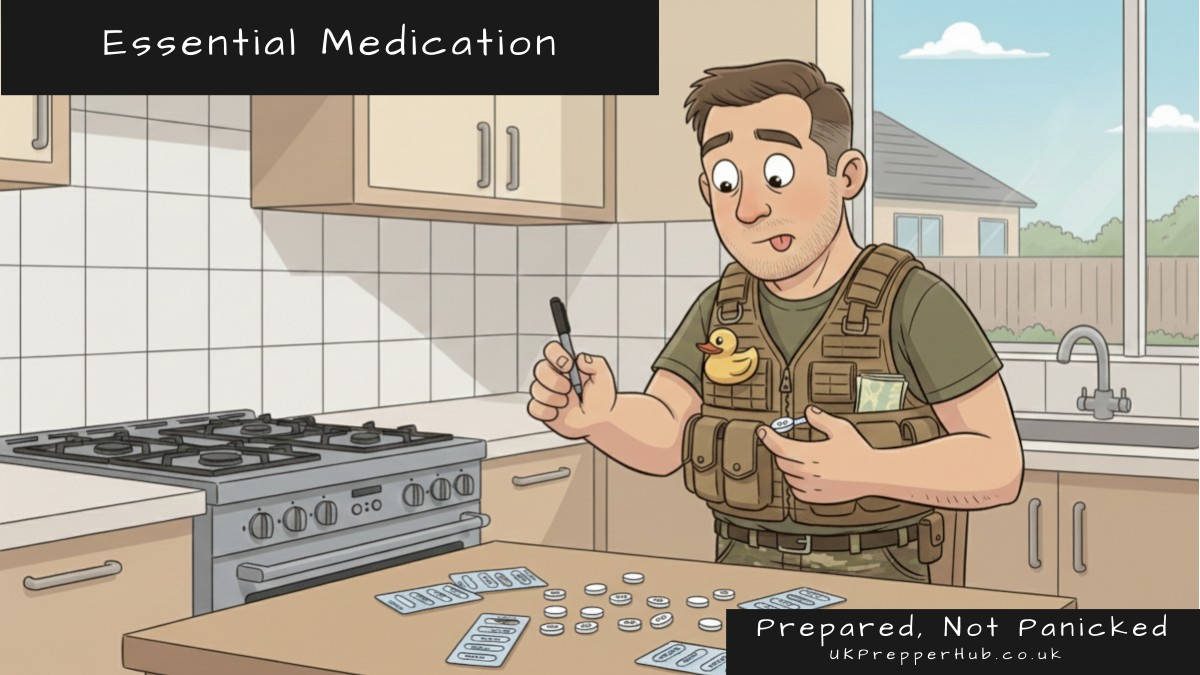
Insulin is the most widely known example — it must be kept below 25°C once opened, and between 2°C and 8°C when unopened and in storage. In a heatwave power cut, an open vial on the kitchen counter can exceed its safe temperature limit within hours. Other medications that require refrigeration include some biologics, certain eye drops, and some liquid antibiotics.
What To Do If the Power Cuts
- Move refrigerated medication to a cool bag with ice packs immediately — do not wait to see how long the outage lasts
- Keep insulin away from ice packs directly — it should not freeze. Wrap it in a cloth if stored alongside ice
- Know your medication’s specific temperature tolerance — check the Patient Information Leaflet or ask your pharmacist in advance, not during an emergency
- If you are unsure whether medication has been compromised, contact NHS 111 before using it
FRIO Insulin Cooling Wallet
Keeps insulin at safe temperature for 45 hours using only water — no electricity, no ice, no power required. Tested by the British Medication Devices Evaluation Unit and recommended by UK hospitals.
Our Full Review: FRIO Insulin Cooling Wallet →
For a full guide to managing essential medication through power cuts, supply disruptions, and extreme weather:
Complete Guide
Managing Essential Medication
This guide covers more detail on being prepared with essential medication for all emergency situations.
Who Is Most at Risk
Heat is not equally dangerous to everyone. The following groups are at significantly higher risk of heat-related illness during a heatwave and should be checked on regularly:
- Over-65s — the body’s ability to regulate temperature reduces with age; sweating mechanism becomes less effective
- Babies and young children — cannot regulate their own temperature and cannot communicate distress clearly
- People with heart or respiratory conditions — heat increases cardiovascular strain significantly
- People on certain medications — diuretics, antihistamines, beta-blockers, and antipsychotics all affect heat tolerance or fluid balance
- People working or exercising outdoors — physical activity in heat dramatically increases risk
The UKHSA issues Heat Health Alerts for England during periods of sustained high temperature. These run from Level 1 (year-round preparedness) to Level 4 (national emergency). At Level 3, the NHS activates its heatwave response and GPs and care services are on alert. Monitor the UKHSA Heat Health Alerts page during hot spells.
Heat Exhaustion and Heat Stroke — Know the Difference
Heat exhaustion is serious. Heat stroke is a medical emergency. The distinction matters because the response is different.
Heat Exhaustion
- Heavy sweating, pale and clammy skin
- Fast, weak pulse
- Nausea, dizziness, headache
- Muscle cramps, fatigue
Response: Move to a cool place immediately. Lay them down, raise their feet slightly. Give cool water to drink if they are conscious and able to swallow. Apply cool wet cloths to skin. If they do not improve within 30 minutes, call 999.
Heat Stroke
- High body temperature — 39°C or above
- Hot, red, dry or damp skin
- Rapid, strong pulse
- Confusion, slurred speech, loss of consciousness
Call 999 immediately. Heat stroke is life-threatening. While waiting for emergency services, move the person to a cool area, remove excess clothing, and cool them rapidly with whatever is available — wet sheets, ice packs to armpits and neck, fanning.
Keeping Devices Charged
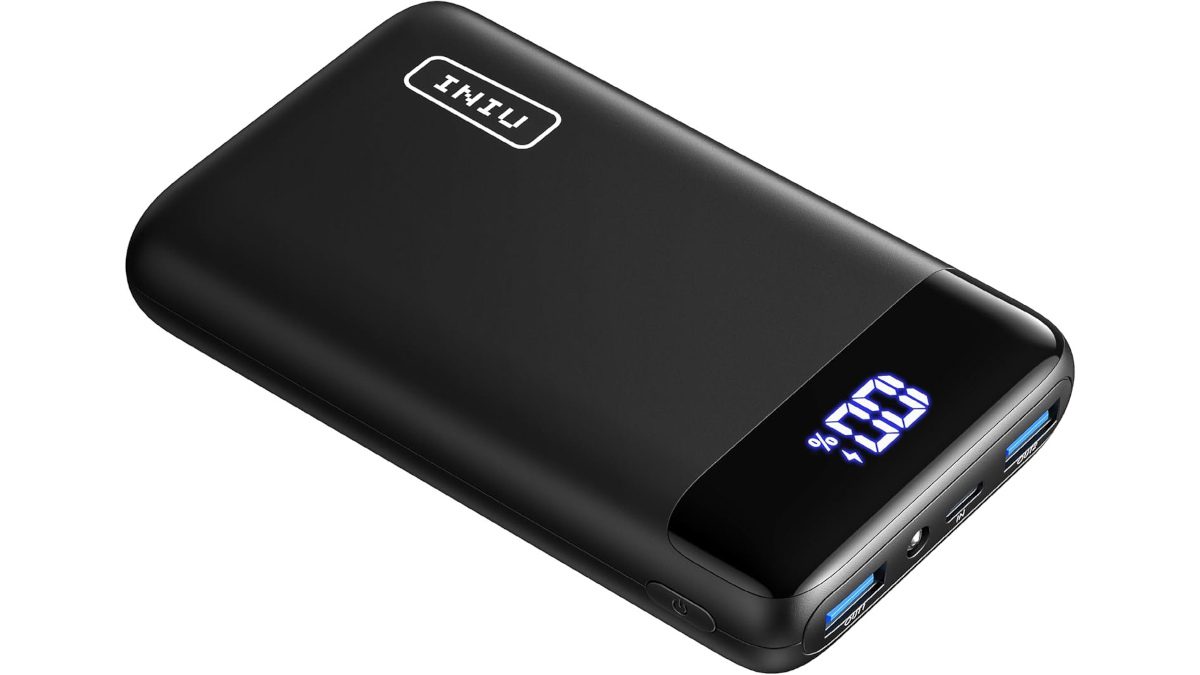
A power cut in a heatwave drains your phone faster than usual — screen brightness up, fans running on battery packs, weather apps refreshing. A fully charged power bank before a heatwave is the same logic as filling the car before a storm: do it before you need it, not during.
Priorities for your power bank in a heatwave cut: phone first (emergency calls, NHS 111, weather alerts), then any medical devices, then a USB-powered fan if you have one. Conserve everything else.
INIU 20,000mAh Power Bank
We tested it so you don’t have to — here’s the one thing most power banks get wrong, and why this one doesn’t.
📋 Calm Clarissa
My printable power cut checklist has the power banks, cables and car charger, plus the torches for when a summer power cut runs into the night. Free to download, obviously.
Download the Free Checklist →Staying Informed During a Heatwave Power Cut
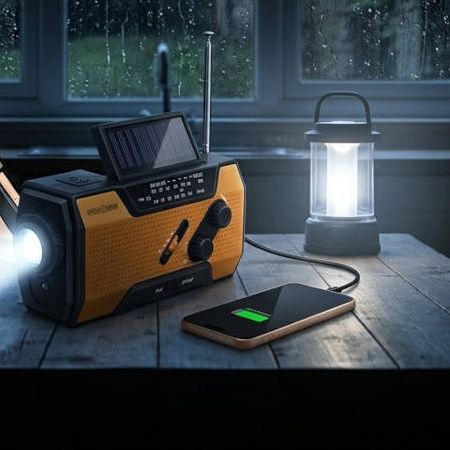
Mobile signal and internet are less reliable during widespread power cuts. A battery radio keeps you connected to UKHSA heat health updates, local emergency information from BBC local radio, and National Grid announcements — without depending on infrastructure that may itself be affected.
Tune to BBC Radio 4 FM (92–95MHz depending on your region). For regional incidents, find your local BBC station frequency and note it down before you need it.
FosPower Emergency Radio
Most emergency radios have one or two power options. The FosPower has four, and that redundancy is the single most important feature for preparedness use.
When the Power Cuts at Night
A power cut at night during a heatwave is uncomfortable in a specific way — you need light to navigate but every light source that runs on mains power is out, and the last thing you want in a hot room is a battery lamp generating additional heat. LED torches run cool and are the right tool here.
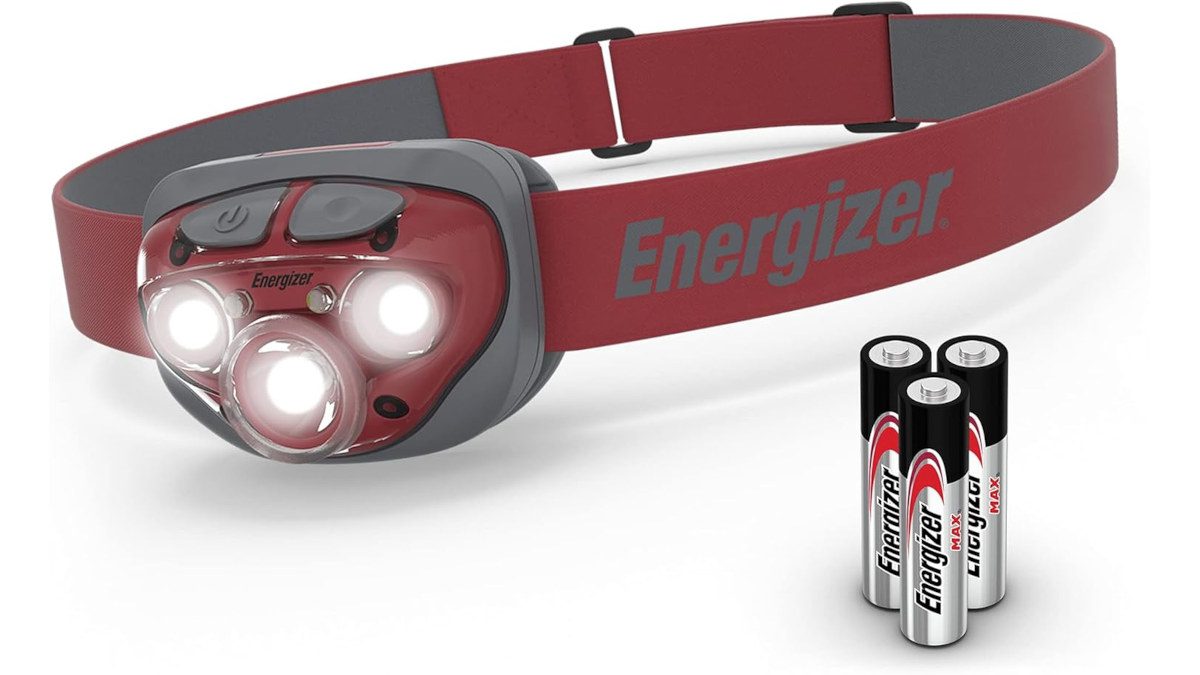
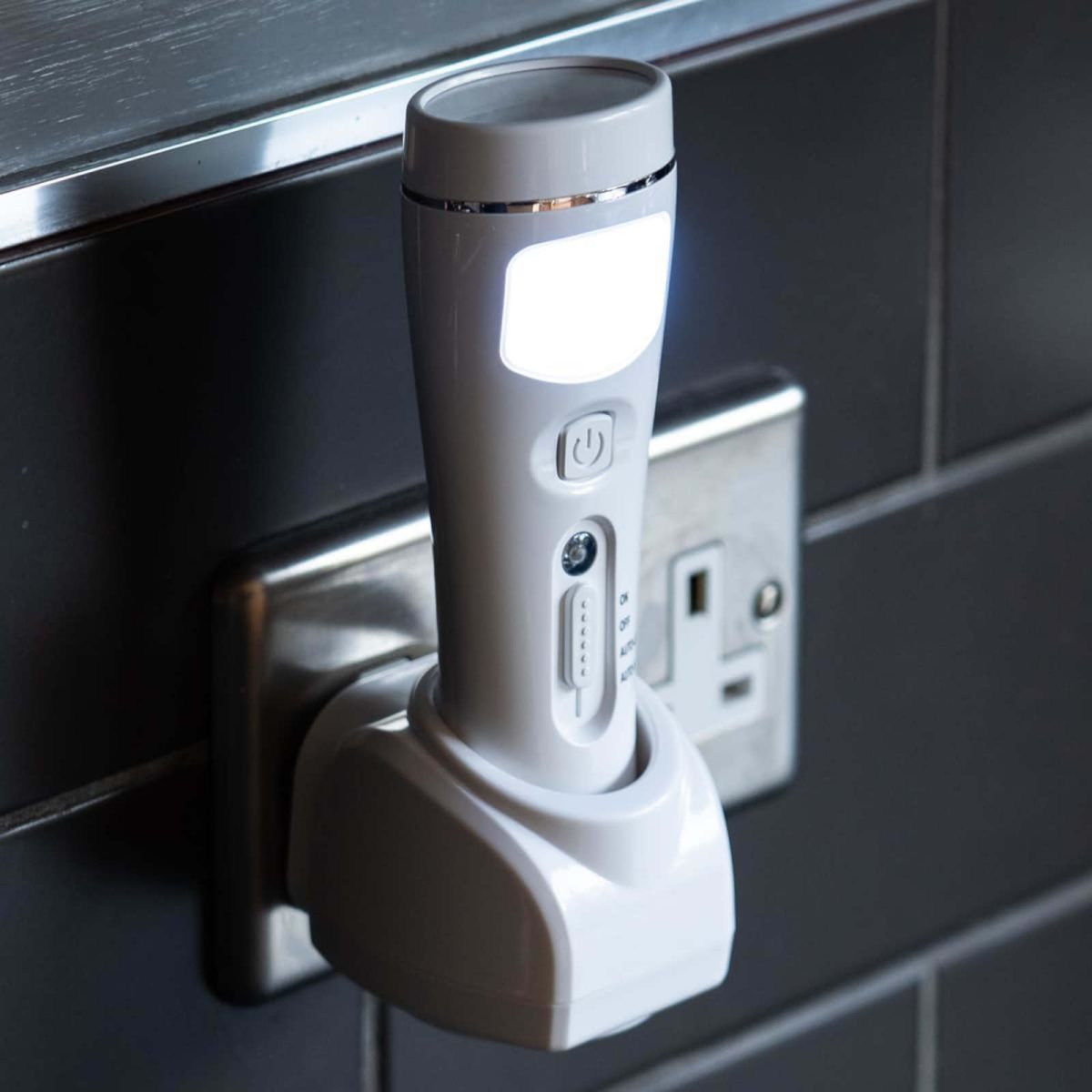
Keep a head torch in a fixed location — somewhere you can find it in the dark without moving things. A head torch frees both hands for opening the fridge quickly, checking on children, or moving around safely. A plug-in nightlight with a built-in battery backup illuminates automatically the moment the power cuts, requiring no action from you at all.
Energizer Vision HD+ Head Torch
Is this the most versatile head torch for your kit? Does it deliver what it promises? Does it have longevity?
XtraLite NiteSafe
The NiteSafe is a dual-function device that works as both a plug-in nightlight and an emergency torch. It sits in a standard UK plug socket, charges continuously, and the moment mains power fails, it automatically illuminates.
Sleeping in Extreme Heat Without Power
Sleep is where heat risk accumulates. Core body temperature needs to drop slightly to initiate and maintain sleep — in extreme heat without a fan, this becomes genuinely difficult, particularly for the elderly and young children.
- Cool your body before bed — lukewarm shower, cool wet cloth on neck and wrists, cool feet in a basin of water for ten minutes
- Egyptian cotton or linen sheets only — synthetic bedding traps heat. In extreme cases, a damp cotton sheet over you is more effective than any fabric
- Sleep lower — heat rises. A mattress on the floor of a north-facing room is genuinely cooler than an upstairs bed
- Open windows once outdoor temperature drops below indoor — typically late evening. A cross-draught while sleeping is more effective than any stationary fan
- Check on vulnerable household members overnight — elderly relatives and young children cannot always communicate heat distress
Frequently Asked Questions
How long does a fridge stay safe after a power cut?
A closed fridge maintains a safe temperature for approximately 4 hours after power loss. A closed freezer holds for 24–48 hours depending on how full it is. Every time you open the door you shorten that window. Decide what you need before you open it, get it in one go, and close it immediately.
Is it safe to eat food that was in a fridge during a power cut?
If the fridge was closed and the power was off for less than 4 hours, most food is still safe. Raw meat and fish are the highest risk — cook these immediately or discard. Do not rely on smell or appearance alone. In a heatwave, err on the side of caution and bin anything you are unsure about.
What should I do with insulin during a power cut heatwave?
Move it to a cool bag with ice packs immediately — do not wait to see how long the outage lasts. Keep insulin away from direct contact with ice (it should not freeze) by wrapping it in a cloth. If you are unsure whether it has been compromised by heat, contact NHS 111 before using it. Know your specific insulin’s temperature tolerance in advance — check the Patient Information Leaflet or ask your pharmacist.
Should I open windows during a heatwave?
Yes — but at the right times. Open windows in the early morning before temperatures rise to let cool air in. Close them once outdoor temperature exceeds indoor temperature, typically mid-morning. Reopen at night once outdoor temperatures drop below indoor. The goal is capturing cool air overnight and keeping it in during the day.
What is the difference between heat exhaustion and heat stroke?
Heat exhaustion involves heavy sweating, pale clammy skin, dizziness, and nausea — serious but manageable by moving to a cool place and drinking water. Heat stroke involves a high temperature (39°C+), hot red skin, rapid strong pulse, and confusion or loss of consciousness — this is a medical emergency. Call 999 immediately and cool the person rapidly while waiting for help.
Does putting a reflective mat inside the window help?
No — not meaningfully. Once sunlight hits the glass, the energy converts to heat inside the room. A blind or curtain inside the window stops light but not the heat the glass has already absorbed. The reflective barrier needs to go on the outside of the window to intercept solar heat before it passes through. A cheap foil-backed foam camping mat taped to the outside of south-facing windows makes a measurable difference.
Build Your Resilience
Further Reading: Related Guides
- How to Prepare for a Power Cut
- Managing Essential Medication
- Emergency Water Storage
- Heatwave Survival UK Guide
- 72-Hour Grab Bag
- Rechargeable vs Alkaline: Batteries for Emergency Kits
All our guides can be found listed on our resilience hub.
Gear We’ve Tested & Reviewed
- INIU Power Bank
- FosPower Emergency Radio
- Energizer Head Torch
- XtraLite NiteSafe
- Gritin Book Light
- OCOOPA USB Rechargeable Desk Fan
- FRIO Insulin Cooling Wallet
- Sukeen Cooling Towel
All our reviews can be found on our reviews and resources page.