
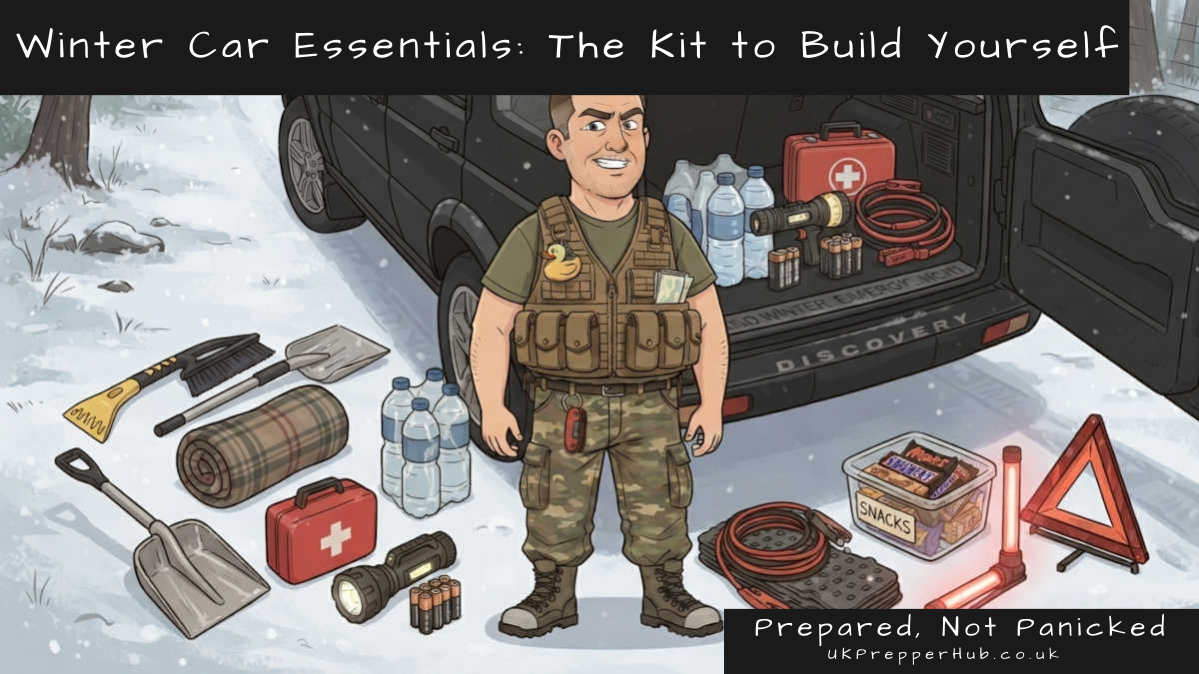
The first proper frost always catches someone out. A car that won’t start, a windscreen like frosted glass, or a queue of traffic going nowhere on a snowy A-road with the heater slowly losing the battle. These are the winter car essentials that turn that from a crisis into an inconvenience, and every one of them fits in the boot.
Here’s the big one before you spend a penny: don’t buy an all-in-one winter car kit. Build your own. Ready-made kits look like good value, but they’re usually cheaply made and the one thing you need most is often the weakest part of the bag. Building it yourself means you choose the quality of every item, you know exactly what’s in there, and you can add to it over a few paydays instead of all at once.
Below are the winter car essentials we’d keep in any car, split into the minimal basics and some suggested extras, with a price for each so you can see what the whole lot costs.
| Item | Price |
|---|---|
| The Minimal Basics | |
| Ice scraper and snow brush | £8.99 |
| Folding snow shovel | £20.98 |
| Foil blanket (or Heat Genie throw) | £2.62 (£34.99) |
| First aid kit | £17.00 |
| Bottled water (5 litres) | £1.82 |
| Torch, head torch and spare batteries | £37.99 |
| Jump leads (or NOCO jump pack) | £14.44 (£92.38) |
| Traction mats | £9.82 |
| Snacks and energy bars | Check price |
| LED road flares | £29.99 |
| Warning triangle | £6.17 |
| Charged power bank | £26.99 |
| Hand warmers | £3.49 |
| De-icer | £2.49 |
| Hi-vis vest | £2.90 |
| Glow sticks | Check price |
| Minimal basics total | £185.69 |
| Suggested Extras | |
| Wind-up radio | Check price |
| Wellingtons | Your call |
| Thermal hat | £7.93 |
| Winter gloves | £12.99 |
| Waterproof trousers | £14.99 |
| Waterproof jacket | Your call |
| Priced extras total | £22.92 |
| Total potential cost (basics + priced extras) | £208.61 |
Prices checked at time of writing (27 September 2026). Prices in brackets are the upgrade option. Click any item to jump to it below, or check the button on each item for the current price.
Winter Car Essentials: The Minimal Basics
These are the winter car essentials we’d call true necessities: the items we’d want in any car from October to March, whatever you drive.
Ice Scraper and Snow Brush
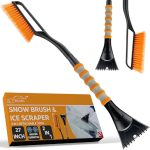
If you run out of de-icer, a scraper still gets you moving. The brush end clears snow from the bonnet, roof, windows and lights. Clearing the roof matters more than people think, because a slab of snow sliding onto the windscreen at the first set of brakes is no fun at all. This Xtremeauto two-in-one has a long handle, so you can reach the middle of the windscreen and the roof without leaning on a wet car.
Folding Snow Shovel
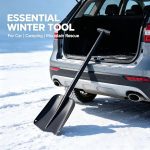
For digging yourself out of deep snow. Make it a proper folding snow shovel with a wide blade, not a folding army trenching spade. A trenching spade moves a teacup of snow at a time, and you’ll be there all afternoon. This one is aluminium with a telescopic handle and a detachable blade, so it packs down small in the boot.
Warm Blanket or Foil Blanket
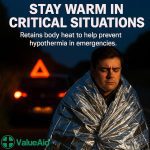
Of all the winter car essentials, warmth matters most. A car gets cold very quickly once the engine is off, and if you’re stuck with no power, staying warm is the priority. A foil blanket takes almost no space and costs next to nothing. It isn’t as warm as a proper blanket, but it’s far better than nothing and it can live in the door pocket.
If you have the room, a self-heating throw like the Silentnight Heat Genie is a big step up in comfort, and it’s the one we reviewed.
Silentnight Heat Genie Self Heating Giant Blanket
If you’re looking for a simple way to stay warm without turning the heating up, this is a low-cost option with zero running costs. It’s especially worth considering for cold homes, power cuts, or anyone wanting extra warmth without relying on electricity.
Our Full Review: Silentnight Heat Genie Self Heating Giant Blanket →
First Aid Kit
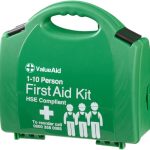
You should always have a first aid kit in the car, and ideally something better than the smallest basic pouch. This Value Aid kit is our go-to for the car: it’s made for workplace, home and car use, HSE compliant and CE marked, and comes in a double-clasp case with a handle, so it’s easy to grab in a hurry.
For the house, the General Medi 210-piece kit is the bigger household kit we reviewed in full. It’s a better fit for your home than your glovebox.
General Medi First Aid Kit
210 pieces, ISO 13485 certified, with a cold pack, emergency blanket, and moleskin pad included — the first aid kit that actually covers the scenarios a cheap chemist kit doesn’t.
Our Full Review: General Medi First Aid Kit →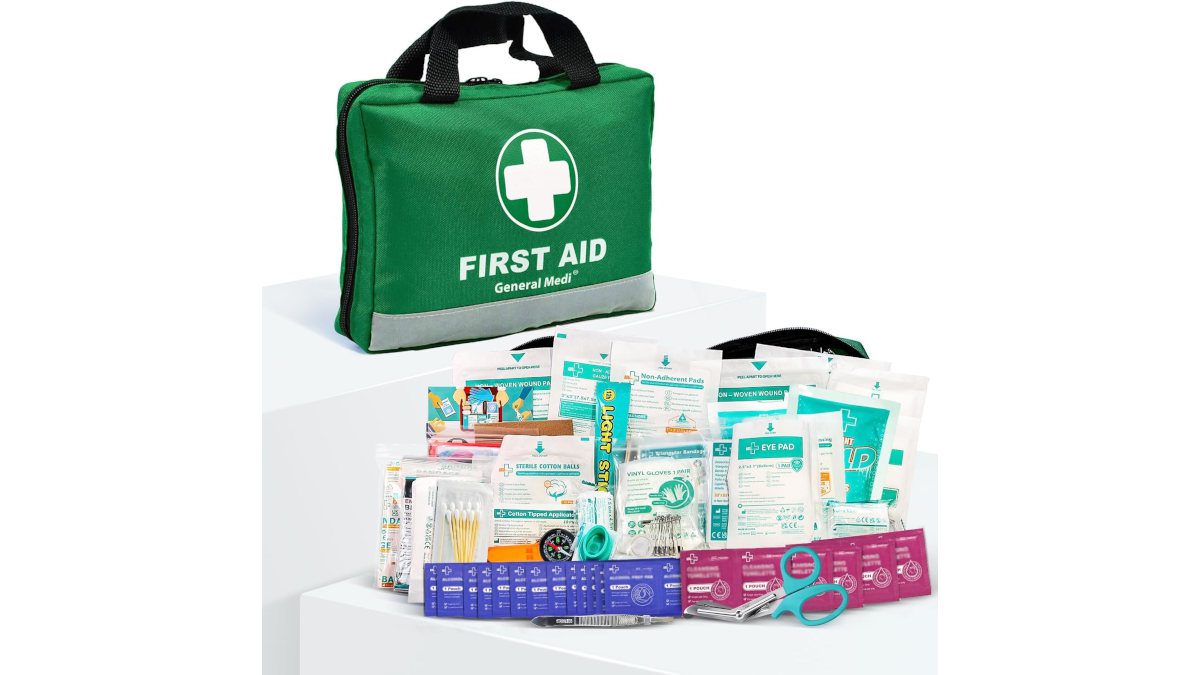
Bottled Water

If you’re stuck for a long time, dehydration creeps up on you, even in the cold. A 5 litre bottle covers everyone in the car for a good while. Swap it every few months so it stays fresh.
Torch, Head Torch and Spare Batteries
Obvious, but essential. You need light to see in the dark, carry out a repair, change a wheel, or simply see inside the car if you’re stuck with no power. A pair of small battery torches means one for the glovebox and one for the boot.
Lepro Power Cut Torch
Two AAA-powered torches with a real SOS mode for £11.87 — the boring, battery-swappable backup that works the one time your rechargeable one doesn’t.
Our Full Review: Lepro Power Cut Torch →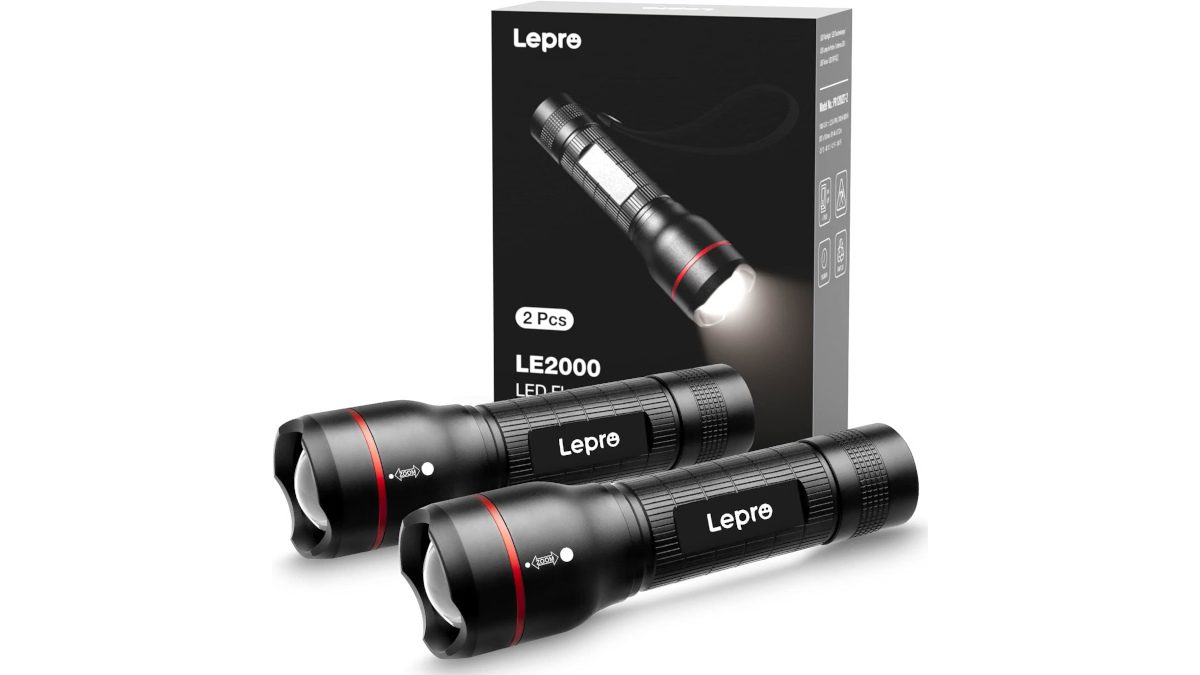
A head torch leaves both hands free, which is exactly what you want when you’re changing a wheel at the roadside.
Energizer Vision HD+ Head Torch
Is this the most versatile head torch for your kit? Does it deliver what it promises? Does it have longevity?
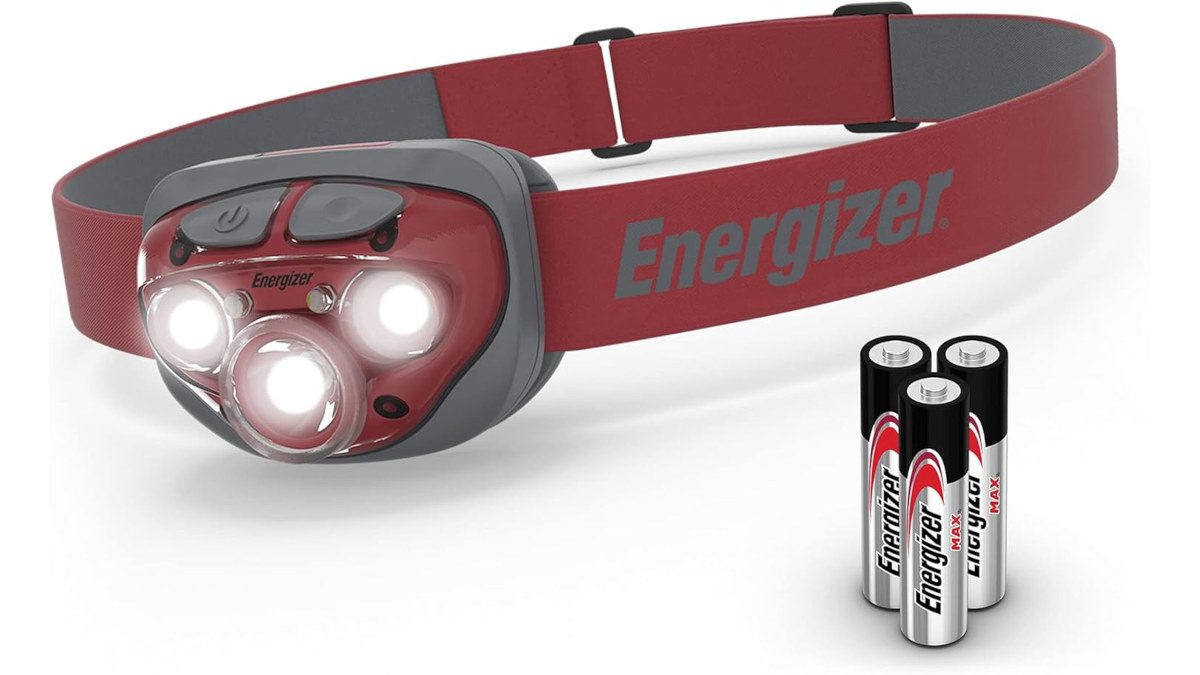
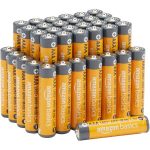
And spare batteries, because a torch without them is just a paperweight. Alkaline batteries keep their charge for years in a cold boot.
Jump Leads and/or a Jump Pack
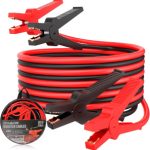
Cold weather is hard on car batteries. Jump leads are fine in an emergency to get the car started, but they only work if someone else with a car is there to help. This DOMOR set is 3 metres long, which gives you room when the other car can’t park nose to nose.
If you’re stranded and there’s nobody around, a jump pack gets you going on your own. Worth knowing: even electric cars need one. They still use a standard 12 volt battery to run the basics of the car, and if that goes flat, the car won’t start, however much charge is in the big battery.
NOCO Boost GB40 Jump Starter
The lithium jump starter that starts your dead battery alone, without another car — 1000A peak output, spark-proof clamps, and 126,668 reviews to back it up.
Our Full Review: NOCO Boost GB40 Jump Starter →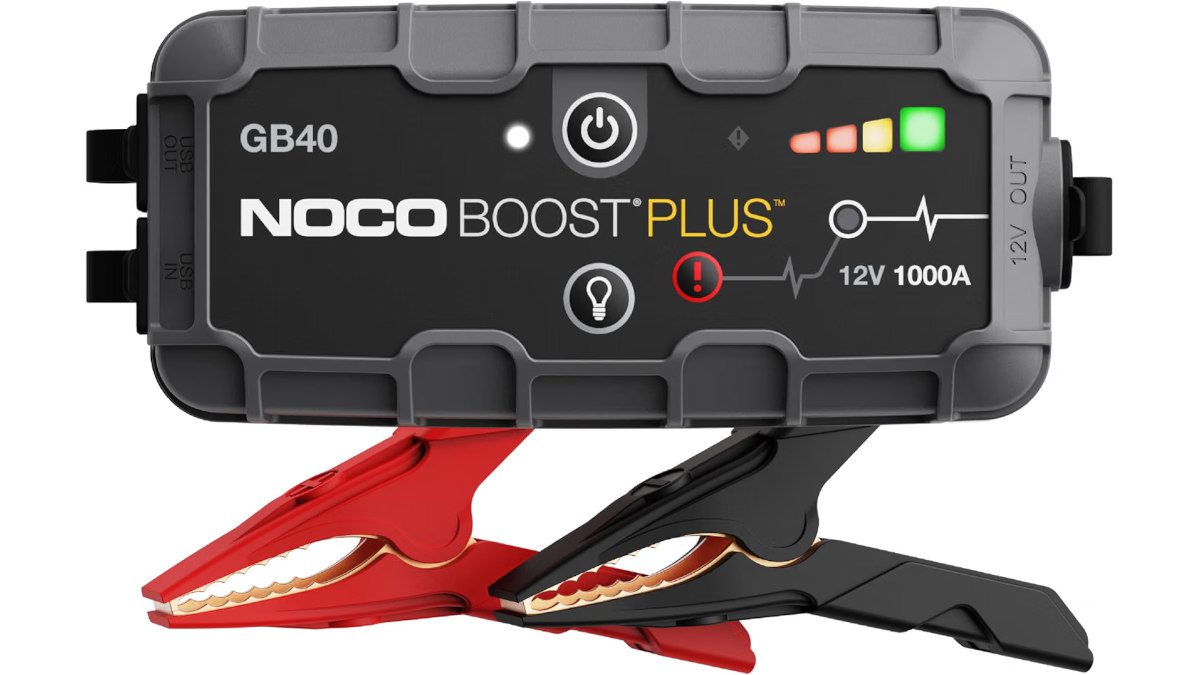
Traction Mats
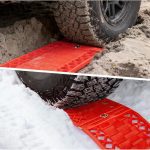
Traction mats get you out of shallow snow without having to dig. Push them under the drive wheels, pull away gently, and you’re out. It’s quick self-rescue. They’re useful the rest of the year too, getting you out of mud on a wet field or a soft verge, which a shovel can’t do.
Non-Perishable Snacks
Energy. A few chocolate bars, flapjacks or energy bars keep you going if you’re stuck for hours, and they’re a real morale boost in a cold car. Energy bars last longer than most snacks, and we’ve picked our favourites for an emergency kit.
The Best Energy Bars for Your UK Emergency Kit
What are the best brands, and which should you choose? A look at the main 5 brands available in the UK. Five genuinely different options for different dietary needs and use cases
Our Full Review: The Best Energy Bars →
LED Emergency Road Flares
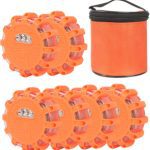
Be seen if you break down in the dark. Flashing lights always draw more attention, because drivers are conditioned to notice them, and orange is a good colour for “warning”. This Yuanjoy set has six battery-powered flares with magnetic bases and nine light modes. Battery-powered beats rechargeable here: batteries have a longer shelf life and are easy to replace from any shop, supermarket or petrol station.
Reflective Warning Triangle
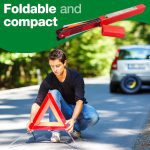
You should have one anyway. It’s also a battery-free backup if your LED flares run out of power. This one folds flat into its own case.
Charged Power Bank
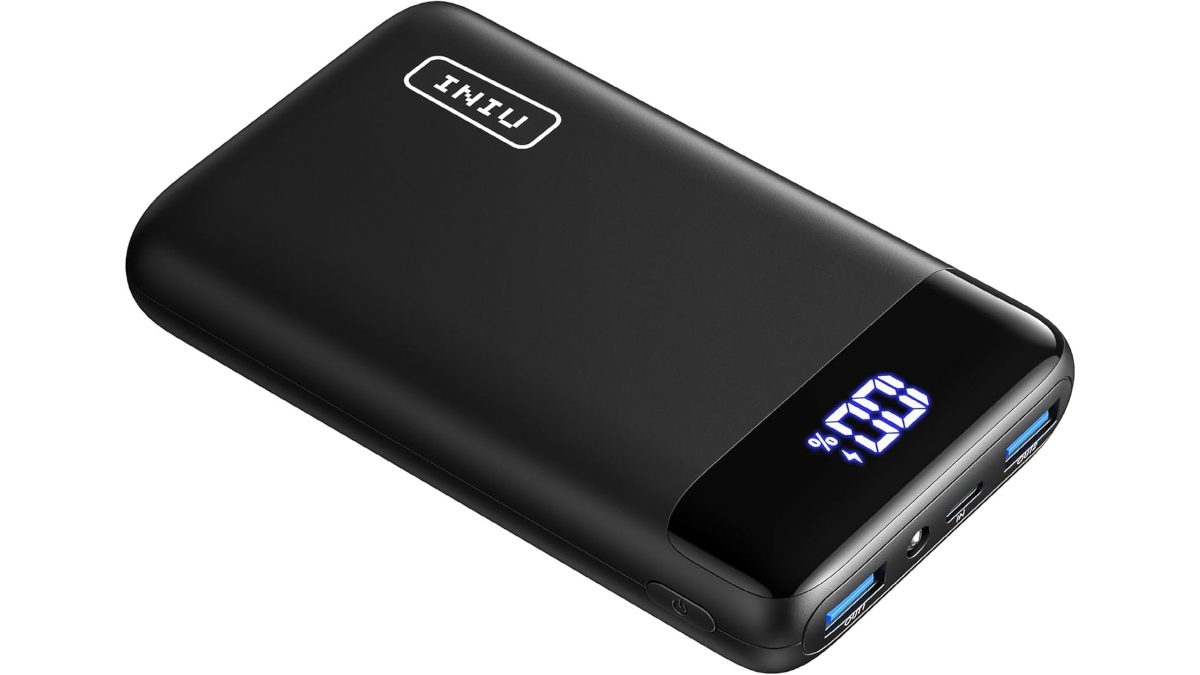
Lets you recharge your phone without draining the car battery, so you can call for help and keep up with the news. Keep it charged and top it up once a month.
INIU 20,000mAh Power Bank
We tested it so you don’t have to — here’s the one thing most power banks get wrong, and why this one doesn’t.
Hand Warmers
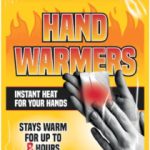
They keep your hands warm, and warm them back up if you’ve been working outside the car, clearing snow or changing a tyre. They’re air activated, so you just open the packet. A bonus tip: they can warm your whole body too. Pop one under each armpit.
De-icer
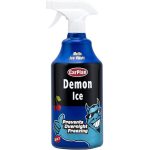
De-ices the windows quickly, and this CarPlan version also helps prevent them freezing over again. It works on frozen door locks too.
Hi-Vis Vest
If you have to get out at the roadside, make sure other drivers can see you. A hi-vis vest folds down to almost nothing and lives in the door pocket.
Portwest C474 Hi-Vis Vest
Under £6, fits over a coat, and makes you visible to drivers from 100 metres. The one item in the bag most likely to stop you getting hit by a car. Available up to 5XL — it’ll fit over whatever you’re wearing, however many layers that is.
Our Full Review: Portwest C474 Hi-Vis Vest →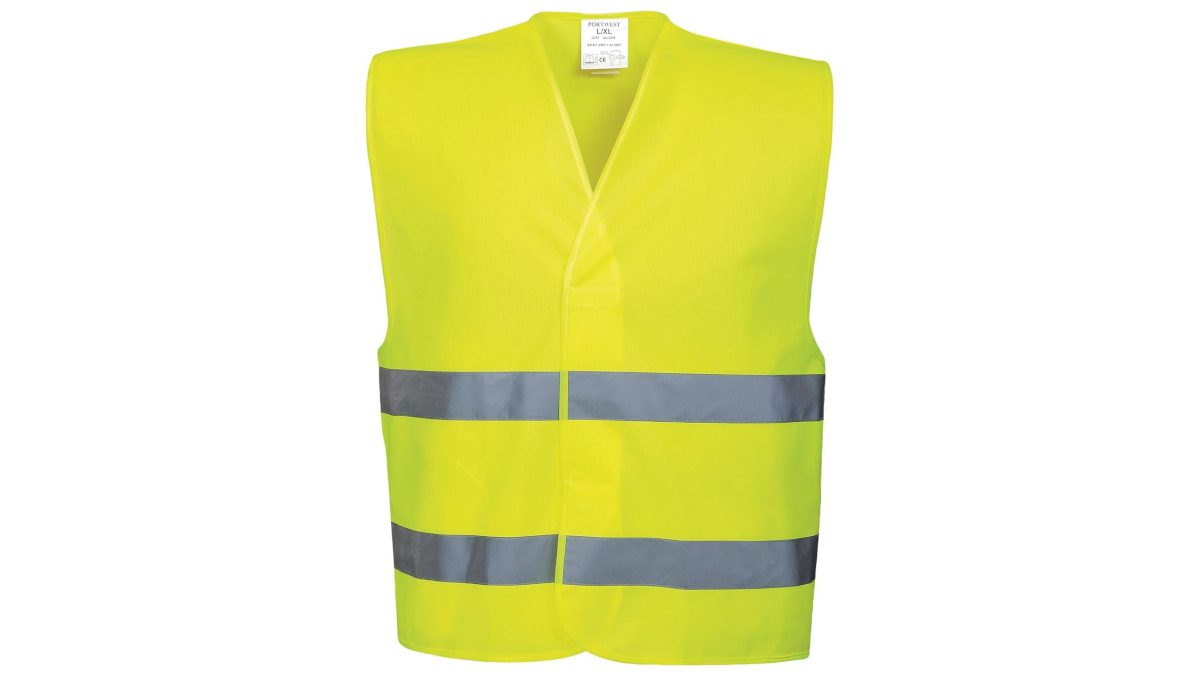
Glow Sticks
Get several colours. Hang them from the car doors so other drivers can see the car, alongside your road flares. They give heat-free, battery-free, fume-free low-level light inside the car, and one hung in the boot makes it easy to find your kit. They have a long shelf life and are simple to use, even with cold hands.
Colours have their own jobs. Red means danger, and gives you light without affecting your night vision. Orange and yellow mean warning. The traditional green is for general light and tends to be the brightest, and white is for general light too.
Cold makes glow sticks glow dimmer, but they last longer because the chemical reaction slows down. If you need more light, warm one up under your armpit to speed the reaction up.
Glow Sticks
Glow Sticks provide bright, reliable, and completely fire-free light, making them a must-have for every home, car, or emergency kit.

Suggested Extras
They’re not strict winter car essentials, but these are the items to keep in your car for winter if you want to be properly comfortable while you wait.
Wind-Up Radio
Your car battery won’t last long. It isn’t designed to power anything for hours, just to turn the engine over, so save it for starting. A wind-up radio gives you news and entertainment without any pull on the car battery.
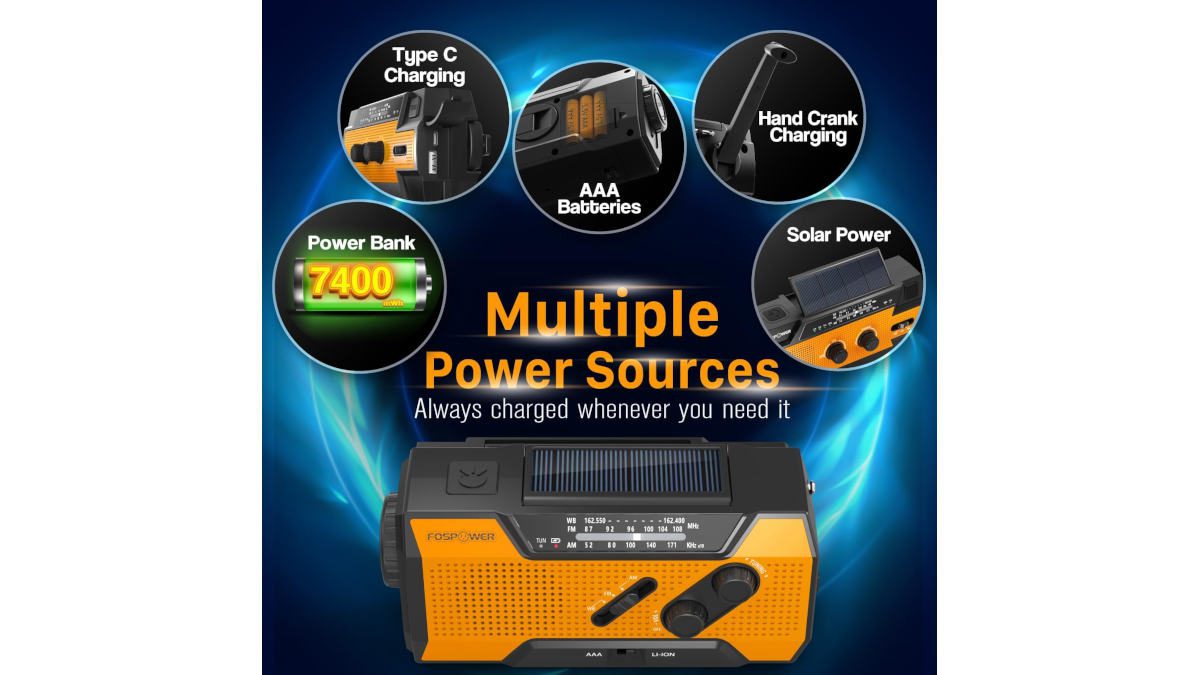
FosPower Emergency Radio
Most emergency radios have one or two power options. The FosPower has four, and that redundancy is the single most important feature for preparedness use.
Wellingtons
Snow, rain or mud, a pair of wellies in the boot is always worthwhile. Any pair you already own will do.
Thermal Hat
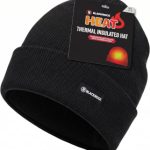
Helps keep you warmer. This Blackrock beanie is insulated, lightweight, and takes up almost no room.
Winter Gloves
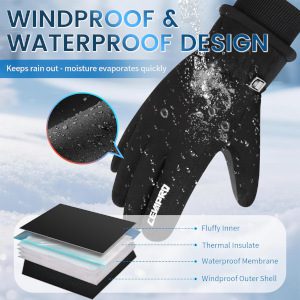
Wind and waterproof gloves with insulation keep your hands warm and help warm them back up. You can slip hand warmers inside if needed. They also help if you have to work outside, clearing snow or changing a wheel.
Waterproof Trousers
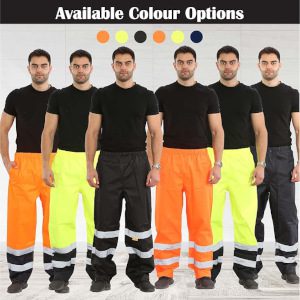
Driving snow or rain isn’t fun, and the wrong clothes get wet very quickly, which lowers your body temperature. These kraftd over-trousers come in several sizes and colours. Go for a pair that’s fluorescent or has reflective strips, so you’re easy to see at the roadside.
Waterproof Jacket
A waterproof jacket that stays in the car finishes the set. Any proper waterproof you already own will do the job.
What It All Costs
Your minimal winter car essentials come to roughly £185.69 using the budget options, or about £296.00 if you go for the Heat Genie throw and the NOCO jump pack. Add around £22.92 for the priced extras. You don’t need to buy it all at once. Start with the scraper, de-icer, blanket, water and a torch, and build from there before the first snow.
What the Rest of the Team Think

🦆 Keith the Prepper
I used to have one of those all-in-one winter kits in the boot. Opened it the first time I actually needed it and the scraper snapped on the first swipe. Built my own the following weekend and I’ve never looked back. My wife says the boot is now “a small shop”. She’s not wrong.
★★★★★

🪖 Black Panther
Traction mats, a proper shovel and flares for a perimeter. That’s self-recovery done right. I’d add a thermal bivvy and a signal mirror, but for a family car on the school run, this list covers the job.
★★★★☆

🤡 Camping Clown
I bought the most expensive winter kit on the internet. It came in a lovely bag. The bag was the best bit. A £2.49 bottle of de-icer and an £8.99 scraper would have done more for me than the whole thing.
★★★★★

🐾 Weekend Warrior
Pickle travels with me everywhere, so the foil blanket and extra water are non-negotiable. She hates the cold more than I do. Traction mats earned their keep on a muddy car park at a dog show last spring, so they’re year-round kit for me.
★★★★★

🐕 Pickle
Snorgle!
★★★★★ (translation: the hand warmers are mine now)

🐔 Chicken Licken
I’ve been telling people for years that a car goes cold in minutes once the engine’s off. Nobody listened. Then the motorway closed in the snow and suddenly everyone wanted to borrow my blanket. I’ve got two now.
★★★★★

📋 Calm Clarissa
A list you build yourself is a list you actually understand. I keep mine in a plastic crate in the boot, basics on the left, extras on the right, and check it on the first cold Sunday of October. Janet thinks this is excessive. Janet has never been stuck on the A66.
✅✅✅✅✅

💄 Survivl Gurl
Obsessed with the LED flares. Nine light modes?! My followers thought my car was a whole vibe. Also the hi-vis vest is giving safety chic. The power bank kept my phone alive for the whole livestream, which is honestly the main thing.
★★★★☆

🌿 Aroura
Warmth, water and a little food. The earth has always asked for nothing more than that. I tuck a hand warmer under each arm on a cold drive and sip warm water from a flask, as my grandmother did. Namaste 🙏
★★★★★
Building Your Own Winter Car Essentials Kit: Pros and Cons
Pros
- You choose the quality of every item, so nothing snaps when you need it
- You know exactly what’s in the boot and how to use it
- You can spread the cost over a few months
- Easy to tailor to your car, your family and your pets
- Most items work year-round, not just in snow
Cons
- Takes a little more time than buying one bag
- You need a crate or bag to keep it all together
- Some items need checking or replacing (water, batteries, power bank charge)
- The full list adds up if you buy everything at once
Frequently Asked Questions
What are the winter car essentials I should always carry?
At a minimum: an ice scraper and snow brush, de-icer, a blanket or foil blanket, bottled water, a torch with spare batteries, a first aid kit, jump leads or a jump pack, a charged power bank, and a warning triangle. Those cover getting moving, staying warm and being seen.
Is it better to buy a winter car kit or build your own?
Build your own. All-in-one kits are usually cheaply made, and the item you need most is often the weakest part of the bag. Building your own lets you choose the quality of every item and spread the cost.
Do electric cars need a jump starter?
Yes. Electric cars still use a standard 12 volt battery to run the basics of the car. If it goes flat, the car won’t start, however much charge is in the main battery.
How do I keep warm if I’m stuck in my car in the snow?
Layer up with a blanket, hat and gloves, and use hand warmers. One under each armpit warms your whole body. Save the car battery for starting the engine, rather than running the heater for hours.
What colour glow sticks are best for a car kit?
Several colours. Red signals danger and preserves night vision, orange and yellow mean warning, and green and white are best for general light, with green usually the brightest.
Build Your Resilience
Further Reading: Related Guides
- The Get Home Bag: What to Keep at Work or in Your Car
- El Niño UK Winter 2026: The Record Storm Season
- Storm Damage Prevention: How to Prepare for a Storm Before It Hits
- Rechargeable vs Alkaline Batteries: Why Alkaline Wins for Emergency Kits
- 72-Hour Grab Bag Checklist
- Heating Without Electricity
All our guides can be found listed on our resilience hub.
📡 Find Us Everywhere
Daily briefings, prep guides, and real-time updates across every platform. Pick yours.
Free. No commitment. Stay anonymous on WhatsApp & Telegram.
Stay Informed on UK Preparedness
Join our newsletter for UK-specific preparedness tips, product recommendations, and real-world advice for households.
Subscribe to Our Newsletter